Source Chain and Climbing Rope Cleaning Brush for Industrial Cleaning
Find 30 verified options for the Chain and Climbing Rope Cleaning Brush designed for rust removal and surface maintenance. Buyers can compare specifications, materials, and customization features from suppliers in Sichuan, China to find the right tool for industrial and outdoor applications.
Key considerations
Products List
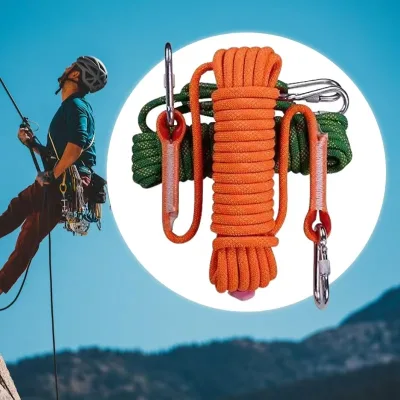


Inner Wound Nylon Coil Brush Spring Brush 360 Degree Chain Cleaning Brush
$1.89 - $2.15
MOQ: 10 Pieces


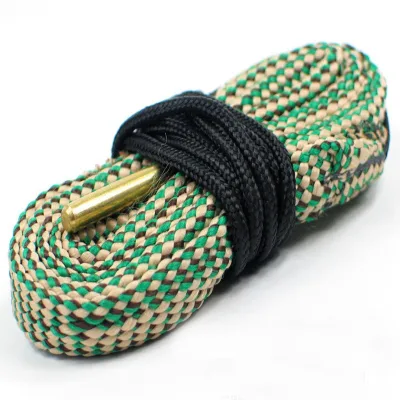


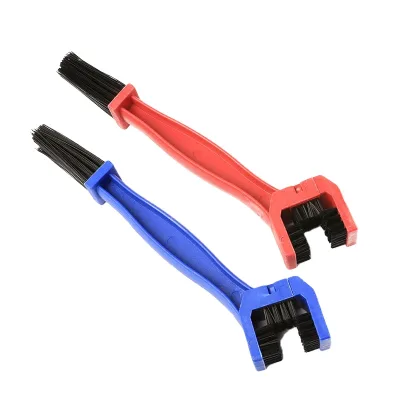


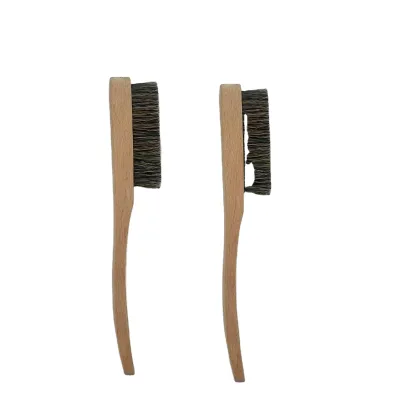


Comprehensive Sourcing Guide
Strategic Sourcing Guide for Chain and Climbing Rope Cleaning Brushes
Procuring specialized cleaning tools for industrial maintenance and outdoor safety equipment requires a nuanced understanding of material science, application-specific demands, and supply chain reliability. The core keyword "Chain and Climbing Rope Cleaning Brush" identifies a critical intersection between heavy-duty industrial cleaning and outdoor equipment preservation. Buyers in this sector must navigate a market where product attributes vary significantly between general-purpose industrial brushes and those designed for specific safety-critical applications like climbing ropes. This guide synthesizes observed market data and technical requirements to provide a disciplined framework for sourcing these essential maintenance tools.
Technical Specifications and Material Composition
The foundation of an effective cleaning brush lies in its material composition and physical dimensions. Based on observed product attributes, the primary bristle material for these applications is typically Nylon, often available in customized variations. This material choice is driven by the need for durability without damaging the substrate. For chain cleaning, where rust and heavy grime are prevalent, the bristles must be stiff enough to dislodge debris but flexible enough to conform to the complex geometry of chain links. In contrast, cleaning climbing ropes requires a balance that removes surface contaminants without abrading the synthetic fibers of the rope, which could compromise tensile strength.
The base material is equally critical. Data indicates that bases are frequently constructed from Steel Strip, Brass Wire, or Copper Coated Wire, with options for Nylon bases as well. The wire thickness for these brushes typically ranges from 0.1mm to 0.6mm, a specification that directly influences the aggressiveness of the cleaning action. Thinner wires (0.1mm) are suitable for delicate cleaning tasks, while thicker wires (up to 0.6mm) are necessary for heavy rust removal on industrial chains. The shape of the brush is generally observed as "Long," which facilitates reach into tight spaces and along the length of a rope or chain.
Dimensions are highly customizable, with standard base sizes including 3#, 4#, 5#, 7#, 8#, and 10#, alongside fully custom options. For specific models like the HX-S031 or HX-S015, dimensions such as 8050mm or 3015mm are noted, though buyers must verify these against their specific machinery or equipment requirements. The diameter of the brush can also be customized, with some standard configurations observing a 50mm diameter. Hole diameters, such as the 6mm standard, are vital for mounting the brush onto rotating cleaning machinery or manual handles. The filament color, often observed as Red or Black, serves as a visual indicator of the material type but does not inherently dictate performance.
Application Scope and Operational Context
Understanding the intended application is the first step in selecting the correct brush. The market data reveals a bifurcation in usage. One primary application is "Industrial Brushes" designed for "Chain/Climbing Rope Derusting and Cleaning." This specific use case demands high abrasion resistance and the ability to penetrate the interstices of chain links to remove accumulated grease, rust, and metal shavings. These brushes are essential for maintaining the longevity of heavy machinery, conveyor systems, and outdoor climbing gear.
A secondary, yet equally important, application area includes "Textile Printing and Dying," "Shoes," "Wooden Furniture," "Environmental Protection," "Glass," "Electrical & Electronics," and "Machinery." While the core keyword focuses on chains and ropes, the same manufacturing facilities often produce brushes for these diverse sectors. For instance, brushes used in textile printing may share similar Nylon bristle properties but differ in base stiffness. Buyers must ensure that the brush selected for chain and rope cleaning is not inadvertently used in sensitive electronics applications where conductive wire bristles could cause short circuits.
The condition of the product is consistently listed as "New," and the customization options are marked as "Available." This indicates that suppliers are capable of producing bespoke solutions for specific industrial workflows. The "Selling Units" are typically listed as "Single item," suggesting that procurement can be flexible regarding batch sizes, though this is often constrained by Minimum Order Quantity (MOQ) policies. The versatility of these brushes allows them to be used for "Cleaning" and "Polishing" across a wide spectrum of industries, from the "Food & Drinks" sector to "Environmental Protection" initiatives.
Compliance, Certification, and Safety Verification
In the realm of industrial and safety equipment, compliance is non-negotiable. While specific certification statuses are not universally listed in the provided product attributes, buyers must rigorously verify that the brushes meet relevant safety standards for their intended use. For climbing rope cleaning, the brush must not introduce any chemical residues or physical damage that could compromise the rope's safety rating. This requires verification that the Nylon bristles are free from harmful additives and that the base materials do not shed particles that could contaminate the rope.
For industrial chain cleaning, the brush must withstand the mechanical stresses of the cleaning process without breaking apart. Buyers should request test results or material safety data sheets (MSDS) to confirm the chemical resistance of the bristles against common degreasers and rust removers. The "Customized" nature of the product implies that suppliers may offer tailored solutions, but this also necessitates a robust quality assurance process to ensure that custom specifications align with safety protocols.
Standardization is a key area for verification. The observed product standards include specific dimensions like "8050mm" or "3015mm," but these are often "Customized" or "Custom-Made." Buyers should not assume that a standard dimension will fit all equipment. Instead, they must verify that the brush meets the specific mechanical requirements of their cleaning machinery. The "OEM/ODM" status being "Acceptable" suggests that suppliers are open to branding and design modifications, but this does not exempt the product from industry safety standards.
Cost Drivers and Procurement Economics
The cost of sourcing chain and climbing rope cleaning brushes is influenced by several variables, primarily material composition, customization level, and order volume. The observed price range in the market spans from $0.05 to $55, a wide disparity that reflects the difference between simple, single-item brushes and complex, custom-engineered units. The lower end of the spectrum likely represents basic Nylon brushes with standard dimensions, while the higher end includes specialized models with custom wire thicknesses, unique base materials, or specific certifications.
Minimum Order Quantity (MOQ) is a significant cost driver. The observed MOQ range is 1 to 2000 units, with a high-confidence fact noting an MOQ of 1000m for certain product types. This suggests that for bulk industrial procurement, buyers can achieve significant economies of scale, but for smaller operations, the per-unit cost may be higher. The "Selling Units" being "Single item" allows for flexibility, but buyers must balance this against the potential for higher shipping costs per unit if ordering small quantities.
Lead time is another critical factor in the total cost of ownership. The observed delivery times range from 7 to 25 days, with a specific lead time of 10 to 12 days noted for certain models. These timelines can vary based on the level of customization required. Custom orders, such as those with specific wire thicknesses or base sizes, may require longer production cycles. Buyers should factor in these lead times when planning inventory to avoid production delays. Shipping methods, including DHL, TNT, UPS, FedEx, Ocean, and Train, offer various trade-offs between speed and cost, which should be evaluated based on the urgency of the procurement.
Supplier Evaluation and Geographic Considerations
When evaluating suppliers, geographic origin plays a role in logistics and communication. The observed place of origin is consistently "Sichuan, China" or "China Mainland." This region is known for its manufacturing capabilities in industrial tools and hardware. Buyers should verify the supplier's production capacity and quality control processes, as the "Customized" nature of the products requires a high degree of precision.
The "Brand Name" observed is "idaovlai," but buyers should not limit their search to a single brand. Instead, they should look for suppliers with a proven track record in producing brushes for similar applications. The "OEM/ODM" acceptance indicates that suppliers are willing to work with buyers to develop custom solutions, which is a positive sign of flexibility and customer service. However, buyers must ensure that the supplier has the technical expertise to execute these customizations accurately.
Packaging is another aspect of supplier evaluation. The observed packaging includes "OPP Bag and Corrugated Carton" or "Hard Carton, Plywood Box." The choice of packaging can impact the condition of the product upon arrival, especially for brushes with delicate bristles or sharp wire ends. Buyers should specify packaging requirements that ensure the brushes remain undamaged during transit. The "Coil Quantity" of 7 coils is a specific attribute that may be relevant for certain applications, and buyers should confirm this detail with the supplier.
Quality Control and Long-Term Procurement Strategy
Implementing a robust quality control (QC) strategy is essential for maintaining the reliability of cleaning brushes. Buyers should establish clear acceptance criteria for bristle density, wire thickness, and base material integrity. Regular inspections should be conducted to ensure that the brushes meet the specified dimensions and material properties. For custom orders, a pre-production sample should be requested and tested to verify that the design meets the intended application requirements.
Long-term procurement considerations involve building a sustainable relationship with suppliers who can consistently deliver high-quality products. The "Customized" and "Custom-Made" options suggest that suppliers are capable of adapting to changing needs, but this requires open communication and clear specifications. Buyers should also consider the environmental impact of their procurement, as the "Environmental Protection" application is listed among the uses. Selecting brushes made from sustainable materials or those that reduce the need for harsh chemicals can align with broader corporate sustainability goals.
In conclusion, sourcing chain and climbing rope cleaning brushes requires a comprehensive approach that balances technical specifications, application needs, and supply chain logistics. By carefully evaluating material composition, verifying compliance, and establishing clear quality control measures, buyers can ensure that they procure tools that effectively maintain their equipment while adhering to safety and performance standards. The flexibility of the market, with its wide range of customization options and competitive pricing, offers significant opportunities for buyers to optimize their procurement strategies.
FAQs
What materials are used for the bristles of these brushes?
The bristles are typically made of Nylon, which is available in customized variations. This material ensures durability while preventing damage to the chain or rope surface during cleaning operations.
Can I order custom dimensions for the brush base size?
Yes, customization is available for base sizes including 3#, 4#, 5#, 7#, 8#, and 10#. Buyers can also request fully custom dimensions to fit specific machinery or equipment requirements.
What is the typical lead time for delivery of these brushes?
The standard delivery time ranges from 7 to 25 days, with some models having a specific lead time of 10 to 12 days. Shipping methods include DHL, TNT, UPS, FedEx, Ocean, and Train.
Where are these cleaning brushes manufactured?
The products originate from Sichuan, China, or the China Mainland. This location is a known hub for manufacturing industrial tools and hardware used in various cleaning applications.
What is the minimum order quantity for these products?
The observed MOQ range is 1 to 2000 units, with a high-confidence fact noting an MOQ of 1000m for certain product types. This allows flexibility for both small and bulk procurement needs.
How thick are the wire bristles used in these brushes?
The wire thickness typically ranges from 0.1mm to 0.6mm. Thinner wires are suitable for delicate cleaning, while thicker wires are necessary for heavy rust removal on industrial chains.
Are these brushes suitable for cleaning climbing ropes and chains?
Yes, they are specifically designed for chain and climbing rope derusting and cleaning. They are also used for industrial cleaning, rust removal, and polishing across various sectors like textiles and machinery.