Source Cervical Shoulder Electric Massager for Home, Office, Travel
Explore 30 Cervical Shoulder Electric Massager options featuring vibration kneading, heating, and timed control. Buyers can compare models suitable for the elderly, white-collar workers, and office staff with customizable logos and CE RoHS certifications; compare the available evidence and request quotations based on your requirements.
Key considerations
Products List


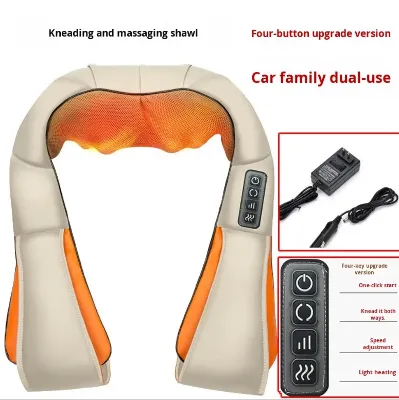

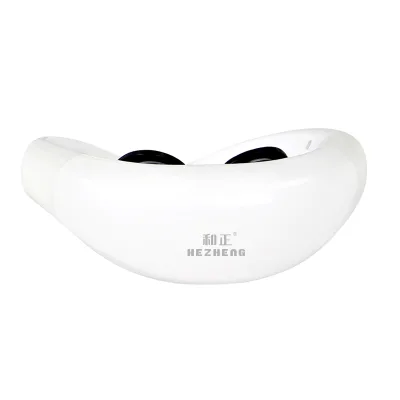
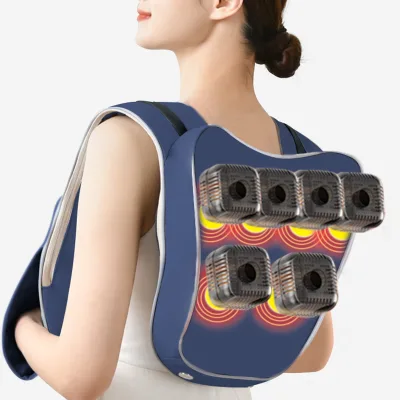


Shiatsu Neck Shoulder Massager with Heat Portable Electric Kneading Massager
$15.00 - $25.00
MOQ: 2 Pieces

Kneading Neck Shoulder Massager with Heat Electric Shiatsu Neck Back Massager
$13.00 - $19.00
MOQ: 1 Pieces
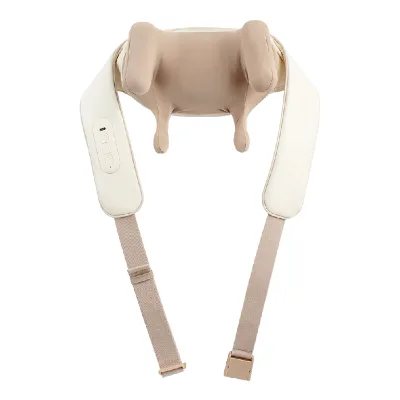


Comprehensive Sourcing Guide
Cervical Shoulder Electric Massager Sourcing Guide
Sourcing cervical shoulder electric massagers requires a clear understanding of the diverse product landscape available to B2B buyers. The market offers various forms, from wearable shawls to handheld units, each designed to address specific user needs such as fatigue elimination or targeted muscle relief. Buyers must distinguish between manual-wired controls and rechargeable electric models, as this choice significantly impacts user convenience and operational costs. Understanding these fundamental differences is the first step in aligning procurement with end-user expectations and retail positioning.
The observed product range includes items suitable for the elderly, white-collar workers, and office personnel, indicating a broad demographic appeal. Features such as infrared physiotherapy, heating modes, and vibration kneading are common selling points that drive consumer interest. Procurement teams should evaluate whether the target market prioritizes portability, such as the electric portable timer features, or stationary home use. This initial segmentation helps in filtering suppliers who specialize in the specific functional attributes required for the intended sales channel.
Product Scope and Observed Listing Signals
The current market listings reveal a wide price range, typically spanning from $0.45 to $145 USD, which reflects significant variation in component quality and feature sets. Minimum order quantities (MOQs) vary substantially, ranging from single items to 5,000 units, allowing for both sample testing and large-scale distribution. Buyers should note that lower price points often correlate with basic mechanical massagers, while higher tiers may include advanced features like timed controls, infrared therapy, and customized branding options. This variance necessitates careful budget alignment with desired product specifications.
Observed product attributes highlight key differentiators such as the massage head component, heating modes, and specific application areas like the neck and shoulder regions. Some models are designed as shawls with electric heating, while others are compact units with rolling or kneading methods. The single gross weight of approximately 1.4kg suggests a balance between durability and portability. Buyers must verify if the listed packing dimensions, such as 40x17x20cm, align with their logistics requirements, as packaging efficiency directly impacts shipping costs and storage space utilization.
Technical Specifications to Verify
Technical verification begins with the power supply mode, as buyers must choose between manual-wired controls and rechargeable battery systems. Rechargeable models offer greater user freedom but require verification of battery capacity and charging cycle durability. Additionally, the working principle, whether mechanical massager or electric rolling, dictates the maintenance requirements and potential failure points. Buyers should request detailed schematics or user manuals to understand the internal components, particularly the massage head and motor specifications, to ensure long-term reliability and performance consistency.
Heating functionality is another critical technical aspect, with options ranging from simple electric heating to infrared physiotherapy. Buyers must confirm the heating mode’s safety features, such as automatic shut-off timers, to prevent overheating risks. The vibration intensity, often described as changing current intensity, should be tested for smoothness and adjustability. Furthermore, the material composition, typically ABS plastic for housing, should be evaluated for durability and heat resistance. Ensuring these technical parameters meet specific performance benchmarks is essential for reducing return rates and enhancing customer satisfaction.
Compliance and Safety Documentation
Compliance with international safety standards is non-negotiable for electric massagers, particularly those involving heating elements and electrical components. Buyers must verify that suppliers hold valid certifications, such as CE and RoHS, which indicate adherence to European health, safety, and environmental protection standards. These certifications are crucial for market access in regulated regions and help mitigate legal risks associated with product liability. Procurement teams should request copies of these certificates and validate their authenticity through the issuing bodies to ensure they are current and applicable to the specific product models.
Beyond certifications, buyers should inquire about additional safety testing, such as drop tests, electrical insulation resistance, and temperature stability under prolonged use. Documentation should also cover the after-sale service policies, including return and replacement procedures, which reflect the supplier’s confidence in product quality. Clear warranty terms and support channels are vital for maintaining brand reputation in the retail market. Ensuring that all safety and compliance documentation is complete and verifiable protects the buyer from potential recalls and regulatory penalties.
Cost Drivers and Commercial Terms
Cost structures for cervical shoulder electric massagers are influenced by several factors, including material quality, feature complexity, and customization options. Customized logos and packaging, such as gift boxes with specific dimensions, add to the unit cost but can enhance brand value. Buyers should analyze the cost breakdown to understand the impact of these value-added services on the final price. Additionally, the choice between standard and premium components, such as high-quality massage heads or advanced heating elements, will significantly affect the overall procurement budget.
Commercial terms, including MOQs and lead times, play a crucial role in inventory management and cash flow planning. Suppliers offering flexible MOQs allow for smaller initial orders, reducing inventory risk for new product launches. However, larger orders may qualify for volume discounts, improving margin potential. Buyers must negotiate clear payment terms and delivery schedules to avoid disruptions. Understanding the total landed cost, including shipping and duties, is essential for accurate pricing strategies and competitive positioning in the target market.
Supplier Qualification and Quality Control
Supplier qualification involves assessing the manufacturer’s production capabilities, quality management systems, and track record in the massager industry. Buyers should prioritize suppliers with established facilities in key manufacturing hubs, such as Zhejiang, China, known for its electronics and consumer goods expertise. Verifying the supplier’s ability to handle customized orders, including logo printing and packaging design, is essential for brand differentiation. A robust quality control process, including incoming material inspection and final product testing, ensures consistent product quality across batches.
Quality control measures should also include pre-shipment inspections to identify any defects or deviations from specifications. Buyers can engage third-party inspection services to conduct random sampling and verify product performance, packaging, and labeling. Establishing clear quality standards and acceptance criteria in the purchase agreement helps mitigate risks associated with substandard products. Regular communication with the supplier regarding quality feedback and continuous improvement initiatives fosters a collaborative relationship and ensures long-term supply chain stability.
Long-Term Procurement Checks
Long-term procurement success depends on continuous monitoring of supplier performance and market trends. Buyers should regularly review supplier metrics, such as on-time delivery rates, defect rates, and responsiveness to issues. Maintaining open lines of communication allows for timely resolution of any emerging problems and strengthens the partnership. Additionally, staying informed about technological advancements in massager technology, such as new heating methods or ergonomic designs, helps buyers stay competitive and meet evolving consumer demands.
Regular audits of the supply chain, including visits to manufacturing facilities, provide valuable insights into production processes and quality control practices. These audits can identify potential risks and opportunities for improvement, ensuring that the supplier remains aligned with the buyer’s standards. Furthermore, evaluating the supplier’s ability to scale production and adapt to changing market conditions is crucial for long-term growth. By proactively managing these relationships and processes, buyers can secure a reliable supply of high-quality cervical shoulder electric massagers.
FAQs
How is the vibration intensity controlled on this massager?
The vibration intensity can be changed to adjust the current intensity level for personalized comfort. This feature allows users to modify the sensation during use, ensuring the massage meets individual needs without requiring complex settings or external devices for operation.
What customization options are available for the product logo?
Customized logo options are available for buyers who wish to brand the massager. This service allows businesses to add their specific branding to the product, making it suitable for corporate gifts or private label distribution without altering the core mechanical functions.
Which parts of the body does this massager target effectively?
This device is designed to target the neck, shoulder, and back areas for relief. It applies kneading methods to these specific regions, making it ideal for users seeking localized relief in the upper body after long periods of sitting or physical strain.
Can the massager be used by elderly people safely?
Yes, the product is suitable for the elderly as it offers gentle mechanical massage options. The design supports home personal use with features like timed control and heating, ensuring safe and comfortable operation for older adults seeking fatigue elimination in their daily routine.
What power supply mode does the electric massager utilize?
The massager utilizes a rechargeable power supply mode for convenient operation. This feature eliminates the need for constant battery replacements, allowing users to charge the device and use it freely at home or in the office without being tethered to a wall outlet.
How is the product packaged for shipping and storage?
The single package size is 40 by 17 by 20 centimeters, while bulk packing uses cartons. Specific carton dimensions vary by model, with some options measuring 500 by 412 by 425 millimeters containing six pieces per carton for efficient logistics and storage management.
Which certifications does the massager hold for safety compliance?
The product holds CE and RoHS certifications to ensure safety and environmental compliance. These standards verify that the materials and electrical components meet international requirements, providing assurance to buyers regarding the quality and safety of the electric heating and mechanical massaging functions.