Source Cervical Collar for neck pain relief, fracture fixation, and traction
Find 30 Cervical Collar options from verified suppliers offering adjustable designs for neck pain relief, fracture fixation, and continuous traction. Compare features like waterproof materials, FDA certification, and customization capabilities to select the right medical device.
Key considerations
Products List






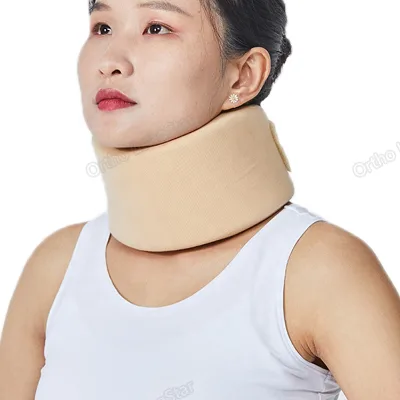
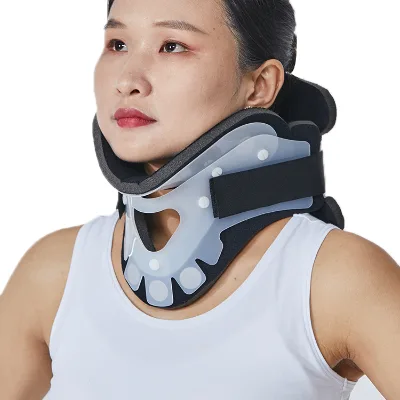
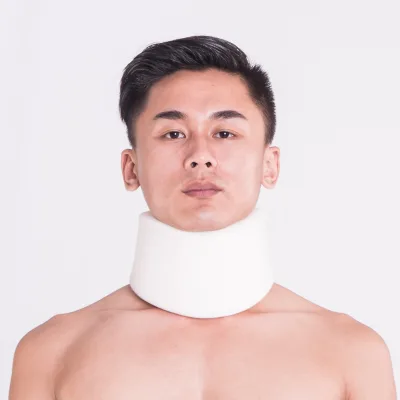
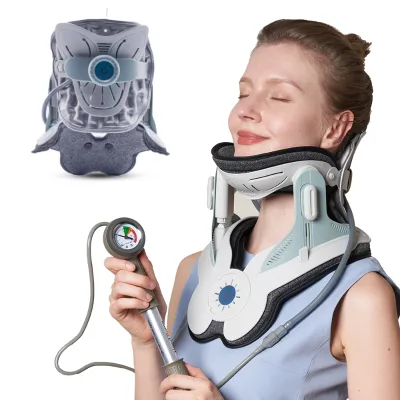


Comprehensive Sourcing Guide
Strategic Sourcing Guide for Medical Cervical Collars
Understanding Product Variants and Technical Specifications
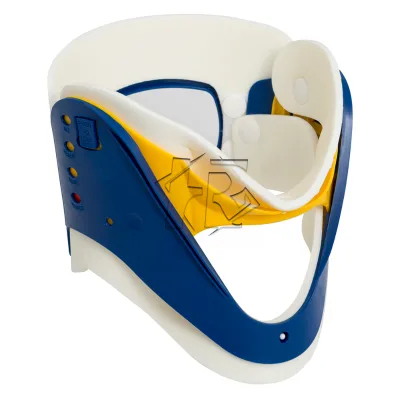
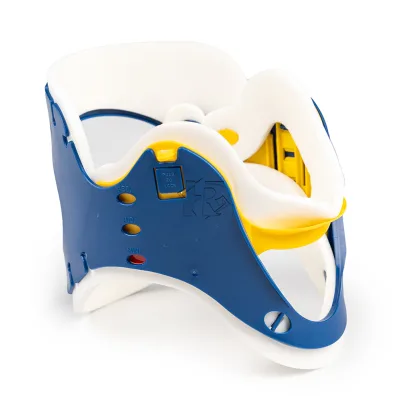
The global market for cervical collars presents a diverse array of products designed to address specific medical needs, ranging from acute trauma stabilization to chronic pain management. When sourcing these devices, buyers must first distinguish between the primary functional categories observed in current listings. The data indicates a clear split between orthopedic support devices intended for fracture fixation and deformity correction, and therapeutic units designed for neck and shoulder pain relief.
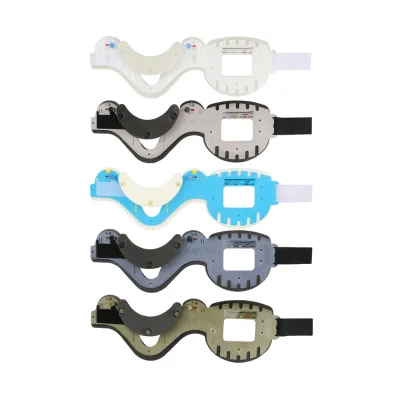
Technical specifications vary significantly across these categories. For orthopedic applications, such as the "Cervical Extrication Collar," the primary function is stabilization. These units often feature an "Instrument classification" of Class I, indicating a lower-risk medical device category, yet they must still adhere to rigorous structural integrity standards. Materials for these high-stress applications typically include a composite of plastic, foam, leather, and hook-and-loop fasteners. This combination ensures durability while allowing for necessary adjustments. The sizing for these orthopedic models is frequently standardized into S/M/L configurations to accommodate adult demographics, though some suppliers offer fully customizable dimensions.
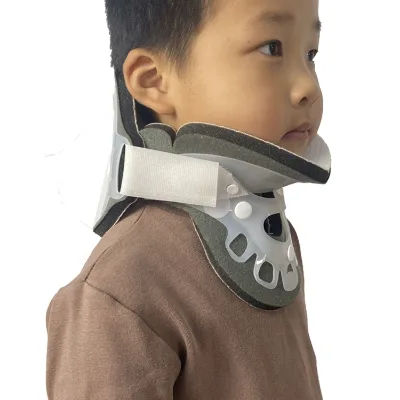
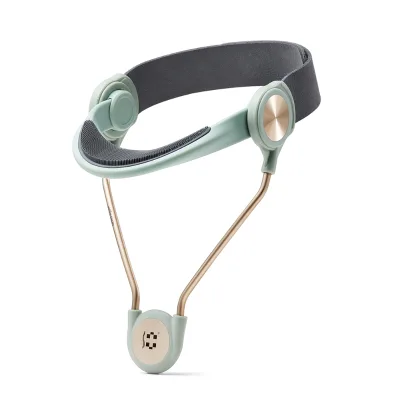
In contrast, therapeutic collars designed for pain relief and support, such as models labeled "TW5002" or "TW5006," prioritize user comfort and adjustability. A key differentiator in this segment is the presence of multiple adjustment settings. Some observed specifications list up to 16 distinct settings for position adjustment, allowing for fine-tuned neck support. These units are often marketed with features like "Waterproof" and "Breathable" properties, which are critical for patient compliance during extended wear. The material composition remains similar, utilizing foam and leather for comfort, but the structural design focuses on ergonomic support rather than rigid immobilization.
Packaging and logistics also play a role in technical selection. While some products are shipped in "Blister Cards" for retail or clinical display, bulk medical orders often require "Outer Carton" packaging. The physical dimensions of these cartons can vary; for instance, specific models are listed with a carton size of 58.52032cm, while others may have a single package size of 60X43X30 cm. Buyers must account for these dimensions when calculating shipping costs and warehouse storage requirements. The gross weight of individual packages, observed at 7.300 kg for certain bulk units, further influences freight calculations.
Compliance Framework and Certification Verification
Navigating the regulatory landscape is the most critical step in sourcing medical cervical collars. The supply chain for these devices is heavily regulated, and buyers must verify that suppliers possess valid certifications before proceeding with any transaction. The observed market data highlights several key certifications that serve as indicators of regulatory compliance.
The most frequently cited certifications include FDA (Food and Drug Administration) approval, CE marking, and ISO standards. Specifically, listings often reference "CE/USFDA/ISO" or "FDA,ISOCE" as combined credentials. The presence of the FDA certification suggests that the product has met United States regulatory requirements for medical devices, which is essential for sourcing into the North American market. Similarly, the CE mark indicates conformity with health, safety, and environmental protection standards for products sold within the European Economic Area.
Beyond general certifications, specific safety standards must be verified. One observed standard is "GB/T 32610," which is a Chinese national standard relevant to the product's origin. While this standard is crucial for domestic compliance in China, international buyers must ensure that the product also meets the standards of their destination country. The "ISO CE" and "ISO" references suggest adherence to International Organization for Standardization protocols, likely including ISO 13485 for medical device quality management systems, although the specific version of the standard should be confirmed with the supplier.
Buyers should treat certification claims as observations that require validation rather than absolute guarantees. It is imperative to request current, valid certificates directly from the supplier and verify their authenticity with the issuing bodies. The "Instrument classification" of Class I implies a lower regulatory burden, but this does not exempt the product from quality control requirements. Furthermore, the "Safety Standard" of GB/T 32610 must be cross-referenced with local regulations to ensure the device is legally marketable in the target region.
Cost Drivers and Pricing Structure Analysis
The pricing structure for cervical collars is influenced by a complex interplay of factors, including material quality, customization levels, and order volume. The observed price range in the market spans from $0.87 to $63.12 USD. This wide disparity reflects the difference between disposable, single-use orthopedic collars and premium, multi-adjustable therapeutic devices.
At the lower end of the spectrum, prices around $0.87 likely correspond to basic, disposable cervical collars intended for short-term use or emergency extrication. These units often have simpler construction, utilizing fewer layers of material and lacking advanced adjustment mechanisms. The "Supply Ability" for these items is frequently listed as 10,000 pieces per week, indicating high-volume manufacturing capabilities that drive down unit costs.
Conversely, the upper end of the price range, reaching $63.12, is associated with specialized models featuring extensive customization, such as "Customized Logo Accept" and specific color options like yellow, blue, pink, and white. These higher-priced units often include additional features like "Online Technical Support," a "1 Year Warranty," and more complex adjustment systems. The "Single gross weight" and "Single package size" also contribute to the cost, as heavier and bulkier items incur higher shipping and handling fees.
Minimum Order Quantity (MOQ) is another significant cost driver. The observed MOQ range spans from 1 to 10,000 units. Buyers seeking small quantities can access products with an MOQ of 1, which is ideal for testing or small clinics. However, to achieve the lower price points observed in the market, buyers often need to commit to larger volumes, potentially approaching the 10,000-piece threshold. The "Selling Units" are typically listed as "Single item," but bulk pricing is usually negotiated based on the total order value.
Typical Applications and Usage Scenarios
Cervical collars serve a variety of medical and therapeutic applications, and understanding these use cases is essential for selecting the right product. The primary applications can be categorized into trauma management, orthopedic correction, and therapeutic relief.
For trauma and emergency situations, the "Cervical Extrication Collar" is the preferred choice. These devices are designed for "Fracture Fixation" and "Correct Deformities," providing immediate stabilization to the neck and spine following an injury. The "Using Site" is specified as the "Head, Shoulder&Neck," ensuring comprehensive coverage. These collars are often used in pre-hospital settings, emergency rooms, and during patient transport to prevent further injury.
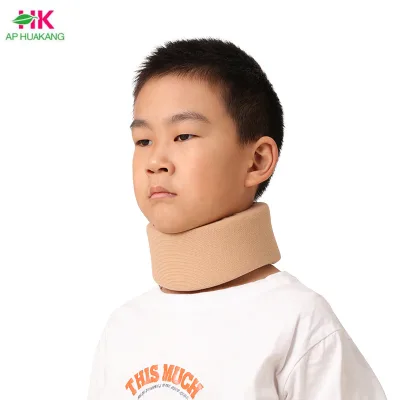
In the realm of orthopedics, collars are utilized for long-term management of spinal conditions. The "Type" of these devices is often listed as "Orthopedics" or "Continuous Traction," indicating their role in maintaining spinal alignment over extended periods. The "Group" classification is typically "Adult," though pediatric versions may exist. The "Condition" is always "New," and the "After-sale Service" often includes "Online Technical Support" to assist medical professionals with proper fitting and usage.
Therapeutic applications focus on pain management and support. Products with the "Function" of "neck shoulder pain relief" and "neck support" are designed for patients suffering from chronic conditions, muscle strain, or post-surgical recovery. These units often feature "Waterproof" and "Breathable" properties to enhance comfort during daily activities. The "Feature" list for these models emphasizes "Comfortable" and "easy to use" characteristics, which are vital for patient adherence to treatment protocols.
Supplier Evaluation and Operational Capabilities
When evaluating potential suppliers, buyers must look beyond the product specifications to assess the supplier's operational reliability and capacity. The "Place of Origin" for the observed products includes locations such as Xiamen, China, and Jiangsu, China. These regions are known for their manufacturing capabilities in the medical device sector, but buyers should verify the specific factory conditions and quality control processes.
The "Supply Ability" is a critical metric for ensuring consistent inventory. Many suppliers claim a capacity of 10,000 pieces per week, which suggests a robust production line capable of meeting high-volume demands. However, buyers should confirm this capacity against their own projected needs and potential lead times. The "Port of dispatch" and "Port of loading" are frequently listed as "ShangHai" or "Shnaghai," indicating the logistical hubs used for export. Buyers must factor in the transit time from these ports to their destination when planning their supply chain.
Customization capabilities are another key evaluation point. The "Customization" attribute is listed as "Available" for many products, with options for "Customized Logo Accept" and specific color requests. This flexibility allows buyers to brand the products for their specific market or clinical needs. However, the "Stock" status is often listed as "No," implying that these items are made-to-order. This necessitates careful planning to avoid stockouts and ensure timely delivery.
Quality Control and Long-Term Procurement Strategy
Implementing a robust quality control (QC) strategy is essential for mitigating risks associated with medical device procurement. Given the "Instrument classification" of Class I and the varying "Safety Standards," buyers should establish clear QC protocols before placing orders. This includes requesting pre-shipment inspection reports, verifying material composition, and ensuring that the "Certificate" documents are current and valid.
The "Warranty" period, often listed as "1 Year," provides a baseline for product reliability. Buyers should review the terms of this warranty to understand what is covered, such as manufacturing defects or material failures. Additionally, the "After-sale Service" of "Online Technical Support" can be a valuable resource for resolving issues post-delivery, but buyers should verify the responsiveness and expertise of the support team.
For long-term procurement, building a relationship with suppliers who offer consistent quality and reliable "Supply Ability" is crucial. Buyers should consider the "Customization" options as a strategic advantage, allowing them to differentiate their offerings in the market. However, they must balance this with the "MOQ" requirements to ensure cost-effectiveness. Regular audits of the supplier's production facilities and quality management systems can help maintain high standards over time.
Finally, buyers should remain vigilant regarding regulatory changes. The "Standard" and "Certification" landscape is dynamic, and products that meet current requirements may need to be updated to comply with future regulations. By maintaining a proactive approach to compliance and quality control, buyers can ensure a steady supply of safe and effective cervical collars for their medical needs.
FAQs
What certifications do cervical collars typically hold?
Cervical collars often hold FDA, CE, and ISO certifications. Listings frequently reference combined credentials like CE/USFDA/ISO or FDA,ISOCE to indicate compliance with US and European regulatory standards for medical devices.
How can I customize the logo on these collars?
Customized logo acceptance is available for many Cervical Collar models. Buyers can request specific branding options, though stock status is often listed as no, meaning these items are typically made-to-order.
Which materials are used to construct these collars?
Materials commonly include plastic, foam, leather, and hook-and-loop fasteners. This composite ensures durability for orthopedic applications while providing comfort and adjustability for therapeutic pain relief models.
What is the supply ability for bulk orders?
The supply ability is frequently listed as 10,000 pieces per week. This capacity supports high-volume manufacturing needs for both disposable orthopedic collars and adjustable therapeutic units.
Can I find collars with position adjustable settings?
Yes, some models offer up to 16 settings for position adjustment. These features allow for fine-tuned neck support, which is a key differentiator for therapeutic units designed for pain relief.
Where are these products typically manufactured?
Products originate from locations such as Xiamen and Jiangsu in China. These regions are known for medical device manufacturing capabilities, with ports of dispatch often listed as Shanghai.