Source CET RET Tecartherapy Machine for Body Slimming, Tissue Repair, Beauty Spa
Compare 30 available CET RET Tecartherapy Machine options from verified suppliers. These devices support body slimming, tissue repair, and beauty spa applications with customizable features and LCD displays.
Key considerations
Products List


High Performance Compact Deep Heating 448kHz Cet Ret Tecar Therapy Machine
$1599.00 - $1999.00
MOQ: 1 Pieces
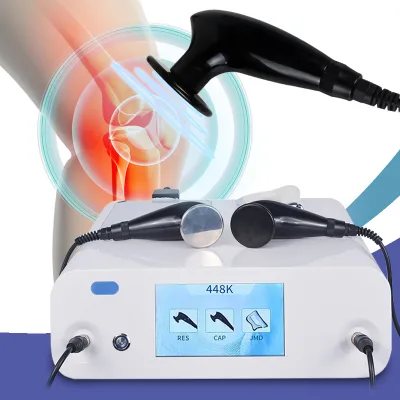
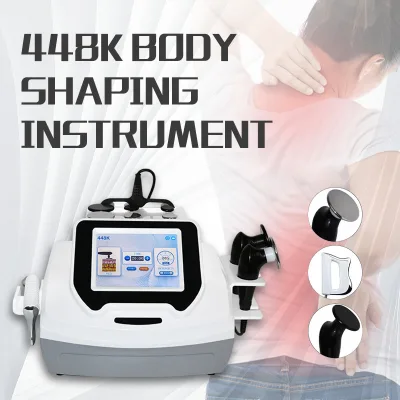
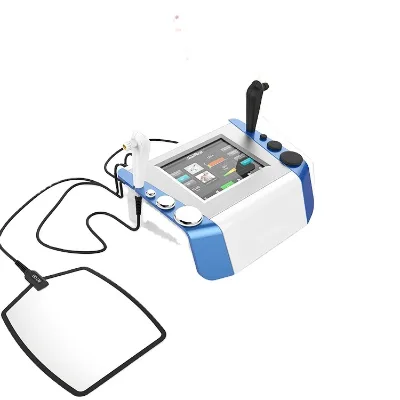
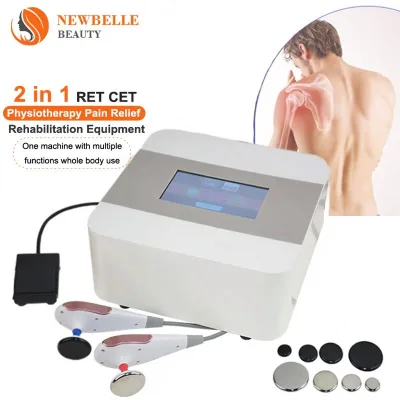
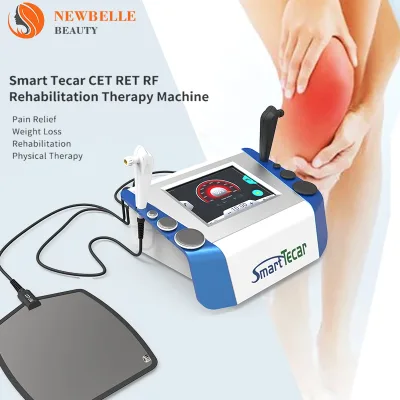


Hot Selling Cet Ret Tecar Therapy 300kHz 500kHz Pain Relief Therapy Equipment
$2799.00 - $3399.00
MOQ: 1 Pieces


Ret Therapy Machine for Face Lifting Slimming Pain Relief Tecar Physiotherapy
$1100.00 - $1740.00
MOQ: 1 Pieces


Smart Tecar Physical Therapy Equipment Tecar Therapy Ret Cet RF Machine
$3099.00 - $3199.00
MOQ: 1 Pieces

1064kHz Tecartherapy Pain Tecartherapy Pain Ret Cet RF Diatermia Radiofrequency Machine
$3099.00 - $3199.00
MOQ: 1 Pieces


Tecar Physiotherapy Diatermia 448kHz Ret Cet Tecar Physical Therapy Machine
$500.00 - $850.00
MOQ: 1 units


Newest Tecar Therapy Pain Removal Ret and Cet Handles Physiotherapy Tecar Machine
$1399.00 - $1799.00
MOQ: 1 Pieces

360 Rotating Physical Therapy Machine Tecar Cet Ret RF Diatermia Tecarterapia
$1399.00 - $1799.00
MOQ: 1 Pieces


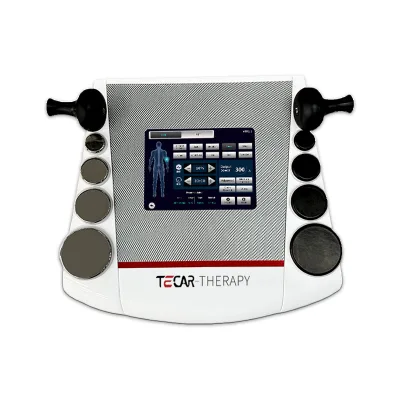

Pain Cellulite Reduction Body Care System Ret Cet RF Tecar Therapy Physiotherapy Body Slim Machine
$1600.00 - $2200.00
MOQ: 1 Pieces
Comprehensive Sourcing Guide
Strategic Sourcing Guide for CET, RET, and Tecartherapy Machines
Understanding the Technology and Functional Scope
The core keyword "CET RET Tecartherapy Machine" refers to a sophisticated class of medical and aesthetic devices designed for deep tissue treatment. These machines utilize Radio Frequency (RF) technology, specifically Capacitive and Resistive Electric Transfer (CET/RET), to deliver electromagnetic energy into the body. The primary function observed in the available product data is tissue repair, making these units critical for rehabilitation, pain management, and cosmetic body contouring. The technology operates by creating an electric field that stimulates cellular activity, promoting blood circulation and accelerating the healing process.
In the current market, these devices are categorized under Orthopedics and Beauty Spa applications. The functional scope extends from clinical rehabilitation centers to home-use environments, as evidenced by listings specifying "For home use" alongside professional "Beauty Spa" applications. The treatment area is consistently identified as the "Body," with specific models designed for standing or portable configurations. The versatility of these machines allows them to address various conditions, ranging from muscle recovery to body slimming, a dual-purpose capability that drives their high demand in both medical and wellness sectors.
Technical Specifications and Operational Parameters
When evaluating potential suppliers, buyers must scrutinize the technical specifications to ensure the machine meets the specific operational needs of their facility. The observed product data indicates a standard voltage requirement of AC110V/220V at 50-60Hz, which is crucial for international procurement to ensure compatibility with local power grids. The power consumption for certain models is noted at 50W, while others may vary, necessitating a review of the specific model number's datasheet.
The physical construction of these devices typically involves a combination of ABS plastic and Stainless Steel, providing a balance between durability and hygiene. The housing is often white, a standard color in medical equipment for maintaining a clean aesthetic. A key feature for user interface and control is the inclusion of an LCD display, often paired with a touch screen operation system. This digital interface allows for precise adjustment of treatment parameters.
Several specific model numbers have been identified in the market, including RF11B, RF07C, TB-RF05BM, RF05M, FR CME, FR-HC01, and RET-01. These model identifiers are essential for tracking spare parts and software updates. The devices are generally classified as "Stationary" or "Portable," with some explicitly labeled as "Standing" units. The single package size for larger units can be substantial, with dimensions reaching 50.0 x 46.0 x 40.0 cm, which impacts shipping logistics and storage requirements. Additionally, the plug type varies by region, with US and AU plugs observed, requiring buyers to verify the correct adapter or plug configuration for their target market.
Compliance, Certification, and Regulatory Standards
Regulatory compliance is a non-negotiable aspect of sourcing medical and aesthetic devices. The observed product data highlights specific certifications that buyers should verify as a baseline for market entry. The most frequently cited certifications include FDA and ISOCE, alongside the CE mark. The presence of the CE mark indicates conformity with health, safety, and environmental protection standards for products sold within the European Economic Area. The FDA reference suggests compliance with United States Food and Drug Administration regulations, though buyers must confirm the specific clearance level (e.g., 510(k)) for their intended use case.
It is important to treat these certifications as observations of specific listings rather than universal guarantees for all products in this category. Buyers must request valid, up-to-date certification documents from the supplier for the exact model number being purchased. The "RET CET Machine" and "Cet Ret Machine" keywords often appear in product descriptions, but the legal validity of these terms depends on the underlying regulatory approvals.
Furthermore, the material safety is a critical component of compliance. The use of ABS and Stainless Steel suggests a focus on non-toxic, durable materials suitable for skin contact. However, buyers should verify that the materials meet relevant biocompatibility standards. The "waterproof" attribute observed in some listings is a significant safety feature, particularly for devices used in wet environments or those requiring easy sterilization. This feature should be validated against specific IP (Ingress Protection) ratings to ensure the device can withstand the intended cleaning protocols without electrical failure.
Cost Drivers and Pricing Dynamics
The pricing for CET, RET, and Tecartherapy machines varies significantly based on the model, features, and intended application. The observed price range in the market spans from 245 USD to 3399 USD. This wide disparity reflects differences in technology sophistication, build quality, and brand positioning. Lower-priced units, often in the 245 USD range, may be basic models intended for home use or entry-level clinics, potentially lacking advanced features like extensive LCD interfaces or professional-grade power outputs. Conversely, units approaching 3399 USD likely represent high-end professional systems with advanced software, comprehensive warranties, and robust construction.
The Minimum Order Quantity (MOQ) for these products is observed to be 1 unit, indicating a flexible procurement environment that accommodates both single-unit purchases for trial or small clinics and bulk orders for larger distributors. This low MOQ reduces the financial barrier to entry for buyers testing the market. However, the unit price often correlates with the level of customization and service support. Suppliers offering ODM (Original Design Manufacturing) and OEM (Original Equipment Manufacturing) services may charge a premium or require higher volume commitments to customize branding, packaging, or specific technical parameters.
Other cost drivers include the complexity of the power system, the inclusion of specialized probes or applicators, and the warranty terms. A standard 2-year warranty is observed in the market, which serves as a benchmark for after-sales support. Buyers should factor in the total cost of ownership, including potential maintenance, consumable parts, and software licensing fees, rather than focusing solely on the initial purchase price.
Typical Applications and Target Markets
The application of CET, RET, and Tecartherapy machines is diverse, spanning clinical rehabilitation, aesthetic beauty treatments, and home wellness. In the orthopedic sector, these devices are utilized for tissue repair, helping to accelerate the healing of soft tissue injuries, reduce inflammation, and manage chronic pain. The "Body Slimming" application is equally prominent, where the technology is marketed for its ability to contour the body and improve skin texture. This dual functionality makes the machines attractive to a broad range of buyers, from physical therapy clinics to beauty spas and private practitioners.
The target area is consistently the "Body," allowing for treatment of large surface areas such as the abdomen, thighs, and back. The "Portable" style of some units facilitates mobility within a clinic, allowing therapists to move the device between treatment rooms. For home-use models, the focus shifts to ease of operation and safety, with simplified interfaces and lower power settings. The "Standing" type units are typically designed for professional environments where the device remains in a fixed location, often integrated into a treatment station.
Buyers should align their procurement strategy with their specific market niche. A beauty spa may prioritize the aesthetic and slimming features, while a medical clinic will focus on the tissue repair and rehabilitation capabilities. The "Application" field in product listings often specifies "Beauty Spa" or "For home use," providing a clear indicator of the device's primary design intent. Understanding these distinctions is vital for marketing the equipment effectively to end-users.
Supplier Evaluation and Quality Control Protocols
Selecting a reliable supplier is paramount to ensuring product quality and long-term operational success. The product data indicates that many suppliers offer ODM and OEM services, suggesting a high degree of manufacturing flexibility. The brand name "FARSLIM" is observed, but many listings also feature "OEM/ODM" as the brand, indicating that the manufacturer is willing to white-label the product. Buyers should evaluate suppliers based on their ability to provide consistent quality across different batches and their responsiveness to customization requests.
Quality control should begin with a thorough review of the product specifications. Buyers must verify the "Single gross weight" and "Single package size" to ensure the supplier's logistics capabilities match their requirements. The "2 Years" warranty is a standard expectation, and buyers should clarify the terms of this warranty, including what is covered and the process for claims. The "Service" attribute explicitly mentions ODM OEM Service, which implies that the supplier should offer technical support and potentially training for end-users.
When evaluating suppliers, buyers should request samples to test the "Touch Screen" operation, the stability of the "LCD Display," and the effectiveness of the "Waterproof" features. It is also essential to verify the "Plug Type" and voltage compatibility to prevent electrical hazards. The "Material" composition, specifically the use of ABS and Stainless Steel, should be confirmed to ensure durability and resistance to corrosion. Finally, buyers should assess the supplier's location, with "Guangdong, China" being a common origin, and consider the implications for lead times and shipping costs.
Long-Term Procurement and Operational Considerations
Sourcing these machines is not merely a transactional event but a strategic decision that impacts long-term operations. The "Customization" availability allows buyers to tailor the device to their specific branding and functional needs, which can be a significant competitive advantage. However, customization often extends lead times and requires careful project management. Buyers should establish clear communication channels with the supplier to manage these timelines effectively.
The "Technology" attribute is listed as "Other" in some contexts, which is a red flag for buyers seeking specific technological advancements. It is crucial to verify the actual technology used, ensuring it aligns with the claimed CET/RET capabilities. The "Battery Properties" are noted as "other batteries," suggesting that some models may be battery-operated or have specific power backup systems. Buyers must understand the battery life and replacement costs to avoid unexpected downtime.
Long-term considerations also include the availability of spare parts and the potential for software upgrades. As the market evolves, the ability to update the device's firmware or replace worn components like applicators will be essential. The "Warranty" period of 2 years provides a baseline for support, but buyers should negotiate extended support packages if their business model relies on high utilization rates. Ultimately, the success of the procurement depends on selecting a supplier who can provide not just a machine, but a reliable partner for the entire lifecycle of the product.
FAQs
What certifications do these machines typically hold?
Many units carry FDA and ISOCE certifications alongside the CE mark. Buyers must verify valid documents for the specific model number before purchase to ensure regulatory compliance in their target region.
Can these devices be customized for specific branding?
Yes, customization is available through ODM and OEM services offered by suppliers. This allows buyers to tailor branding and packaging, though it may extend lead times and require careful project management.
Which power specifications are standard for these machines?
Standard voltage requirements are AC110V/220V at 50-60Hz to ensure global compatibility. Some models consume 50W, but buyers should check the specific model datasheet for exact power consumption details.
How does the price range vary for these units?
Prices range from 245 USD to 3399 USD depending on features and build quality. Lower costs often reflect basic home-use models, while higher prices indicate professional systems with advanced software and warranties.
What is the typical minimum order quantity for purchase?
The minimum order quantity is 1 unit, allowing flexible procurement for trials or small clinics. This low barrier facilitates market testing without requiring bulk commitments before evaluating product performance.
Which materials are used in the machine construction?
Devices typically combine ABS plastic and stainless steel for durability and hygiene. This material choice supports a clean aesthetic and resistance to corrosion, suitable for both clinical and spa environments.
What warranty terms are commonly provided by suppliers?
A standard warranty period of 2 years is observed in the market for these devices. Buyers should clarify specific coverage terms and claims processes to ensure adequate after-sales support for their operations.