Source Channel Setting Stainless Steel Pendant for Jewelry Making
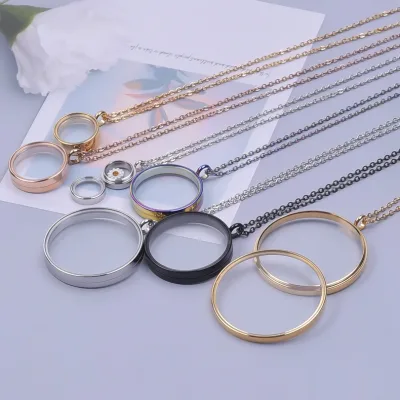
Find 30 Channel Setting Stainless Steel Pendant options for necklace, bracelet, and leather craft applications. Compare silver, gold, and black finishes with OEM/ODM customization and fast lead times.
Key considerations
Products List




Comprehensive Sourcing Guide
Channel Setting Stainless Steel Pendant Sourcing Guide
Sourcing channel setting stainless steel pendants requires a nuanced understanding of both the mechanical integrity of the setting and the metallurgical properties of the base material. Unlike traditional prong settings that rely on individual metal claws to hold gemstones, channel settings encase stones within a narrow groove or channel formed by two parallel walls of metal. This design not only offers a sleek, modern aesthetic but also provides superior protection for the stones, making it ideal for high-wear jewelry items such as necklaces and bracelets. When evaluating suppliers for this specific component, buyers must prioritize manufacturers who demonstrate precision in metal forming and consistent plating quality, as the durability of the channel walls is critical to preventing stone loss over time.
The core material for these pendants is typically stainless steel, chosen for its corrosion resistance, hypoallergenic properties, and cost-effectiveness compared to precious metals. However, the visual appeal often relies on surface treatments such as gold, silver, rose gold, or black plating, which must be applied uniformly to maintain the structural integrity of the channel. Buyers should verify that the supplier utilizes eco-friendly coating processes, as this indicates a commitment to modern environmental standards and reduces the risk of chemical degradation that could compromise the plating adhesion. Understanding the interplay between the stainless steel substrate and the decorative finish is essential for ensuring that the final product meets both aesthetic expectations and functional longevity requirements.
Product Scope and Observed Listing Signals
The market for stainless steel pendants exhibits a wide range of variations in shape, size, and customization options, which can complicate the sourcing process if not carefully managed. Observed listings indicate that products are available in various shapes, including charms, crosses, ovals, and squares, with sizes ranging from small dimensions like 5x7x8mm to larger formats such as 30x27mm. This diversity suggests that suppliers offer extensive customization capabilities, allowing buyers to tailor products to specific design needs. However, the presence of multiple model numbers and standard sizes, such as 20mm, 25mm, 30mm, and 35mm, highlights the importance of clearly defining specifications during the initial inquiry to avoid receiving mismatched inventory.
Customization is a key feature in this category, with many suppliers offering OEM and ODM services to accommodate unique brand requirements. Buyers can often request changes to the stone type, plating color, and even the overall shape, provided they meet the manufacturer’s technical constraints. The observed minimum order quantities (MOQs) vary, with some suppliers requiring as few as one piece for sampling and others setting thresholds at 50 or 100 pieces for production runs. This flexibility allows businesses of all sizes to enter the market, but it also necessitates careful planning to balance inventory costs with the need for product variety. Understanding these listing signals helps buyers identify suppliers who can scale with their business needs while maintaining quality control.
Technical Specifications to Verify
Verifying the technical specifications of channel setting stainless steel pendants is crucial to ensuring that the product meets the intended design and durability standards. Buyers should confirm the exact dimensions of the pendant, including the width, height, and thickness, as these measurements directly impact the final jewelry piece’s fit and appearance. The standard sizes observed in the market, such as 5x7x8mm or 30x27mm, serve as a baseline, but custom dimensions may be required for specific designs. It is essential to request detailed technical drawings or samples to verify that the channel width is sufficient to hold the intended stones securely without excessive play or risk of falling out.
The plating and finish are equally important technical aspects that require rigorous verification. Stainless steel pendants are often plated with gold, silver, rhodium, or black coatings to enhance their visual appeal, and the quality of this plating determines the product’s resistance to fading and tarnishing. Buyers should inquire about the plating thickness and the specific alloy used, as thinner platings are more prone to wear and tear. Additionally, the surface finish, whether polished or matte, should be consistent across all units to maintain a premium look. Confirming that the supplier uses high-quality polishing and casting techniques will help ensure that the pendants have a smooth, defect-free surface that enhances the overall aesthetic of the jewelry.
Compliance and Safety Documentation
Compliance with international safety and environmental standards is a non-negotiable aspect of sourcing stainless steel jewelry components. Buyers must ensure that their suppliers adhere to regulations such as REACH and CE, which govern the use of hazardous substances in consumer products. These certifications indicate that the materials used in the pendants, including the stainless steel and any plating chemicals, are safe for human contact and do not contain prohibited levels of lead, nickel, or other harmful elements. Requesting valid certification documents from the supplier is a critical step in mitigating legal risks and ensuring that the products can be sold in regulated markets without facing customs delays or recalls.
In addition to material safety, buyers should verify that the manufacturing processes comply with environmental standards, particularly regarding the coatings and plating used. Eco-friendly coating processes are increasingly important as consumers and retailers become more conscious of the environmental impact of their supply chains. Suppliers who utilize green chemistry in their plating processes not only reduce their environmental footprint but also often produce higher-quality finishes that are more durable and less likely to cause skin irritation. Confirming these compliance measures helps buyers build a responsible brand image and avoid potential liabilities associated with non-compliant products.
Cost Drivers and Commercial Terms
The cost of channel setting stainless steel pendants is influenced by several factors, including the complexity of the design, the type of plating, and the order volume. Simple shapes with standard sizes typically incur lower production costs due to streamlined manufacturing processes, while custom designs with intricate channel settings or multiple plating layers will be more expensive. Buyers should also consider the cost of raw materials, as fluctuations in stainless steel prices can impact the final quote. Understanding these cost drivers allows buyers to negotiate more effectively and allocate their budget efficiently across different product lines.
Commercial terms, such as minimum order quantities (MOQs) and lead times, play a significant role in the overall procurement strategy. While some suppliers offer low MOQs to accommodate small businesses, larger orders often result in better unit prices and more favorable payment terms. Lead times can vary depending on the complexity of the order and the supplier’s current production schedule, with standard items often available within five days and custom orders taking longer. Buyers should establish clear communication regarding delivery schedules and payment terms to avoid disruptions in their supply chain. Flexibility in these terms can provide a competitive advantage, especially when responding to market trends or seasonal demands.
Supplier Qualification and Quality Control
Qualifying a supplier for channel setting stainless steel pendants involves assessing their manufacturing capabilities, quality control processes, and customer service responsiveness. Buyers should request samples to evaluate the physical quality of the pendants, including the precision of the channel setting, the uniformity of the plating, and the overall finish. It is also important to verify the supplier’s production capacity and their ability to handle large orders without compromising quality. Suppliers with established quality control protocols, such as in-process inspections and final random checks, are more likely to deliver consistent products that meet buyer expectations.
In addition to technical capabilities, buyers should assess the supplier’s commitment to customer service and after-sales support. A reliable supplier will be responsive to inquiries, provide timely updates on production status, and address any issues that arise during the manufacturing process. Suppliers who offer OEM and ODM services demonstrate a level of flexibility and expertise that can be valuable for buyers looking to create unique products. Building a strong relationship with a qualified supplier can lead to better pricing, priority production, and collaborative innovation, ultimately enhancing the buyer’s competitive position in the market.
Long-Term Procurement Checks
Long-term procurement success with channel setting stainless steel pendants requires ongoing monitoring of supplier performance and market trends. Buyers should regularly review supplier metrics, such as on-time delivery rates, defect rates, and responsiveness to issues, to ensure that the partnership remains beneficial. Periodic audits of the supplier’s facilities and quality control processes can help identify potential risks and areas for improvement before they impact the supply chain. Maintaining open communication with the supplier and providing constructive feedback can foster a collaborative relationship that drives continuous improvement.
Additionally, buyers should stay informed about changes in material costs, regulatory requirements, and consumer preferences that may affect the sourcing strategy. The jewelry market is dynamic, with trends shifting rapidly in terms of design, color, and material preferences. By staying agile and adaptable, buyers can adjust their procurement strategies to meet changing demands and maintain a competitive edge. Regularly evaluating the product portfolio and exploring new supplier options can also help mitigate risks and ensure a diverse and resilient supply chain. Ultimately, a proactive approach to long-term procurement management is essential for sustaining growth and profitability in the stainless steel jewelry sector.
FAQs
What customization options are available for these pendants?
Customization is available for these stainless steel pendants, allowing buyers to request specific designs or modifications. The product page confirms that OEM and ODM services are accepted, enabling tailored solutions for various jewelry applications like necklaces and bracelets.
Which plating finishes can be selected for the pendants?
The pendants offer multiple plating options including silver, gold, black, rose gold, gunmetal, and rhodium. Buyers can choose from these colors to match their fashion needs, with the option to change stones as well for a customized look.
How long is the lead time for production and delivery?
The standard lead time for these items is five days, ensuring fast delivery for urgent orders. This quick turnaround supports efficient supply chains while maintaining high quality and polished finishes on the stainless steel material used for the pendants.
What is the minimum order quantity required for purchase?
The minimum order quantity is 50 pieces for these stainless steel pendants. This MOQ applies to the fashion charms and pendants available in various shapes like oval, square, and cross, suitable for engagement gifts and wedding occasions.
Can the pendants be used for leather craft applications?
Yes, these pendants are designed for use in leather craft applications in addition to necklaces and bracelets. Their durable stainless steel construction and polished outside finish make them suitable for various jewelry types including charms and pendants for different occasions.
What packaging methods are used for the pendants?
Packaging options include one piece per bag, PP bags, or OPP bags depending on the specific product model. This ensures safe transport and presentation for the stainless steel pendants while maintaining their high-quality appearance for retail or wholesale distribution.