Source Channel Setting Catholic Rosary for gifts, collections, and promotions
Compare 30 Channel Setting Catholic Rosary options from verified suppliers in Zhejiang, China. Buyers can evaluate materials like silver and wood, customization features, and pricing to find suitable items for religious gifts, personal collections, or promotional campaigns.
Key considerations
Products List


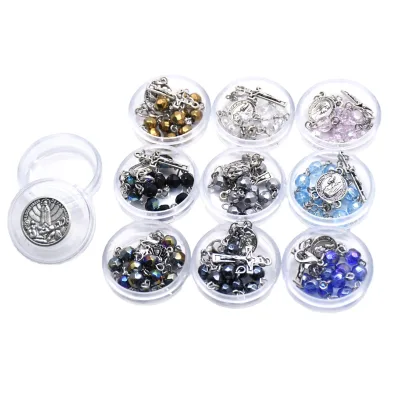


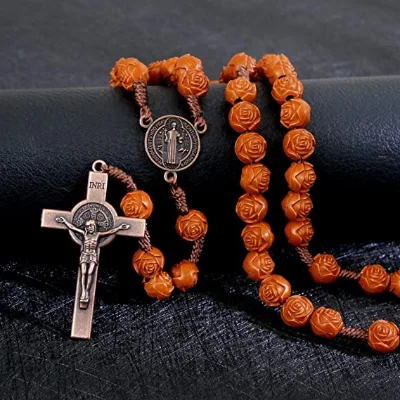
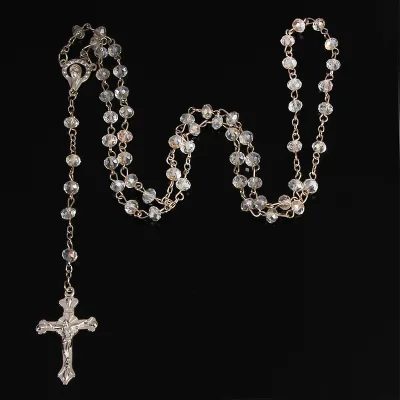

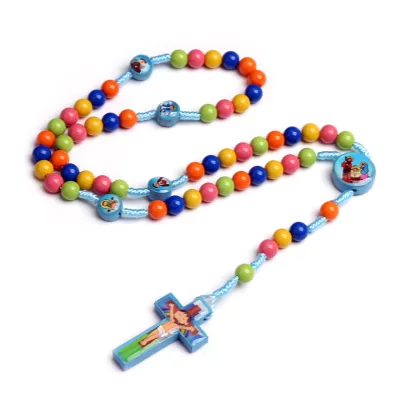
Comprehensive Sourcing Guide
Channel Setting Catholic Rosary Sourcing Guide
Sourcing channel setting catholic rosaries requires a nuanced understanding of both traditional religious craftsmanship and modern jewelry manufacturing techniques. The term "channel setting" typically refers to a method where gemstones or decorative elements are set into a narrow groove or channel within a metal band, offering a smooth, secure, and elegant finish that is highly valued in high-end religious jewelry. However, the current market landscape for catholic rosaries is diverse, ranging from mass-produced wooden and epoxy items to intricate metal pieces featuring hard enamel and silver plating. Buyers must carefully distinguish between products that utilize actual channel setting techniques for stone placement and those that merely feature cross or religious motifs on metal bases. The core keyword suggests a focus on precision metalwork, yet observed listings reveal a significant volume of products categorized under "wooden epoxy rosary" or "metal" with "digital printing" and "painted" techniques. This divergence necessitates a rigorous verification process to ensure the sourced items align with the specific aesthetic and structural expectations of channel setting, particularly if the goal is to produce premium collectible items or high-value promotional gifts.
The procurement strategy for these items must account for the wide variety of materials and design themes currently available from suppliers, primarily located in Zhejiang, China. While the ideal channel setting rosary would feature precious metals and securely set stones, the observed data indicates a market dominated by customizable options such as "silver-plated" metal crosses, "hard enamel" applications, and even "wooden" bases with epoxy finishes. Buyers interested in the traditional channel setting aesthetic must explicitly define their requirements for metal purity, plating thickness, and stone setting methods, as many suppliers offer "customized logo" and "customized shape" services that may default to simpler casting or printing techniques. Furthermore, the usage of these rosaries varies significantly, with some listed as "collectible" items and others as "promotion gifts" or general "necklace" accessories. This distinction impacts the quality control standards required, as collectible items demand higher durability and aesthetic precision compared to promotional items where cost-efficiency and rapid production are prioritized. Understanding these market signals is crucial for aligning supplier capabilities with the intended end-use of the final product.
Product Scope and Observed Listing Signals
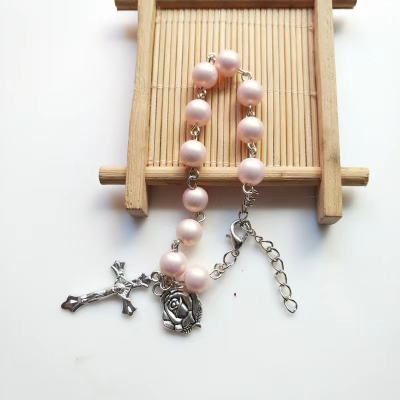
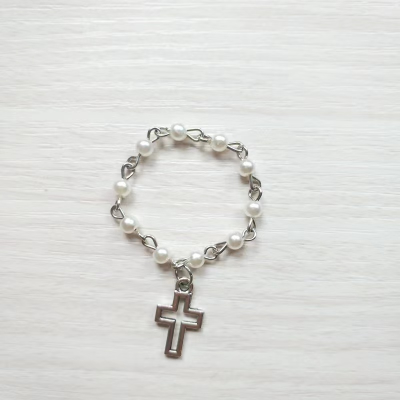
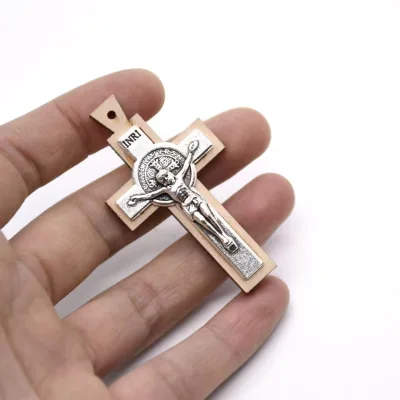
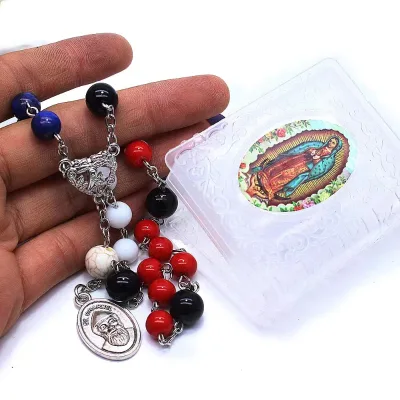
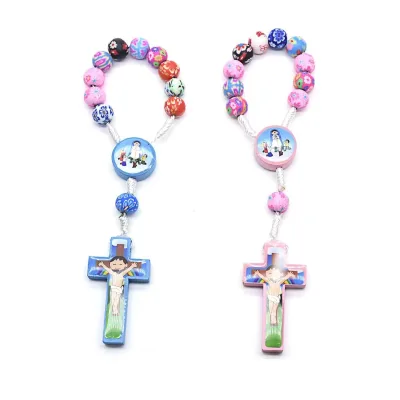
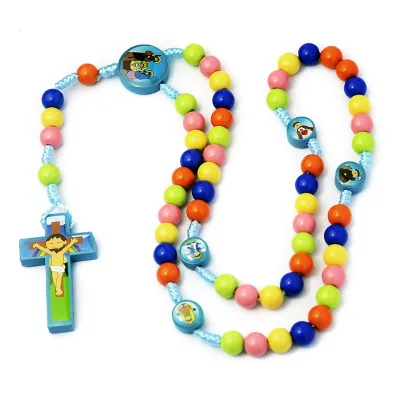
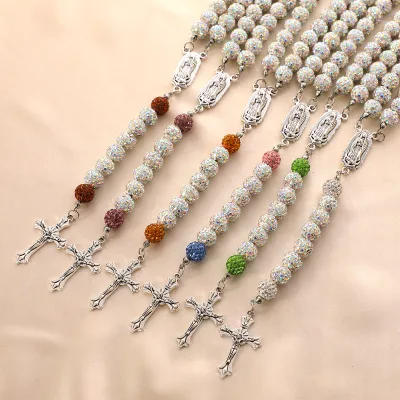
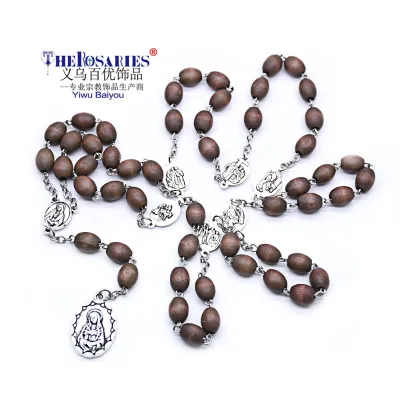
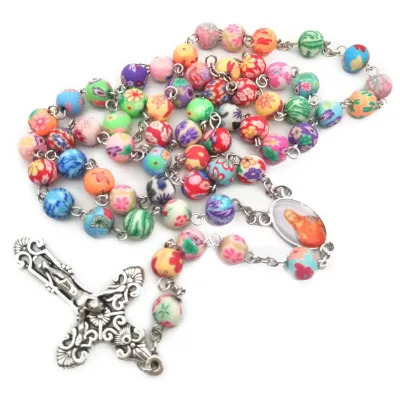
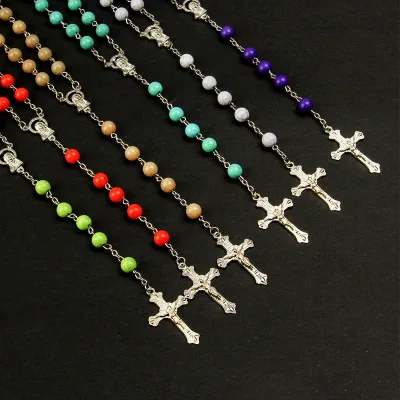
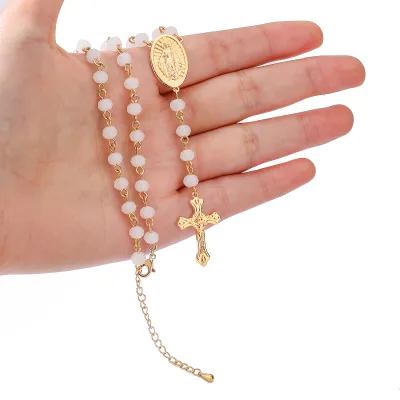
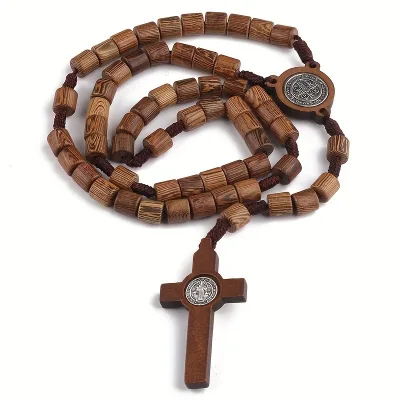
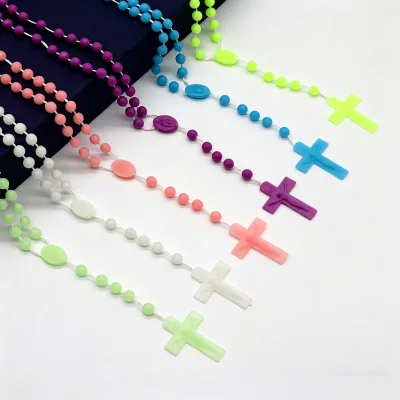
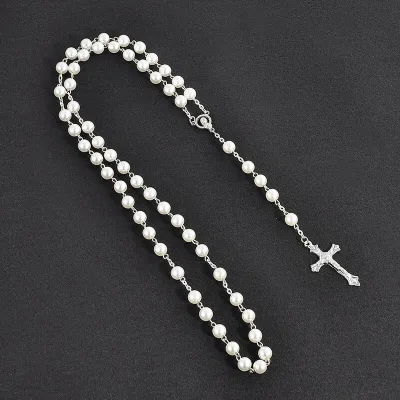
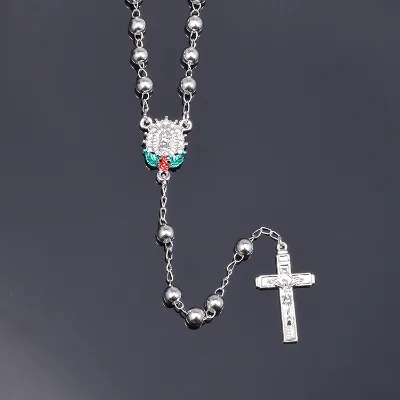
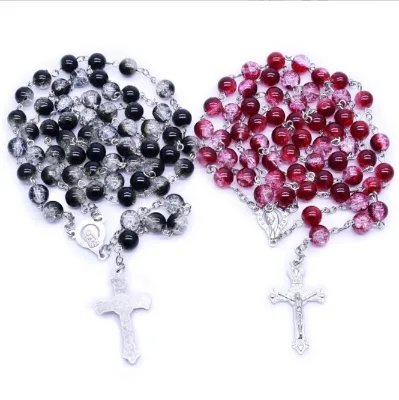
The product scope for catholic rosaries in the current market is broad, encompassing items made from wood, metal, and composite materials like epoxy. Observed listings highlight a strong presence of "wooden epoxy rosary" products, which are often marketed with "eco-friendly" features and "painted" techniques. These items typically feature a "cross" theme and are available in multiple colors, ranging from one to five distinct options. The physical dimensions of these wooden items can vary, with some models measuring 18cm in length and others offering customized sizes. The packaging for these items often involves simple "opp bag" solutions, indicating a focus on cost-effective shipping for bulk orders. For buyers seeking traditional metal rosaries, the scope expands to include "silver-plated" metal crosses with "hard enamel" details. These items are often smaller, with specific dimensions such as 4.8*2.6cm, and are designed for use as necklaces or promotional gifts. The presence of "digital printing" and "plated" techniques in these listings suggests that many suppliers are leveraging modern manufacturing methods to achieve detailed religious iconography at a lower cost point.
Signal analysis of the current listings reveals a mix of standard and customized product attributes that buyers must navigate. Many suppliers offer "customized size" and "customized shape" options, allowing for significant flexibility in design. However, this customization often comes with higher Minimum Order Quantities (MOQs), which can range from 2 to 10,000 pieces depending on the complexity of the design and the material used. The observed price range for these items is relatively low, spanning from 0.1 to 4.2 USD, which suggests that most products are positioned in the mid-to-low tier of the market. This pricing structure is consistent with items that are mass-produced using techniques like die-struck metalwork or injection-molded epoxy. Buyers looking for true channel setting, which typically involves higher labor costs and more expensive materials, may find that the majority of listed products do not meet their technical requirements. Therefore, it is essential to scrutinize the "technique" and "material" fields in supplier catalogs to identify those capable of delivering the specific structural integrity and aesthetic finish associated with channel setting.
Technical Specifications to Verify
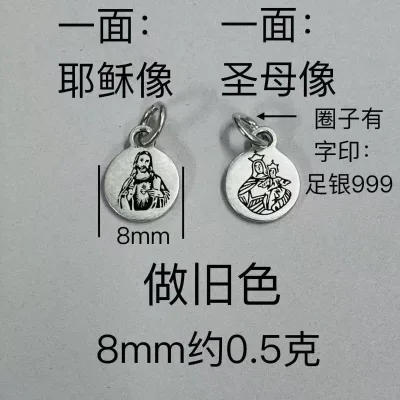
When evaluating potential suppliers for channel setting catholic rosaries, verifying the technical specifications is paramount to ensuring product quality and durability. Buyers should request detailed technical drawings or samples to confirm the presence of actual channel setting, where stones or decorative elements are held in place by the walls of a metal channel, rather than being glued or printed onto the surface. For metal rosaries, the "plating" specification is critical; while many listings mention "silver-plated" finishes, the thickness of the plating and the base metal composition (e.g., brass, copper, or stainless steel) must be verified to prevent tarnishing and skin irritation. The "enamel type" is another key specification, with "hard enamel" offering a more durable and glossy finish compared to soft enamel or printed alternatives. Buyers should also verify the "single gross weight" and "single package size" to ensure that the product meets their logistical requirements and that the weight is consistent with the claimed material density. For wooden or epoxy rosaries, the "painting" technique and the quality of the epoxy resin should be assessed for clarity, color consistency, and resistance to chipping or yellowing over time.
Dimensional accuracy and structural integrity are additional technical factors that require close attention. The "model number" provided by suppliers, such as "IW-PR-36" or "P8-R-0044," serves as a reference point, but buyers should not rely solely on these identifiers. Instead, they should request precise measurements for the length of the rosary beads, the size of the cross pendant, and the thickness of the metal components. For items described as having a "customized size," buyers must establish clear tolerances for these dimensions to ensure consistency across the production batch. The "supply ability" of the supplier, often listed as 10,000 pieces per day or week, should be cross-referenced with the complexity of the channel setting process to ensure that the supplier can meet demand without compromising quality. Additionally, the "port of dispatch," typically Shanghai or Ningbo for suppliers in Zhejiang, China, should be considered in the context of lead times and shipping costs. Buyers should also verify the "packaging details," such as the use of "opp bags" or more protective packaging for delicate metal items, to prevent damage during transit.
Compliance and Safety Documentation
Compliance and safety documentation are essential components of the sourcing process, particularly for religious jewelry that comes into direct contact with the skin. Buyers must ensure that all metal components, including silver-plated crosses and chains, comply with relevant heavy metal regulations, such as restrictions on lead, cadmium, and nickel release. While specific certification statuses are not provided in the current listings, buyers should request test reports from accredited laboratories to verify that the products meet international safety standards for jewelry. For wooden or epoxy rosaries, buyers should inquire about the materials used in the production process, ensuring that the wood is sourced sustainably and that the epoxy resin is free from harmful volatile organic compounds (VOCs). The "eco-friendly" claims made by some suppliers should be substantiated with appropriate documentation, such as FSC certification for wood or RoHS compliance for electronic components, if any are present.
In addition to material safety, buyers should verify that the suppliers adhere to ethical labor practices and environmental regulations in their manufacturing facilities. This is particularly important for suppliers in Zhejiang, China, where environmental regulations can vary. Buyers should request information on the supplier's quality management systems and any relevant environmental certifications. The "quality" attribute listed as "enviromental" in some listings suggests a focus on sustainable practices, but this should be confirmed through direct communication with the supplier. Buyers should also ensure that the products are labeled correctly, with accurate information about the material composition, country of origin, and any care instructions. Proper labeling is not only a legal requirement in many markets but also helps build trust with end consumers who are increasingly concerned about the ethical and environmental impact of their purchases. By prioritizing compliance and safety documentation, buyers can mitigate risks and ensure that their products meet the expectations of discerning customers.
Cost Drivers and Commercial Terms
The cost of channel setting catholic rosaries is influenced by several key factors, including the choice of materials, the complexity of the design, and the volume of the order. For metal rosaries, the cost of silver plating and the base metal used are significant drivers, with higher-quality plating and precious metal bases commanding higher prices. The "channel setting" technique itself adds to the cost due to the labor-intensive nature of setting stones or decorative elements into the metal channels. For wooden or epoxy rosaries, the cost is primarily driven by the material quality and the finishing techniques, such as painting or digital printing. The "customized logo" and "customized shape" options often incur additional setup fees and higher MOQs, which can increase the per-unit cost for smaller orders. Buyers should negotiate clearly on these variables to ensure that they receive the best possible value for their investment.
Commercial terms, including MOQs, lead times, and payment terms, also play a crucial role in the overall cost structure. The observed MOQ range of 2 to 10,000 pieces indicates that suppliers are flexible, but higher volumes typically result in lower per-unit costs. Buyers should leverage this flexibility to negotiate favorable terms, such as reduced MOQs for initial trial orders or volume discounts for larger commitments. Lead times can vary depending on the complexity of the design and the supplier's current production schedule, so it is important to establish clear timelines and penalties for delays. Payment terms should be structured to protect the buyer's interests, with options such as partial upfront payment and balance upon shipment or inspection. Additionally, buyers should consider the total landed cost, including shipping, customs duties, and insurance, when evaluating supplier quotes. By carefully managing these cost drivers and commercial terms, buyers can optimize their procurement strategy and achieve their budgetary goals.
Supplier Qualification and Quality Control
Supplier qualification is a critical step in the sourcing process, ensuring that the chosen partner has the capability and reliability to deliver high-quality channel setting catholic rosaries. Buyers should conduct thorough due diligence on potential suppliers, verifying their business licenses, manufacturing capabilities, and past performance. For suppliers in Zhejiang, China, buyers should consider visiting the facilities or hiring third-party inspection services to assess the production environment and quality control processes. The "supply ability" of 10,000 pieces per day or week is a positive indicator, but buyers should verify that this capacity is sustainable and does not compromise quality. Suppliers should also have a robust quality management system in place, with clear procedures for inspecting raw materials, monitoring production processes, and testing finished products.
Quality control measures should be implemented at every stage of the production process, from material receipt to final packaging. Buyers should establish clear quality standards and acceptance criteria, including specifications for dimensions, weight, plating thickness, and aesthetic finish. Regular inspections, such as pre-production, during-production, and pre-shipment inspections, can help identify and address issues early in the process. For channel setting rosaries, special attention should be paid to the security of the stone settings and the
FAQs
What is the minimum order quantity for these rosaries?
The minimum order quantity is 1000 pieces for the Woden Products wooden epoxy rosary. Some listings indicate a flexible range from 2 to 10000 pieces depending on the specific supplier and customization requirements.
Where are these catholic rosary products manufactured?
These products originate from Zhejiang, China. The supply chain is established in this region, which is a known hub for manufacturing religious decorations and metal-plated items.
Can I request a customized logo on the rosary?
Yes, you can request a customized logo on the product. The listing explicitly states that logo customization is available for the wooden epoxy rosary and other metal-plated variants.
What materials are used to make these rosaries?
Materials include wood for the epoxy rosary and silver or metal for the plated versions. Some items feature silver plating and are described as eco-friendly or environmentally safe.
How are these rosaries packaged for shipment?
The standard packaging details specify an opp bag for individual items. The single package size varies, with some listed at 35x35x30 cm and others at 15x10x5 cm depending on the model.
What is the typical supply capacity for these items?
The supply ability is listed as 10000 pieces per day or 10000 pieces per week. This capacity supports bulk orders for promotional gifts and collectible religious items.
Are these rosaries suitable for use as promotional gifts?
Yes, these items are explicitly listed for use as promotion gifts. They are designed as collectibles with customizable features like logos and shapes to suit various marketing needs.