Source Charantin Bitter Melon Extract Powder for Health Food, Capsule, and Paste
Find 30 listings for Charantin Bitter Melon Extract Powder with specifications like 10:1 and 20:1 ratios. Buyers can compare attributes including particle size, packaging, and certifications such as HACCP and ISO for functional food applications.
Key considerations
Products List




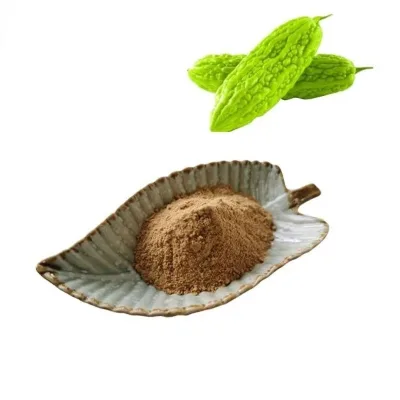


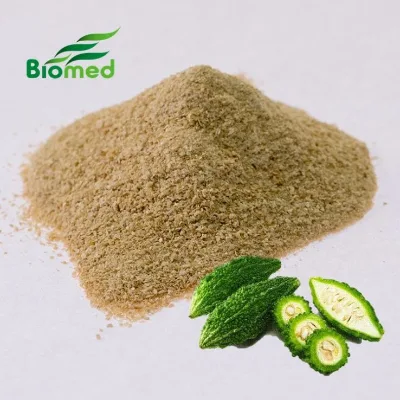
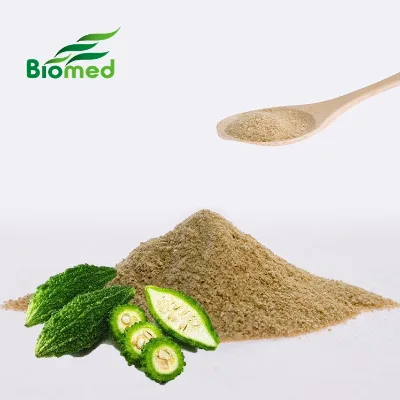
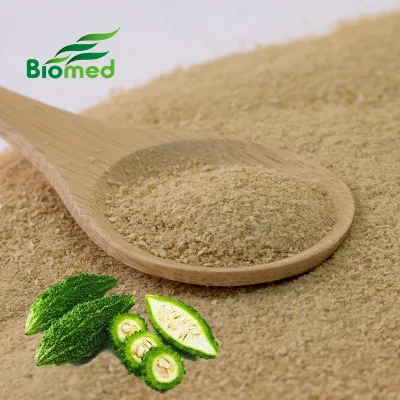
Rainwood Hot Selling Natural High Quality Bitter Melon Extract Powder for Sale
$193.38 - $254.45
MOQ: 10 Minimum
Comprehensive Sourcing Guide
Strategic Sourcing Guide for Charantin Bitter Melon Extract Powder
Procuring high-quality bitter melon fruit extract powder enriched with charantin requires a disciplined approach that balances botanical authenticity with rigorous industrial specifications. For buyers in the functional food, health supplement, and nutraceutical sectors, the core keyword "Charantin Bitter Melon Extract Powder" represents a specific niche where the concentration of the active ingredient, Charantin, dictates the product's efficacy and market value. This guide synthesizes observed market data and technical parameters to assist procurement professionals in navigating the supply chain without relying on unverified claims or speculative data. The focus remains on observable attributes, verified specifications, and the structural requirements for a compliant supply chain.
Technical Specifications and Physical Attributes
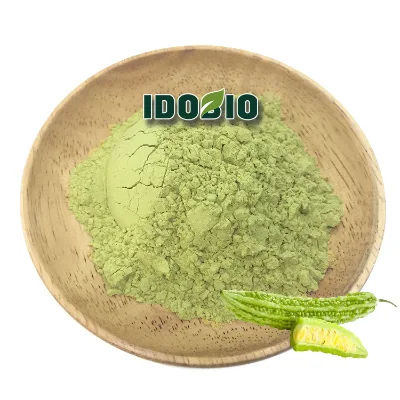
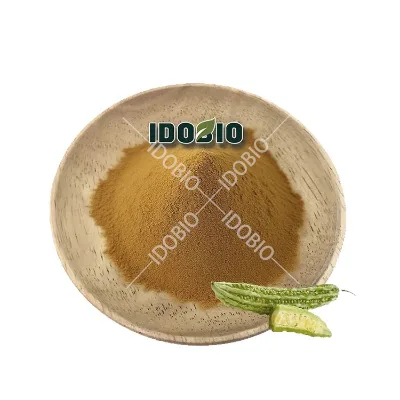
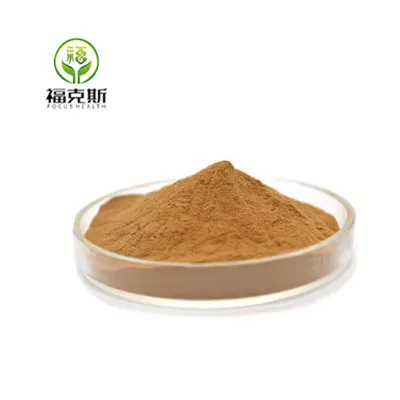
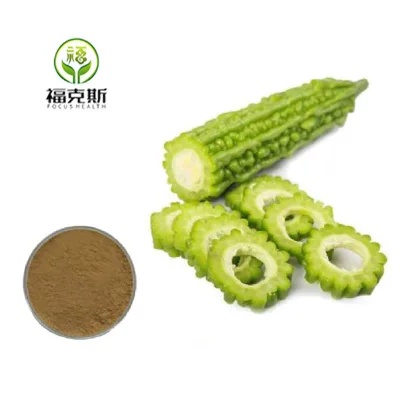
The foundation of any successful procurement strategy lies in the precise definition of technical specifications. Based on available market data, bitter melon extract powder is consistently characterized by its physical form and appearance. The product is typically observed as a brown or yellow fine powder, with a particle size that generally passes through an 80-mesh sieve. However, variations exist in the market, with some specifications listing a broader range of 80 to 200 mesh. Buyers must verify the exact mesh size required for their specific application, whether it is for direct encapsulation or incorporation into liquid formulations.
The extraction ratio is a critical differentiator in this category. The market frequently lists specifications such as 10:1 and 20:1, indicating the amount of raw fruit required to produce one unit of extract. A 10:1 ratio suggests a less concentrated product, while a 20:1 ratio implies a higher concentration of active compounds. Furthermore, the potency of the extract is often defined by the percentage of Charantin. Common listings indicate a specification of 10% Charantin, which serves as a benchmark for quality. Buyers should explicitly request the assay method used to determine this percentage, as the market data highlights both UV and HPLC (High-Performance Liquid Chromatography) as potential testing methods. HPLC is generally considered the gold standard for botanical purity, and verifying the method used is essential for ensuring accurate potency claims.
Compliance, Certification, and Regulatory Standards
In the global trade of herbal extracts, certification serves as a primary indicator of supplier reliability and product safety. The supply chain for bitter melon extract typically involves manufacturers who hold certifications such as HACCP, ISO, and BRC. These standards address food safety management, quality control systems, and specific requirements for the food industry. When evaluating potential suppliers, buyers should not assume that all listed products automatically possess these certifications; rather, they must request valid, up-to-date certificates that cover the specific facility producing the extract.
The origin of the raw material is another compliance factor. The majority of the observed supply originates from Shaanxi, China, a region known for its agricultural output. The cultivation method is noted as artificial planting, which allows for controlled growing conditions but requires verification of pesticide and heavy metal limits. Buyers must ensure that the supplier adheres to the regulatory standards of the destination market, whether it be the United States, the European Union, or Asia. While the provided data confirms the existence of these certifications, the specific version of the ISO standard (e.g., ISO 22000) or the scope of the BRC certification must be confirmed on a case-by-case basis to ensure they align with the buyer's regulatory requirements.
Cost Drivers and Pricing Structures
Understanding the cost structure of charantin bitter melon extract is vital for budgeting and negotiation. The observed price range in the market spans from $0.50 to $500 USD, a variance that reflects differences in concentration, purity, packaging, and order volume. The primary cost driver is the extraction ratio and the Charantin content. A 20:1 extract with 10% Charantin will inherently cost more per kilogram than a 10:1 extract with lower potency due to the higher volume of raw material required and the more intensive processing involved.
Packaging also influences the final cost. The standard packaging for bulk orders is the drum, often with a capacity of 25 kilograms per drum. However, smaller quantities may be available in bags or vacuum-packed containers. The single package size varies, with observations of 23x23x23 cm drums and smaller 10x15x15 cm containers. Buyers should consider the logistics of their supply chain; larger drums reduce per-unit shipping costs but increase inventory holding requirements. Additionally, the Minimum Order Quantity (MOQ) is a significant factor. Market data indicates an MOQ range from 1 kg to 1000 kg, with 1 kg being a common entry point for sample or small-batch testing. Negotiating the MOQ is often the first step in securing a favorable price, as suppliers are more likely to offer competitive rates for orders that fill a standard drum or container.
Typical Applications and Formulation Compatibility
The versatility of bitter melon extract powder makes it suitable for a wide array of applications, primarily within the health food and health care product sectors. The active ingredient, Charantin, is the key value proposition for these applications, often marketed for its potential blood sugar management properties. The extract is compatible with various application forms, including capsules, pastes, and direct food fortification.
The following table outlines the common application forms and their corresponding requirements for the extract powder:
| Application Form | Key Requirement | Typical Use Case |
|---|---|---|
| Capsules | Fine powder, 80-200 mesh, low moisture | Dietary supplements, daily health maintenance |
| Pastes | Solvent extraction residue, specific viscosity | Functional foods, beverages, gummies |
| Bulk Food Ingredient | High purity, HACCP/ISO certified | Fortified snacks, beverages, meal replacements |
| Health Care Products | Verified Charantin assay, HPLC testing | Therapeutic supplements, specialized diets |
Buyers must ensure that the extraction solvent used aligns with the intended application. The data indicates "Solvent Extraction" as the standard method, but the type of solvent (e.g., ethanol, water) and the residual solvent limits must be verified to meet food-grade standards. The product is classified under "Functional foods" and "Health products," which implies that the final formulation must comply with labeling and ingredient disclosure regulations in the target market.
Supplier Evaluation and Quality Control
Evaluating a supplier for charantin bitter melon extract requires a multi-layered approach that goes beyond surface-level marketing. The first step is verifying the supplier's ability to provide consistent quality over time. The shelf life of the product is typically listed as 24 months or 2 years, provided it is stored in a cool, dry place. Buyers should inquire about the specific storage conditions required to maintain the stability of the Charantin content over this period.
Quality control protocols are paramount. The assay method is a critical point of verification. While UV spectroscopy is mentioned in some listings, HPLC is the preferred method for quantifying specific botanical markers like Charantin. Buyers should request a Certificate of Analysis (CoA) for every batch, which must include the results of the HPLC test, microbial limits, and heavy metal screening. The "Customization" attribute observed in the market suggests that suppliers may offer tailored specifications, such as specific mesh sizes or adjusted extraction ratios. However, customization often comes with higher MOQs and longer lead times, which must be factored into the procurement timeline.
When assessing suppliers, buyers should look for evidence of a robust quality management system. The presence of BRC, ISO, and HACCP certifications is a strong indicator, but the scope of these certifications must be current and relevant to the specific product line. Additionally, the availability of samples is a standard practice in the industry, allowing buyers to conduct their own internal testing before committing to a large order. The sample availability should be confirmed as a prerequisite for the final selection process.
Long-Term Procurement and Supply Chain Stability
Sourcing Charantin Bitter Melon Extract Powder is not merely a transactional activity but a strategic partnership that requires long-term planning. The seasonality of the raw material is a factor to consider, although the data indicates that the product is available "All Seasons," likely due to the use of artificial planting and storage capabilities. This suggests a stable supply chain, but buyers should still monitor the agricultural cycles in Shaanxi, China, to anticipate potential fluctuations in raw material quality or availability.
Inventory management is another critical aspect. With a single gross weight of approximately 1.5 kg for smaller packages and 25 kg for drums, buyers must calculate their storage capacity and turnover rates. The "Single package size" and "prod_packing" details provided in the market data highlight the need for precise logistics planning. For long-term contracts, buyers should negotiate terms that include fixed pricing for a defined period or mechanisms for price adjustment based on raw material market indices.
Furthermore, the potential for product degradation over time necessitates a strict "First-In, First-Out" (FIFO) inventory system. The storage requirement of a "Cool Dry Place" must be strictly maintained in the buyer's warehouse to ensure the product remains within its 24-month shelf life. Regular audits of the storage environment and periodic re-testing of stock are recommended to maintain product integrity. By focusing on these long-term considerations, buyers can mitigate risks associated with supply chain disruptions and ensure a consistent supply of high-quality Charantin Bitter Melon Extract Powder for their operations.
FAQs
What is the typical appearance of Charantin Bitter Melon Extract Powder?
The product typically appears as a brown or yellow fine powder. It is often observed passing through an 80-mesh sieve, though some specifications allow for a range up to 200 mesh depending on the extraction ratio and intended application form.
Which certifications do manufacturers of this extract usually hold?
Suppliers commonly hold HACCP, ISO, and BRC certifications to ensure food safety and quality control. Buyers should verify that these certificates are current and cover the specific facility producing the extract before placing any orders.
How is the potency of charantin measured in the extract?
Potency is measured using assay methods such as UV or HPLC testing. HPLC is generally preferred for quantifying specific botanical markers like Charantin, and buyers should request a Certificate of Analysis to confirm the specific percentage used.
What is the standard packaging format for bulk orders?
Bulk orders are typically packaged in drums with a capacity of 25 kilograms per drum. Smaller quantities may be available in bags or vacuum-packed containers, with single package sizes varying based on the supplier's logistics setup.
Can buyers customize the extraction ratio and mesh size?
Yes, customization is available for specific extraction ratios like 10:1 or 20:1 and mesh sizes. However, custom specifications often require higher minimum order quantities and may result in longer lead times compared to standard stock items.
What is the shelf life and storage requirement for this powder?
The product has a shelf life of 24 months or two years when stored correctly. It must be kept in a cool, dry place to maintain the stability of the active ingredient Charantin and prevent degradation over time.