Source Channel Setting Brass Hoop Ring for jewelry, fashion, and gifts
Explore 30 listings for a Channel Setting Brass Hoop Ring, comparing options in silver, gold, and alloy finishes. Buyers can evaluate designs ranging from vintage to fashion styles with customization available for various applications.
Key considerations
Products List
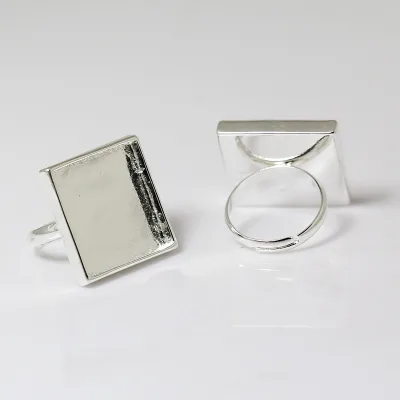
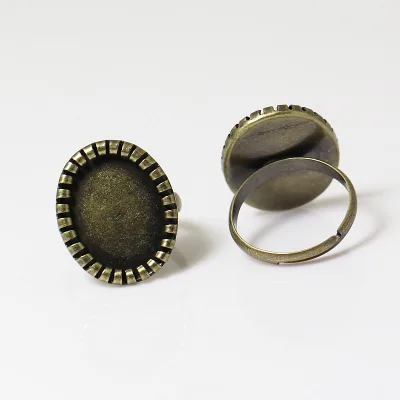
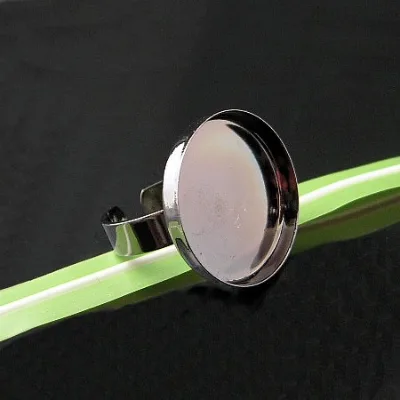
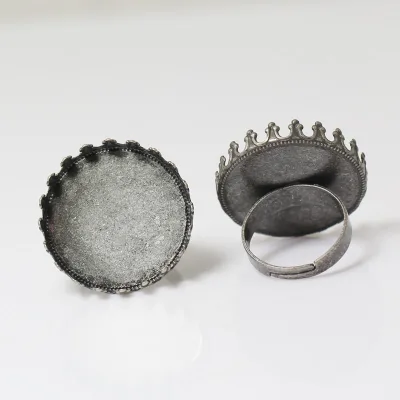




Comprehensive Sourcing Guide
Strategic Sourcing Guide for Channel Setting Brass Hoop Rings
Understanding Product Definitions and Material Composition
The core keyword "Channel Setting Brass Hoop Ring" describes a specific category of jewelry components that combines structural design with material properties. In the context of B2B procurement, it is essential to distinguish between the primary material and the plating or finishing layers. The supplied data indicates that while "Alloy" and "Brass" are frequently cited as base materials for such items, the product attributes also list "Silver," "Gold," "Platina," and "Stainless Steel" as potential main materials depending on the specific supplier's offering. For a brass hoop ring, the buyer must verify if the core is solid brass or if the item is an alloy base with a brass-tone electroplating finish. The fabrication processing method listed as "Electroplating" suggests that many of these rings may start as a base metal like brass or alloy and receive a surface treatment to achieve the desired color and durability.
The design characteristics are equally critical. The observed attributes include "Vintage," "Fashion," and "Cute" styles, alongside specific shapes like "Round" and "Oval." The "Channel Setting" aspect refers to a specific jewelry technique where stones or crystals are set into a channel cut into the metal, rather than being prong-set. While the provided data explicitly mentions "Inlaid Ring" and "Zircon Crystal Rings," it does not explicitly confirm that every brass hoop ring utilizes channel setting. Therefore, the buyer must treat "channel setting" as a specific design requirement to be verified against the supplier's catalog, rather than a universal feature of all brass hoop rings. The product models listed, such as "Golden Hoop Ring-094M" and "Gold-Plated Ring-074B," illustrate the variety in naming conventions, which often reflect the finish rather than the base material.
Technical Specifications and Manufacturing Processes
When evaluating the technical specifications of channel setting brass hoop rings, the manufacturing process is the primary determinant of quality. The supplied facts highlight "Electroplating" as a standard fabrication process, which is crucial for achieving the final aesthetic and corrosion resistance. Additionally, the data mentions "Machining Center" and "Polishing" as surface preparation steps, indicating that precision machining is involved in creating the channels for the settings. The "Casting Surface Quality Level" is noted with certifications like "ISO 9001:CE," suggesting that high-quality casting methods are available, though the specific casting technique (e.g., die casting) is more commonly associated with hardware applications like "Cold Chamber Die Casting Machine" mentioned in the context of metal processing machinery.
The dimensional specifications are vital for bulk procurement. The observed "Ring Size" is listed as "5," which may represent a standard size in a specific market or a sample measurement, but buyers should not assume this is the universal standard. The "Tolerance Grade" of "6" is referenced in the context of metal processing, which implies a need for strict dimensional control to ensure the channel setting fits stones or crystals securely. The "Die Casting Method" of "Soluble Die Casting" is also noted, which could be relevant for complex shapes but requires verification for jewelry applications. The "Pressure Chamber Structure" being "Vertical" and the "Machining Center" availability suggest that suppliers have the capacity for high-precision manufacturing, which is essential for the intricate work required in channel setting.
Compliance, Certification, and Regulatory Standards
Navigating the compliance landscape for brass jewelry requires a thorough understanding of the certifications and standards that apply to the product. The supplied data lists several certifications, including "ISOGS," "RoHS," "CE," and "ISO 9001." These are critical indicators of a supplier's adherence to international quality and safety standards. "RoHS" (Restriction of Hazardous Substances) is particularly important for jewelry containing metals, as it ensures the product does not exceed limits on hazardous materials like lead and cadmium. "CE" marking indicates conformity with health, safety, and environmental protection standards for products sold within the European Economic Area.
The "Standard" section of the data references "JIS," "GB," "ASTM," and "DIN," which are major international and national standards organizations. While these are listed, the specific application to jewelry channel setting rings must be confirmed. The "Cartification" standard is noted as "ISO 9001," which is a quality management standard, ensuring that the supplier has a consistent process for quality control. However, the data also mentions "Customized" standards, meaning that some suppliers may produce according to "The Customer's Requirement" rather than a fixed industry standard. Buyers must verify if the supplier can provide test reports for heavy metals and nickel release, as these are common regulatory requirements for jewelry in many markets. The "Condition" of the product is listed as "New," which is a basic expectation but should be explicitly confirmed in the contract to avoid receiving refurbished or stock items.
Cost Drivers and Pricing Dynamics
The pricing for channel setting brass hoop rings is influenced by a complex interplay of material costs, labor intensity, and customization levels. The observed price range in the data spans from $0.10 to $61.47 USD, a significant variance that reflects differences in material purity, design complexity, and order volume. The lower end of the spectrum likely corresponds to simple alloy or brass pieces with basic electroplating, while the higher end may involve 925 Sterling Silver, intricate channel settings with zircon crystals, or custom designs. The "Material" attribute lists "925 Sterling Silver" alongside "Alloy" and "Brass," indicating that the base metal choice is a primary cost driver.
Minimum Order Quantity (MOQ) is another critical factor affecting the unit cost. The observed MOQ range is 1 to 3000 units. Suppliers offering an MOQ of 1 are likely catering to sample orders or small boutiques, whereas those requiring 3000 units are targeting large-scale manufacturers. The "Customization" attribute is marked as "Available" for some products but "Non-Customized" for others. Customization, such as adding a "Customized Logo" or altering the "Ring Size," typically increases the unit price due to the setup costs and specialized labor involved. The "OEM" (Original Equipment Manufacturer) status is listed as "Yes," suggesting that many suppliers are willing to produce private label goods, which often involves additional costs for branding and packaging. Buyers should negotiate based on the volume they can commit to, as higher volumes generally secure lower unit prices within the observed range.
Supplier Evaluation and Operational Capabilities
Evaluating potential suppliers for channel setting brass hoop rings requires a deep dive into their operational capabilities and geographical location. The data indicates that the "Place of Origin" is "Guangdong, China," a region known for its robust manufacturing ecosystem and jewelry production. This location suggests a high concentration of suppliers with access to raw materials and skilled labor. The "Application" of the products is listed as "Decoration" and "Gift," but also includes "Hardware" and "Metal Processing Machinery Parts," which indicates that some suppliers may have dual capabilities in jewelry and industrial metalwork. This versatility can be a double-edged sword; while it suggests technical proficiency, buyers must ensure the supplier prioritizes jewelry quality over industrial tolerances.
The "Fabrication Processing" and "Surface Preparation" capabilities are key indicators of a supplier's ability to deliver high-quality channel settings. The presence of "Machining Center" and "Polishing" processes suggests that the supplier can handle the precision work required for channel setting. However, the mention of "Die Casting Machine Type: Cold Chamber Die Casting Machine" and "Pressure Chamber Structure: Vertical" points to heavy industrial capabilities that may not be directly relevant to delicate jewelry unless the supplier has specific jewelry casting lines. Buyers should request evidence of their jewelry-specific production lines and ask for samples that demonstrate the precision of the channel setting. The "Customization" availability and "OEM" status further confirm that the supplier is equipped to handle bespoke orders, but the "Non-Customized" attribute in some entries suggests that not all suppliers offer this flexibility.
Quality Control and Long-Term Procurement Strategy
Implementing a robust quality control (QC) strategy is essential for maintaining the integrity of channel setting brass hoop rings. The "Quality" attribute is listed as "Best," but this is a subjective claim that must be validated through objective testing. The "Casting Surface Quality Level" with "ISO 9001:CE" certification provides a baseline for quality management, but buyers should also request specific test results for plating thickness, adhesion, and color fastness. The "Surface Preparation" step of "Polishing" is critical for the final appearance, and any defects in this stage can compromise the aesthetic value of the ring.
For long-term procurement, the "Standard" of "According to The Customer's Requirment" highlights the importance of clear communication and detailed specifications. Buyers should establish a comprehensive quality agreement that defines acceptable tolerances, plating standards, and defect rates. The "Packing" method of "Plywood Packing" is noted, which is suitable for protecting goods during shipping, but buyers should verify if this meets their specific logistics requirements. The "Usage" of the rings as "Decoration" and "Gift" implies that the packaging and presentation are also part of the quality expectation. Finally, the "Gender" attribute lists both "Unisex" and "Female," indicating that the target market may vary. Buyers should ensure that the product design aligns with their specific customer demographic to avoid mismatches in sales performance.
Comparison of Material and Finish Options
To assist buyers in making informed decisions, the following table compares the common material and finish options observed in the supply data for brass hoop rings. This comparison highlights the trade-offs between cost, durability, and aesthetic appeal.
| Material Base | Typical Finish | Durability | Cost Factor | Best Application |
|---|---|---|---|---|
| Brass / Alloy | Electroplated Gold/Silver | Moderate | Low | Fashion accessories, gifts |
| Stainless Steel | Polished / Electroplated | High | Low-Medium | Daily wear, outdoor use |
| 925 Sterling Silver | Polished / Plated | High | High | Premium jewelry, heirlooms |
| Aluminum | Anodized / Plated | Low-Medium | Low | Lightweight fashion items |
This table illustrates that while brass and alloy are the most common and cost-effective options, they rely heavily on the quality of the electroplating for durability. Stainless steel offers superior longevity but may lack the traditional warmth of brass. Sterling silver commands a higher price point but offers a premium feel. Buyers should select the material based on their target market's price sensitivity and the intended usage of the product.
Final Procurement Considerations and Verification Steps
In conclusion, sourcing channel setting brass hoop rings requires a meticulous approach that balances technical specifications, compliance, and cost. The buyer must verify the "Ring Size," "Shape," and "Design" attributes against their specific product requirements, as the data shows a wide variety of options including "Round," "Oval," "Vintage," and "Fashion." The "Customization" and "OEM" capabilities should be confirmed early in the negotiation process to ensure the supplier can meet branding and design needs. Compliance with "RoHS," "CE," and "ISO 9001" standards is non-negotiable for international markets, and buyers should request documentation to prove adherence.
The price range of $0.10 to $61.47 USD and the MOQ range of 1 to 3000 units provide flexibility, but the final cost will depend on the specific material, finish, and customization level. Buyers should prioritize suppliers with proven "Machining Center" and "Polishing" capabilities to ensure the quality of the channel setting. By focusing on these key areas and maintaining a rigorous quality control process, buyers can secure a reliable supply of high-quality channel setting brass hoop rings that meet their business objectives.
FAQs
What materials are used for channel setting brass hoop rings?
These rings are primarily made from brass, alloy, or stainless steel, though some options include 925 sterling silver and gold. The base material often undergoes electroplating to achieve the final color and durability required for fashion jewelry applications.
Can I customize the logo and design on these rings?
Yes, customization is available for logos and designs, allowing for unique branding on the finished product. Buyers can request specific styles like vintage or fashion designs, with the standard model often being adaptable to meet specific customer requirements.
Which certifications ensure the safety of these metal rings?
Reputable suppliers often provide certifications such as RoHS, CE, and ISO 9001 to ensure product safety and quality management. These standards confirm that the rings meet international regulations regarding hazardous substances and manufacturing consistency.
How does the minimum order quantity affect the unit price?
The minimum order quantity ranges from one unit for samples to three thousand units for bulk production, directly influencing the final price. Higher order volumes typically secure lower unit costs, while smaller orders may carry a premium due to setup fees.
Where are these rings manufactured and what is the origin?
The products originate from Guangdong, China, a region known for its robust jewelry manufacturing ecosystem. This location provides access to skilled labor and raw materials, ensuring efficient production and competitive pricing for international buyers.
What packaging methods are used for shipping these rings?
Products are typically packed in plywood packing to ensure protection during transit and handling. This sturdy packaging method helps prevent damage to the delicate channel settings and electroplated surfaces while maintaining the product's aesthetic appeal upon arrival.