Source Checker Plate Desktop Clamp for Pipe, Oil, and Chemical Uses
Find 30 verified Checker Plate Desktop Clamp options from China. Compare metal and stainless steel models with lifting capacities up to 5T and custom colors. Evaluate specifications for pipe, oil, and chemical applications to select the right heavy-duty clamp for your project.
Key considerations
Products List

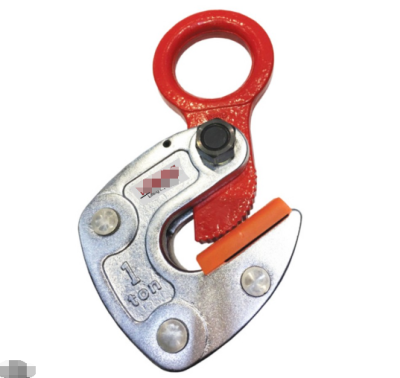


Lifting Clamp Industrial Plate Clamp Universal Plate Clamp for Easy Use
$22.00 - $600.00
MOQ: 10 Pieces




Comprehensive Sourcing Guide
Checker Plate Desktop Clamp Sourcing Guide
Sourcing a Checker Plate Desktop Clamp requires a careful balance between structural integrity and surface functionality. These components are typically engineered to secure items on workbenches or industrial tables, leveraging the high-friction texture of checker plate steel to prevent slippage. Buyers must distinguish between general-purpose clamps and those designed for heavy-duty or specialized environments, as the material choice directly impacts durability and load-bearing capacity. The presence of a textured surface suggests an emphasis on grip and stability, which is critical for applications involving vibration or heavy loads.
The procurement landscape for these clamps often involves manufacturers from major industrial hubs in China, particularly Zhejiang and Jiangsu provinces. Suppliers in these regions frequently offer customization options, allowing buyers to tailor dimensions, colors, and mounting configurations to specific operational needs. Understanding the origin and manufacturing capabilities of potential suppliers is essential for ensuring consistent quality and reliable delivery schedules. Buyers should prioritize suppliers who demonstrate transparency in their production processes and offer clear communication regarding material specifications and finishing techniques.
Product Scope and Observed Listing Signals
The observed market signals indicate a diverse range of products that may fall under the broader category of industrial clamping solutions. Listings frequently highlight lifting capacities ranging from 0.8 to 16 tons, suggesting that some offerings are designed for heavy-duty applications beyond simple desktop use. The material composition varies, with stainless steel and Q355b steel being common choices, each offering distinct advantages in terms of corrosion resistance and structural strength. Buyers should carefully review product descriptions to ensure the clamp meets the specific weight and environmental requirements of their intended application.
Color options such as yellow, orange, and customized finishes are widely available, which can aid in visual identification and safety compliance within busy work environments. Packaging methods also vary, with options including carton wooden boxes, wooden frames, and small boxes within large cartons, indicating different logistical considerations for bulk orders. The presence of utility model patents on some products suggests a focus on innovative design features that may enhance usability or security. Buyers should verify that the specific model they select aligns with their operational standards and safety protocols.
Technical Specifications to Verify
Verifying technical specifications is crucial for ensuring the clamp performs reliably under load. Key parameters to confirm include the working load limit (WLL), which can range from 1.5 to 25 tons depending on the model. Buyers must ensure that the selected clamp’s WLL exceeds the maximum expected load to provide a safe margin of error. Additionally, the plate thickness and scope of application, such as 0-20 mm or 0-125 mm, should be matched to the thickness of the items being clamped. Mismatched specifications can lead to inadequate grip or structural failure.
The structural design, often described as a G-clamp or pipe clamp, influences the clamping force and accessibility. Buyers should assess whether the clamp’s geometry allows for easy installation and removal in confined spaces. Material properties, such as the use of NBR and Neoprene for sealing or cushioning, can enhance performance in oily or chemical environments. It is also important to verify the standard dimensions, such as 935043 mm, to ensure compatibility with existing workbench fixtures. Clear documentation of these specifications helps prevent costly errors during procurement.
Compliance and Safety Documentation
Compliance with international standards is a critical factor in selecting a reliable clamp supplier. Certifications such as CE and ISO9001/Ts16949 indicate that the manufacturer adheres to rigorous quality management and safety protocols. Buyers should request copies of these certificates to verify their validity and ensure they cover the specific products being purchased. Compliance with these standards often correlates with better consistency in manufacturing and a lower risk of product defects.
Safety documentation should also include detailed instructions for proper usage and maintenance. Buyers must ensure that the supplier provides clear guidelines on load distribution and inspection intervals. In environments where oil, chemicals, or gas are present, additional safety measures may be required to prevent corrosion or degradation of the clamp. Verifying that the product meets relevant industry standards for heavy-duty clamps ensures that it can withstand the stresses of daily industrial use without compromising worker safety.
Cost Drivers and Commercial Terms
Several factors influence the final cost of checker plate desktop clamps, including material type, customization requirements, and order volume. Stainless steel clamps typically command a higher price than those made from standard steel due to their superior corrosion resistance. Customization options, such as specific colors or modified dimensions, can also increase costs. Buyers should request detailed quotes that break down these variables to understand the true cost drivers and avoid hidden fees.
Commercial terms, including payment methods and delivery times, play a significant role in the procurement process. Common payment methods include T/T and L/C, while delivery times can range from 20 to 40 days. Buyers should negotiate terms that align with their cash flow and project timelines. Additionally, trade methods such as FOB should be clarified to determine who bears the risk and cost of transportation. Understanding these commercial terms helps in planning budgets and managing supply chain logistics effectively.
Supplier Qualification and Quality Control
Evaluating supplier qualifications is essential for ensuring long-term reliability. Buyers should assess the supplier’s production capacity, employee count, and quality control processes. A supplier with a substantial workforce and established quality management systems is more likely to deliver consistent products. Requesting samples before placing large orders allows buyers to verify the quality of materials and craftsmanship firsthand. This step helps mitigate the risk of receiving substandard products that could fail in critical applications.
Quality control measures should include regular inspections and testing of finished products. Buyers should inquire about the supplier’s procedures for handling defects and ensuring traceability. Suppliers who offer patent-protected designs often invest more in research and development, which can result in superior product performance. Establishing a clear communication channel with the supplier facilitates quick resolution of any issues that may arise during production or delivery. Building a strong relationship with a qualified supplier enhances overall procurement efficiency.
Long-Term Procurement Checks
Long-term procurement success depends on continuous monitoring of supplier performance and product quality. Buyers should establish key performance indicators (KPIs) to track delivery times, defect rates, and responsiveness to issues. Regular audits of the supplier’s facilities and quality control processes can help identify potential problems before they impact production. Maintaining open communication with the supplier ensures that any changes in standards or regulations are promptly addressed.
Reviewing market trends and technological advancements in clamping solutions can help buyers stay competitive. Suppliers who invest in innovation, such as utility model patents, are often better positioned to meet evolving customer needs. Buyers should also consider the total cost of ownership, including maintenance and replacement costs, when evaluating long-term value. By staying informed and proactive, buyers can ensure that their procurement strategy remains aligned with their operational goals and safety requirements.
FAQs
What certifications do these clamps hold?
These clamps hold CE certification and ISO9001 Ts16949 standards. Some models also feature a Patent for Utility Model. Buyers should verify specific documentation for each product model to ensure compliance with regional safety requirements before placing orders.
Which materials are used for construction?
Manufacturers use Metal, Stainless Steel, Q355b, steel, and iron for construction. Some variants include NBR and Neoprene materials for specific applications. The choice depends on the required durability and the intended environment, such as oil, chemical, or water supply systems.
Can I request custom colors for the product?
Yes, customization is available for colors including Yellow, Orange, and other custom options. Buyers can specify unique color requirements to match their branding or safety standards. This service allows for tailored solutions while maintaining the structural integrity of the heavy-duty clamp design.
What is the typical delivery time for orders?
The typical delivery time ranges from 20 to 40 days for most orders. Some specific items may require 30 days for processing and shipment. Buyers should account for these lead times when planning their procurement schedules to ensure timely arrival at their destination.
How are the products packed for shipping?
Products are packed in Cartons, Wooden Boxes, Pallets, or Wooden Frame Packaging. Some smaller items use a Small Box in Big Carton configuration. This robust packaging ensures the clamps remain secure and undamaged during transit across international shipping routes from China.
What is the lifting capacity range available?
Lifting capacities range from 1.5 to 25 tons depending on the specific model. Some standard models offer 5-ton capacity while others support up to 25 tons. Buyers must select the appropriate model based on their specific load requirements and safety regulations for their operations.
Where are these clamps manufactured?
These clamps are manufactured in Zhejiang Province and Jiangsu, China. The products originate from the China Mainland region. Buyers can expect consistent quality from these established manufacturing hubs known for producing industrial metal components and heavy-duty clamping equipment.