Source Chassis Mount ISOTOP Diode Arrays for Medical, Laser Radar, and Scientific Research
Find and compare 30 available Chassis Mount ISOTOP Diode Arrays from verified suppliers. Buyers can review specifications including wavelength, output power, and integration types for applications in medical, laser radar, and scientific research sectors.
Key considerations
Products List


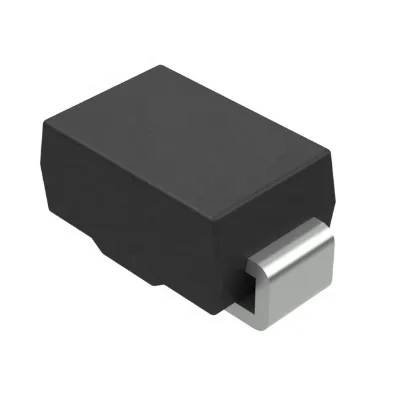
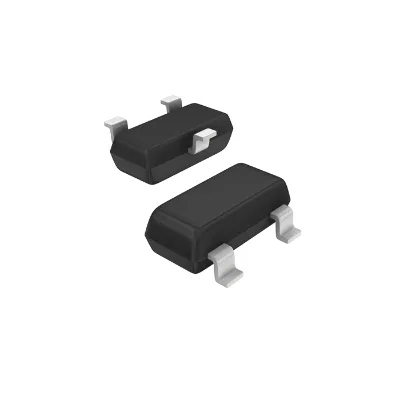


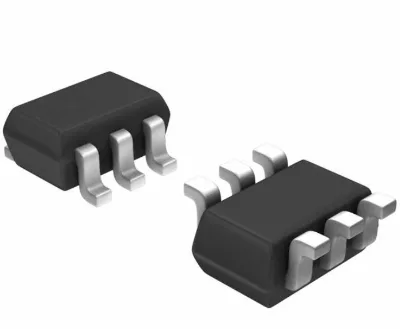


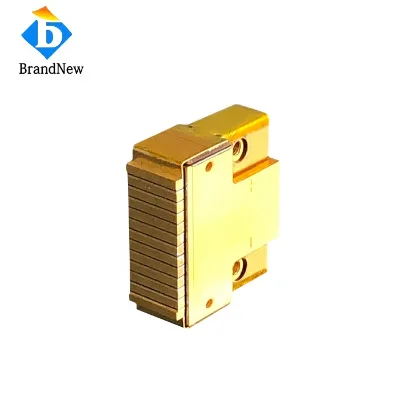
455nm 36W Powerful 34V Blue Laser Diode Array for Precision Applications
$148.00 - $198.00
MOQ: 10 Pieces

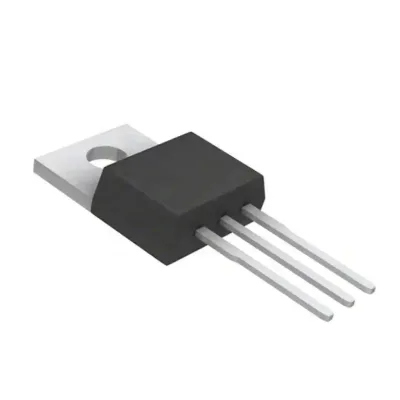
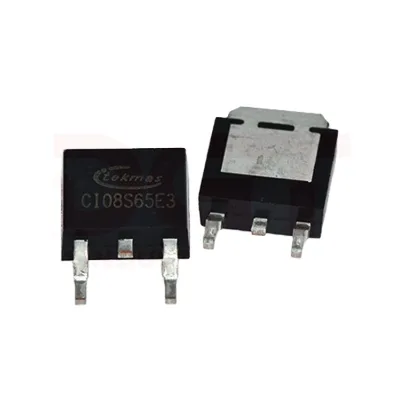
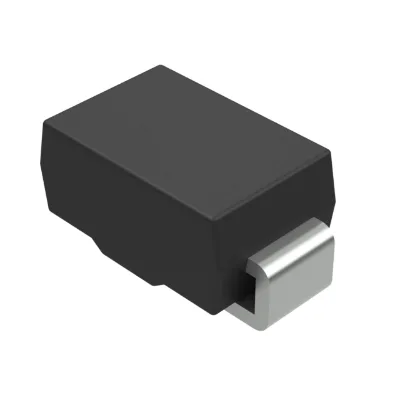
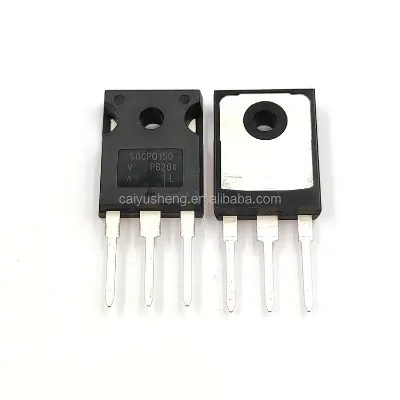
Comprehensive Sourcing Guide
Strategic Sourcing Guide for Chassis Mount ISOTOP Diode Arrays
Navigating the procurement landscape for specialized semiconductor components like Chassis Mount ISOTOP Diode Arrays requires a disciplined approach that balances technical precision with supply chain reliability. The term "isotop diode arrays" often refers to high-power laser diode structures designed for specific wavelength applications, frequently utilized in industrial, medical, and scientific sectors. When sourcing these components, buyers must distinguish between generic semiconductor descriptions and the specific performance characteristics required for chassis mounting, which implies a need for robust thermal management and mechanical stability. The following guide outlines the critical factors for evaluating potential suppliers and validating product specifications based on observable market data and industry standards.
Technical Specifications and Performance Parameters
When evaluating chassis mount diode arrays, the primary focus must be on the physical and electrical attributes that define their operational envelope. The core technical specification often revolves around the laser type and structure. In the current market, buyers encounter components described as "to-Mount Laser Diode" with a "Diode" structure, indicating a specific packaging format designed for direct thermal coupling to a heat sink or chassis. The wavelength is a critical differentiator; observed data indicates specific models operating at 905nm and 940nm. These wavelengths are not arbitrary but are selected for their interaction with specific materials or atmospheric conditions, making them essential for applications like Laser Radar (LiDAR) or optical fiber communication.
The power output capabilities vary significantly across different product lines. Market observations show units with an output power of 15W, while other high-capacity models reach 400W or even 1600W. This wide range necessitates a clear definition of the application's thermal and electrical requirements before engaging with suppliers. For instance, a 1600W unit likely requires a different cooling infrastructure compared to a 15W scientific research module. Furthermore, the slope efficiency, a metric indicating how effectively electrical current is converted to optical power, is a key performance indicator. Specific listings cite a slope efficiency of 1.1W/a, which serves as a benchmark for evaluating the energy efficiency of the diode array.
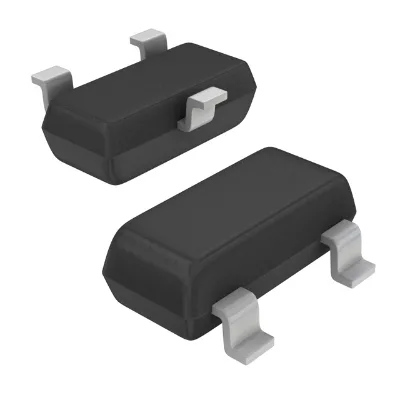
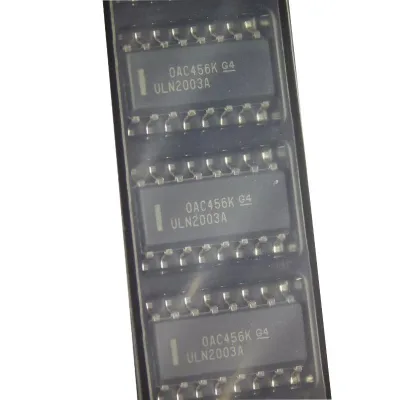
Integration levels also play a role in the system design. While some components are described as "Bipolar Integrated Circuit" with MSI (Medium Scale Integration) or SSI (Small Scale Integration) levels, others are pure laser sources. Buyers must verify whether the "chassis mount" aspect includes integrated driver circuits or if it is a bare die or module requiring external control electronics. The physical shape is consistently noted as SMD (Surface Mount Device) or specific package types like SOT-23 and SOT-553, though chassis mount variants often imply a larger footprint than standard SMD packages. The "QW" (Quantum Well) structure is another technical attribute observed in high-performance units, suggesting advanced semiconductor layering for improved efficiency and wavelength stability.
Compliance, Certification, and Regulatory Standards
In the global semiconductor market, compliance with international standards is non-negotiable, particularly for components used in medical, industrial, and safety-critical applications. When sourcing chassis mount diode arrays, buyers should verify the presence of recognized certifications. Observed product data explicitly mentions "CE" certification, which indicates conformity with health, safety, and environmental protection standards for products sold within the European Economic Area. Additionally, the "RoHS" directive is a common background standard in the industry, though buyers must confirm its specific application to the lot they are purchasing, as compliance can vary by batch or manufacturer.
The "integrated circuit" standard is a fundamental classification for many of these components, ensuring they meet the baseline electrical and physical requirements for ICs. However, for high-power laser diodes, additional industry-specific standards often apply. Buyers should request documentation confirming that the product meets the relevant safety standards for laser radiation, such as IEC 60825, even if not explicitly listed in the initial product description. The "Machinery Test Report" is another critical document to request. This report provides evidence that the component has undergone rigorous testing for performance and safety, which is essential for validating the "Genuine New Original" quality claim often found in supplier listings.
Warranty and after-sales support are also part of the compliance and risk management framework. Listings frequently specify a "One Year" or "12 Months" warranty, which serves as a guarantee against manufacturing defects. The provision of "Online Support" indicates the supplier's commitment to troubleshooting and technical assistance, which is vital for integrating complex diode arrays into larger systems. Buyers should ensure that the warranty terms clearly cover the specific failure modes associated with high-power operation, such as thermal degradation or catastrophic optical damage.
Cost Drivers and Pricing Dynamics
The pricing of Chassis Mount ISOTOP Diode Arrays is influenced by a complex matrix of factors, including power output, wavelength specificity, integration level, and the manufacturer's brand reputation. The observed price range in the market spans from $0.01 to $4999, a variance that reflects the difference between low-power indicator diodes and high-power industrial laser modules. A 15W medical-grade laser diode will command a significantly higher price than a generic 15W industrial component due to stricter quality controls and specialized packaging.
The manufacturer plays a pivotal role in cost determination. Prominent brands like SEMTECH and TI (Texas Instruments) are frequently cited in product attributes. Components from these established manufacturers often carry a premium due to their reputation for reliability, consistent quality, and extensive technical support networks. Conversely, generic or less recognized brands may offer lower prices but require more rigorous vetting to ensure they meet the required performance specifications. The "Customization" availability is another major cost driver. While standard off-the-shelf components are generally more affordable, custom-tailored diode arrays with specific wavelengths, power outputs, or packaging requirements will incur additional engineering and tooling costs.
Minimum Order Quantity (MOQ) is a critical financial consideration. The observed MOQ range extends from 0 to 10,000 units. High-volume buyers may negotiate lower unit prices by committing to larger quantities, while prototyping or low-volume projects might face higher per-unit costs or be limited by high MOQs. The packaging method, such as "Box" or "Carton," also influences logistics costs. Bulk packaging in cartons may reduce per-unit shipping costs but requires adequate storage and handling infrastructure. Buyers must calculate the total cost of ownership, including the initial purchase price, shipping, potential customs duties, and the cost of any necessary testing or validation equipment, rather than focusing solely on the unit price.
Typical Applications and Use Cases
Chassis Mount ISOTOP Diode Arrays are versatile components deployed across a wide spectrum of industries, driven by their specific wavelength and power characteristics. One of the most prominent applications is in the field of Laser Radar (LiDAR), where the 905nm and 940nm wavelengths are standard for distance measurement and 3D mapping. These wavelengths offer a balance between eye safety and atmospheric transmission, making them ideal for autonomous vehicles and robotics. The "Long Service Life" and "High Efficiency" attributes observed in the market data are particularly valuable in these applications, where continuous operation and reliability are paramount.
The medical sector represents another significant application area. Diode arrays with a "Main Function" of "Medical" are often used in therapeutic devices, surgical tools, and diagnostic equipment. The 15W power level is frequently cited for medical applications, providing sufficient energy for tissue interaction without causing excessive collateral damage. The "Scientific Research" application is also common, where precise control over wavelength and power is required for experiments in physics, chemistry, and biology. In these contexts, the "QW" structure and high slope efficiency are critical for achieving the necessary precision and stability.
Industrial applications utilize these arrays for material processing, such as cutting, welding, and marking. The 400W and 1600W output power models are well-suited for heavy-duty industrial tasks. The "Optical Fiber Communication" application leverages the specific wavelengths for data transmission, where the "High Efficiency" and "Long Service Life" ensure minimal signal loss and downtime. The "Industry" classification covers a broad range of uses, from quality control inspection to automated assembly lines. Buyers must align the specific product attributes, such as the "Laser Type" and "Structure," with the intended application to ensure optimal performance and safety.
Supplier Evaluation and Verification Protocols
Selecting the right supplier for chassis mount diode arrays requires a rigorous evaluation process that goes beyond simple price comparisons. Buyers should prioritize suppliers who can provide verifiable evidence of product authenticity and quality. The "Genuine New Original" claim is a common marketing term, but it must be backed by documentation such as the "Machinery Test Report" and traceability records. Suppliers should be able to demonstrate a clear chain of custody from the manufacturer to the end user, minimizing the risk of counterfeit or refurbished components.
The origin of the product is another critical factor. Observations indicate that products originate from locations such as "China" and "Zhejiang," which are major manufacturing hubs. While these regions offer competitive pricing and high production capacity, buyers must ensure that the manufacturing facilities adhere to strict quality control standards. The "Customized" and "Customization" attributes suggest that some suppliers offer tailored solutions, which requires a higher level of technical collaboration and trust. Buyers should assess the supplier's technical support capabilities, including their ability to provide "Online Support" and assist with integration challenges.
Lead times and delivery logistics are also essential evaluation criteria. The "Express" shipping method, such as DHL, is often available for urgent orders, but buyers should verify the reliability and cost of these services. The "D/C" (Date Code) of the components, such as "16+" or "19+", indicates the manufacturing date. Older date codes may be available at lower prices but could have reduced shelf life or performance reliability. Buyers should request the latest production batches to ensure the components meet current quality standards. The "Standard" of "1kg" for packaging suggests bulk handling capabilities, which can be beneficial for large-scale procurement but requires careful inventory management.
Quality Control and Long-Term Procurement Strategy
Implementing a robust quality control (QC) strategy is essential for maintaining the integrity of the supply chain for chassis mount diode arrays. Buyers should establish clear acceptance criteria based on the observed specifications, such as wavelength accuracy, power output stability, and thermal performance. The "Lift Time" of "Over 10000 Hours" is a critical metric for long-term reliability, and buyers should verify this claim through independent testing or third-party certification. The "Color" attribute, noted as "Gold" in some listings, may refer to the plating or packaging, which can impact corrosion resistance and thermal conductivity.
Long-term procurement considerations involve building a sustainable relationship with suppliers who can consistently deliver high-quality components. This includes negotiating favorable terms for warranty claims, ensuring a steady supply of replacement parts, and maintaining open lines of communication for technical updates. The "After-Sales Service Provided" is a key indicator of a supplier's commitment to long-term support. Buyers should also consider the scalability of their supply chain, ensuring that the supplier can handle fluctuations in demand without compromising quality or lead times.
Finally, buyers must stay informed about evolving industry standards and technological advancements. The semiconductor industry is dynamic, with new materials and designs constantly emerging. Regularly reviewing the "prod_prop" attributes and staying updated on certification requirements will help buyers make informed decisions and maintain a competitive edge. By combining technical expertise with a disciplined procurement strategy, buyers can successfully navigate the complex market for Chassis Mount ISOTOP Diode Arrays and secure the high-quality components necessary for their applications.
FAQs
What certifications do Chassis Mount ISOTOP Diode Arrays have?
Some listed products carry CE certification for European compliance. Buyers must verify specific batch documentation as RoHS is a background standard not guaranteed for every lot.
Which manufacturers produce these diode arrays?
Major manufacturers include SEMTECH and TI. These brands are noted for genuine new original quality and reliable technical support networks in the semiconductor market.
Can I find customized chassis mount diode arrays?
Yes, customization is available for specific requirements. Buyers should expect additional engineering costs for tailored wavelengths, power outputs, or unique packaging formats.
What is the warranty period for these components?
Warranty periods typically range from one year to twelve months. This coverage protects against manufacturing defects but requires verification of specific failure mode exclusions.
How do output power levels vary across models?
Output power ranges from 15W for medical applications to 1600W for industrial use. Higher power units require robust thermal management infrastructure for safe operation.
Which wavelengths are standard for these arrays?
Standard wavelengths include 905nm and 940nm for LiDAR and communication. These specific values are selected for optimal atmospheric transmission and eye safety balance.
What packaging formats are commonly used?
Products are shipped in boxes or cartons depending on volume. Surface mount devices often use SOT-23 or SOT-553 packages while high-power units may differ.