Source Custom Cheer Uniforms for Dancing, Tennis, and Netball
Source 30 custom Cheer Uniform options for dancing, tennis, and netball. Compare polyester and spandex blends with quick-drying, breathable, and rip-stop features. Options include sublimation, embroidery, and rhinestone logos for teams; compare the available evidence and request quotations based on your requirements.
Key considerations
Products List


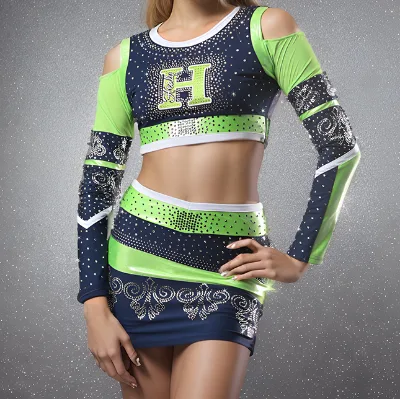
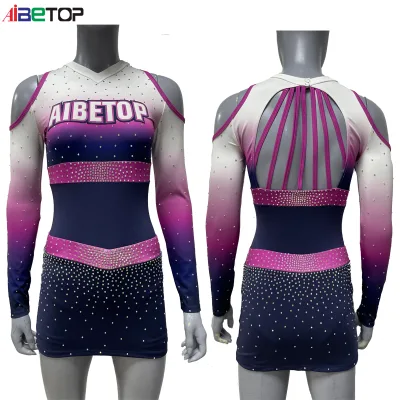
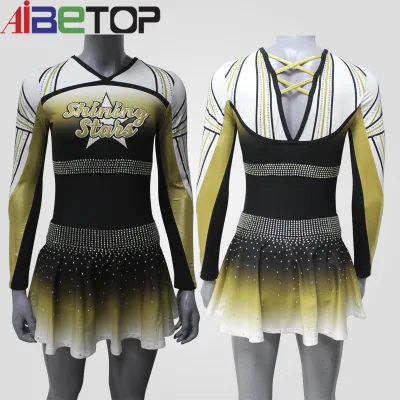
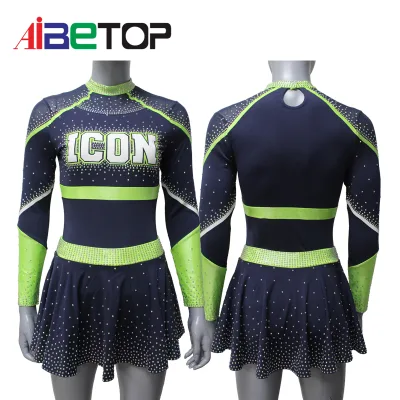
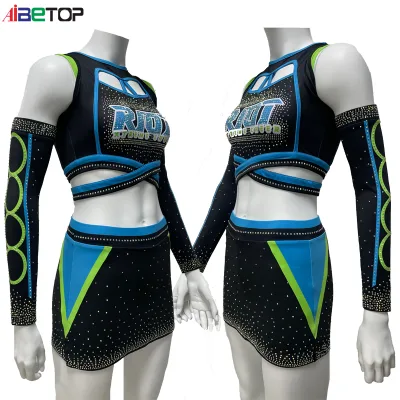
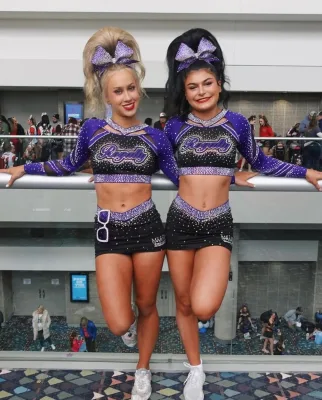


Comprehensive Sourcing Guide
Cheer Uniform Sourcing Guide
Sourcing cheerleading uniforms requires a strategic balance between aesthetic customization and functional performance, as these garments serve dual roles in team identity and athletic movement. Buyers must navigate a market where visual impact is paramount, yet the underlying material science dictates durability and comfort during high-intensity routines. The procurement process begins with defining the specific use case, whether for competitive dance, tennis, or netball, as each activity imposes different stress profiles on the fabric and seams. Understanding these nuances ensures that the selected supplier can deliver products that meet both the visual expectations of coaches and the physical demands of athletes.
The global supply chain for these items is heavily concentrated in manufacturing hubs like Shenzhen, China, offering extensive OEM capabilities and rapid prototyping. Buyers benefit from a wide range of customization options, including sublimation printing, embroidery, and rhinestone applications, which allow for precise team branding and unique design elements. However, this flexibility introduces complexity in quality control, as intricate designs can affect production timelines and consistency. Establishing clear communication channels and detailed technical packs early in the engagement helps mitigate risks associated with misinterpretation of design files and ensures that the final product aligns with the team’s vision and performance requirements.
Product Scope and Observed Listing Signals
The current market landscape for cheer uniforms reveals a diverse array of product types, ranging from tops and dresses to full suits, catering to various team structures and budget constraints. Observed listings indicate a strong emphasis on versatility, with many suppliers offering unisex options and size ranges that span from children to adults. This broad scope allows procurement teams to source complete team kits from a single vendor, simplifying logistics and ensuring uniformity in fit and style across different age groups and roles within the squad. The availability of one-piece MOQs for certain models further supports small teams or trial orders, reducing initial financial risk.
Visual customization is a dominant feature in this category, with suppliers highlighting full sublimation printing, silk screen, and embroidery as primary decoration methods. The patterned designs and extensive color options suggest that buyers are not limited to standard team colors but can create complex, multi-color graphics that withstand rigorous washing and wear. Additionally, the inclusion of features like rip-stop technology and moisture-wicking properties indicates a shift towards performance-oriented materials, even in highly decorative garments. Buyers should verify that the aesthetic choices do not compromise the structural integrity of the uniform, particularly in high-stress areas like shoulders and knees.
Technical Specifications to Verify
Material composition is a critical technical parameter, with polyester and spandex blends being the standard for achieving the necessary stretch and recovery properties. Buyers must verify the specific percentage of spandex to ensure adequate elasticity for dynamic movements without losing shape over time. The fabric weight and opacity are equally important, as thin materials may require additional lining, adding cost and complexity. Additionally, features such as quick-drying capabilities and breathability are essential for maintaining athlete comfort during prolonged performances, especially in indoor arenas with limited ventilation. Confirming these attributes through sample testing is a prudent step before committing to large orders.
Fit and sizing consistency are often challenging in custom apparel, so buyers should request detailed size charts and grading rules from the supplier. The observed availability of customized sizing options allows for a more precise fit, which is crucial for both aesthetics and performance. However, this requires accurate body measurements from all team members and clear communication of any specific fit preferences, such as tighter or looser cuts. Buyers should also verify the construction quality of seams and hems, as these areas are prone to failure during intense physical activity. Ensuring that the supplier uses reinforced stitching techniques can significantly extend the lifespan of the uniforms.
Compliance and Safety Documentation
While specific certifications like OEKO-TEX or ISO 9001 are mentioned in background data, buyers should not assume automatic compliance without direct verification from the supplier. It is essential to request current certification documents to ensure that the materials used are free from harmful substances and that the manufacturing process adheres to recognized quality management standards. This is particularly important for uniforms intended for younger athletes, where skin sensitivity and safety are paramount. Buyers should also inquire about the supplier’s factory audit status, as third-party inspections can provide an additional layer of assurance regarding working conditions and product safety.
Labeling and care instructions must comply with local regulations in the destination market, including fiber content disclosure and washing symbols. Buyers should ensure that the supplier provides accurate and durable labeling that will not fade or detach after repeated laundering. Additionally, the use of decorative elements like rhinestones or embroidery threads should be checked for flammability and choking hazards, especially for children’s sizes. Establishing a clear protocol for reviewing and approving these documentation items before production begins helps prevent costly delays and ensures that the final products meet all legal and safety requirements.
Cost Drivers and Commercial Terms
Pricing in the Cheer Uniform market varies significantly based on the complexity of the design, the quantity ordered, and the specific customization options selected. Observed price ranges suggest that simple designs with standard colors may be more affordable, while intricate sublimation patterns with multiple colors and embellishments command higher prices. Buyers should analyze the cost breakdown to understand how factors like fabric quality, printing techniques, and packaging contribute to the final unit price. Requesting detailed quotes that itemize these components allows for better budget planning and comparison between different suppliers.
Commercial terms such as MOQ, lead times, and shipping methods also impact the overall cost of procurement. While some suppliers offer low MOQs, they may come with higher per-unit costs or longer lead times for sampling. Buyers should negotiate clear delivery schedules, keeping in mind that sample production typically takes 5-10 days, while bulk production can range from 15-20 days. Shipping options like DHL, FedEx, or sea freight offer different trade-offs between speed and cost, and buyers should select the method that best aligns with their timeline and budget constraints. Understanding these variables helps in making informed decisions that balance cost efficiency with timely delivery.
Supplier Qualification and Quality Control
Evaluating supplier capability requires a thorough review of their production capacity, design expertise, and past performance. Buyers should assess the supplier’s ability to handle full customization, including logo placement, team names, and unique design elements, as these are key differentiators in the Cheer Uniform market. Requesting references or case studies from previous clients can provide insights into the supplier’s reliability and consistency. Additionally, verifying the supplier’s experience with similar products, such as dance or sports wear, can indicate their proficiency in handling the specific technical requirements of cheer uniforms.
Quality control processes should be clearly defined and agreed upon before production starts. Buyers should establish inspection criteria for fabric quality, print accuracy, and construction integrity, and consider hiring third-party inspection services for large orders. Regular communication throughout the production process, including updates on sample approvals and production milestones, helps identify and resolve issues early. Implementing a robust quality assurance plan ensures that the final products meet the agreed-upon standards and reduces the risk of receiving defective or non-conforming goods.
Long-Term Procurement Checks
Building a sustainable supply chain for cheer uniforms involves regular performance reviews and continuous improvement initiatives. Buyers should track key metrics such as on-time delivery rates, defect rates, and customer satisfaction to evaluate supplier performance over time. Establishing a feedback loop with coaches and athletes can provide valuable insights into the practical performance of the uniforms, highlighting areas for improvement in fit, durability, or design. This ongoing evaluation helps in making data-driven decisions about supplier relationships and product development.
As team needs evolve, buyers should remain open to exploring new materials, technologies, and design trends that can enhance the performance and appeal of the uniforms. Maintaining a diverse supplier base can also mitigate risks associated with single-source dependency and provide flexibility in responding to market changes. By fostering strong, collaborative relationships with suppliers, buyers can ensure a steady supply of high-quality cheer uniforms that support their team’s success and identity for years to come.
FAQs
What materials are used for cheer uniforms?
Cheer uniforms are typically made from a blend of polyester and spandex. This combination ensures the fabric is breathable, quick-drying, and moisture-wicking. The material offers excellent body shape retention and rip-stop durability, making it ideal for high-intensity dancing and sports activities while maintaining comfort for the wearer.
Can I customize the logo on my Cheer Uniform?
Yes, customization is available for logos using sublimation, embroidery, or rhinestone applications. You can choose from various design options to match your team identity. The production supports fully customized designs, allowing you to add specific team names or unique graphics to create a professional and cohesive look for your squad.
What is the minimum order quantity for cheer uniforms?
The minimum order quantity varies by supplier, with some offering just one piece available while others require ten pieces. Most manufacturers support small batch orders to accommodate different team sizes. You can often find suppliers with flexible MOQs that allow for single-piece samples or larger bulk purchases depending on your specific needs.
How long does it take to produce a sample?
Sample production typically takes between five to ten days. Some suppliers offer seven-day sample order lead times for faster turnaround. Once the sample is approved, bulk production delivery usually requires fifteen to twenty days. This timeline ensures quality control while meeting urgent scheduling needs for upcoming events or competitions.
Which shipping methods are used for cheer uniforms?
Shipping methods include DHL, FedEx, UPS, and air or sea freight options. Packages are usually sent in poly bags or carton packages containing fifty to one hundred pieces. These reliable logistics channels ensure timely delivery of your custom cheer uniforms to various global destinations, supporting both small sample orders and large bulk shipments.
Are cheer uniforms available for all age groups?
Cheer uniforms are available for children, kids, and adults, with some suppliers offering unisex options. Sizes range from kids to adults, and many manufacturers provide fully customized sizing. This flexibility ensures that every team member, regardless of age or gender, can find a properly fitting uniform for dancing, tennis, or netball activities.