Source Cheerleading Pom-Pom for School Events and Competitions
Find 30 verified listings for cheerleading pom-pom featuring baton handles and PP materials. Buyers can compare sizes from 4 to 10 inches, colors including red and yellow, and customization options from suppliers in China.
Key considerations
Products List
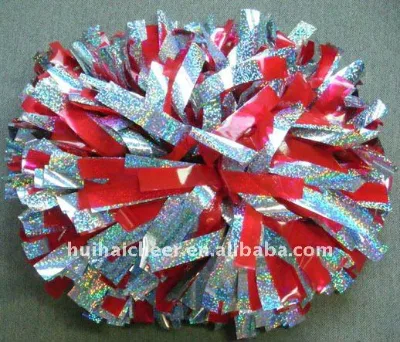
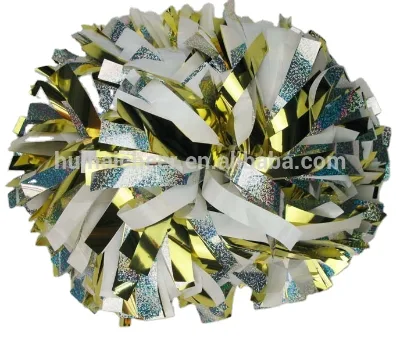
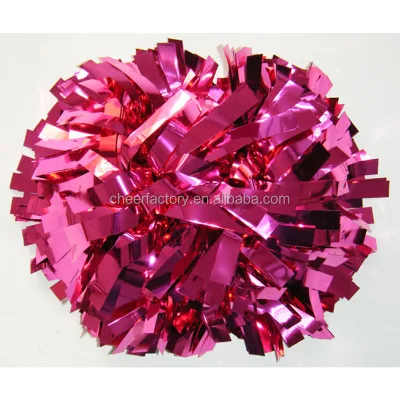
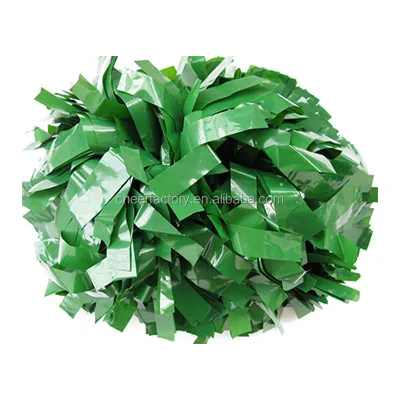
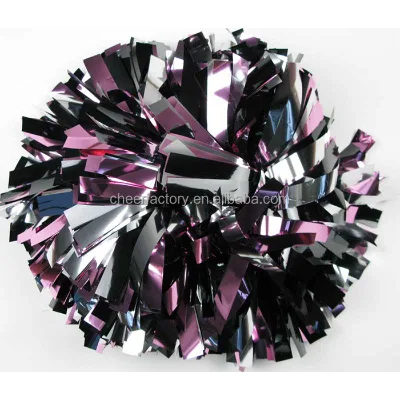
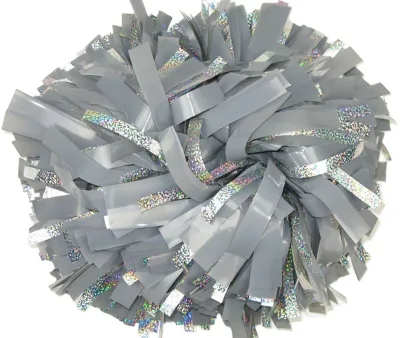
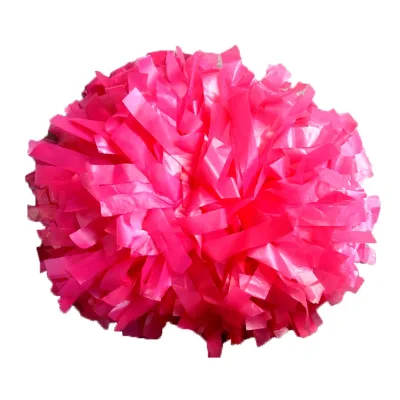
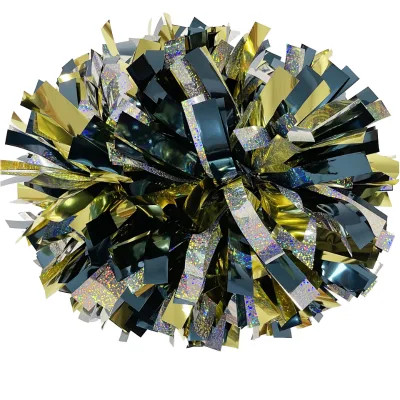


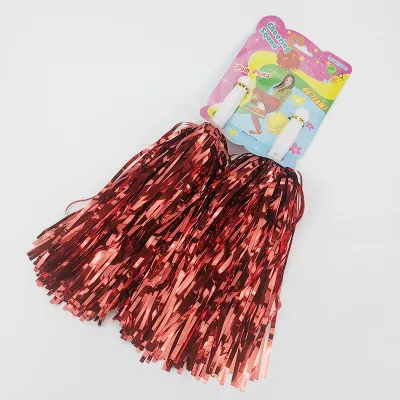
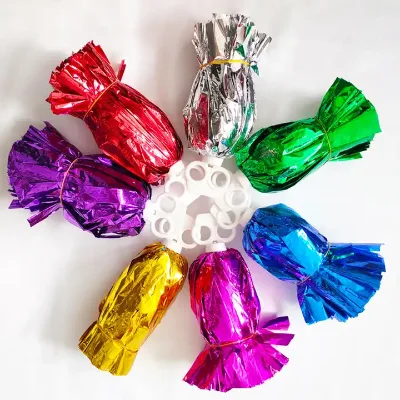
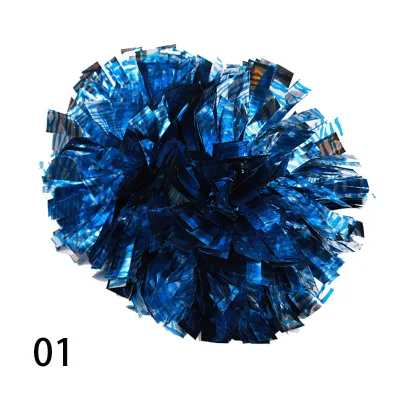
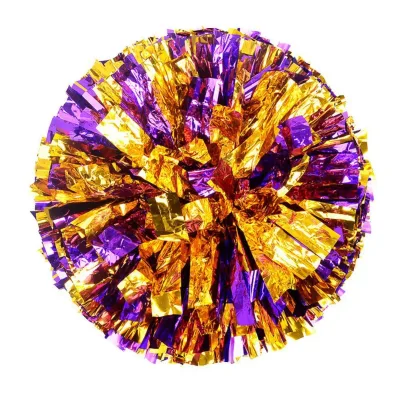
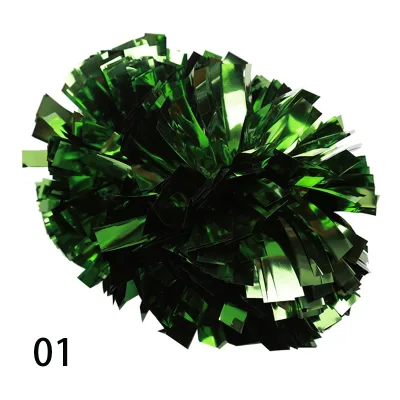


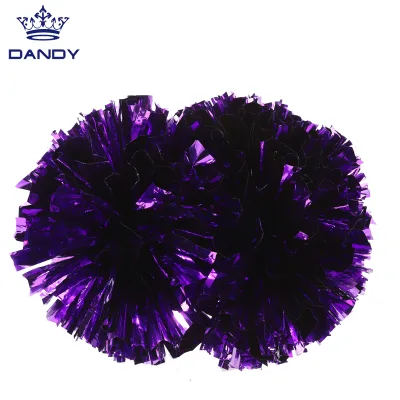
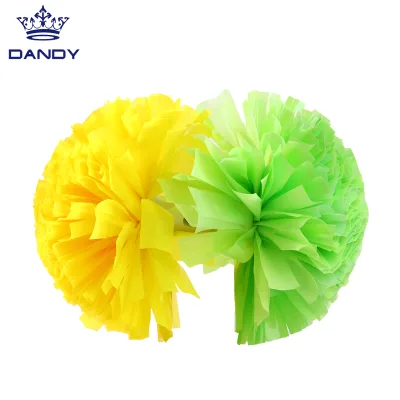
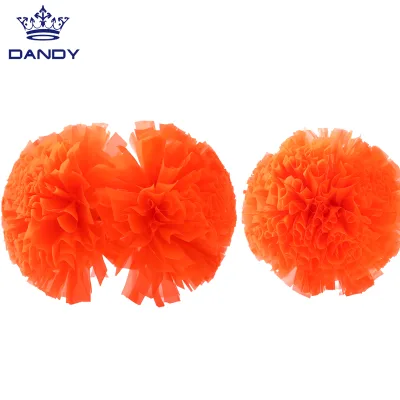
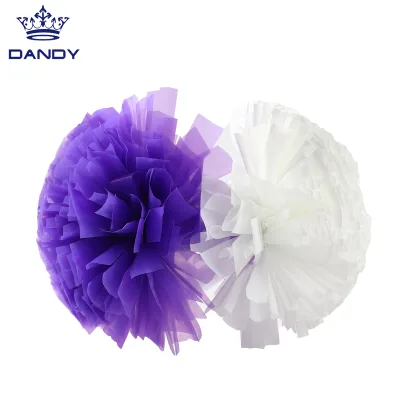
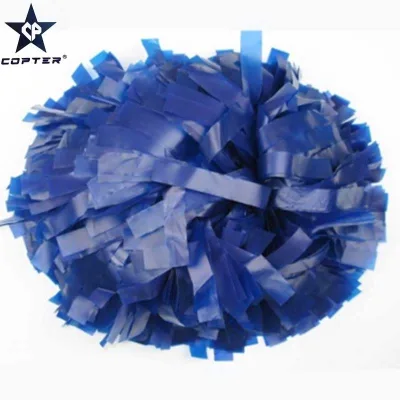
4" 6" 8 Inch Baton Handle Plastic Cheerleader Pom Poms for Cheerleading
$1.53 - $4.08
MOQ: 100 Minimum


Comprehensive Sourcing Guide
Strategic Sourcing Guide for Cheerleading Pom-Poms
Understanding Product Specifications and Variations
When sourcing cheerleading pom-poms, buyers must first navigate a complex landscape of technical specifications that define the product's utility and aesthetic appeal. The core of a pom-pom is the handle, which frequently features a "baton handle" design to ensure a secure grip during high-energy routines. These handles are available in various dimensions, with common sizes ranging from 4 inches to 10 inches, though specific listings also highlight a 6-inch standard. The material composition is critical for performance; polypropylene (PP) is a primary material observed in the market, offering durability and the ability to maintain shape after repeated use.
The visual impact of the pom-pom is driven by the strands. High-quality units often feature 1000 strands, a specification that provides a full, voluminous look essential for visibility in large stadiums. The color palette is equally diverse, with suppliers offering up to 15 distinct colors. Specific "wet look" finishes are available in shades such as black, red, maroon, orange, and Columbia Blue, catering to teams seeking a glossy, professional appearance. Additionally, customization is a significant factor, with options for color printing graphics in up to six colors and the ability to select specific handle colors like red, yellow, or white. The product model numbers, such as PM, HYH-260717009, or AMKPP01, often serve as unique identifiers for these specific configurations, allowing buyers to track inventory across different manufacturing batches.
Compliance, Certification, and Safety Standards
Safety and compliance are paramount when procuring equipment for youth sports and professional teams. While the supplied data indicates that product standards are often "optional" or "customized," buyers must not assume a lack of regulation. Instead, the procurement strategy should focus on verifying that the manufacturer adheres to relevant safety standards for children's products and general sports equipment. Since the product is often used in close proximity to the face and eyes, the flammability of the PP material and the structural integrity of the handle are key areas of verification.
Buyers should explicitly request documentation regarding material safety, ensuring that the polypropylene used is free from harmful substances. The "Western" style and "Apparel & Accessories" classification suggest these items may fall under broader textile or accessory regulations depending on the destination market. It is essential to confirm that the supplier can provide test results for flammability and chemical composition, even if these are not pre-listed as standard features. The "Optional" standard designation in the source data implies that compliance is often a negotiated term rather than a default state. Therefore, the procurement contract must mandate specific safety certifications relevant to the target market, such as ASTM F963 for toys or specific sports equipment standards, to mitigate liability risks.
Cost Drivers and Pricing Dynamics
The pricing of cheerleading pom-poms is influenced by several variable factors, including material quality, strand count, and customization levels. The observed market price range is extensive, spanning from $0.12 to $1,245. This wide disparity indicates that the low end likely represents basic, single-item purchases or bulk raw materials, while the high end may encompass custom-branded sets, premium materials, or large-scale orders with complex packaging requirements. The minimum order quantity (MOQ) also plays a significant role in unit pricing, with observed ranges from 1 piece to 1,000 pieces. A lower MOQ of 10 pieces is frequently cited, suggesting flexibility for smaller teams or sample orders, whereas larger orders may benefit from economies of scale.
Shipping and packaging costs are additional cost drivers. The single package size typically measures around 20x13x13 cm or 20x15x15 cm, with a single gross weight of approximately 0.200 kg. However, bulk packaging details vary, with some shipments noting dimensions of 58x52x45 cm containing 85 pieces and weighing between 16 and 17 kg. These variations in packaging density directly impact freight costs, particularly for sea freight versus air freight. Buyers should calculate the total landed cost by factoring in the shipping method—options include DHL, FedEx, UPS, air freight, and sea freight—as well as the destination port, with Shanghai being a common point of dispatch. The "Selling Units" being listed as "Single item" suggests that unit pricing is transparent, but volume discounts are likely available for orders exceeding the standard MOQ.
Typical Applications and Target Markets
Cheerleading pom-poms serve a dual purpose in both athletic performance and corporate branding. The primary application is, of course, for cheerleading squads, where the visual impact of the 1000-strand design and vibrant colors is crucial for team spirit and crowd engagement. The "Western" style and specific size options (4", 6", 8", 10") allow for customization based on the age group and skill level of the cheerleaders. Beyond sports, these items are increasingly utilized as business gifts. The "Use" category explicitly lists "Business Gift," with a target end-user profile including financial institutions, insurance companies, and real estate firms. In this context, the pom-pom acts as a promotional item, often customized with company logos via the available 6-color printing capabilities.
The versatility of the product allows it to be used in various settings, from high school games to professional sporting events and corporate promotional campaigns. The "Customization" feature is particularly valuable for these non-sporting applications, enabling brands to create unique merchandise that stands out. The "Style" attribute of "baton handle" ensures that the item is functional for its primary sporting use while remaining a durable promotional tool. Buyers should consider the end-user environment when selecting materials; for instance, outdoor corporate events may require UV-resistant finishes to prevent color fading, while indoor team events prioritize the "wet look" aesthetic for maximum visual pop.
Supplier Evaluation and Operational Capabilities
Evaluating a supplier for cheerleading pom-poms requires a deep dive into their operational capabilities and logistical reliability. The supply chain data indicates that manufacturers are primarily located in China, with specific origins noted in Jiangsu and Guangdong provinces. These regions are known for their manufacturing clusters, but buyers must verify the specific factory's capacity. The "Supply Ability" is listed as 60,000 pieces per month, which is a critical metric for buyers planning large-scale orders. This capacity suggests that the supplier can handle significant volume, but it is essential to confirm if this is a peak capacity or a consistent average.
Lead times are another critical evaluation point. The observed delivery times range from 3 to 7 days, with some listings specifying a 5-day delivery window. This short turnaround time is advantageous for urgent orders, but buyers must distinguish between production time and shipping time. The "Port of dispatch" is consistently listed as Shanghai, which simplifies logistics planning for international buyers. Furthermore, the acceptance of OEM (Original Equipment Manufacturer) and ODM (Original Design Manufacturer) services indicates that the supplier is capable of customizing products to meet specific brand requirements. Buyers should verify the supplier's experience with these services, asking for examples of previous custom work to ensure they can meet specific design and branding needs.
Quality Control and Inspection Protocols
Implementing a robust quality control (QC) protocol is essential to ensure that the received pom-poms meet the agreed-upon specifications. Given the variability in packaging details—such as the difference between 85 pieces weighing 16 kg versus 17 kg—buyers must establish clear acceptance criteria for weight and volume. Visual inspection should focus on the strand count, ensuring that the "1000 strands" claim is accurate and that the strands are evenly distributed without clumping or shedding. The handle attachment must be secure, as a loose baton handle can lead to product failure during use.
Color consistency is another area requiring strict QC. With options for 15 colors and specific "wet look" finishes, buyers should request color swatches or samples before mass production to verify that the "Red," "Yellow," or "White" shades match the brand's standards. The "Color Printing for Graphics" capability must be tested for clarity and alignment, ensuring that the 6-color printing does not bleed or fade. For bulk orders, a third-party inspection service should be engaged to verify the packaging details, such as the "Carton" or "OPP Packing" specifications, and to confirm that the single package size matches the shipping documentation. This proactive approach minimizes the risk of receiving substandard goods and ensures that the final product performs as expected in its intended application.
Long-Term Procurement and Relationship Management
Building a sustainable procurement strategy for cheerleading pom-poms involves more than just a single transaction; it requires a focus on long-term supplier relationships and scalability. The availability of "Customized Packing" and "Drop Shipping" services suggests that suppliers are willing to adapt to evolving buyer needs, such as direct-to-consumer shipping or specific branding requirements. Buyers should leverage these services to streamline their logistics and reduce overhead costs. Additionally, the "OEM/ODM: Accepted" status indicates a willingness to collaborate on product development, which can be a strategic advantage for brands looking to differentiate their offerings.
To ensure long-term success, buyers should maintain open communication regarding production schedules and capacity planning. With a supply ability of 60,000 pieces per month, suppliers can support growth, but buyers must provide accurate forecasts to avoid delays. The flexibility in MOQ, ranging from 10 to 100 pieces, allows for agile inventory management, enabling buyers to test new designs or colors without committing to massive stock levels. Finally, buyers should regularly review supplier performance against key metrics such as delivery time, quality consistency, and responsiveness to customization requests. By fostering a collaborative relationship, buyers can secure a reliable supply chain that adapts to the dynamic needs of the cheerleading and promotional product markets.
FAQs
What is the typical strand count for high-quality pom-poms?
High-quality units often feature 1000 strands to ensure a voluminous look. This specification provides full visibility essential for large stadiums and professional routines.
Which handle sizes are commonly available for these products?
Common handle sizes range from 4 inches to 10 inches, with a 6-inch standard frequently highlighted. Specific listings also confirm availability in 4, 5, 6, 8, and 10-inch dimensions.
Can buyers request custom branding and color printing?
Yes, customization is available with options for color printing graphics in up to six colors. Suppliers also accept OEM and ODM services to meet specific brand requirements.
What is the minimum order quantity for sample orders?
A low minimum order quantity of 10 pieces is frequently cited for flexibility. This allows smaller teams or buyers to place sample orders without committing to massive stock levels.
How long does production typically take before shipping?
Delivery times range from 3 to 7 days, with some listings specifying a 5-day window. This short turnaround applies to production, excluding international shipping transit time.
Where are the primary manufacturing locations for these items?
Manufacturers are primarily located in China, with specific origins noted in Jiangsu and Guangdong provinces. These regions are known for their established manufacturing clusters for sports equipment.
What material is used to construct the pom-pom strands?
Polypropylene (PP) is the primary material observed, offering durability and shape retention. This material ensures the product maintains its form after repeated use in high-energy routines.
Are wet look finishes available in specific color options?
Yes, wet look finishes are available in shades such as black, red, maroon, orange, and Columbia Blue. These options cater to teams seeking a glossy, professional appearance for their squads.