Source Polyester Crossbody Bag for Travel, Daily, and Outdoor Use
Source a polyester crossbody bag from 25 verified listings. Compare lightweight designs, PU leather straps, and custom logo options for travel, daily commuting, and outdoor activities. Review material specs and lead times to find the right supplier; compare the available evidence and request quotations based on your requirements.
Key considerations
Products List


Comprehensive Sourcing Guide
Check Polyester Crossbody Bag Sourcing Guide
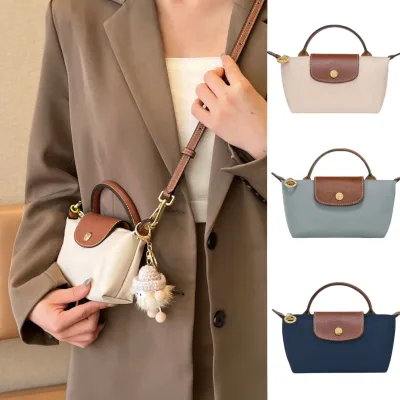
Procuring a polyester crossbody bag requires distinguishing between generic listings and verified product attributes that match specific operational needs. Buyers must scrutinize the listed material composition, noting that while some items specify a polyester-cotton lining, others rely on pure polyester or nylon blends for durability. The observed product models indicate a wide variance in construction, from simple PU leather exteriors to more complex stitching designs, necessitating a careful review of the "Material Craftsmanship" field before placing any order.
Commercial viability depends heavily on understanding the customization capabilities and logistical constraints inherent in the supply chain. The available data confirms that customization is a standard offering, allowing for tailored logos and specific packing requirements like polybags or cartons. However, the lead times vary significantly, with some suppliers indicating a production window of 45 to 60 days, which must be factored into inventory planning to avoid stockouts during peak demand periods.
Product Scope and Observed Listing Signals
The market for polyester crossbody bags presents a diverse range of styles, including bucket bags, tote bags, and casual shoulder bags, each serving distinct consumer demographics. Listings frequently highlight specific popular styles such as "Simplicity" or "Stitching Bag" designs, which appeal to buyers seeking modern aesthetics. The observed color options range from solid black to extensive palettes of twelve colors, providing flexibility for brands looking to align their product lines with current fashion trends or seasonal requirements.
Functional attributes observed in the listings reveal a strong emphasis on lightweight construction and specific usage scenarios, such as outdoor activities or camera carrying. While some products are explicitly marked as non-waterproof, others feature materials like nylon or cotton linings that offer different levels of protection. Buyers should verify the "Shoulder Strap Material," as variations between PU and cortex materials directly impact the tactile feel and long-term wear resistance of the final product.
Technical Specifications to Verify
Dimensional accuracy is a critical verification step, as the observed product standards vary from compact 23x14x5cm units to larger 35x15x9cm configurations. These measurements often dictate the internal capacity and suitability for specific items, such as cameras or daily essentials. Procurement teams must cross-reference the listed standard dimensions with the physical sample to ensure the bag meets the intended volume requirements without compromising the structural integrity of the stitching or seams.
Material composition requires rigorous validation to ensure the product matches the advertised specifications regarding lining and exterior fabrics. The data indicates a mix of polyester, cotton, and PU leather components, with some items featuring a polyester-cotton blend for the lining. It is essential to confirm the exact material of the shoulder strap, as the distinction between PU and cortex materials affects both the aesthetic finish and the durability under heavy load conditions.
Compliance and Safety Documentation
While the provided data does not list specific safety certifications, buyers must request documentation regarding chemical compliance for all textile and leather components used in the bags. Since the products originate from China, adherence to international standards for restricted substances in leather and synthetic materials is mandatory for export to many global markets. Verification of these compliance documents ensures that the polyester and PU materials do not contain harmful levels of azo dyes or heavy metals that could violate destination country regulations.
Packaging standards also play a role in compliance, particularly regarding environmental regulations and shipping safety. The observed packing methods include cartons, polybags, and custom boxes, each requiring specific labeling and material safety data sheets. Buyers should ensure that the chosen packaging solution meets the destination market's requirements for recyclability and waste reduction, as well as protecting the product from moisture and damage during transit.
Cost Drivers and Commercial Terms
Pricing in this category is influenced by the complexity of the material mix and the extent of customization requested. The observed price range spans from $0.49 to $169, reflecting the difference between basic nylon models and those featuring premium PU leather or intricate stitching details. Buyers must analyze the cost per unit against the desired quality level, understanding that higher customization fees and specific material upgrades will inevitably increase the final landed cost.
Payment terms and minimum order quantities are significant factors in the commercial negotiation process. The standard payment term observed is T/T, which requires careful cash flow management to align with the 45 to 60-day lead time. Additionally, the MOQ ranges from 1 to 1000 units, offering flexibility for small startups while potentially requiring volume commitments for larger enterprises to secure the most competitive unit pricing and favorable shipping rates.
Supplier Qualification and Quality Control
Supplier qualification should focus on their ability to deliver consistent quality across the observed product models, particularly regarding the stitching and material finish. The presence of a sample time of 7 to 10 days indicates a standard prototyping process, which buyers should utilize to verify the "Material Craftsmanship" and overall construction quality before committing to a bulk order. This step is crucial for identifying any discrepancies between the digital listing and the physical product attributes.
Quality control protocols must address the specific variations in materials, such as the difference between polyester and cotton linings or PU and cortex straps. Buyers should implement a pre-shipment inspection that checks for defects in the stitching, color consistency across the 12 available color options, and the structural integrity of the shoulder straps. Ensuring that the "Popular Style Name" and design elements match the approved sample is essential for maintaining brand reputation and customer satisfaction.
Long-Term Procurement Checks
Sustaining a successful supply chain for polyester crossbody bags requires ongoing monitoring of supplier performance against the established lead times and customization capabilities. The 45 to 60-day production window must be consistently met to prevent inventory disruptions, and any deviations should trigger a review of the supplier's capacity and resource allocation. Regular audits of the production process help ensure that the "Customization" features remain accurate and that the product standards do not drift over time.
Market trends and consumer preferences for styles like bucket bags or tote bags evolve rapidly, necessitating a flexible procurement strategy. Buyers should maintain a relationship with suppliers who can adapt to changing fashion elements, such as new stitching patterns or color palettes, without compromising on the core material quality. Continuous communication regarding the "Season" suitability and "Usage" scenarios ensures that the product line remains relevant and competitive in the global marketplace.
FAQs
What materials are used for the lining of these bags?
The lining materials vary by model, with options including Polyester-Cotton and pure Polyester. Some specific models feature Cotton inside. Buyers should check the material specifications for each product code to ensure the lining meets their durability and comfort requirements for daily use.
Can these crossbody bags be customized with a logo?
Yes, customization is available for these bags. The product attributes indicate that logos can be customized to meet specific branding needs. This service allows businesses to add their unique identity to the bags, making them suitable for promotional purposes or private label distribution.
What is the typical lead time for production?
The standard lead time for production is between 45 and 60 days. Sample preparation typically takes 7 to 10 days. Buyers should plan their inventory and shipping schedules accordingly to account for this manufacturing duration, ensuring timely delivery for their target markets.
Are these bags suitable for outdoor use?
Yes, these bags are designed for outdoor use and are suitable for unisex audiences. They feature lightweight construction and styles like bucket bags or tote bags. The materials, such as Nylon or PU, provide durability for various activities, making them practical for everyday outdoor scenarios.
What are the standard packaging options for these products?
Packaging options include cartons, polybags, or custom packaging solutions. Specific models may use one bag in one polybag, while others offer PVC bags or boxes. Buyers can select the packaging that best fits their logistics needs or request customization to align with their brand presentation standards.
Is there a minimum order quantity for these bags?
The minimum order quantity ranges from 1 to 1000 units depending on the specific product model and customization requirements. Buyers can start with smaller quantities for sampling or larger volumes for bulk orders. This flexibility supports both small businesses and large-scale procurement needs effectively.