Source Chemical Bonded Non Woven Interlining for Garments, Bags, and Home Textile
Find 16 Chemical Bonded Non Woven Interlining options for garment fusing, bag construction, and home textile applications. Compare specifications including GSM, width, and material composition to identify suitable suppliers for your production needs.
Key considerations
Products List


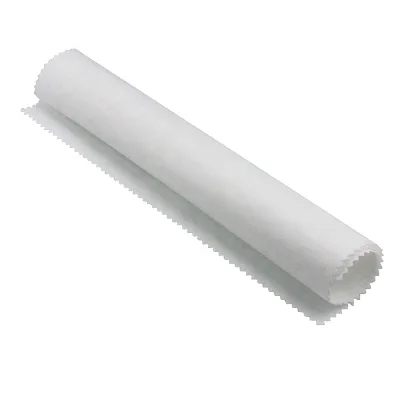


45g Soft Fusible Nonwoven Interlining
Negotiable
MOQ: 20000 Meters
Zhejiang Changxing Changrui Interlining Manufacture Co., Ltd.
Comprehensive Sourcing Guide
Chemical Bonded Non Woven Interlining Sourcing Guide
Product Scope and Observed Listing Signals
Chemical Bonded Non Woven Interlining serves as a foundational component in garment construction, providing structure, stability, and durability to fabrics without the weight or stiffness associated with traditional woven linings. The manufacturing process involves bonding fibers through chemical agents or adhesives, resulting in a material that is often lightweight, breathable, and eco-friendly. Buyers should recognize that this category encompasses a wide range of products, from basic fusible interlinings used in casual wear to more specialized variants designed for high-performance outerwear. The observed market signals indicate a strong emphasis on customization, with suppliers offering made-to-order solutions that allow for specific weight, width, and finish requirements tailored to individual production needs.
Market listings reveal a diverse array of product attributes, including features such as waterproofing, anti-pull resistance, and breathability, which cater to specific end-use applications. The material composition varies, with options ranging from 100% polyester to blends involving nylon or polypropylene, each offering distinct performance characteristics. For instance, polyester-based interlinings are often preferred for their durability and heat resistance, while polypropylene variants may be selected for their cost-effectiveness and moisture management properties. Buyers must carefully evaluate these material differences against their specific garment requirements, as the choice of raw material significantly impacts the final product’s feel, drape, and longevity.
Technical Specifications to Verify
When evaluating Chemical Bonded Non Woven Interlining, the grammage or weight range is a critical specification that determines the fabric’s stiffness and suitability for different garment types. Observed listings indicate a broad weight spectrum, typically ranging from 20 to 150 GSM for certain polyester-based products, and up to 220 GSM for polypropylene variants. Buyers should verify the exact GSM required for their specific application, as lighter weights are generally suitable for delicate fabrics and linings, while heavier weights provide the necessary structure for collars, cuffs, and pockets. It is essential to confirm whether the supplier offers customized weight options, as standard ranges may not always align with precise design specifications.
The bonding technique and basecloth technology are equally important factors that influence the interlining’s performance and durability. Chemical bonding, including thermobond processes, ensures that the fibers are held together securely, providing consistent strength and shape retention. Buyers should inquire about the specific bonding method used, as it affects the interlining’s resistance to shrinkage, peeling, and distortion after washing or dry cleaning. Additionally, the width of the material, often available in standard sizes like 150cm or 58/60 inches, should be matched to the cutting layout to minimize waste. Customized widths are frequently available, allowing for optimized material usage in large-scale production runs.
Compliance and Safety Documentation
Ensuring that Chemical Bonded Non Woven Interlining meets relevant safety and environmental standards is crucial for maintaining brand integrity and regulatory compliance. While specific certification statuses may vary by supplier, buyers should prioritize materials that are labeled as eco-friendly and free from harmful substances. The observed market includes products that emphasize environmental friendliness, suggesting a growing trend towards sustainable manufacturing practices. Buyers should request documentation that verifies the absence of hazardous chemicals, such as formaldehyde or heavy metals, and confirm that the materials comply with international safety standards for textile products.
Transparency in sourcing and production processes is another key aspect of compliance. Buyers should verify the origin of the raw materials and the manufacturing facilities to ensure adherence to labor and environmental regulations. Although some listings mention domestic grades, it is important to clarify whether the materials meet international quality benchmarks. Suppliers should be able to provide detailed information about their production standards, including any internal quality control measures and third-party testing results. This due diligence helps mitigate risks associated with non-compliance and ensures that the final products meet the expectations of global markets.
Cost Drivers and Commercial Terms
The cost of Chemical Bonded Non Woven Interlining is influenced by several factors, including the raw material type, weight, and customization requirements. Polyester and polypropylene are common base materials, with prices fluctuating based on market demand and supply chain dynamics. Buyers should note that customized specifications, such as specific weights, widths, or finishes, may incur additional costs compared to standard offerings. Understanding these cost drivers allows for more accurate budgeting and negotiation with suppliers, ensuring that the final price aligns with the project’s financial constraints.
Commercial terms, such as minimum order quantities (MOQ) and lead times, also play a significant role in the procurement process. Observed listings indicate MOQs ranging from 100 to 50,000 units, depending on the supplier and product type. Buyers should assess their production volume requirements against these MOQs to avoid excess inventory or production delays. Additionally, lead times for sample orders and bulk production should be clearly defined, as they impact the overall project timeline. Suppliers that offer flexible terms, such as free samples or made-to-order production, can provide greater agility in responding to market changes and customer demands.
Supplier Qualification and Quality Control
Selecting a reliable supplier for Chemical Bonded Non Woven Interlining requires a thorough evaluation of their production capabilities and quality control processes. Buyers should verify the supplier’s experience in manufacturing non woven fabrics and their ability to meet specific technical requirements. The observed market includes suppliers with diverse production technologies, such as chemical bonding and spun-bonded techniques, which should be matched to the buyer’s needs. It is essential to request samples and conduct rigorous testing to assess the material’s performance, including its strength, durability, and resistance to shrinkage.
Quality control measures should be integrated into the supplier’s production process to ensure consistent product quality. Buyers should inquire about the supplier’s quality assurance protocols, including in-process inspections and final product testing. Suppliers that offer OEM services and accept custom orders demonstrate flexibility and a commitment to meeting specific client requirements. Additionally, buyers should assess the supplier’s ability to provide timely support and address any issues that may arise during production. Establishing a strong relationship with a qualified supplier can lead to improved product quality and more efficient procurement processes.
Long-Term Procurement Checks
Maintaining a sustainable supply chain for Chemical Bonded Non Woven Interlining involves regular monitoring and evaluation of supplier performance. Buyers should establish key performance indicators (KPIs) to track metrics such as delivery times, product quality, and responsiveness to issues. Regular audits and reviews can help identify areas for improvement and ensure that the supplier continues to meet the buyer’s standards. By maintaining open communication and fostering a collaborative relationship, buyers can address potential challenges proactively and ensure a steady supply of high-quality interlining materials.
As market trends and regulatory requirements evolve, buyers should stay informed about emerging technologies and materials in the non woven interlining sector. This includes monitoring developments in eco-friendly materials and sustainable manufacturing practices. By staying ahead of these trends, buyers can make informed decisions that align with their brand’s values and customer expectations. Continuous improvement and adaptation are essential for long-term success in the competitive textile industry, ensuring that procurement strategies remain effective and relevant.
FAQs
What materials are used for Chemical Bonded Non Woven Interlining?
Chemical Bonded Non Woven Interlining is primarily made from 100% polyester or fiber blends. Some variants use polypropylene for specific applications. These materials ensure durability and stability. The choice depends on the desired weight and texture. Manufacturers offer options ranging from pure polyester to mixed fiber compositions for different garment needs.
Can I customize the weight and width of the interlining?
Yes, customization is available for both weight and width. Weight ranges typically span from 20 to 150 GSM or 9 to 220 GSM depending on the product line. Widths can be customized to meet specific production requirements. This flexibility allows buyers to tailor the interlining to exact garment specifications without compromising quality.
What features does this interlining offer for garment use?
This interlining provides waterproof, breathable, and eco-friendly properties. It also offers anti-pull and anti-tear resistance. Some variants include mothproof and anti-bacterial features. These characteristics enhance garment longevity and comfort. The chemical bonded process ensures consistent performance across various fabric applications in fashion and home textiles.
What is the minimum order quantity for samples?
Free samples are often available for evaluation purposes. However, standard production orders typically require a minimum quantity starting from 100 units. Higher volumes up to 50,000 units are supported for bulk manufacturing. Buyers should confirm sample availability and lead times directly with suppliers to ensure timely project initiation.
Where are these interlinings manufactured?
Manufacturing locations include Taizhou in Jiangsu Province and Zhejiang in China. These regions are known for textile production capabilities. The products are supplied on a make-to-order basis. Buyers can expect consistent quality from these established manufacturing hubs. Origin details help in assessing logistics and supply chain reliability for international orders.