Source Child Resistant Glass Jar for Cream, Powder, and Lotion
Explore 30 listings for Child Resistant Glass Jar options featuring screw lids and custom logos. Buyers can compare capacities from 1oz to 18oz, surface treatments, and MOQs ranging from 1000 to 10000 pieces for storage needs.
Key considerations
Products List


Gradient Colors Custom Logo 4oz Glass Jar with Child Resistant Glass Jar
$0.12 - $0.15
MOQ: 5000 Pieces


5ml Child Resistant Packaging Clear Glass Concentrate Jar with Black Childproof Lids
$0.08 - $0.19
MOQ: 1000 Pieces

6oz 180ml Child Resistant Cosmetic Glass Jar with Black Childproof Lids
$0.08 - $0.19
MOQ: 1000 Pieces
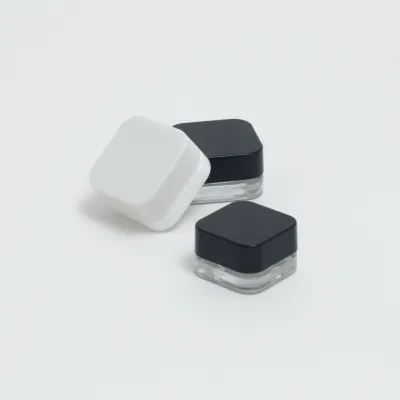
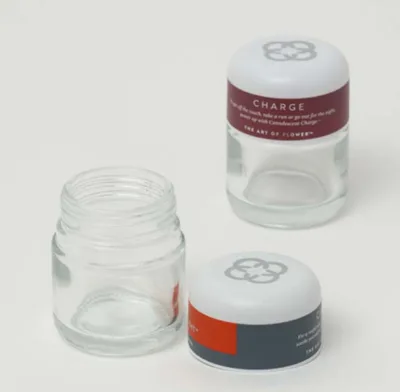


4oz Matte Black Straight Sided Glass Jar with Child Resistant Capable Cap
$0.05 - $0.10
MOQ: 1000 Pieces




New Design 5ml/1 Gram Child Resistant Clear White Black Glass Concentrate Jar
$0.10 - $0.18
MOQ: 1000 Pieces


Comprehensive Sourcing Guide
Strategic Sourcing Guide for Child Resistant Glass Jars
Technical Specifications and Material Integrity
When sourcing child resistant glass jars, the primary focus must be on the material composition and the mechanical integrity of the closure system. The core product is constructed from glass, a material selected for its chemical inertness, barrier properties, and premium aesthetic appeal. Unlike plastic alternatives, glass jars provide an impermeable seal that protects sensitive contents from moisture, oxygen, and light, which is critical for preserving the efficacy of creams, powders, and botanical extracts. The standard shape for these containers is round, facilitating efficient stacking and storage, though the specific geometry can vary based on custom design requirements.
The defining technical feature of this category is the child-resistant closure. These jars utilize a specific screw lid mechanism that requires a dual-action operation—typically pushing down while turning or a specific alignment of tabs—to open. This design is engineered to prevent access by children under the age of five, a standard safety requirement for products containing hazardous or potent substances. The sealing type is explicitly identified as a child-resistant cap, ensuring that the jar remains leak-proof and smell-proof when properly secured. This dual functionality of safety and containment is non-negotiable for products intended for storage of dry flowers, spices, gummies, or pharmaceutical-grade powders.
Capacity ranges are a significant variable in the technical specification. Market observations indicate a wide spectrum of sizes, ranging from small 1oz containers up to larger 18oz options. Specific model numbers such as XT-036 or 26Flora02-01 often correspond to distinct volume capacities, with some listings specifying 9ml, 5ml, or 7ml variants for specialized personal care or chemical applications. Buyers must verify the exact volume capacity against their product formulation, as the internal volume directly impacts the fill weight and the headspace required for the product. The surface treatment of the glass is also customizable, offering options such as bright, matte, frosted, or color-coated finishes. This allows for branding differentiation, with common color options including black, white, green, and transparent variants.
Compliance, Certification, and Regulatory Alignment
Navigating the regulatory landscape for child-resistant packaging requires a rigorous verification of certifications and standards. While specific test results for individual units are not universally provided in general listings, buyers must demand evidence of compliance with relevant safety standards. The supply chain often references certifications such as ISO and CE, which indicate that the manufacturer adheres to international quality management systems and European safety directives, respectively. However, the presence of these certifications on a supplier's profile should be treated as a claim that requires independent verification rather than an automatic guarantee of compliance for every batch.
The specific standard for child-resistant packaging often involves rigorous testing protocols to ensure that the mechanism cannot be easily opened by children while remaining accessible to adults. Although some background references mention standards like ISO 8317, EN 862, or ASTM D3475, these should be treated as potential benchmarks rather than confirmed attributes of every listed product. Buyers must explicitly ask suppliers to provide test reports demonstrating that the specific jar model meets the required resistance thresholds for the target market. For instance, products intended for the North American market may need to comply with the Poison Prevention Packaging Act (PPPA), while European markets may have distinct requirements under the CLP regulation.
Furthermore, the material safety of the glass itself is paramount. The glass must be free from lead and other heavy metals that could leach into the contents, particularly for food, cosmetic, or medicinal applications. The "Eco-Friendly" attribute observed in some listings suggests that the manufacturing process may prioritize sustainability, but buyers should verify the specific environmental claims, such as the use of recycled glass or energy-efficient kilns. The HS code 70109090 is a standard classification for glass containers, which is useful for customs clearance but does not inherently confirm safety compliance. A robust compliance strategy involves requesting third-party laboratory test results for both the child-resistant mechanism and the glass material composition before finalizing a purchase order.
Cost Drivers and Pricing Dynamics
The pricing structure for child-resistant glass jars is influenced by a complex interplay of material costs, customization levels, and order volume. The observed price range in the market spans from approximately $0.04 to $3.03 per unit, a wide variance that reflects differences in jar size, glass thickness, and the complexity of the closure mechanism. Smaller capacity jars, such as the 9ml or 1oz variants, tend to occupy the lower end of the price spectrum, while larger 18oz jars with specialized coatings or custom molds will command higher prices.
The Minimum Order Quantity (MOQ) is a critical cost driver in this sector. Suppliers typically enforce MOQs ranging from 1,000 to 10,000 pieces, with some listings indicating a standard requirement of 5,000 or 10,000 pieces. This high volume requirement is necessary to amortize the costs of mold creation, setup, and production line adjustments. Buyers seeking smaller quantities may find that the unit price increases significantly or that they must negotiate a specific exception, often accompanied by higher sample fees. The "Factory Directly Sale" advantage suggests that purchasing directly from the manufacturer can reduce intermediate markups, but this benefit is most realized when the order volume meets the supplier's production thresholds.
Customization is another major factor affecting cost. Options such as silk screen printing, hot stamping, decal application, or label placement add to the unit price. Similarly, custom colors and surface treatments like matte or frosted finishes require additional processing steps, which increase the overall cost. The choice of cap color, whether black, white, or green, can also influence pricing if the specific color requires a unique dye batch or coating process. Buyers should carefully balance their branding needs with budget constraints, considering that standard black or white caps are generally more cost-effective than custom-matched colors. Additionally, freight costs, whether via sea or air, must be factored into the total landed cost, as glass is heavy and fragile, making shipping a significant expense.
Typical Applications and Usage Scenarios
Child-resistant glass jars serve a diverse array of industries, driven by the need for secure, high-quality packaging for sensitive products. The primary application is in the cosmetics and personal care sector, where jars are used to store creams, lotions, and scrubs. The inert nature of glass ensures that the product does not react with the container, preserving the integrity of active ingredients. The child-resistant feature is particularly valuable for products containing potent actives or substances that could be harmful if ingested by children.
Beyond cosmetics, these jars are widely used for food storage, including dry flowers, spices, and gummies. The smell-proof and leak-proof characteristics of the sealed jar make it ideal for aromatic herbs and spices that need to retain their potency over time. The "Farm/Factory/Household" application scope indicates versatility, allowing the same product type to be used for bulk storage in industrial settings or retail packaging for consumer goods. In the pharmaceutical and chemical sectors, the jars provide a secure solution for storing powders and small quantities of medicine, ensuring that the contents are protected from contamination and unauthorized access.
The specific usage scenarios often dictate the choice of jar size and finish. For example, a 3.5g jar might be used for single-serving cosmetic samples or premium herbal blends, while a 10oz or 18oz jar could be used for bulk storage of dry goods in a commercial kitchen or factory setting. The "Gradient" design and "Customized Logo" options allow brands to create a unique visual identity that stands out on retail shelves. Whether for personal care, food, beverage, or chemical storage, the combination of glass durability and child-resistant safety makes these jars a versatile choice for manufacturers across multiple sectors.
Supplier Evaluation and Quality Assurance
Evaluating a supplier for child-resistant glass jars requires a multi-faceted approach that goes beyond price and lead time. The "Stable Production" advantage listed by some suppliers suggests a capacity for consistent output, but buyers must verify this through site audits or references. Key evaluation criteria include the supplier's ability to handle customization requests, their quality control processes, and their logistical capabilities. Since the product involves glass, which is fragile, the packaging method is critical. The standard packing method involves cartons, often placed on pallets for larger shipments, but buyers should confirm that the internal packaging includes sufficient cushioning to prevent breakage during transit.
Quality control should be a collaborative effort between the buyer and the supplier. Given that the "Sample" fees are often negotiable or provided freely, buyers should insist on receiving physical samples before committing to a large order. These samples must be tested for the child-resistant mechanism's effectiveness, the seal integrity, and the visual quality of the glass and printing. The supplier's willingness to provide samples and their responsiveness to inquiries are strong indicators of their reliability. Additionally, the "Contact for Exact Sample Fees" note implies that sample policies vary, and buyers should clarify these terms early in the negotiation process.
When assessing suppliers, buyers should also consider the origin of the product. The majority of these jars originate from China, a major manufacturing hub for glass packaging. While this offers cost advantages, it necessitates careful attention to logistics and lead times. The "Sea Freight" and "Air Freight" options indicate flexibility in shipping, but the choice depends on the urgency of the order and the budget. A reliable supplier will provide clear communication regarding production timelines and potential delays, ensuring that the buyer can plan their inventory accordingly.
Long-Term Procurement and Strategic Considerations
Sourcing child-resistant glass jars is not merely a transactional activity but a strategic decision that impacts brand reputation and supply chain resilience. The "Factory Directly Sale" model offers the potential for long-term cost savings and better communication, but it requires a deeper level of engagement with the supplier. Buyers should aim to establish a long-term partnership that allows for continuous improvement in product quality and cost efficiency. This involves regular reviews of the production process, feedback loops for design iterations, and joint planning for future demand fluctuations.
Sustainability is an increasingly important consideration in long-term procurement. The "Eco-Friendly" attribute of the glass jars aligns with growing consumer demand for sustainable packaging. Buyers should explore opportunities to work with suppliers who are committed to reducing their environmental footprint, such as using recycled glass or optimizing energy consumption in the manufacturing process. This not only enhances the brand's image but also future-proofs the supply chain against potential regulatory changes regarding environmental standards.
Finally, buyers must remain agile in the face of market changes. The wide range of capacities and customization options means that the product line can be easily adapted to new product launches or market trends. However, this flexibility comes with the responsibility of managing inventory carefully to avoid overstocking or stockouts. By maintaining a strategic relationship with a reliable supplier, buyers can ensure a steady supply of high-quality, child-resistant glass jars that meet their specific operational and regulatory needs.
FAQs
What materials are used for child resistant glass jars?
These jars are constructed from glass to ensure chemical inertness and superior barrier properties. The material prevents moisture and oxygen ingress, making it ideal for storing creams, powders, and botanical extracts safely.
Which closure types are available for these glass containers?
The standard closure is a screw lid designed with a child-resistant mechanism requiring dual-action operation. This ensures the jar remains leak-proof and smell-proof while preventing unauthorized access by children.
Can I customize the logo and surface finish on these jars?
Yes, customization is available for logos using silk screen, hot stamping, or decals. Surface treatments can be customized to include bright, matte, frosted, or color-coated finishes in various colors like black or white.
What is the minimum order quantity for these glass jars?
The minimum order quantity typically ranges from 1,000 to 10,000 pieces depending on the supplier. Some listings specify 5,000 or 10,000 pieces as standard, though smaller quantities may be negotiable upon contact.
What certifications do these child resistant jars typically hold?
Suppliers often provide certifications such as ISO and CE to indicate adherence to quality and safety standards. Buyers should verify these claims and request specific test reports for child-resistant mechanisms before purchasing.
How are these glass jars packaged for shipping?
Standard packaging involves placing jars in cartons, often arranged on pallets for larger shipments. This method ensures protection against breakage during transit, which is critical given the fragile nature of glass containers.
What capacity sizes are available for these child resistant jars?
Capacity ranges widely from small 1oz containers up to larger 18oz options, including specific sizes like 9ml or 5ml. Buyers must verify exact volume against their product formulation to ensure proper fit and headspace.