Source Child Resistant Joint Glass Tubes for Food, Medicine, and Cosmetics
Compare 30 listings for Child Resistant Joint Glass Tubes suitable for food, medicine, and cosmetics. Options include custom sizes, eco-friendly materials, and various sealing types like screw caps and child-resistant lids; compare the available evidence and request quotations based on your requirements.
Key considerations
Products List


Child Resistant Cr Child Proof Matte Pink Pre Roll Joint Glass Tubes for Smoking
$0.05 - $0.20
MOQ: 10000 Pieces


Child Proof Child Resistant Pink Pre Roll Pre-Rolled Joint Blunt Glass Tubes
$0.05 - $0.20
MOQ: 10000 Pieces

Pre Roll Joint Blunt Smooth Black White Wooden Lid Child Proof Glass Tubes for Smoking
$0.05 - $0.20
MOQ: 10000 Pieces


Child Resistant Glass Joint Tube Glass Pre Roll Tube with Aluminum Cap
$0.10 - $0.30
MOQ: 20000 Pieces

Electroplated Glass Tube Doob Joint Tube 120mm Tube with Child Resistant Cap
$0.12 - $0.20
MOQ: 20000 Pieces

Electroplated Spray Color Container Glass Joint Tube Child Resistance Cap
$0.07 - $0.10
MOQ: 10000 Pieces


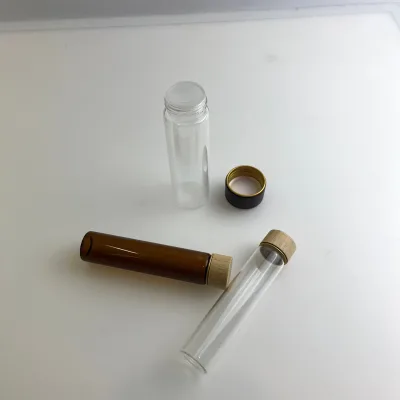
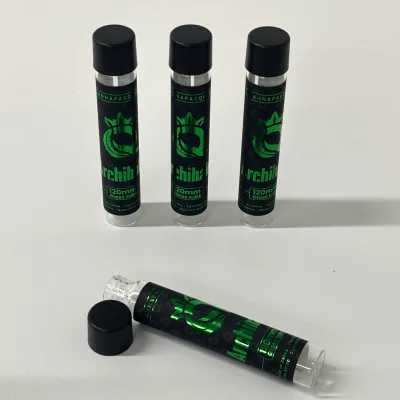


Screw Top Cone Size Pre Glass Tube with Child Resistant Cap Roll Tubes
$0.05 - $0.06
MOQ: 20000 Pieces


Custom Logo Packaging 116mm Pre Child Resistant Proof Glass Tube with Screw Cap
$0.05 - $0.16
MOQ: 10000 Pieces


Light Proof Hot Sell Borosilicate Glass Tube Bottle with Child Proof Lid CRC
$0.09 - $0.14
MOQ: 5000 Pieces


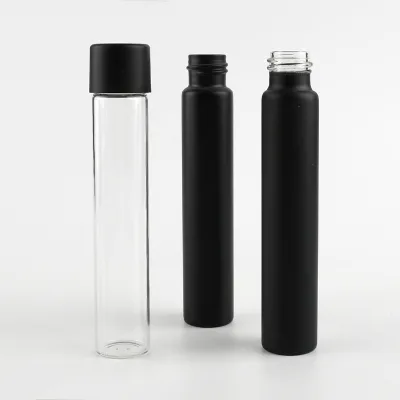
Comprehensive Sourcing Guide
Child Resistant Joint Glass Tubes Sourcing Guide
Procuring Child Resistant Joint Glass Tubes requires careful attention to specific sealing mechanisms and material integrity. The observed market data indicates a strong presence of glass vials and tubes featuring child-resistant lids, often paired with tamper-evident labels to ensure product safety. Buyers must verify that the selected joint design accommodates the specific sealing type, such as screw caps or specialized lids, to prevent accidental access by children while maintaining the structural integrity of the glass container.
The customization landscape for these tubes is extensive, with suppliers offering various diameters and standard sizes like 110mm, 115mm, 116mm, and 120mm, alongside fully custom dimensions. When evaluating potential partners, it is essential to confirm that the customization options extend beyond simple color changes to include specific cap types and surface treatments like hot stamping or screen printing. This ensures the final packaging aligns with both regulatory requirements and brand identity without compromising the functional safety features inherent to the child-resistant design.
Product Scope and Observed Listing Signals
The current market listings reveal a diverse range of glass tube applications, spanning food, medicine, cosmetics, and alternative medicine sectors. Suppliers frequently highlight features such as eco-friendly materials and recyclable properties, which are critical for modern procurement strategies. The observed product attributes include straight-sided and round bottle shapes, with specific models identified as pink glass tubes, clear glass tubes, and CR glass tubes, indicating a specialized focus on safety-compliant packaging solutions.
Buyers should note that the observed price range of 0.04 to 0.30 USD suggests a highly competitive market with varying quality tiers. The minimum order quantities fluctuate significantly, ranging from small batches of 2 units to large industrial orders of 50,000 units, allowing flexibility for different procurement scales. It is vital to distinguish between standard offerings and custom requests, as the latter often involves specific surface handling processes and unique color requirements like matte black or white finishes that may impact the final unit cost.
Technical Specifications to Verify
Technical verification must begin with the precise dimensional standards, as listings cite specific measurements including 89mm, 90mm, 98mm, 115mm, 116mm, and 120mm, or fully custom capacities. The diameter of 22mm is a recurring specification for certain tube models, but buyers must confirm that the joint dimensions match their filling equipment and dispensing requirements. Ensuring the glass grade meets food-grade standards is non-negotiable, particularly for products intended for consumption or medical application, to prevent chemical leaching or contamination.
Sealing mechanisms are equally critical, with observed listings specifying child-resistant screw caps, CRC lids, and smell-proof lids as standard features. The presence of tamper-evident label stickers further enhances the security profile of the packaging, providing a visual indicator of integrity. Procurement teams should request detailed technical drawings to verify the thread pitch and cap compatibility, ensuring that the child-resistant feature functions correctly under repeated use without degrading the glass or the sealing surface.
Compliance and Safety Documentation
Compliance verification requires a thorough review of certification documents, as the observed data lists ISO, CE, and FSC certifications as available attributes. These certifications indicate that the manufacturer adheres to international quality management systems and environmental standards, which is essential for global distribution. Buyers must explicitly request current certificates for each production batch to ensure that the child-resistant mechanisms have been tested and validated against relevant safety regulations for the specific target market.
Safety documentation should also cover the material composition and the specific testing protocols used for the child-resistant features. While the listings mention eco-friendly and recyclable attributes, formal documentation is needed to substantiate these claims and ensure compliance with local waste management laws. It is imperative to confirm that the tamper-evident labels and sealing types meet the specific regulatory thresholds for the intended industrial use, whether for alternative medicine, personal care, or food products, to avoid legal liabilities.
Cost Drivers and Commercial Terms
Cost structures for Child Resistant Joint Glass Tubes are influenced by the complexity of the customization and the volume of the order. The observed MOQ range of 2 to 50,000 units suggests that smaller orders may carry a higher per-unit cost due to setup fees for custom molds and surface treatments like hot stamping or screen printing. Buyers should analyze the trade-off between standard sizes and custom dimensions, as the latter often incurs additional tooling charges and longer lead times that affect the total landed cost.
Commercial terms must clearly define the packaging specifications, as listings indicate options ranging from individual boxes to safety cartons. The availability of free samples is a significant factor in the procurement process, allowing buyers to validate the quality of the child-resistant mechanism before committing to a large order. It is crucial to negotiate terms that account for potential variations in glass thickness and cap fit, ensuring that the final price reflects the specific technical requirements and quality standards agreed upon during the initial sampling phase.
Supplier Qualification and Quality Control
Supplier qualification should prioritize manufacturers with a proven track record in producing glass packaging for regulated industries such as medicine and food. The observed origins in Guangzhou and Qingdao highlight key manufacturing hubs, but buyers must verify the specific factory capabilities regarding quality control processes. It is essential to confirm that the supplier has established protocols for inspecting the child-resistant lids and tamper-evident seals to ensure consistent performance across all units in a production run.
Quality control checks must extend beyond visual inspection to include functional testing of the safety mechanisms. Buyers should require evidence of random sampling procedures and stress tests to validate that the screw caps and CRC lids maintain their integrity under various conditions. Establishing a clear communication channel for defect reporting and return policies is vital, ensuring that any non-conforming products are identified and addressed promptly to maintain the safety standards required for the final consumer.
Long-Term Procurement Checks
Long-term procurement success depends on maintaining consistent quality and supply chain reliability over time. Buyers should implement periodic audits to verify that the supplier continues to meet the specified ISO and FSC standards, as certifications can lapse or change without notice. Regular re-sampling of production batches is necessary to ensure that the child-resistant features and glass grades remain consistent with the initial approval, preventing any drift in quality that could compromise product safety.
Strategic planning for future orders should account for potential changes in regulatory requirements or market demands for eco-friendly packaging. Maintaining a relationship with suppliers who offer flexible customization options allows for rapid adaptation to new standards or design updates. It is advisable to establish a long-term contract that includes clauses for price stability and guaranteed lead times, ensuring a steady supply of high-quality Child Resistant Joint Glass Tubes that meet the evolving needs of the business.
FAQs
Can Child Resistant Joint Glass Tubes be customized with logos?
Yes, customization is available for these glass tubes. Suppliers offer custom logo printing and color options to meet specific branding needs. The products support various surface treatments like hot stamping and screen printing. Buyers can request custom dimensions such as 110mm or 120mm. This flexibility ensures the packaging aligns with unique product identities and marketing requirements.
What certifications do these glass tubes typically hold?
These glass tubes often hold ISO, CE, and FSC certifications. These credentials verify compliance with international quality and safety standards. The materials are food grade and eco-friendly, suitable for various industries. Certifications ensure the packaging meets regulatory requirements for cosmetics, medicine, and food applications. Buyers can rely on these documented standards for global sourcing and distribution.
What is the typical MOQ for ordering these tubes?
The minimum order quantity ranges from 2 to 50,000 units. This wide range accommodates both small sample orders and large bulk purchases. Buyers can start with low quantities to test market response. Higher volumes may offer better pricing efficiency. The flexible MOQ structure supports businesses of various sizes in sourcing suitable packaging solutions.
Are these tubes suitable for food and medicine packaging?
Yes, these tubes are suitable for food and medicine packaging. They are made from food-grade glass and feature child-resistant screw caps. The sealing type ensures product safety and tamper evidence. The eco-friendly material and recyclable nature make them ideal for health and wellness products. This versatility supports diverse industrial uses including cosmetics and alternative medicine.
What sizes are available for these glass tubes?
Available sizes include 110mm, 115mm, 116mm, and 120mm, with custom options. Capacities range from 1oz to 4oz to fit various product volumes. The tubes come in round bottle or straight-sided shapes. Buyers can select specific dimensions based on their product requirements. Custom sizing is also available to ensure perfect fit for unique packaging needs.
How are these tubes packaged for shipping?
These tubes are packaged in safety cartons or boxes. The packaging ensures protection during transit and storage. Each carton is designed to prevent damage to the glass material. This secure packing method supports efficient logistics and reduces breakage risks. Buyers receive products in sturdy containers ready for immediate distribution or further processing.