Source Child Resistant Pop Top Container for Food Medicine Cosmetics
Explore 30 verified listings for Child Resistant Pop Top Container options suitable for food, medicine, and cosmetic packaging. Buyers can compare customization features, sealing types, and material specifications to find the right fit for their supply needs.
Key considerations
Products List


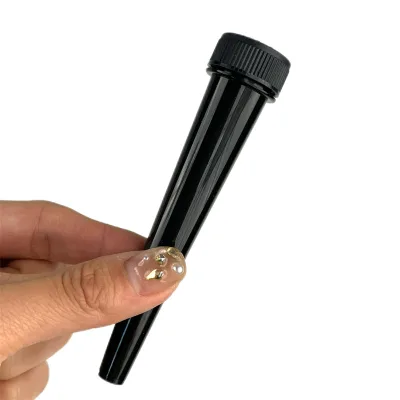
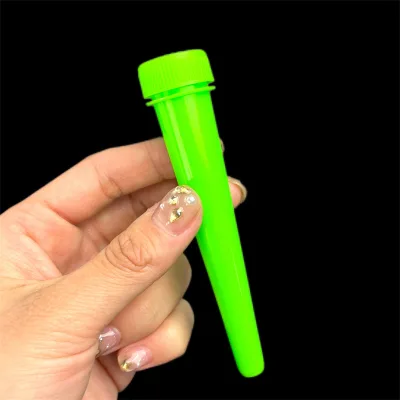
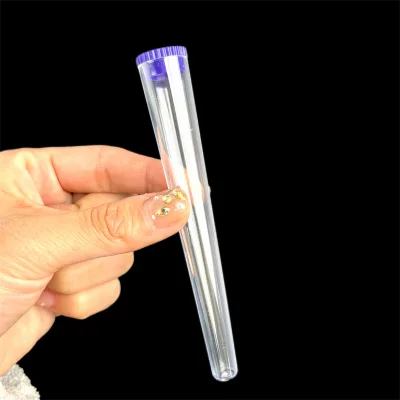
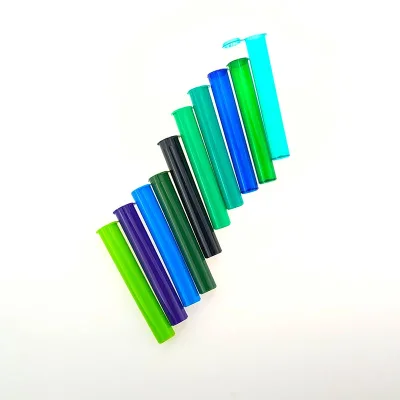
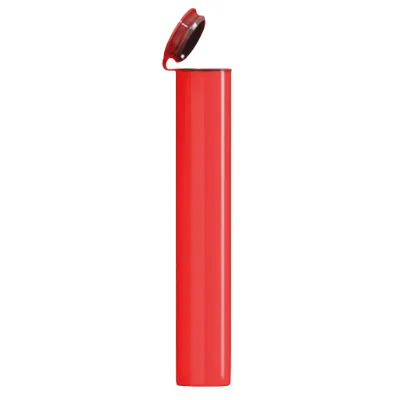
PP/PS Child Resistant Small Tube Pop Top Plastic Container Plant Packaging
$0.02 - $0.04
MOQ: 10000 pieces
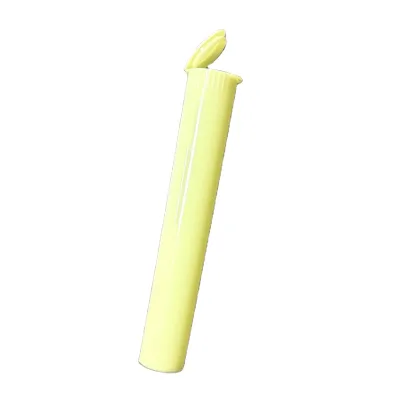
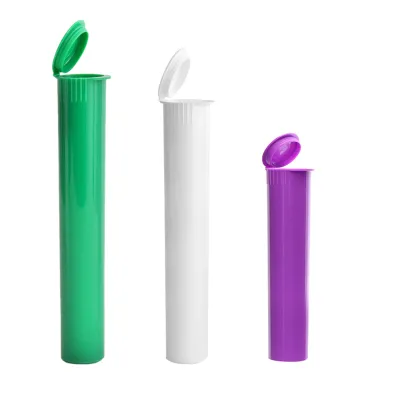
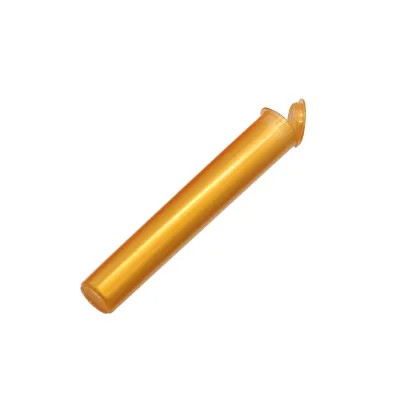
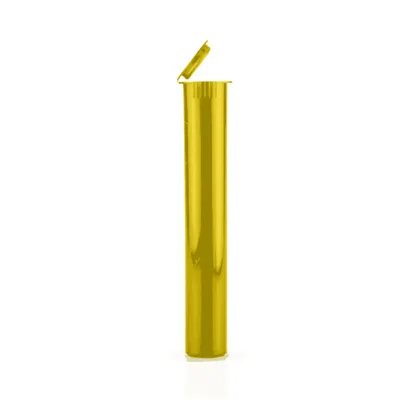
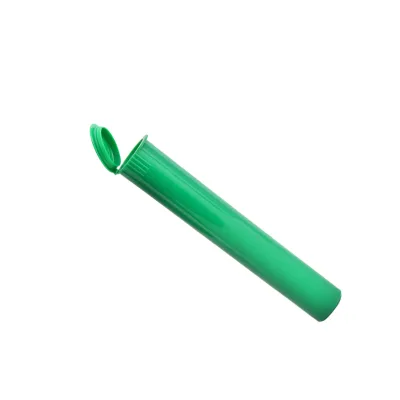
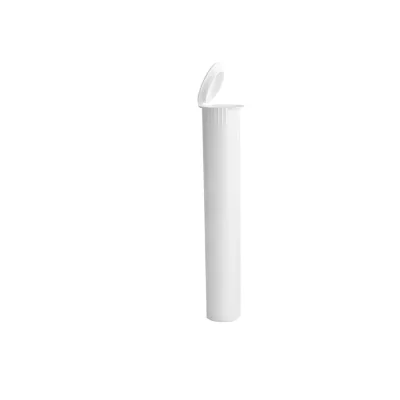
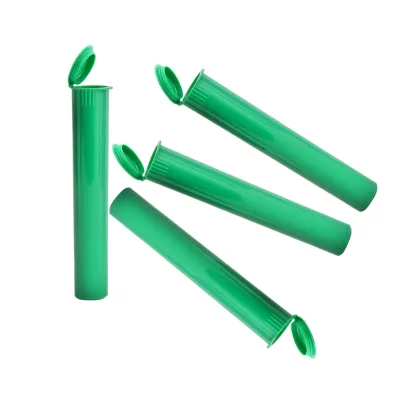


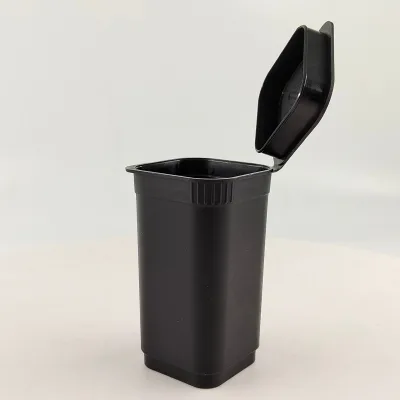
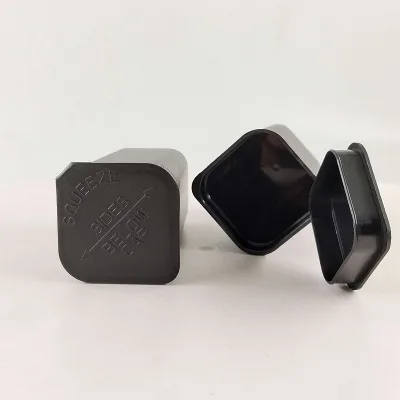
Pop Top Square Shape 13 19 30 60Dram Child Resistant Flower Packing Bottle
$0.08 - $0.15
MOQ: 5000 pieces


Comprehensive Sourcing Guide
Strategic Sourcing Guide for Child-Resistant Pop Top Containers
The global demand for secure packaging solutions has intensified as regulatory bodies and consumers alike prioritize safety in the storage of sensitive products. For procurement professionals seeking child-resistant pop top containers, the market offers a diverse array of options ranging from simple plastic closures to complex multi-component systems. This guide synthesizes available product data and industry standards to provide a structured approach for sourcing these critical components. Buyers must navigate a landscape where customization, material integrity, and compliance are paramount. The following sections detail the technical specifications, certification requirements, cost structures, and evaluation criteria necessary for a successful procurement strategy.
Technical Specifications and Design Variability
Understanding the precise technical attributes of child-resistant pop top containers is the first step in defining a procurement requirement. The observed product data indicates a high degree of variability in design, material, and application. A primary observation is the material composition, which is predominantly Plastic. This material choice offers flexibility in manufacturing processes, allowing for the creation of lightweight yet durable containers. The specific Neck Finish identified in the supply data is 24-Special, a standard dimension that dictates the compatibility of the closure with various bottle bodies. Buyers must verify that their existing bottle inventory matches this neck finish or plan for custom tooling if a different finish is required.
The Sealing Type is a critical differentiator in this category. The data highlights Pop Top and Easy Open End as primary sealing mechanisms. While "Pop Top" implies a specific tactile action often associated with safety, the Closure Type is explicitly defined as Child-Resistant Cap in several listings. This distinction is vital; a container may have a pop-top mechanism but not necessarily meet the rigorous standards of child resistance unless the locking mechanism is specifically engineered to do so. The Shape of these containers is typically Round or Round Bottle, with Clear and Green being common color options, though Custom colors are available.
Capacity and volume specifications vary significantly across the supply base. Listings show capacities ranging from 30 ml to larger volumes, with specific dimensions such as 19*102mm noted for certain models. The Thickness of the material is observed at 0.1 mm, a metric that directly influences the structural integrity and the force required to operate the child-resistant mechanism. Buyers should note that the Flexibility of the plastic is described as Half Hard, a balance that ensures the container maintains its shape while allowing the necessary deformation for the pop-top action. The Surface Treatment often involves Hot Stamping or Offset Printing, which are essential for branding and regulatory labeling.
Compliance, Certification, and Regulatory Alignment
In the realm of child-resistant packaging, compliance is not merely a recommendation but a legal and safety imperative. The product data references several certifications, including FDA, ISO, and CE. These designations suggest that the manufacturers have undergone processes to validate their materials and production methods against international standards. However, buyers must exercise caution. While the data lists these certifications, it does not specify the exact version of the standard or the scope of the certification for each specific product model.
The prod_standard field in the data lists various dropper sizes or standard designations such as 6, 13, 19, 30, 60, 90 dr and 6D, 13D, 19D, 30D, 60D, 90D. These likely refer to the diameter or specific closure standards (e.g., 24-410, 24-425) rather than safety certifications themselves. Buyers must verify that the specific child-resistant mechanism meets the relevant regulatory requirements for their target market, such as the US Consumer Product Safety Commission (CPSC) standards for child-resistant packaging (16 CFR 1700) or the European Standard EN 14375.
The data also mentions ASTM D3475 in a low-confidence background section. While this standard relates to the testing of plastic containers, it should not be assumed as a definitive compliance marker without direct verification from the supplier. Procurement teams should request current, valid certification documents for the specific batch or model being purchased. The Certificate field in the data lists FDA/ISO/CE, which implies a baseline of quality management and material safety, but these do not automatically equate to child-resistance certification. The buyer's responsibility is to ensure that the "Child-Resistant Cap" designation is backed by third-party testing results specific to the product's intended use, whether for Food, Herbal Supplements, Medicine, or Cosmetics.
Cost Drivers and Economic Factors
The economic landscape for sourcing child-resistant pop top containers is influenced by several key variables. The observed MOQ (Minimum Order Quantity) ranges widely, from 2 to 20,000 units, with specific listings highlighting 1,000 PCS and 10,000 PCS as common thresholds. This variance suggests that suppliers may offer tiered pricing structures or have different capabilities for small-batch customization versus high-volume production. The Price range observed is 0.01 to 0.2 USD, indicating a highly competitive market where economies of scale play a significant role.
Customization is a major cost driver. The data confirms that Logo printing is Accepted and Custom, and Color can be Custom. Implementing custom Offset Printing or Hot Stamping adds to the unit cost compared to standard clear or green options. The prod_packing method, described as Standard Export Packaging or Standard Export Carton Package, also impacts the final landed cost. Buyers should consider whether the packaging needs to be customized for retail presentation or if standard export cartons suffice for bulk distribution.
The Material choice, specifically Plastic and the mention of Recycled content, can influence pricing. While Recycled materials are available, they may command a different price point depending on the purity and processing requirements. Additionally, the Neck Finish complexity, such as the 24-Special feature, may require specialized tooling, which could increase the initial setup costs or affect the lead time. Buyers should request detailed quotes that break down the cost of the unit, the tooling fees (if any), and the packaging costs to understand the true cost structure.
Typical Applications and Usage Scenarios
The versatility of child-resistant pop top containers is evident in the diverse applications listed in the product data. These containers are designed to serve multiple industries, each with its own set of requirements regarding material safety, sealing integrity, and branding. The Usage field explicitly mentions Food, Herbal Supplements, Medical, and Cosmetics.
For the Food industry, the FDA certification is particularly relevant, ensuring that the plastic materials do not leach harmful substances into the food product. The Sealing Type of Pop Top or Easy Open End must provide an airtight seal to maintain freshness and prevent contamination. In the Herbal Supplements and Medical sectors, the Child-Resistant Cap is a non-negotiable safety feature. These products often contain potent ingredients that pose a risk to children if ingested accidentally. The Volume and Capacity of the container must align with the dosage requirements of the product, ranging from small 30 ml doses to larger quantities.
The Cosmetics application highlights the aesthetic requirements of the packaging. The Shape being Round and the availability of Custom colors allow for brand differentiation. The Surface Treatment options like Hot Stamping and Logo Printing are crucial for creating a premium look on the shelf. The Keyword "Pop Top Tube" suggests that these containers may also be used for products that require a specific dispensing mechanism, such as creams or gels, where the pop-top action facilitates easy access for the adult user while maintaining safety for children.
Supplier Evaluation and Selection Criteria
Selecting the right supplier requires a rigorous evaluation process that goes beyond price and basic specifications. The data indicates that suppliers are located in China, with specific origins noted as Hefei and Anhui. While these locations are known manufacturing hubs, buyers should verify the specific capabilities of the supplier regarding child-resistant mechanisms.
Key evaluation criteria include the supplier's ability to provide Samples. The data mentions Free Samples and Freely available samples, which is a positive indicator of supplier confidence. Buyers should utilize these samples to test the actual child-resistance mechanism, the seal integrity, and the quality of the printing. The Flexibility of the material, described as Half Hard, should be tested to ensure it meets the tactile requirements of the end-user.
The prod_packing method, whether Standard Export Carton Package or Packaging in Carton, should be evaluated for its ability to protect the product during transit. The Standard Export Packaging suggests a level of professionalism, but buyers should confirm the specific packaging materials used to prevent damage. Furthermore, the supplier's ability to handle Customization in terms of Logo, Color, and Neck Finish is essential. The data shows a wide range of prod_model numbers (e.g., LEO06-30, 24MARK11-010, 26Sunny07-05), indicating a diverse product portfolio. Buyers should ensure the supplier can support the specific model required for their application.
Quality Control and Long-Term Procurement Considerations
Maintaining consistent quality is critical for child-resistant packaging. The Quality Control process should include regular testing of the child-resistance mechanism, seal integrity, and material durability. The Thickness of 0.1 mm and the Half Hard flexibility are specific attributes that must be maintained across production runs. Any deviation could compromise the safety of the product. Buyers should request a Quality Assurance Plan from the supplier that outlines the testing procedures and frequency.
Long-term procurement considerations involve the stability of the supply chain and the ability to scale. The MOQ ranges from 2 to 20,000, offering flexibility for both startups and established brands. However, buyers should plan for potential fluctuations in raw material costs, particularly for Plastic. The availability of Recycled materials suggests a potential for sustainable sourcing, which may be a strategic advantage for brands with environmental goals.
The Lead Time and Production Capacity are also critical factors. While specific lead times are not provided in the data, the wide range of MOQ and the presence of Free Samples suggest that suppliers are responsive to market demands. Buyers should establish clear communication channels and define expectations regarding Customization timelines. The Standard Export Packaging and Standard Export Carton Package indicate that the suppliers are experienced in international shipping, but buyers should verify the packaging standards to ensure compliance with their own logistics requirements.
In conclusion, sourcing child-resistant pop top containers requires a balanced approach that considers technical specifications, regulatory compliance, cost efficiency, and supplier reliability. By leveraging the available data and conducting thorough due diligence, buyers can secure a supply chain that ensures product safety and meets the diverse needs of the food, medical, and cosmetic industries. The key lies in verifying the specific attributes of each product model and maintaining a proactive relationship with suppliers to navigate the complexities of this specialized market.
FAQs
Can I get free samples of child resistant pop top containers?
Yes, free samples are available for many Child Resistant Pop Top Container models to verify quality before bulk orders. Buyers should request specific models like LEO06-30 or 24MARK11-010 to test the child-resistant mechanism and sealing type directly.
What certifications do child resistant pop top containers typically hold?
Many listed child resistant pop top containers hold FDA, ISO, and CE certifications to ensure material safety and quality management. These certifications apply to plastic materials used for food, medicine, and cosmetic applications, though specific batch verification is always required.
Which customization options are available for child resistant pop top containers?
Customization options include logo printing, custom colors, and specific neck finishes like the 24-Special feature. Buyers can request offset printing or hot stamping for branding, and the plastic material allows for various shapes and capacities such as 30 ml.
How does the MOQ vary for child resistant pop top containers?
Minimum order quantities range widely from 2 to 20,000 pieces depending on the supplier and customization level. Some listings specify 1,000 PCS or 10,000 PCS as standard thresholds, allowing flexibility for both small startups and large-scale procurement needs.
What materials are used for child resistant pop top containers?
The primary material is plastic, often described as half-hard to balance flexibility and structural integrity. Some options include recycled plastic content, and the material thickness is typically around 0.1 mm to ensure durability for food and medical uses.
Can child resistant pop top containers be used for herbal supplements?
Yes, these containers are explicitly listed for use with herbal supplements, food, and medical products. The child-resistant cap design ensures safety for potent ingredients while the pop top or easy open end provides convenient access for adult users.
What is the price range for child resistant pop top containers?
The observed price range is between 0.01 and 0.2 USD per unit, varying based on volume and customization. Economies of scale significantly impact the final cost, with higher volumes generally reducing the per-unit price for standard clear or green options.