Source Chinese On-Glazed Floor Vase for Home, Hotel, Restaurant
Explore 30 listings of Chinese on-glazed floor vase options suitable for home, hotel, and restaurant settings. Buyers can compare sizes, shapes, and customization features to find the ideal decorative piece for their specific needs.
Key considerations
Products List
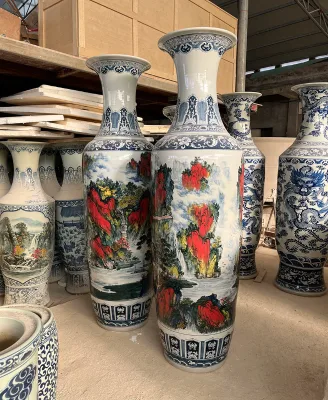
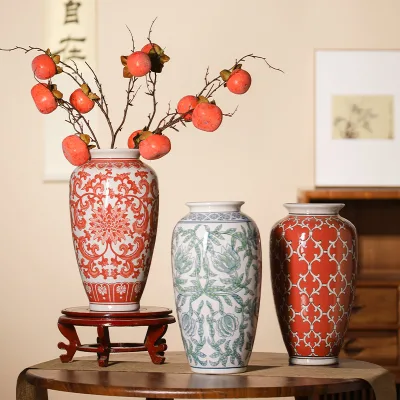


Matte Ceramic Vase Ins Style Porcelain Flower Vase Simple Ceramic Floor Vase
$1.00 - $3.00
MOQ: 3000 Pieces

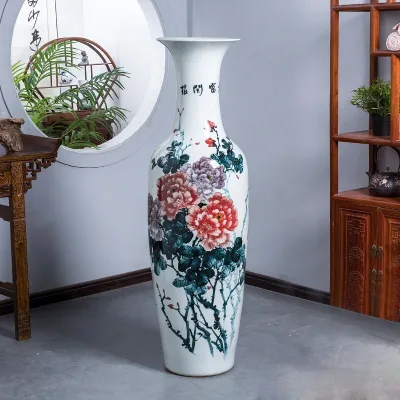
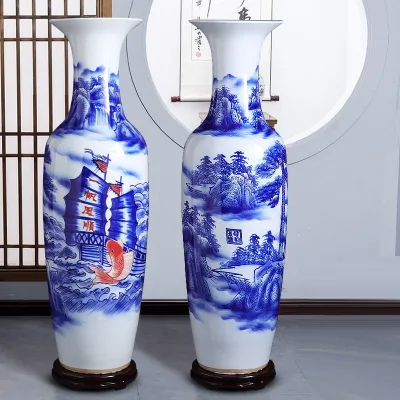
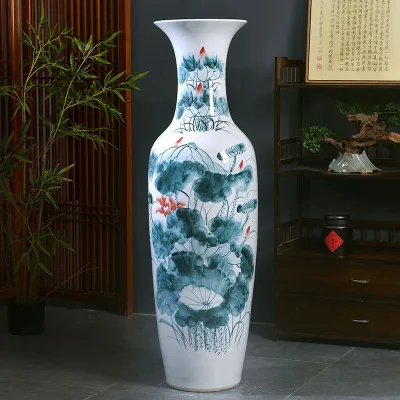
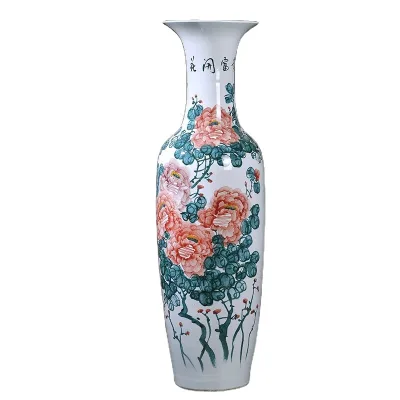


Decorative Flower Vase Nordic Floor Standing Vase Polyresin Fashion Vase
$3.78 - $4.20
MOQ: 100 Pieces


Comprehensive Sourcing Guide
Strategic Sourcing Guide for Chinese On-Glazed Floor Vases
Understanding Product Definitions and Material Variations
When sourcing a "Chinese on-glazed floor vase," buyers must first navigate the complex landscape of material definitions often found in B2B listings. The term "on-glazed" specifically refers to a ceramic finishing process where the decorative color is applied over a pre-fired base glaze, followed by a second firing to fix the design. This is distinct from "under-glazed" techniques where pigment is applied before the clear glaze, or "glass" products that utilize a blowing process rather than ceramic firing. In the current market, listings for floor vases frequently mix these categories. A specific observation from available product data indicates that while some items are explicitly labeled as "Ceramic" with an "On-glazed" finish, other entries in the same search context describe "Glass" materials with "Blown" processing and "Color Glazed" or "Under Glazed" attributes.
Buyers must verify the material composition before finalizing an order. The core keyword implies a ceramic substrate, yet market data shows a significant overlap with glass floor vases that share similar aesthetic goals but differ fundamentally in durability and manufacturing. For instance, product specifications list materials ranging from "Ceramic" to "Glass," with sizes varying from "Medium" to specific dimensions like "Height 120cm" or "Top Dia. 6xBottom8.7xH20.2cm." The "On-glazed" attribute is a critical differentiator for ceramic pieces, offering a specific visual depth and texture that "Color Glazed" or "Glass" items may not replicate. Procurement teams should treat product attributes as observations rather than universal claims; not every item labeled as a floor vase will possess the "On-glazed" characteristic, even if it appears in the same search result set.
Technical Specifications and Dimensional Standards
Precision in technical specifications is paramount when ordering large decorative items like floor vases, as shipping costs and structural integrity are heavily influenced by dimensions. The market data reveals a wide variance in sizing, with some products defined by generic terms like "S" or "Medium," while others provide exact metric measurements. A notable specification observed is a height of 120cm, which classifies the item as a true floor vase suitable for large spaces. Conversely, other entries list smaller dimensions such as "Top Dia. 1xW8xH11cm" or "13.2*24.3cm H," which may be better suited for table centerpieces rather than floor placement.
Buyers must carefully cross-reference the "Size" attribute with the intended application. The data indicates that some models come in "4 Sizes" or "3 Sizes," suggesting a modular approach to inventory. For a floor vase, the "Shape" is typically "Round," though "Irregular" shapes are also available, offering a "Creative" or "Modern" design style. The "Pattern" can range from "Solid" to "Geometric," and the "Glaze Type" must be confirmed as "On-glazed" to meet the specific aesthetic requirement. When evaluating suppliers, request detailed dimension sheets that distinguish between the "Top Dia," "Bottom Dia," and total "Height." Relying on generic terms like "Large" or "Medium" without specific measurements can lead to significant discrepancies in how the product fits within a commercial or residential space.
Compliance, Certification, and Quality Standards
In the B2B sector, compliance and quality assurance are non-negotiable, particularly for items destined for hospitality or high-traffic commercial environments. The product data mentions a "Quality Standard" of "a-B Grade" or "According to Your Requirements." This indicates that manufacturers often operate with flexible grading systems rather than rigid, universally standardized certifications. Buyers should not assume that a listed product automatically meets international safety or material standards without explicit verification. The "Standard" attribute in the data sometimes references the material itself (e.g., "glass") or specific dimensions, but rarely cites third-party certifications like ISO or SGS.
For on-glazed ceramics, the primary compliance concern involves lead content and cadmium leaching, especially if the vases are intended for environments where they might come into contact with food or water, although floor vases are primarily decorative. Buyers must explicitly request test reports regarding glaze safety. The data notes that "Quality Standard" can be tailored, which is an opportunity for buyers to define their own acceptance criteria. This includes specifying the acceptable ratio of Grade A to Grade B units in a shipment. Furthermore, the "Processing" method, such as "Blown" for glass or firing for ceramics, impacts the structural integrity. Suppliers should provide evidence that their "On-glazed" process ensures the color is durable and does not flake under normal handling conditions.
Cost Drivers and Pricing Dynamics
The pricing for Chinese floor vases is influenced by a confluence of factors including material cost, glaze complexity, size, and customization requirements. The observed price range in the market is extensive, spanning from $0.35 to $473.38. This vast disparity is not merely a reflection of brand value but is driven by the specific attributes of the product. A "Glass" vase with a "Blown" process and "Multicolor" finish may sit at a different price point than a "Ceramic" vase with a complex "On-glazed" design and a height of 120cm. The "Customization" attribute is a significant cost driver; items that allow for logo customization or specific color adjustments typically command a premium.
The "MOQ" (Minimum Order Quantity) also plays a critical role in unit pricing. The data shows an MOQ range from 1 to 5000 units. A buyer ordering a single unit for sampling will face a significantly higher per-unit cost compared to a bulk order of 5000 units. Additionally, the "Packaging" method, listed as "Carton," adds to the overall cost, especially for large, fragile items like a 120cm floor vase. Shipping costs for such items are substantial due to the volume and weight, which must be factored into the total landed cost. Buyers should analyze the price per unit relative to the "Design Style" (e.g., "Luxury" or "Fashion") and the "Brand Name" (e.g., "SUOLIDE" or "Gufeng"), understanding that branded items may carry a markup even if the physical specifications are similar to generic alternatives.
Supplier Evaluation and Origin Verification
Evaluating suppliers for on-glazed floor vases requires a deep dive into their operational capabilities and geographic location. The primary origin for these products is identified as "Jiangxi, China," a region renowned for its ceramic industry. However, the data also lists "China" as a general origin, necessitating verification of the specific factory location. A supplier claiming to produce "On-glazed" ceramics must have the specific kiln infrastructure to perform the double-firing process. Buyers should verify if the supplier is a direct manufacturer or a trading company, as this affects the ability to customize the "Glaze Type" and "Pattern."
The "Brand Name" field in the data includes names like "SUOLIDE" and "Gufeng," but buyers should not rely solely on brand recognition. Instead, they should assess the supplier's ability to handle "Customization" requests, such as modifying the "Logo" or adjusting the "Size" to specific requirements. The "Application Scenario" listed includes "Home," "Restaurant," "Hotel," and "Market," indicating that suppliers must have experience catering to diverse client needs. When evaluating a supplier, request samples that match the "On-glazed" specification exactly, as visual discrepancies in glaze finish are common. Additionally, check the supplier's capacity to handle the "prod_packing" requirements, ensuring that the "Carton" packaging is robust enough to prevent breakage during transit, especially for items with "Irregular" shapes or large dimensions.
Quality Control and Long-Term Procurement Strategy
Implementing a robust quality control (QC) strategy is essential for managing the risks associated with importing fragile ceramic and glass floor vases. Given the "Quality Standard" of "a-B Grade," buyers must establish clear inspection protocols before shipment. This includes checking for "On-glazed" defects such as uneven color application, bubbling, or cracking. For items with "Geometric" or "Solid" patterns, the alignment and consistency of the design must be verified. The "Process" of firing can introduce variations, so a random sampling plan should be used to ensure that the batch meets the agreed-upon standards.
Long-term procurement considerations involve building a relationship with suppliers who can maintain consistency in the "On-glazed" finish over multiple production runs. The "Customization" feature allows for brand differentiation, but it requires precise communication to ensure the "Logo" and "Pattern" remain consistent. Buyers should also consider the "Usage" context; for "Home Restaurant Hotel Decoration," the vases must withstand frequent handling and cleaning. Establishing a clear "Quality Standard" that goes beyond the generic "a-B Grade" definition is crucial. This might involve setting specific limits on the percentage of Grade B items allowed in a shipment or requiring a specific glaze thickness. Finally, maintaining a buffer stock of best-selling sizes and designs can mitigate lead time risks, ensuring that the "Home" and "Commercial" decoration needs are met without interruption.
Application Scenarios and Design Integration
The versatility of on-glazed floor vases makes them suitable for a wide array of "Application Scenarios," including "Kitchen," "Restaurant," "Market," "Gift," and "Promotion." The "Design Style" options, ranging from "Modern" to "Luxury" and "Fashion," allow these items to integrate seamlessly into various interior design schemes. For "Home" decoration, the "Round" or "Irregular" shapes can serve as focal points in living rooms or entryways. In "Hotel" and "Restaurant" settings, the "On-glazed" finish adds a touch of elegance and durability, provided the glaze is resistant to wear and tear.
The "Occasion" of "congratulations" suggests that these vases are also popular as gifts, which underscores the importance of high-quality packaging and presentation. The "Color" options, including "Blue and white," "Multicolor," and "Solid," offer flexibility in matching existing decor. Buyers should consider the "Age" demographic, noting that the "All People" suitability implies a broad market appeal. When selecting a product, the "Function" as a "Floor Vase" must be balanced with the aesthetic requirements of the space. For instance, a "Creative" style with a "Geometric" pattern might suit a modern office lobby, while a "Luxury" style with a "Solid" pattern might be better for a high-end residential setting. Understanding these nuances ensures that the procurement decision aligns with the end-user's expectations and the specific "Usage" requirements of the project.
FAQs
What is the typical height for a Chinese on-glazed floor vase?
The typical height for a Chinese on-glazed floor vase is 120cm, which classifies it as a true floor vase suitable for large spaces. Some models may also be listed as medium or small sizes, so verify the exact dimensions before ordering to ensure they fit your intended location.
Can I customize the logo on these ceramic vases?
Yes, logo customization is available for these ceramic vases, allowing you to add your brand identity. This service typically requires meeting a specific minimum order quantity, so confirm the exact MOQ with the supplier before finalizing your design requirements.
Which material is used for the on-glazed floor vase?
The on-glazed floor vase is made of ceramic, featuring a decorative color applied over a pre-fired base glaze. While some listings may mention glass, the specific on-glazed finish described here applies to the ceramic substrate to ensure durability and the correct visual depth.
How many size options are available for this product model?
Some product models offer four distinct size options, while others provide three sizes to suit different space requirements. You should check the specific model number, such as SV-267 or JT0378, to confirm the exact number of sizes available for your order.
What is the origin location for these ceramic vases?
The origin location for these ceramic vases is Jiangxi, China, a region renowned for its ceramic industry. This specific location ensures access to specialized kilns capable of the double-firing process required for the on-glazed finish on your order.
Can the product be used for hotel and restaurant decoration?
Yes, the product is suitable for home, restaurant, and hotel decoration as a floor vase. Its modern and luxury design styles make it appropriate for various application scenarios, provided the glaze quality meets your specific durability requirements for high-traffic areas.
What is the standard packaging method for these vases?
The standard packaging method for these vases is carton packing, designed to protect the fragile ceramic during transit. For large items like the 120cm height model, ensure the carton is robust enough to prevent breakage, especially given the irregular or round shapes available.