Source Chinese Pharmacopoeia Cinnamon Bark for Food, Medicine, and Cosmetics
Compare 30 listings for Chinese Pharmacopoeia Cinnamon Bark sourced from Hunan, China. Options include food-grade extracts and crude medicine forms with certifications like HACCP and ISO. Evaluate specifications such as cinnamaldehyde content and packaging to find suitable suppliers for your procurement needs.
Key considerations
Products List


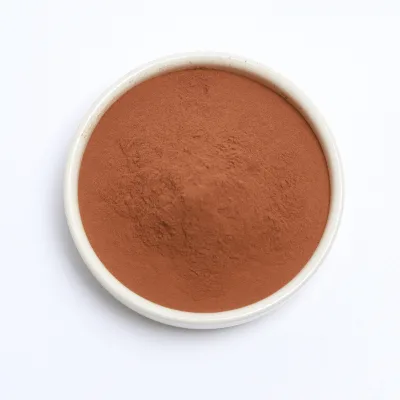
Plant Extract Cinnamon Bark Extract Cinnamic Aldehyde 5% Cassia Cinnamon Extract
$10.00 - $15.00
MOQ: 1 kilograms


Export Superior Seasoning Condiment Chinese Cinnamon with Competitive Price
$3000.00 - $6000.00
MOQ: 1 Tons




Comprehensive Sourcing Guide
Chinese Pharmacopoeia Cinnamon Bark Sourcing Guide
Buyers must first distinguish between the specific botanical species required for their formulation, as the market lists distinct Latin names such as Cortex Cinnamomi and Alpinia Katsumadai Hayata under similar common names. The core keyword often refers to Cortex Cinnamomi, known in Chinese as Rou Gui, which is characterized by its pungent and sweet properties and very warm nature, whereas other listings may describe Cercis Chinensis or crude medicine forms. Understanding these botanical distinctions is critical before initiating contact, as the active ingredients and therapeutic applications vary significantly between the true cinnamon bark and other plant barks that might appear in search results.
Procurement teams should verify the specific product model and form factor against their internal specifications, noting that listings range from broken split cassia and whole slices to fine powders and wax forms. The observed data indicates that packaging varies from 1kg bags to 25kg cartons, with some suppliers offering standard export cartons while others specify 10-25kg per carton. Buyers must align their requested form, whether it be a crude medicine, edible application, or daily-use chemical, with the exact product model listed to ensure the physical characteristics match the intended manufacturing process.
Product Scope and Observed Listing Signals
The product scope for cinnamon bark extracts and raw materials is broad, covering applications in daily-use chemicals, edible products, and traditional Chinese herbal medicine. Listings frequently highlight the active ingredient as cinnamaldehyde or volatile oils, which are essential for flavoring and therapeutic efficacy. However, buyers must carefully review the "Used Part" attribute, as some entries specify the bark while others may refer to different plant parts or entirely different species like the bark of the Chinese Redbud, which requires distinct verification to avoid sourcing errors.
Observed listing signals reveal a wide variance in packaging standards and product grades, with some items explicitly marked as food grade while others are categorized as crude medicine. The presence of specific attributes like "Dosage: Fried Served with Water" suggests traditional preparation methods, whereas other entries list application forms such as capsules, tablets, or injections. This diversity necessitates a rigorous filtering process where buyers confirm that the listed application and dosage instructions align precisely with their regulatory requirements and final product formulation goals.
Technical Specifications to Verify
Technical verification begins with the active ingredient profile, specifically confirming the presence and concentration of cinnamaldehyde and volatile oils as the primary functional components. Buyers should request batch-specific test reports to validate these chemical markers, as the potency can fluctuate based on the harvest season and the specific origin of the bark. The distinction between Cortex Cinnamomi and other species like Alpinia Katsumadai is paramount, as their chemical profiles differ, and relying solely on the common name without verifying the Latin name can lead to formulation failures.
Physical specifications such as the product model, form, and particle size must be strictly defined to ensure compatibility with downstream processing equipment. The market offers models ranging from whole bark and slices to fine powders, with packaging standards like 1kg/bag or 25kg/carton affecting handling and storage logistics. Buyers must confirm the exact standard, whether it is whole, slice, or powder, and verify the storage method requirements, as some products may require specific conditions to maintain the integrity of the volatile oils and prevent degradation during transit.
Compliance and Safety Documentation
Compliance documentation is a critical hurdle, with suppliers often citing a range of certifications including HACCP, ISO, FDA, GMP, and BRC. Buyers must demand current, valid certificates that specifically cover the product category and the manufacturing facility, rather than accepting generic claims. The presence of multiple certifications like ISO9001/22000 and GMP suggests a robust quality management system, but the buyer must verify that these certifications are active and applicable to the specific batch of cinnamon bark being sourced to ensure regulatory adherence in their target market.
Safety data sheets and certificates of analysis are essential for verifying that the product meets food grade or pharmaceutical grade standards without harmful contaminants. The observed listings mention standards like RoHS and FDA, which are relevant for specific export markets, but buyers must ensure these apply to the specific botanical material and not just the packaging or facility. It is vital to cross-reference the listed certifications with the actual product specifications to confirm that the material is safe for its intended use, whether as an edible ingredient or a component in a medicinal formulation.
Cost Drivers and Commercial Terms
Cost drivers in the cinnamon bark market are heavily influenced by the grade of the material, the form factor, and the complexity of the extraction or processing involved. While the observed price range spans from 1 to 6000 USD, this variance likely reflects differences between raw crude bark, processed extracts, and specialized forms like wax or specific powders. Buyers should analyze the cost per unit of active ingredient rather than the total price, as a lower price for raw bark may incur higher processing costs later, whereas a higher price for a standardized extract may offer better consistency and reduced waste.
Commercial terms such as Minimum Order Quantity (MOQ) and lead times vary significantly, with some suppliers listing an MOQ of 1kg while others require 1 ton. The observed data shows a wide range of 1 to 1000 units, indicating that buyers can find options for both small-scale trials and large-volume production. However, the specific MOQ must be confirmed for the exact product model and packaging size, as a 1kg MOQ for a specific extract may not apply to bulk raw bark, and buyers must negotiate terms that align with their inventory capacity and cash flow requirements.
Supplier Qualification and Quality Control
Supplier qualification requires a deep dive into the place of origin and the cultivation methods used, as the quality of the bark is intrinsically linked to the soil and climate of the growing region. The observed data points to Hunan, China, as a primary origin, but buyers should verify if the specific batch is cultivated or wild-harvested, as this impacts the consistency and purity of the active ingredients. Understanding the supply chain from the farm to the processing facility is essential to ensure that the supplier has direct control over the quality of the raw material before it enters the manufacturing process.
Quality control protocols must be established to verify that the product meets the specified standards for purity, moisture content, and microbial limits. Buyers should request a detailed quality control plan that outlines testing procedures for the active ingredients and potential contaminants, ensuring that the supplier adheres to the stated certifications like HACCP and GMP. Regular audits and third-party testing are recommended to maintain consistency, as the natural variability of botanical products requires rigorous oversight to prevent batch-to-batch discrepancies that could affect the final product's performance.
Long-Term Procurement Checks
Long-term procurement success depends on establishing a stable supply chain that can withstand market fluctuations and ensure consistent product availability. Buyers should monitor the shelf life of the product, which is listed as 2 years for some items, and plan their inventory management to utilize the material before expiration. It is crucial to maintain a relationship with the supplier that allows for early notification of any changes in cultivation practices, harvest yields, or regulatory requirements that could impact the supply of the specific cinnamon bark variety.
Continuous verification of the supplier's compliance status and quality records is necessary to mitigate risks associated with regulatory changes or supply chain disruptions. Buyers must periodically re-validate certifications and test results to ensure that the product continues to meet the required standards over time. Establishing a clear communication channel for quality issues and maintaining a buffer stock of critical materials can help mitigate the impact of any unforeseen delays or quality deviations, ensuring a reliable supply for ongoing production needs.
FAQs
What is the active ingredient in cassia cinnamon bark extract?
The primary active ingredient is cinnamaldehyde, often accompanied by volatile oils. This extract is derived from the bark of the cinnamon tree and is widely used in daily-use chemicals and edible applications. The product is available in various forms, including powder and broken split bark, ensuring versatility for different industrial and consumer needs.
Which certifications are available for cinnamon bark products?
Products typically hold HACCP, ISO, FDA, ISO9001/22000, GMP, and BRC certifications. These standards ensure quality and safety for food-grade applications. Some listings also mention RoHS compliance. Buyers can verify specific certificates to meet regulatory requirements for export or domestic distribution, ensuring the supply chain meets international quality benchmarks.
Can I customize the packaging for bulk orders?
Yes, customization is available for packaging requirements. Standard options include 25kg cartons or 1kg bags with 20 bags per carton. The packaging material is usually plastic or standard export cartons. Buyers can request specific configurations to suit their logistics needs, ensuring the product remains protected during storage and transportation while meeting brand labeling requirements.
What is the typical shelf life of cinnamon bark extract?
The shelf life is generally two years when stored under normal conditions. Proper storage ensures the integrity of the active ingredients like cinnamaldehyde. Buyers should follow the specified storage methods to maintain quality. This duration allows for adequate inventory management and distribution timelines, ensuring the product remains effective for its intended applications in food or chemical industries.
Where is the origin of these cinnamon bark products?
The place of origin is Hunan, China. Products are sourced from this region, which is known for its agricultural output. The origin is clearly stated on product listings, helping buyers trace the supply chain. This location-based information is crucial for logistics planning and assessing the authenticity of the botanical source, ensuring transparency in the procurement process.
What is the minimum order quantity for these products?
The MOQ varies, with some listings requiring 1 ton and others allowing 1 kg. This flexibility caters to both large-scale industrial buyers and smaller testing orders. Buyers should check specific product pages for exact MOQs. Understanding these thresholds helps in planning procurement budgets and inventory levels, ensuring efficient ordering without excessive stockpiling or supply shortages.