Source Chinese Style Potato Chips for Kids, Adults, and Events
Compare 30 listings of Chinese Style Potato Chips featuring puffed textures, varied ingredients like cereals and lentils, and customizable packaging. Buyers can evaluate options for healthy snacking, daily energy, and gift purposes across different markets.
Key considerations
Products List


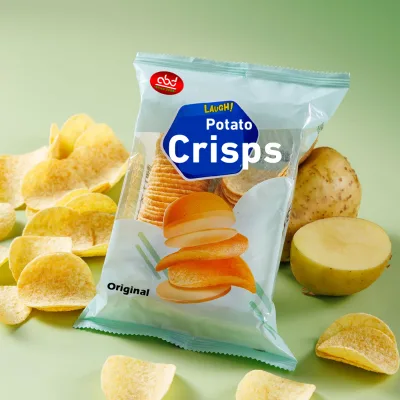


$14000.00 - $100000.00
MOQ: 1 Pieces


Comprehensive Sourcing Guide
Strategic Sourcing Guide for Chinese Style Potato Chips
Navigating the global market for Chinese Style Potato Chips requires a disciplined approach that balances traditional flavor profiles with modern safety standards. The supply chain for these snacks is robust, with manufacturers primarily located in regions like Hebei, China, specifically in cities such as Shijiazhuang. Buyers must distinguish between generic potato products and those adhering to specific "Chinese style" attributes, which often involve unique processing methods and flavor profiles like spicy tastes. This guide outlines the critical technical, compliance, and operational factors necessary for successful procurement in this category.
Technical Specifications and Product Attributes
The technical definition of the product begins with its core composition and physical characteristics. The primary ingredient is consistently identified as potato, though some variations may include corn or other cereals to create multi-ingredient snacks. The processing type is predominantly fried, which dictates the texture and shelf stability of the final product. In terms of physical form, buyers should expect variations in shape, with oval and strip styles being common observations. The color profile typically ranges from brown to yellow, reflecting the natural state of the potato after frying and seasoning.
Packaging plays a vital role in maintaining product integrity. The standard packaging material observed is paper, often utilized in the form of cartons or boxes. Inside these outer containers, individual units are frequently sealed in foil bags to ensure freshness. A common specification for bulk shipping involves a standard of 24 tins per carton, though some listings indicate a weight of 5 kg per unit. The product model often refers to "potato chips" or "potato crisp," and the variety is sometimes described as medium maturing. These technical details form the baseline for any Request for Quotation (RFQ) to ensure the supplier understands the exact physical requirements of the order.
Compliance and Certification Verification
In the international food trade, certification is not merely a formality but a prerequisite for market access. The supplied data indicates that manufacturers in this sector often hold a suite of high-confidence certifications, including BRC, ISO, FDA, HACCP, and Halal. These certifications are critical for verifying that the production facility adheres to rigorous hygiene and safety protocols. The Halal certification is particularly significant for buyers targeting the Muslim market, as it ensures the product is suitable for consumption by Muslim consumers. Additionally, Kosher certification is noted, expanding the potential market reach to Jewish consumers.
Buyers must verify these certifications directly rather than relying on marketing claims. The presence of these standards suggests a facility capable of meeting international export requirements. However, it is essential to confirm that the specific product batch being sourced is covered under the current certification scope. For instance, while a factory may hold an ISO certification, the specific production line for spicy potato chips must be audited to ensure compliance. The absence of a specific standard, such as ISO 9001, in the high-confidence list suggests that buyers should not assume its presence without explicit verification from the supplier.
Cost Drivers and Pricing Dynamics
The pricing structure for Chinese Style Potato Chips is influenced by several variable factors. The observed price range in the market is extremely broad, spanning from $0.01 to $100,000. This vast discrepancy is not indicative of a single product type but rather reflects the difference between unit pricing for small samples and bulk container loads, or potentially the inclusion of custom packaging and branding services. The Minimum Order Quantity (MOQ) also varies significantly, ranging from 1 to 5,000 units. This flexibility allows buyers to test the market with small orders or commit to large volumes for better economies of scale.
Key cost drivers include the complexity of the flavor profile, such as the spicy taste noted in the product attributes, and the packaging requirements. Customization is available, which can increase costs if the buyer requires specific branding, unique shapes, or specialized foil bag designs. The origin of the raw materials, specifically potatoes from the Hebei region, influences the base cost. Furthermore, the processing method, being fried, adds energy and oil costs to the production equation. Buyers should request a detailed breakdown of costs to understand how much of the price is attributed to raw materials, processing, packaging, and logistics.
Typical Applications and Market Segmentation
The application of these potato chips extends across various demographic segments. The product is suitable for all age groups, including children, adults, and the elderly. This broad applicability makes it a versatile product for retail distribution, vending machines, and food service channels. The product is often marketed as a healthier snack option, with attributes such as being less salty, low fat, and less oily. Some variations are described as "green food snacks" when they incorporate lentils and chickpeas, appealing to health-conscious consumers.
The product also serves specific dietary needs. It is suitable for vegans and is marketed as "all in natural," which appeals to consumers seeking clean-label products. The "Nibble Time" attribute suggests its use as a casual snack for daily consumption, providing energy throughout the day. Additionally, the product can be positioned as a gift item, particularly when packaged with candies or toys, targeting the couple or family market. Understanding these applications helps buyers align their sourcing strategy with their specific target demographic, whether it is a mass-market retailer or a niche health-food store.
Supplier Evaluation and Operational Capabilities
When evaluating suppliers, buyers should focus on their operational capabilities and location. The primary manufacturing hub is in Shijiazhuang, Hebei, China. Suppliers in this region often have established supply chains for potatoes and other ingredients. The brand name may be "custom made," indicating a strong capability for Original Equipment Manufacturing (OEM) and Original Design Manufacturing (ODM). This flexibility is crucial for buyers looking to create a private label product.
The storage method for the product is normal, requiring a dry place for storage, which simplifies logistics for the buyer. However, the shelf life is a critical factor, with a high-confidence observation indicating a shelf life of greater than 12 months. This longevity allows for longer supply chains and reduced risk of spoilage during transit. Buyers should verify the manufacturer's capacity to handle large orders, given the observed MOQ range. The ability to produce "hearty snacks" that are both healthier and light in taste suggests a sophisticated production line capable of balancing flavor and health attributes.
Quality Control and Long-Term Procurement
Quality control in the potato chip sector requires a multi-layered approach. Buyers should implement a rigorous inspection protocol that covers the raw materials, the frying process, and the final packaging. The presence of certifications like HACCP and BRC indicates that the supplier has internal quality control systems, but independent third-party inspections are recommended for the first few orders. Specific attention should be paid to the taste profile, ensuring the spicy flavor is consistent and that the product does not exceed acceptable salt or oil levels.
For long-term procurement, establishing a reliable relationship with the supplier is essential. The availability of customization allows for product evolution based on market feedback. Buyers should consider the lead times associated with custom orders, as these may vary from standard stock items. The storage type, which is a dry place, must be maintained throughout the supply chain to preserve the product's quality. Regular audits of the supplier's facility, particularly regarding the handling of ingredients like potatoes and cereals, will ensure ongoing compliance with safety standards. By focusing on these operational details, buyers can secure a steady supply of high-quality Chinese Style Potato Chips that meet both regulatory requirements and consumer expectations.
Comparative Overview of Product Attributes
To assist in the decision-making process, the following table summarizes the key attributes observed in the market for Chinese Style Potato Chips. This comparison helps buyers quickly identify the features that align with their specific procurement needs.
| Attribute Category | Specific Observation | Relevance to Buyer |
|---|---|---|
| Primary Ingredient | Potato, Corn, Cereals | Determines nutritional profile and allergen status. |
| Processing Method | Fried | Impacts texture, flavor, and oil content. |
| Flavor Profile | Spicy, Light Taste | Critical for market fit and consumer preference. |
| Packaging Material | Paper, Foil Bags, Carton | Affects shelf life, sustainability, and shipping volume. |
| Certifications | BRC, ISO, FDA, HACCP, Halal | Essential for regulatory compliance and market access. |
| Shelf Life | >12 Months | Influences inventory management and distribution strategy. |
| Target Audience | All Ages, Vegan, Halal | Defines the marketing strategy and distribution channels. |
| Origin | Hebei, China (Shijiazhuang) | Indicates supply chain logistics and potential lead times. |
This structured approach to sourcing ensures that buyers can navigate the complexities of the Chinese potato chip market with confidence. By focusing on verified facts, understanding the technical specifications, and maintaining strict quality control, buyers can secure a competitive advantage in their respective markets.
FAQs
What certifications do Chinese style potato chip manufacturers hold?
Manufacturers typically hold BRC, ISO, FDA, HACCP, and Halal certifications. These standards verify hygiene and safety protocols required for international export and ensure the product meets specific dietary requirements for Muslim and Kosher markets.
How long is the shelf life of these potato chips?
The shelf life exceeds 12 months under normal storage conditions. Buyers should store the product in a dry place to maintain freshness and ensure the quality remains stable throughout the supply chain and distribution period.
Can I customize the packaging for my brand?
Customization is available for branding and packaging design. Suppliers often use paper cartons with foil bags inside, allowing for specific weight configurations like 5 kg units or 24 tins per carton to meet your private label needs.
Which locations are the primary manufacturing hubs for these snacks?
Primary manufacturing hubs are located in Hebei, China, specifically in Shijiazhuang. This region offers established supply chains for potatoes and cereals, ensuring consistent raw material quality for fried and puffed snack production.
What are the minimum order quantities for bulk purchases?
Minimum order quantities range from 1 to 5000 units depending on the supplier and customization level. This flexibility allows buyers to test the market with small samples or commit to large volumes for better economies of scale.
Are these snacks suitable for vegan and health-conscious consumers?
Yes, the products are suitable for vegans and marketed as healthier snacks. They often feature attributes like less salt, low fat, and less oil, with some variations incorporating lentils and chickpeas for a green food snack profile.