Source Chinese Style Vintage Folding Fan for Gifts, Decor, and Collections
Explore 30 listings for the Chinese Style Vintage Folding Fan, comparing options in cotton and bamboo with custom logos and colors. Buyers can evaluate MOQs, lead times, and handmade features for promotional gifts or party souvenirs.
Key considerations
Products List
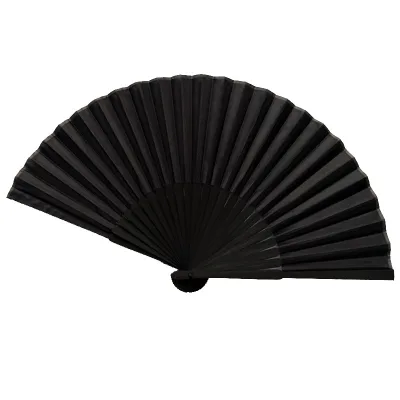


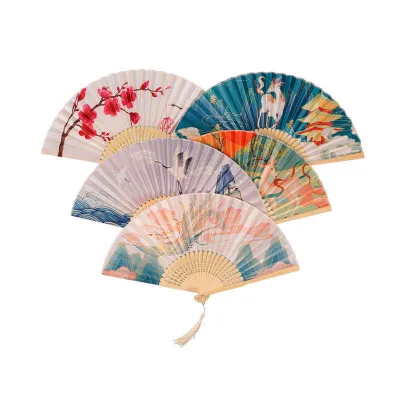


Comprehensive Sourcing Guide
Strategic Sourcing Guide for Chinese Style Vintage Folding Fans
Understanding Product Specifications and Material Variations
When sourcing Chinese style vintage folding fans, buyers must first navigate a diverse landscape of material compositions and structural designs. The core keyword implies a specific aesthetic, yet the underlying technical specifications can vary significantly between suppliers. Based on observed market data, the primary material for the fan surface is often cotton, which provides a traditional canvas for painted designs. However, other variations exist where the structural ribs are crafted from bamboo, specifically noted in natural colors or coffee tones. The paper used for the fan surface is another critical variable, with some listings indicating a palette of fifteen color options available for selection.
The structural integrity of the fan relies heavily on the folding mechanism. The product type is consistently identified as a folding fan, designed for portability and storage. The single package dimensions observed range from compact sizes like 20x20x5 cm to more elongated profiles such as 23x2.1x0.6 cm. These dimensions are vital for logistics planning, as they dictate how many units can be palletized. The weight of individual units also fluctuates; some heavy-duty cotton models weigh up to 0.400 kg gross, while lighter bamboo and paper variants may weigh as little as 0.025 kg. This variance directly impacts shipping costs and inventory handling requirements.
Buyers should also note the specific model numbers associated with these vintage styles, such as ENN20230104-004 or QY-JF47. These identifiers often correspond to specific design iterations, such as the "Classic Models Ancient Style" or "Flower Pattern Keel Paper Fan." The style is frequently described as minimalist or Japanese-influenced, suggesting a design philosophy that values simplicity and traditional craftsmanship. The technique used to decorate the fan surface is predominantly painted, with some items featuring printed surface treatments. This distinction is crucial for buyers seeking authentic hand-painted pieces versus mass-produced printed alternatives.
Compliance, Certification, and Origin Verification
Verifying the origin and compliance status of vintage-style fans is a fundamental step in the procurement process. The supplied data indicates that production locations are primarily concentrated in specific Chinese provinces, with Zhejiang and Hunan being the most frequently cited origins. Zhejiang is known for its textile and paper industries, while Hunan has a strong tradition in bamboo processing. Buyers must confirm the specific "Place of Origin" for each order, as regional differences can influence material quality and labor standards.
Regarding certifications and standards, the market data suggests that many suppliers offer customizable standards rather than adhering to a single universal certification. The "prod_standard" field often lists "Customizable," implying that the fan may not come with pre-existing international safety or quality certifications unless specifically requested. For buyers importing these goods, it is essential to verify if the materials used, such as the cotton or bamboo, meet the destination country's safety regulations regarding flammability and chemical treatments.
The "prod_standard" for physical dimensions is also variable. While some listings specify a standard size of 21x38 cm, others rely on custom dimensions. This lack of a rigid standard means that buyers cannot assume uniformity across different batches or suppliers. Compliance checks should focus on the labeling requirements, including the "Brand Name" (e.g., ENC) and the "Logo" placement. Custom logos are available on bamboo or paper, but the ink and adhesive used for these customizations must be verified to ensure they do not contain prohibited substances in the target market.
Cost Drivers and Pricing Structure Analysis
The pricing structure for Chinese style vintage folding fans is influenced by several distinct factors, primarily material selection, customization levels, and order volume. The observed price range in the market spans from $0.38 to $6.50 USD per unit. This wide variance is not arbitrary; it correlates directly with the complexity of the design and the quality of the materials. The lower end of the spectrum typically corresponds to simple, printed bamboo fans with minimal decoration, while the higher end reflects hand-painted cotton fans with intricate flower patterns or custom branding.
Minimum Order Quantity (MOQ) is a significant cost driver. The data shows an MOQ range of 20 to 1,000 units, with a high-confidence observation of 200 pieces for certain models. Suppliers with lower MOQs, such as 20 pieces, may charge a premium per unit to cover setup costs for customizations like logos or specific color requests. Conversely, larger orders allow for economies of scale, bringing the unit price closer to the lower bound of the observed range.
Customization is another major factor affecting cost. Options such as "Custom color available," "Custom logo available," and "Customized packing" add layers of complexity to the production process. For instance, creating a custom logo on bamboo requires additional surface treatment steps compared to a standard printed design. Similarly, "Customized packing" options, which may include cartons or palletizing, incur additional material and labor costs. Buyers must balance the desire for unique branding against the budget constraints imposed by these variable costs.
Typical Applications and Usage Scenarios
Chinese style vintage folding fans serve a multifaceted role in the modern market, extending beyond their traditional function as cooling devices. The primary usage scenarios identified include collection, gift-giving, and decoration. The "Usage" field explicitly lists these categories, highlighting the fan's value as a cultural artifact or a decorative piece for interior spaces. The "Application Scenarios" are described as "General," suggesting versatility in how these items are utilized.
In the corporate and promotional sector, these fans are frequently used as "Promotional Gift Items" or "Party Souvenirs." The ability to customize the logo and color makes them ideal for brand awareness campaigns, trade shows, and corporate events. The "Feature" of being "natural handmade" adds a perceived value that appeals to customers looking for unique, non-mass-produced items. This attribute is particularly relevant for high-end corporate gifts where the presentation and craftsmanship are as important as the utility of the item.
For collectors and enthusiasts, the "Style" and "Technique" are paramount. Fans described as "Classic Models Ancient Style" or featuring "Flower Pattern Keel" designs cater to those interested in traditional art forms. The "Painted" technique and the availability of specific color options allow collectors to curate sets that match specific historical periods or artistic movements. The "Season" is listed as "Winter," which may seem counterintuitive for a fan, but in a cultural context, these items are often used as props for performances, photography, or as decorative elements during winter festivals where traditional aesthetics are celebrated.
Supplier Evaluation and Production Capabilities
Evaluating suppliers for vintage folding fans requires a focus on their production processes and customization capabilities. The data indicates that the production process is often a mix of "Handmade" and "Other" techniques. This distinction is critical; a supplier claiming "Handmade" should be able to demonstrate the artisanal skills required for painting and assembling the fan ribs. The "Feature" of being "natural handmade" suggests that the supplier relies on skilled labor rather than fully automated machinery, which can impact consistency and lead times.
Suppliers should be vetted based on their ability to handle "Customization" requests. The availability of "Custom logo available" and "Custom color available" indicates that the supplier has the flexibility to adapt to buyer requirements. However, buyers must verify the supplier's capacity to maintain quality during customization. For example, the "Surface Treatment" being "Printed" versus "Painted" represents different skill sets. A supplier proficient in printed treatments may not necessarily excel in hand-painting, which requires a different level of expertise.
The "Sample time" of 5-7 days is a key metric for evaluating supplier responsiveness. This timeframe allows buyers to assess the quality of the product before committing to a large order. A supplier that can deliver samples within this window demonstrates an efficient workflow. Additionally, the "Delivery time" of 10-15 days for bulk orders is a standard expectation, but buyers should confirm if this timeline holds during peak seasons or when custom packaging is required.
Quality Control and Inspection Protocols
Implementing a robust quality control (QC) protocol is essential for ensuring that the vintage folding fans meet buyer expectations. Given the "Handmade" nature of the product, visual inspection is the primary method of QC. Buyers should focus on the consistency of the "Painted" designs, the alignment of the "Bamboo" ribs, and the durability of the "Cotton" or paper surface. The "Single gross weight" and "Single package size" should be verified to ensure that the product matches the specifications provided in the order.
For custom orders, the "Logo" application must be inspected for clarity and positioning. Whether the logo is printed on bamboo or painted on cotton, it should be free of smudges or misalignments. The "Packing" should also be inspected to ensure that the "Customized packing" or "Carton/Palletizing" protects the fans from damage during transit. The "Feature" of being "natural handmade" implies that minor variations are expected, but significant defects such as broken ribs or torn paper should be rejected.
Buyers should also verify the "Standard" compliance for the specific batch. Since the "prod_standard" is often customizable, the supplier should provide a quality report that confirms the dimensions and materials match the agreed-upon specifications. For instance, if the standard is 21x38 cm, the actual product dimensions should fall within an acceptable tolerance range. Regular inspections during the production process, rather than just at the final stage, can help identify and rectify issues early, reducing the risk of receiving substandard goods.
Long-Term Procurement and Relationship Management
Building a long-term relationship with a supplier of Chinese style vintage folding fans requires a strategic approach to inventory and communication. The "Customization" aspect of these products means that buyers often need to maintain a dialogue with the supplier to ensure that design trends and branding requirements are met over time. The "Model Number" and "Brand Name" should be consistently tracked to avoid confusion between different production runs.
Buyers should consider the "Season"ality of the product. While the "Season" is listed as "Winter," the demand for these fans may fluctuate based on cultural events, trade shows, and promotional cycles. Planning orders well in advance of peak seasons can help mitigate the risk of delays, especially given the "Delivery time" of 10-15 days. Maintaining a buffer stock of popular models, such as the "Classic Models Ancient Style," can ensure that the buyer is prepared for sudden spikes in demand.
Finally, the "Application" of these fans in various scenarios, from gifts to decorations, suggests that buyers should stay informed about emerging trends in the market. The "Feature" of being "Creative" and "Minimalist" indicates a shift towards modern interpretations of traditional designs. By staying engaged with the supplier and understanding the nuances of their production process, buyers can ensure a steady supply of high-quality, authentic vintage folding fans that meet the evolving needs of their customers.
FAQs
What materials are used for the fan surface and ribs?
The fan surface is typically made of cotton, while the ribs are crafted from bamboo in natural or coffee colors. Some variations use paper with fifteen color options, ensuring a traditional aesthetic for vintage styles.
Can I request a custom logo on these fans?
Yes, custom logos are available on both bamboo ribs and cotton surfaces. Suppliers offer this service alongside custom colors and packaging, though specific ink requirements must be verified for safety compliance.
What is the minimum order quantity for these fans?
The minimum order quantity ranges from 20 to 1000 pieces depending on the specific model and customization level. A high-confidence observation indicates a standard MOQ of 200 pieces for certain classic models.
How long does it take to receive samples?
Sample delivery typically requires 5 to 7 days for preparation and shipping. This allows buyers to verify the handmade quality and painted designs before committing to larger bulk orders.
Where are these vintage fans manufactured?
Production is primarily concentrated in Zhejiang and Hunan provinces in China. Zhejiang is known for textile and paper industries, while Hunan specializes in bamboo processing for the fan ribs.
What are the typical package dimensions for a single unit?
Single package sizes vary from compact 20x20x5 cm to elongated 23x2.1x0.6 cm profiles. These dimensions are critical for logistics planning as they dictate palletization efficiency and shipping costs.