Source Christmas Decoration for Home, Gifts, and Events
Explore 30 listings for Christmas Decoration including solid wood and PVC options suitable for indoor and outdoor use. Buyers can compare models, materials, and customization availability from verified manufacturers in China; compare the available evidence and request quotations based on your requirements.
Key considerations
Products List


Christmas Decoration Nutcracker for Christmas Gift Christmas Decorative
$4.50 - $4.80
MOQ: 2000 Pieces


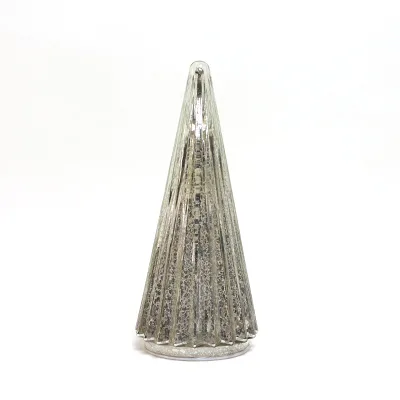
Christmas Tree Ornaments Low Price Christmas Tree Decoration Artificial Christmas Tree
$4500.00 - $50000.00
MOQ: 1 pieces



Comprehensive Sourcing Guide
Christmas Decoration Sourcing Guide
Buyers entering the Christmas Decoration market must first distinguish between static decorative items and animated displays, as the supplied data reveals a split between solid wood crafts and PVC stuffed animals. The observed product range includes items explicitly labeled as "Non Power" sources alongside animated units requiring no batteries, indicating a diverse supply chain catering to both traditional and modern display needs. Understanding this distinction is critical before initiating any procurement strategy, as the manufacturing processes and material requirements differ significantly between polished wood and molded plastic components.
The market signals indicate a strong presence of customizable options, with suppliers offering both standard items and bespoke designs to meet specific thematic requirements. While some listings specify "Customized" attributes, others note "Non-Customized" availability, suggesting that buyers must clearly define their volume and design needs to avoid confusion during the negotiation phase. This variability in customization availability directly impacts the lead time and unit cost, requiring a precise definition of the order scope to ensure the selected supplier can deliver the exact style, whether simple or modern, that aligns with the intended holiday theme.
Product Scope and Observed Listing Signals
The observed product catalog spans a wide price spectrum from $0.10 to $50,000, reflecting the difference between small individual ornaments and large-scale commercial installations. Buyers should note that the minimum order quantities (MOQ) range from 1 to 5,000 units, allowing flexibility for small retailers while accommodating bulk distributors. This broad range necessitates a clear assessment of the target market segment, as the procurement strategy for a single boutique order differs vastly from the logistics required for a large-scale retail chain stocking thousands of units.
Listing signals reveal that products are primarily sourced from China, with specific origins noted in Zhejiang, and are packed in cartons or brown cartons with varying sets per carton. The data shows specific models like "Santa Crafts" and "SYDW-452109" with defined dimensions, indicating that buyers must verify physical specifications against their display space requirements. The presence of both "Indoor" and "Outdoor" application tags suggests that material durability is a key differentiator, and buyers should scrutinize the material composition, such as solid wood versus PVC, to ensure suitability for the intended environment.
Technical Specifications to Verify
Material composition is a primary verification point, as the data highlights both solid wood and PVC as common materials for these decorative items. Buyers must confirm the specific material grade and finish, noting that some items undergo polishing processes while others rely on the natural color of the wood or the specific hue of the plastic. The distinction between "Natural Color" and "Multicolour" or "Green" options requires precise specification in the purchase order to prevent receiving items that do not match the desired aesthetic for the holiday season.
Dimensional accuracy and packaging details are equally critical, with observed standards ranging from 18x18 inches to specific carton sizes like 28x15x16cm. Buyers should verify the weight, such as the 1.2-pound specification for certain items, to calculate accurate shipping costs and ensure the product can be handled safely during distribution. Additionally, the packing configuration, whether 4 pieces per inner box or 24 sets per carton, must be confirmed to optimize container utilization and reduce the risk of damage during transit.
Compliance and Safety Documentation
Safety compliance is paramount for products intended for children, as the data explicitly lists "Suitable for Children" for certain decorative items. Buyers must request proof of safety testing to ensure that materials like PVC and wood finishes meet the necessary toxicity and flammability standards for toys and home decorations. The presence of BSCI and SGS certifications in the observed listings indicates that some suppliers adhere to social compliance and quality management systems, but buyers should verify that these certifications are current and applicable to the specific product batch being ordered.
Documentation regarding the product standard is also essential, with some listings noting customized standards while others reference specific dimensions as the standard. Buyers should ensure that the supplier provides a clear declaration of conformity for the specific model, such as the "SYDW-452094" or "rytu908" series, to avoid regulatory issues in the destination market. It is crucial to confirm that the "Non Power" designation is accurate and that no hidden electrical components exist that could pose a safety hazard, especially for items marketed as battery-free.
Cost Drivers and Commercial Terms
The commercial terms observed include a standard payment structure of a 30% deposit and a 70% balance against the copy of the Bill of Lading, which is typical for international trade in this sector. Buyers should be prepared to negotiate these terms based on order volume and relationship history, as the wide MOQ range suggests that larger orders may command more favorable payment conditions. The trade term is listed as FOB Ningbo Port, meaning the buyer assumes responsibility for freight and insurance from that point, requiring careful calculation of total landed costs.
Lead time and delivery speed are significant cost drivers, with "Fast Delivery" noted as an available option for some suppliers. Buyers must clarify the specific lead time associated with customized versus standard items, as the customization process can extend the production schedule significantly. The variation in packing, from simple cartons to complex inner boxes, also influences the unit cost and shipping efficiency, so buyers should request a detailed cost breakdown that separates material, labor, and packaging expenses.
Supplier Qualification and Quality Control
Supplier qualification should focus on verifying the "Manufacturer" status, as the data confirms that many listed entities are direct manufacturers rather than trading companies. This distinction is vital for ensuring quality control and direct communication regarding production issues, as manufacturers have greater control over the polishing and processing steps. Buyers should request factory audit reports or visit the facility in Zhejiang to assess the production capacity and the consistency of the quality control processes used for items like "Christmas Stuffed Animals."
Quality control protocols must be established to address the variability in color and finish, such as the difference between "White," "Green," and "Natural Color" options. Buyers should implement a pre-shipment inspection plan that specifically checks for defects in the polishing process and ensures that the "Customized Logo" or design elements are applied correctly. Given the "Customized" nature of many items, a sample approval process is essential before mass production begins to prevent costly errors in the final batch.
Long-Term Procurement Checks
Building a long-term relationship with suppliers requires consistent monitoring of their ability to maintain the "Fast Delivery" promise and adhere to the agreed-upon standards. Buyers should track the supplier's performance over multiple seasons to ensure they can handle the fluctuating demand of the Christmas market without compromising on quality or delivery timelines. Establishing a clear communication channel for updates on material availability and production status will help mitigate risks associated with supply chain disruptions.
Continuous improvement in product design and sustainability should be a focus of long-term procurement strategies, especially given the "Customized" and "Theme" flexibility observed in the market. Buyers should encourage suppliers to innovate with eco-friendly materials or more efficient packaging solutions to reduce waste and align with evolving consumer expectations. Regular reviews of the supplier's certification status, such as BSCI and SGS, will ensure that the partnership remains compliant with international social and environmental standards over time.
FAQs
Can I customize Christmas Decoration designs for my brand?
Yes, customization is available for these items. You can request specific styles, colors, or logos to match your brand identity. The manufacturer supports both customized and standard items, allowing you to tailor the product to your needs. This flexibility ensures the final goods align with your marketing goals and aesthetic preferences.
What materials are used for these christmas decorations?
These decorations are crafted from solid wood and PVC materials. The solid wood options feature a polishing process for a refined finish, while PVC variants offer durability. Both materials are selected for their quality and suitability for indoor and outdoor use, ensuring the decorations remain vibrant and intact throughout the holiday season.
What is the typical packaging for these products?
Products are packed in cartons, with specific configurations like four pieces per inner box. Some items use brown cartons, while others are packed in standard cartons. The packaging is designed to protect the goods during transit, with set counts varying by model, ensuring safe delivery to your destination port or warehouse.
Are these decorations suitable for children?
Yes, these items are suitable for children. They are designed as decorative items and gifts, often featuring themes like Christmas stuffed animals. The materials and construction are intended for safe home decoration, making them appropriate for family environments. Always supervise young children with small parts to ensure safety during play or display.
What certifications do these products hold?
These products hold BSCI and SGS certifications. These credentials indicate compliance with social responsibility and quality standards. Buyers can rely on these certifications for ethical sourcing and product safety assurance. The manufacturer provides these documents to support international trade requirements and ensure the goods meet recognized industry benchmarks for quality and labor practices.
How fast is the delivery for these items?
Fast delivery is available for these products. The manufacturer offers expedited shipping options to meet urgent order requirements. Lead times may vary based on customization and order volume, but standard items are often ready for quick dispatch. Contact the supplier for specific timelines to ensure your goods arrive in time for the holiday season.