Source Christian Shell Beaded Bracelet for Gifts, Decor, and Faith Events
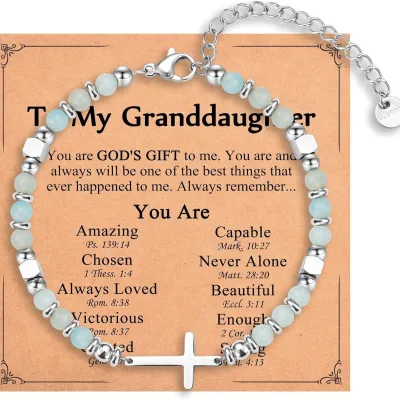
Explore 30 listings for the Christian Shell Beaded Bracelet, comparing options in stainless steel, beads, and crystal. Buyers can evaluate customization, MOQs, and designs suitable for female customers seeking decoration or gifts.
Key considerations
Products List


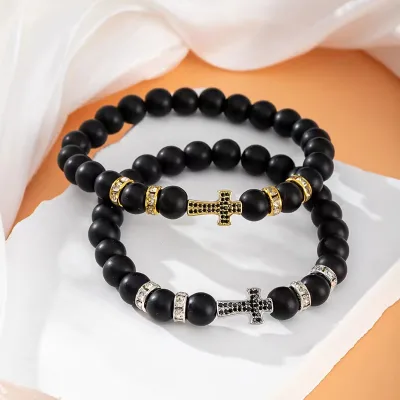
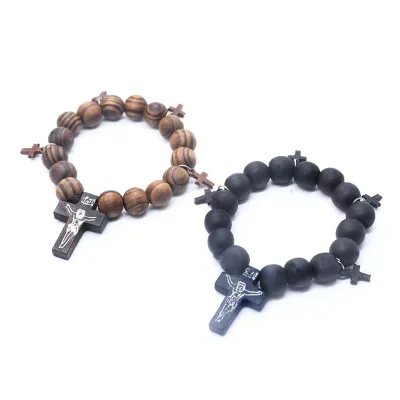
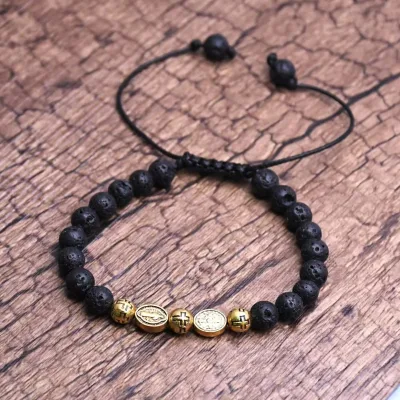
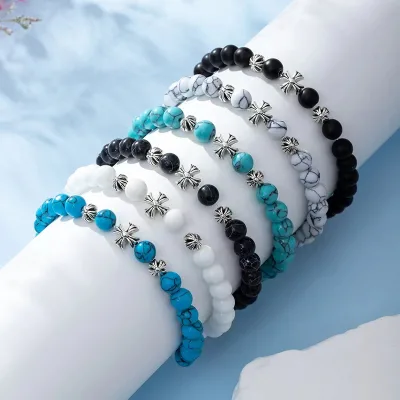
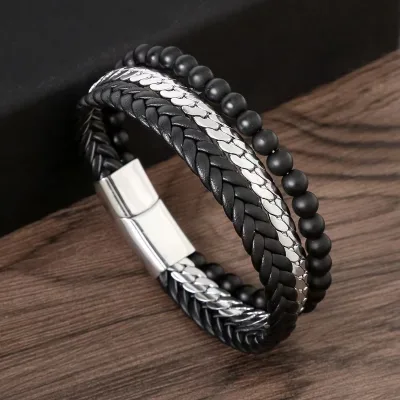
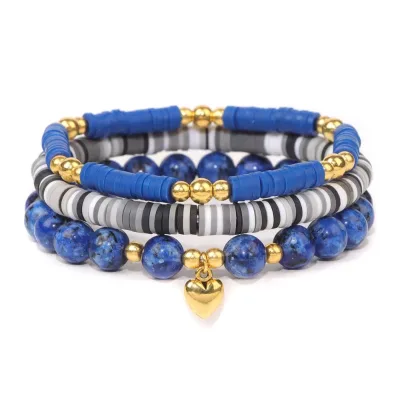
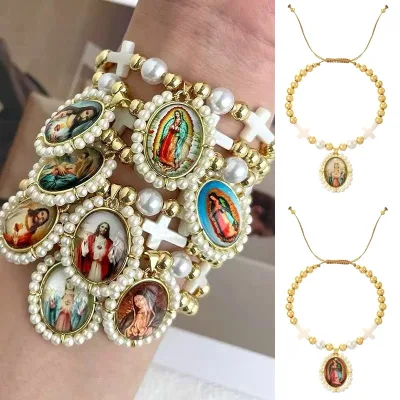


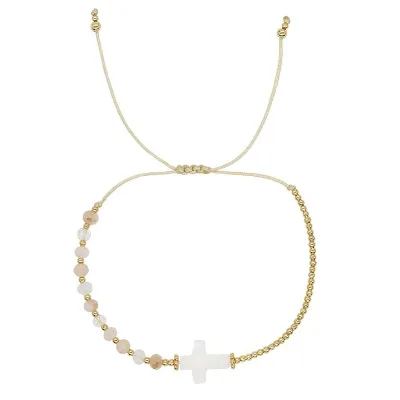




Comprehensive Sourcing Guide
Christian Shell Beaded Bracelet Sourcing Guide
Sourcing decorative jewelry requires a disciplined approach to balancing aesthetic appeal with commercial viability. The market for beaded bracelets, particularly those with religious or spiritual themes, is characterized by high customization potential and diverse material options. Buyers must navigate a landscape where product attributes vary significantly between suppliers, ranging from stainless steel to natural beads and crystals. Understanding these variations is critical for aligning procurement with brand identity and target audience expectations. This guide provides a structured framework for evaluating suppliers, verifying technical specifications, and managing commercial risks associated with this product category.
The following sections detail the essential steps for sourcing these items effectively. By focusing on verified product signals, technical compliance, and supplier qualification, buyers can mitigate common pitfalls such as inconsistent quality, unclear labeling, and unexpected cost overruns. The guidance herein is derived from observed market data and standard procurement practices, ensuring that decisions are based on tangible evidence rather than speculative claims. This approach supports the development of a resilient supply chain capable of meeting fluctuating demand while maintaining product integrity.
Product Scope and Observed Listing Signals
The observed product landscape for beaded bracelets reveals a wide spectrum of materials and design philosophies. Listings indicate the availability of items made from stainless steel, natural beads, and crystals, each catering to different aesthetic preferences. Stainless steel options often emphasize durability and a modern, simple style, while beaded variants, including those described as "natural" or "multicolour," appeal to buyers seeking organic textures and vibrant visual appeal. The presence of specific model numbers, such as "Blue Beaded Bracelet-092T" or "Silver Beaded Bracelet-060A," suggests that suppliers offer distinct SKUs that may vary in color, size, and material composition. Buyers should carefully review these identifiers to ensure the selected product matches their specific design requirements.
Religious and spiritual themes are a significant driver in this category, with some listings explicitly referencing Christianity and Catholic design elements. These products often feature adjustable lengths, such as 18cm or 19cm, and may include charms or specific inlay technologies like channel or claw settings. The customization options are extensive, with many suppliers accepting OEM orders and offering customized logos. This flexibility allows brands to create unique offerings that resonate with their target demographic. However, the diversity of options also means that buyers must be vigilant in verifying that the final product aligns with their intended message and quality standards, as "fashion" and "catholic" designs can vary widely in execution.
Technical Specifications to Verify
Technical verification begins with confirming the material composition and structural integrity of the bracelets. Buyers must distinguish between products made from stainless steel, which offer durability and a sleek finish, and those made from beads or crystals, which may require different handling and care instructions. The presence of specific inlay technologies, such as micro-insert or claw settings, indicates a higher level of craftsmanship but also necessitates closer inspection for loose stones or weak points. Additionally, the length specifications, whether adjustable or fixed at 18cm or 19cm, must be validated against the target market's preferences. Misalignment in size can lead to customer dissatisfaction and increased return rates, making precise measurement a critical step in the sourcing process.
Packaging and labeling requirements are equally important for ensuring product safety and brand consistency. Observed packaging methods include PP bags, OPP bags with bubble wrap, and carton packaging, each offering different levels of protection during transit. Buyers should verify that the packaging is suitable for the product's fragility, especially for beaded or crystal items. Furthermore, the availability of customized logos and branding options allows for unique market positioning, but it requires clear communication of design files and approval processes. The standard of 45cm+5cm or 8*10cm mentioned in some listings likely refers to packaging dimensions or specific product standards, which must be clarified to avoid logistical errors.
Compliance and Safety Documentation
Compliance with international safety standards is non-negotiable for jewelry products, particularly those intended for children or sensitive skin. Buyers must ensure that all materials, including beads, crystals, and metal components, are free from harmful substances such as lead, cadmium, and nickel. While specific certification statuses are not universally provided in listings, buyers should request test reports from accredited laboratories to verify compliance with regulations such as REACH in Europe or CPSIA in the United States. This due diligence protects the brand from legal liabilities and ensures the safety of the end consumer.
Labeling and origin documentation also play a crucial role in compliance. Products originating from Guangdong or Fujian, China, must adhere to proper country-of-origin labeling requirements in the destination market. Buyers should verify that all products are correctly labeled with material composition, care instructions, and manufacturer details. Additionally, any claims regarding religious or spiritual significance should be handled with cultural sensitivity and accuracy to avoid misrepresentation. Clear and accurate documentation not only ensures regulatory compliance but also builds trust with consumers who value transparency in their purchasing decisions.
Cost Drivers and Commercial Terms
Cost structures in the beaded bracelet market are influenced by material selection, customization complexity, and order volume. Stainless steel items may have different cost dynamics compared to natural bead or crystal bracelets, with the latter potentially incurring higher costs due to the fragility and sourcing complexity of the materials. The availability of customized logos and OEM services often comes with a minimum order quantity (MOQ) requirement, which can range from 50 to 1000 pieces. Buyers must balance the desire for customization with the economic feasibility of the order, considering how MOQs impact inventory holding costs and cash flow.
Payment terms and lead times are critical components of the commercial agreement. Suppliers may offer flexible payment options, but buyers should negotiate terms that align with their financial planning and risk tolerance. Lead times can vary based on the complexity of the design and the current production load of the supplier. It is essential to establish clear timelines for sample approval, production, and shipping to avoid delays that could impact market launch dates. Understanding these commercial terms helps buyers forecast costs accurately and manage expectations throughout the procurement process.
Supplier Qualification and Quality Control
Supplier qualification involves a thorough assessment of the manufacturer's capabilities, reputation, and quality management systems. Buyers should prioritize suppliers who demonstrate a commitment to quality through consistent product offerings and positive feedback. The acceptance of small orders and OEM/ODM services indicates flexibility, but it is essential to verify the supplier's ability to maintain quality standards across different order sizes. Requesting samples before committing to large orders allows buyers to evaluate the product's craftsmanship, material quality, and packaging integrity firsthand.
Quality control measures should be integrated into the procurement process to ensure consistency. This includes defining clear acceptance criteria for defects, such as loose beads, scratches on metal surfaces, or incorrect colors. Implementing pre-shipment inspections can help identify and rectify issues before the products leave the factory. Buyers should also establish a communication channel for addressing any quality concerns that arise post-delivery. A robust quality control framework not only protects the brand's reputation but also fosters a long-term partnership with reliable suppliers.
Long-Term Procurement Checks
Long-term success in sourcing beaded bracelets depends on continuous monitoring of supplier performance and market trends. Buyers should regularly review supplier metrics, such as on-time delivery rates, defect rates, and responsiveness to issues. This data-driven approach enables proactive management of the supply chain and helps identify potential risks before they escalate. Additionally, staying informed about emerging design trends and consumer preferences allows buyers to adapt their product offerings to maintain competitiveness. The ability to pivot quickly in response to market changes is a key advantage in the fast-paced jewelry industry.
Sustainability and ethical sourcing are increasingly important considerations for modern consumers. Buyers should explore opportunities to source materials from suppliers who adhere to ethical labor practices and environmental standards. This may involve verifying the origin of beads and crystals and ensuring that manufacturing processes minimize waste and pollution. By integrating sustainability into their procurement strategy, brands can appeal to conscious consumers and build a loyal customer base. Long-term procurement checks should also include periodic reviews of contractual terms and pricing to ensure they remain competitive and fair for both parties.
FAQs
Can I get a customized logo on the bracelet?
Yes, customized logos are available for this product. The listing confirms that buyers can request personalized branding on the items. This customization option allows for unique designs while maintaining the high-quality standards observed in the product features.
What is the minimum order quantity for these bracelets?
The minimum order quantity varies between 50 and 500 pieces depending on the specific model. Some listings indicate an MOQ of 50 pieces, while others require 500 pieces. Buyers should verify the exact requirement for their selected item before placing an order.
Which materials are used to make these bracelets?
The bracelets are crafted from stainless steel, beads, and crystal materials. Some variations feature natural beads while others use crystal elements. The product attributes confirm these materials are used to create the decorative and fashion-forward designs suitable for female buyers.
How can I specify the size or length of the bracelet?
You can specify the size as customized or select from standard lengths like 18cm or 19cm. The product specifications allow for adjustable lengths and custom sizing options. This flexibility ensures the bracelet fits different wrist sizes while meeting specific design requirements.
What is the typical lead time for production?
The provided product facts do not explicitly state a specific lead time value. Buyers must contact the supplier directly to confirm production schedules. The listing accepts small orders and OEM requests, suggesting flexible timelines that depend on order volume and customization needs.
Can I order a single item for testing purposes?
Yes, single item selling units are available for purchase. The product attributes list the selling unit as a single item, allowing buyers to order one piece. This option is useful for quality checks or small-scale testing before committing to larger bulk orders.