Source Christianity Cross Pendant Necklace for gifts, fashion, and decoration
Compare 30 Christianity Cross Pendant Necklace options from verified suppliers. Find stainless steel and gold-plated designs suitable for female and male buyers seeking health and decoration uses with customizable features.
Key considerations
Products List


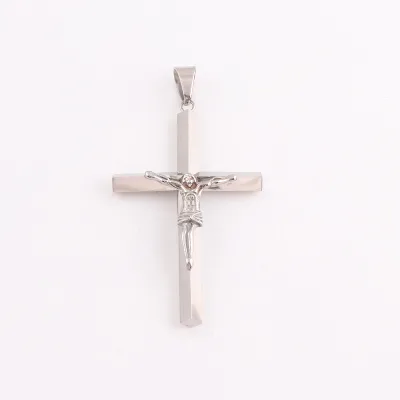

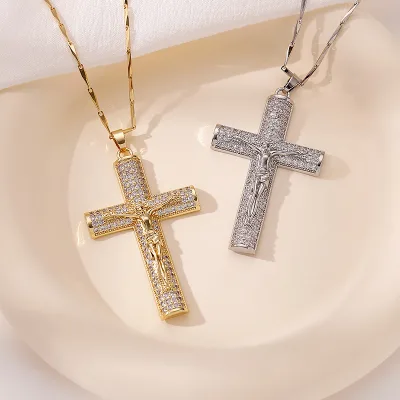


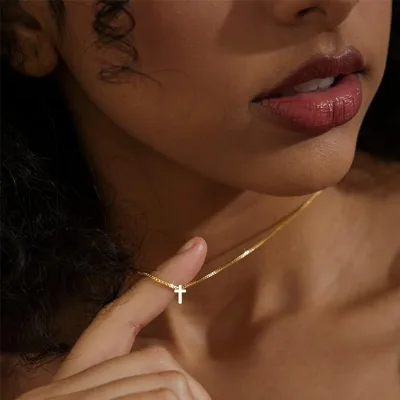
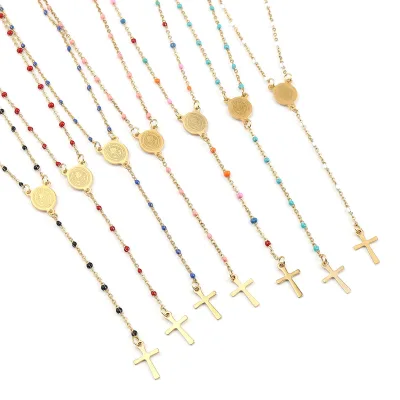


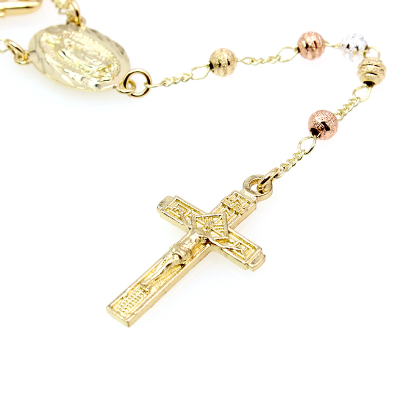


Comprehensive Sourcing Guide
Strategic Sourcing Guide for Christianity Cross Pendant Necklaces
The global demand for religious jewelry, specifically Christianity cross pendant necklaces, has driven a robust B2B market where buyers must navigate a complex landscape of material science, regulatory compliance, and supply chain logistics. Sourcing these items requires a disciplined approach that moves beyond aesthetic selection to rigorous verification of technical specifications and supplier capabilities. This guide outlines the essential framework for procurement professionals seeking to source high-quality cross pendants, ensuring that the final product meets both spiritual significance and commercial viability. The following sections detail the critical dimensions of this category, from material integrity to long-term supplier relationships.
Technical Specifications and Material Integrity
The foundation of any successful sourcing strategy for cross pendants lies in the precise definition of technical specifications. The core material selected dictates the durability, weight, and finish of the product. In the current market, Stainless Steel has emerged as a dominant material choice due to its resistance to corrosion and hypoallergenic properties. Buyers must verify that the stainless steel used meets specific quality standards, as not all grades are suitable for prolonged skin contact or heavy plating processes. The supplied data indicates that professional manufacturers often specialize in stainless steel, suggesting a need to confirm the specific alloy grade (e.g., 316L) during the initial inquiry phase to ensure structural integrity.
Plating is another critical technical attribute that defines the visual appeal and longevity of the necklace. Gold and Silver plating are the most common finishes observed in this category. The thickness and quality of the plating are paramount, as they directly influence the "Fade-Proof Warranty" often advertised by suppliers. A standard warranty period of 1-2 years suggests a baseline expectation for plating durability, but buyers should not assume this applies universally without testing. The plating process itself, which may include polishing and diamond inseting, requires precise control. Specifications such as "H 570MM Width 30mm" or "H 6cm Width 6cm" highlight that dimensions vary significantly by design, necessitating a review of dimension drawings rather than relying on generic size estimates.
Length is a variable specification that impacts the final presentation of the jewelry. Observed data points to lengths of 45cm and 60cm, catering to different wearing preferences. For a cross pendant necklace, the chain length must be compatible with the pendant size to maintain aesthetic balance. The "Size: Customized" attribute indicates that many suppliers offer flexibility, allowing buyers to tailor the dimensions to specific market demographics. However, customization introduces complexity to the production process, requiring clear communication of tolerances and dimensional accuracy to avoid discrepancies between the prototype and the bulk order.
Compliance, Certification, and Safety Standards
In the B2B jewelry sector, compliance is not merely a regulatory hurdle but a competitive differentiator. The safety of the materials used is paramount, particularly given the direct and prolonged contact with human skin. A primary standard to verify is the "Nickel & Lead Free" requirement. Nickel allergies are common, and the presence of these heavy metals can lead to severe skin reactions, resulting in product returns and reputational damage. Buyers must insist on documentation proving that the finished product and raw materials are free from these substances.
Furthermore, international certifications play a vital role in establishing trust and market access. The presence of "SGS" and "CE" marks in the product data suggests that certain suppliers adhere to rigorous testing protocols for safety and quality. The CE mark indicates conformity with health, safety, and environmental protection standards for products sold within the European Economic Area, while SGS provides third-party verification of quality and safety. Buyers should request current test reports from these agencies rather than accepting a supplier's verbal assurance. The absence of these certifications in a specific product listing should trigger a deeper investigation into the supplier's quality control infrastructure.
Additionally, the "Standard: H 570MM Width 30mm" and similar dimensional standards imply that the product adheres to specific manufacturing tolerances. While these may be internal company standards, they serve as a benchmark for consistency. When sourcing, buyers should verify if the supplier maintains a documented standard operating procedure (SOP) that aligns with these dimensions. For products intended for export, compliance with local regulations regarding jewelry labeling and material disclosure is essential. The "Made in China" and "Shen Zhen" origins indicate a concentration of manufacturing in a specific region, which is known for its supply chain efficiency but also requires careful vetting of local compliance practices.
Cost Drivers and Pricing Dynamics
Understanding the cost structure of cross pendant necklaces is essential for budgeting and margin analysis. The observed price range of 0.6 to 30.2 USD reflects a wide spectrum of product tiers, driven by material costs, plating quality, and design complexity. The lower end of the spectrum typically corresponds to basic stainless steel pieces with standard plating and minimal customization. In contrast, the higher price points are associated with premium finishes, intricate designs involving diamond inseting, and specialized packaging.
Material quality is a primary cost driver. High-grade stainless steel commands a higher price than lower-grade alternatives, and the cost of gold or silver plating varies based on the thickness and purity of the metal used. The "Professional Stainless Steel Manufacturer" designation suggests that suppliers with in-house material processing capabilities may offer better cost control and consistency. However, this vertical integration can also lead to higher minimum order quantities (MOQ), which impacts the total upfront investment.
The MOQ is another significant factor influencing the unit cost. The data shows an MOQ range of 5 to 120 pieces, with a specific listing for "100PCS/Jewelry Necklace." Higher volumes generally result in lower per-unit costs due to economies of scale in production and shipping. Buyers must balance the desire for low unit costs with the risk of inventory overstocking. Customization options, such as logo engraving or unique designs, often incur additional setup fees and may increase the MOQ. The "OEM&ODM: Welcomed" and "Accepted" attributes indicate that many suppliers are flexible, but these services come with a premium that must be factored into the total landed cost.
Typical Applications and Market Segmentation
Cross pendant necklaces serve diverse applications, ranging from personal religious devotion to fashion accessories and corporate gifting. The "Usage: Health" and "Usage: Decoration" attributes highlight the dual nature of these products. While primarily decorative, some marketing strategies position religious jewelry as having spiritual or health-related benefits, such as providing comfort or a sense of well-being. Buyers should be cautious when interpreting "Health" claims, ensuring they align with local advertising regulations to avoid misleading consumers.
The target demographic is broad, encompassing "Female," "Male," and "Elderly" consumers. The "Style: Cute" and "Style: Fashion" attributes suggest that designs vary to appeal to different age groups and trends. For instance, a "Jesus Pendant on European and American Cross" design targets a specific cultural aesthetic, while a "Stainless Steel Cross Pendant" with a "Fashion" style appeals to a younger, trend-conscious audience. The "Color: Silver, Gold" and "Colour: Gold Silver Black" options allow for customization based on regional preferences.
Packaging also plays a crucial role in the application of the product. The "prod_packing: OPP Bag" is suitable for bulk distribution or budget-conscious markets, while "Independent Packaging" and "Independent Transportation Logistics Packaging" are preferred for retail-ready items or high-end gifts. The choice of packaging affects the perceived value and the final price point. Buyers must align the packaging strategy with the intended market segment to maximize the product's appeal and minimize waste.
Supplier Evaluation and Quality Control
Evaluating suppliers requires a multi-faceted approach that goes beyond price comparisons. The "Delivery Time: 7-15day" and "on Time Delivery" attributes indicate that lead times can vary, and reliability is a key performance indicator. Buyers should verify the supplier's track record for meeting deadlines, as delays can disrupt inventory planning and sales cycles. The "Shipping: DHL/UPS/FedEx/EMS" options suggest that suppliers have established logistics partnerships, but buyers should clarify who bears the cost and risk of shipping.
Quality control is the backbone of a successful sourcing relationship. The "Warranty: 1-2 Fade-Proof Warranty" is a strong indicator of a supplier's confidence in their plating process, but it must be backed by a clear return policy and defect resolution mechanism. Buyers should request samples to test the plating durability, chain strength, and overall finish before placing a bulk order. The "Technology: Plating, Polished, Inseting Diamond" process details highlight the complexity of the manufacturing steps, each of which requires strict quality checks.
The "Logo: Customizable" and "Design: Original Design" attributes suggest that suppliers offer creative services. However, buyers must ensure that the supplier has the intellectual property rights to use the designs and that the customization process does not compromise the quality of the base product. The "prod_model" numbers, such as "HDX20081201" and "HDX22516," serve as unique identifiers for tracking specific product iterations. Buyers should maintain a database of these models to ensure consistency across reorders and to facilitate communication regarding specific design changes.
Long-Term Procurement Considerations
Sourcing cross pendant necklaces is not a one-time transaction but a long-term partnership that requires strategic planning. The "OEM&ODM: Welcomed" and "Accepted" attributes indicate that suppliers are open to long-term collaboration, but buyers must establish clear communication channels and performance metrics. The "prod_origin: Made in China" and "Shen Zhen" location highlight the importance of understanding the local supply chain dynamics, including potential disruptions due to geopolitical factors or logistical bottlenecks.
Sustainability and ethical sourcing are increasingly important considerations in the jewelry industry. Buyers should inquire about the supplier's practices regarding waste management, energy consumption, and labor conditions. While the provided data does not explicitly mention sustainability certifications, the "SGS" and "CE" standards imply a commitment to certain quality and safety benchmarks that can be extended to environmental and social governance.
Finally, the "Size: Customized" and "Length: 45cm/60cm" flexibility allows for product evolution based on market feedback. Buyers should maintain a feedback loop with their suppliers to adapt designs and specifications to changing consumer preferences. The ability to adjust the "MOQ" and "Delivery Time" based on demand fluctuations is crucial for maintaining a lean inventory and responding to market trends. By focusing on these long-term considerations, buyers can build a resilient supply chain that supports sustainable growth in the competitive religious jewelry market.
FAQs
What materials are used for these necklaces?
The necklaces are primarily made of stainless steel to ensure durability and resistance to corrosion. This material is often plated with gold or silver and is certified to be nickel and lead-free for skin safety.
Can I customize the logo and design?
Yes, customization is available for logos and original designs on these products. Suppliers welcome OEM and ODM requests, allowing buyers to tailor the appearance and branding to their specific market needs.
What is the typical delivery time for orders?
The standard delivery time ranges from 7 to 15 days for most orders. Some suppliers also offer on-time delivery guarantees, though specific lead times may vary based on the customization level and order volume.
Which certifications do the products meet?
Products often carry SGS and CE certifications to verify safety and quality standards. They are also manufactured to be nickel and lead-free, ensuring compliance with international health and safety regulations for jewelry.
What are the minimum order quantities required?
The minimum order quantity typically starts at 100 pieces for jewelry necklaces. However, some listings indicate MOQs can range from 5 to 120 pieces depending on the specific product model and supplier terms.
How long is the warranty for the plating?
A 1 to 2-year fade-proof warranty is commonly provided for the plating finish. This warranty covers the durability of the gold or silver plating, provided the product is used and maintained according to standard guidelines.