Source Christmas Pattern Boys Suit for Holiday Parties
Find 30 options for the Christmas Pattern Boys Suit, including wool and cotton styles in various sizes. Compare customization features, fabric types, and supplier details to select the best fit for your needs; compare the available evidence and request quotations based on your requirements.
Updated
Key considerations
Products List


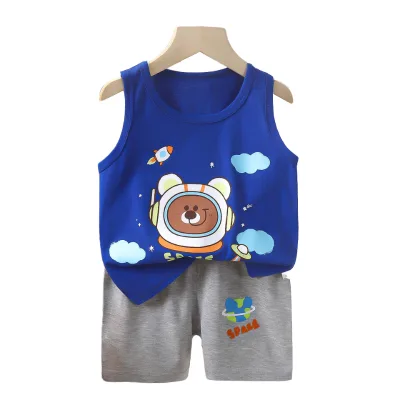


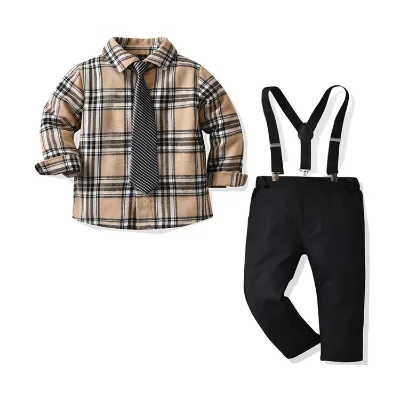
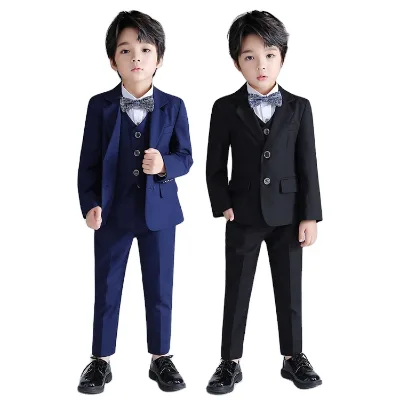
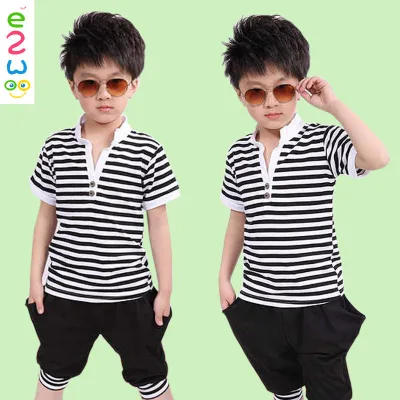
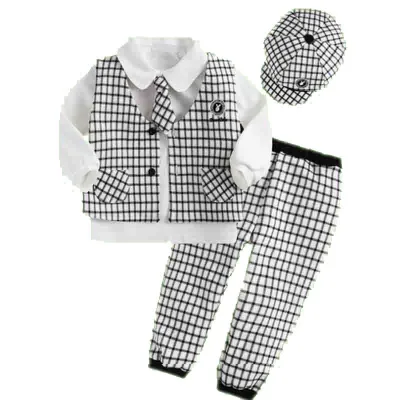
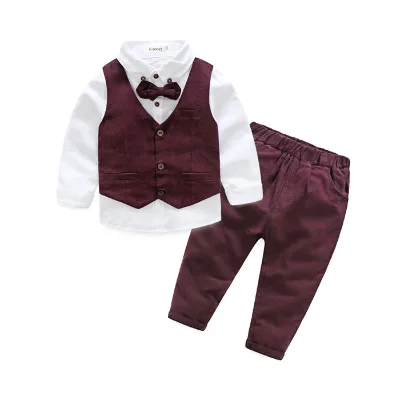
High Quality Boys Tracksuit with Long Sleeves Plaid Pattern Wedding Suits for Kids
$14.7655 - $15.4028
MOQ: 100 pieces
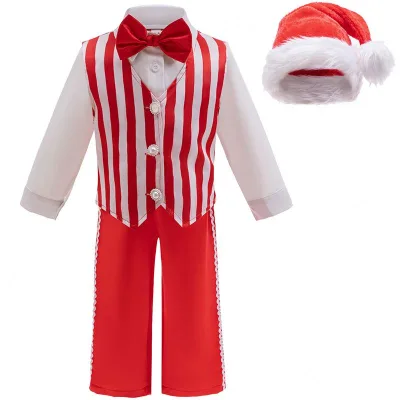
Comprehensive Sourcing Guide
Christmas Pattern Boys Suit Sourcing Guide
Procuring festive attire for young boys requires balancing seasonal aesthetics with rigorous quality standards. Buyers must navigate a market where "Christmas pattern" often overlaps with general casual or formal wear, necessitating clear definition of design elements. The core challenge lies in distinguishing between mass-produced novelty items and durable, well-constructed suits that maintain their shape and colorfastness after multiple wears. Sourcing decisions should prioritize suppliers who demonstrate expertise in children’s apparel, ensuring that festive prints do not compromise the integrity of the fabric or the comfort of the wearer.
This guide focuses on evidence-based procurement strategies for boys' suits, leveraging observed market data to inform decision-making. While specific Christmas-themed listings may vary, the underlying product attributes—such as material composition, sizing accuracy, and customization options—remain consistent across seasonal variations. Buyers are advised to treat product attributes as observations rather than universal claims, verifying each specification against their specific quality requirements. By understanding the typical supply chain dynamics and technical specifications, purchasers can mitigate risks associated with seasonal inventory fluctuations and ensure timely delivery for holiday retail windows.
Product Scope and Observed Listing Signals
The current market landscape for boys' suits reveals a diverse range of product types, from formal tuxedos to casual wear, with significant variation in material and design. Observed listings indicate a strong presence of wool and cotton blends, with some products explicitly stating 100% wool or 100% cotton compositions. These material choices directly impact the suit's suitability for different seasons, with wool often associated with spring and autumn wear, while cotton is preferred for summer conditions. Buyers should carefully review the material specifications for each potential supplier, as the presence of "Christmas pattern" does not guarantee a specific fabric type, and seasonal appropriateness must be verified independently.
Customization is a prevalent feature in the boys' suit market, with many suppliers offering OEM services and available customization options. This flexibility allows buyers to tailor designs to specific brand identities, including the integration of festive patterns or colors. However, the availability of customization does not imply uniformity in quality or lead times across all suppliers. Buyers must assess the supplier's capability to handle custom orders efficiently, ensuring that the customization process does not introduce delays or quality inconsistencies. The observed range of product names, such as "Wool Boy Suit" or "Boys Casual Suit," highlights the need for precise keyword matching to identify suppliers who specialize in the desired style and pattern.
Technical Specifications to Verify
Technical verification begins with a thorough examination of sizing and fit, which are critical for children's apparel. Observed data indicates a wide range of sizes, from specific model codes like "t95" and "k019" to numerical age indicators such as "10-24 Months" and height-based sizes like "73, 80, 90." Buyers must ensure that the supplier provides accurate size charts and consistency in sizing across batches, as discrepancies can lead to high return rates. Additionally, the collar style, sleeve length, and overall cut should be verified against the intended use case, whether for formal events or casual wear, to ensure the suit meets both aesthetic and functional requirements.
Fabric construction and finishing techniques are equally important technical aspects to verify. The observed use of "Yarn Dyed" techniques and features such as moisture absorption, ventilation, and waterproofing suggests a focus on performance and comfort. Buyers should request samples to assess the quality of the dyeing process, ensuring that colors are vibrant and resistant to fading, especially for festive patterns that may be exposed to various lighting conditions. Furthermore, the presence of features like "EL" (likely referring to electrical or lighting elements, though contextually ambiguous) requires clarification to ensure safety and compliance with children's product standards.
Compliance and Safety Documentation
Safety compliance is non-negotiable for children's apparel, and buyers must ensure that all suppliers adhere to relevant international and local standards. While specific certification statuses are not explicitly detailed in the observed data, buyers should request documentation proving compliance with flammability, chemical safety, and physical safety standards. This includes verifying that the materials used, such as wool or cotton, are free from harmful substances and that any decorative elements, such as buttons or patterns, are securely attached to prevent choking hazards. Buyers should also inquire about the supplier's quality control processes to ensure consistent adherence to these safety requirements.
Environmental and ethical considerations are increasingly important in the procurement of children's clothing. Buyers should assess the supplier's commitment to sustainable practices, including the sourcing of raw materials and the manufacturing processes. This may involve verifying the use of eco-friendly dyes and the implementation of waste reduction strategies. Additionally, buyers should ensure that the supplier complies with labor standards, providing safe working conditions and fair wages for their employees. By prioritizing suppliers with strong compliance and ethical records, buyers can mitigate reputational risks and align their procurement practices with growing consumer demand for responsible sourcing.
Cost Drivers and Commercial Terms
Cost structures in the boys' suit market are influenced by a variety of factors, including material costs, customization complexity, and order volume. The observed price range of $2.67 to $99 USD reflects significant variation based on these factors, with higher prices typically associated with premium materials like 100% wool or intricate customization options. Buyers should analyze the cost breakdown for each potential supplier, understanding how material quality, design complexity, and order quantity impact the final price. It is essential to negotiate clear pricing terms that account for potential fluctuations in material costs and to establish a transparent pricing structure that aligns with the buyer's budget and quality expectations.
Minimum Order Quantities (MOQs) and lead times are critical commercial terms that affect inventory management and cash flow. The observed MOQ range of 1 to 800 units offers flexibility for buyers with varying order sizes, but buyers must carefully evaluate the supplier's ability to meet their specific volume requirements. Additionally, lead times should be clearly defined and factored into the procurement timeline, especially for seasonal products like Christmas pattern suits. Buyers should negotiate favorable terms regarding payment schedules, shipping responsibilities, and return policies to minimize financial risk and ensure a smooth transaction process.
Supplier Qualification and Quality Control
Supplier qualification is a multifaceted process that requires a comprehensive assessment of the supplier's capabilities, reputation, and operational efficiency. Buyers should conduct thorough due diligence, including site visits, audits, and reference checks, to verify the supplier's ability to meet quality and delivery standards. The observed data indicates a concentration of suppliers in China, which offers access to a robust manufacturing ecosystem but also requires careful vetting to ensure compliance with international standards. Buyers should prioritize suppliers with a proven track record in children's apparel, demonstrating expertise in handling complex designs and maintaining consistent quality across large production runs.
Quality control measures must be integrated into the procurement process to ensure that the final products meet the buyer's specifications. This includes implementing pre-production samples, in-line inspections, and final random inspections to identify and rectify any defects before shipment. Buyers should establish clear quality criteria and communicate them effectively to the supplier, ensuring that both parties have a shared understanding of the expected standards. Additionally, buyers should consider implementing a continuous improvement program, providing feedback to suppliers and collaborating on solutions to address recurring quality issues. By prioritizing rigorous quality control, buyers can minimize the risk of product failures and enhance customer satisfaction.
Long-Term Procurement Checks
Long-term procurement success depends on establishing strong, collaborative relationships with suppliers and continuously monitoring performance. Buyers should implement a supplier scorecard system to track key performance indicators such as quality, delivery, and responsiveness, using this data to inform future sourcing decisions. Regular communication and feedback loops are essential for maintaining alignment and addressing any emerging issues promptly. By fostering a partnership-oriented approach, buyers can leverage supplier expertise to drive innovation and improve product offerings, ensuring that their boys' suit collections remain competitive and relevant in the market.
Market trends and consumer preferences are constantly evolving, requiring buyers to stay informed and adaptable. Buyers should regularly review market data and consumer feedback to identify emerging trends and adjust their procurement strategies accordingly. This may involve exploring new materials, designs, or customization options to meet changing consumer demands. Additionally, buyers should monitor regulatory changes and industry standards to ensure ongoing compliance and mitigate potential risks. By maintaining a proactive and agile approach to procurement, buyers can sustain long-term growth and success in the boys' suit market.
FAQs
What materials are used for the boys suits?
The boys suits are available in 100% wool or 100% cotton materials depending on the specific model selected. Buyers can choose between long sleeve wool options for spring and autumn or short sleeve cotton suits designed for summer wear. Customization is available to meet specific fabric requirements for different seasonal needs.
Which sizes are available for these suits?
Available sizes range from 73 to 130, covering ages from 10-24 months up to young boys. Specific models like the t95 are listed in size S, while other items offer a broad range of age-appropriate measurements. Buyers should verify the exact size chart for each product model before placing an order.
Can I customize the boys suit designs?
Yes, customization is available for these boys suits to meet specific design preferences. Buyers can request changes to fabric, color, or style details through the OEM service provided by the manufacturers. This allows for tailored solutions that align with brand requirements or specific event themes.
What is the minimum order quantity for these suits?
The minimum order quantity varies significantly, ranging from 1 unit up to 800 units depending on the supplier and product model. Some items may be available for single purchase while others require bulk orders. Buyers should check the specific listing details to confirm the MOQ for their desired item.
How are the suits packaged for shipping?
Suits are typically packaged in a PP bag combined with a suit bag for protection during transit. Some specific sets, such as the girls short-sleeved suits, are packed as 2 pieces per set. This packaging ensures the garments remain clean and wrinkle-free upon arrival at the destination.
Where are these suits manufactured?
All listed boys suits are manufactured in China, as indicated by the product origin details. The production facilities are located within China, ensuring compliance with local manufacturing standards. Buyers can expect consistent quality and availability from these established Chinese production sources.
What features do the suit fabrics offer?
The suit fabrics offer features including moisture absorption, ventilation, and waterproof capabilities for enhanced comfort. Some models utilize yarn dyed techniques to ensure color fastness and durability. These functional attributes make the suits suitable for various activities and weather conditions throughout the year.