Source City Drive Electric SUV for delivery, transport, and urban commuting
Explore 30 listings of City Drive Electric SUV options with varying battery capacities, charging times, and dimensions. Buyers can compare specifications like range, acceleration, and seating configurations to find suitable vehicles for urban logistics and personal transport.
Key considerations
Products List


SUV Electric Carelectric Car Electric Car SUV Electric Car Low Speed Cars
$4080.00 - $4300.00
MOQ: 4 Pieces


Fast Charging SUV with Luxury Interior and High Quality Electric Car Features
$9890.00 - $10995.00
MOQ: 1 sets


$1700.00 - $1800.00
MOQ: 1 Pieces


Energy Electric Vehicle Motors Car Automobile Cars Made in China Car SUV Electric
$12000.00 - $20000.00
MOQ: 1 Sets

Electric Vehicles High Speed EV Car Family Car Electric Cars Adults Vehicle
$12000.00 - $20000.00
MOQ: 1 Sets
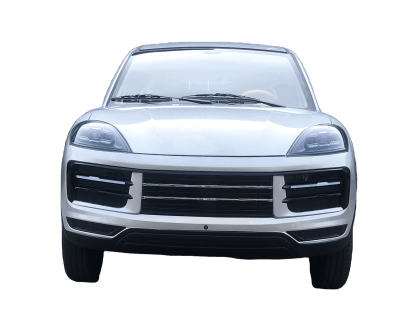

Electric Drive 500 SUV with Extended Range and Automatic Transmission
$13300.00 - $14300.00
MOQ: 3 units


Fast Electric SUV Cheap Electric Vehicles Electric Automobile Car Electric Motors Vehicles
$29300.00 - $29500.00
MOQ: 1 Pieces


High Speed Long Nedc Range Fast Speed Car SUV Made in China Factory Direct Supply
$29300.00 - $29500.00
MOQ: 1 Pieces


Powerful Acceleration SUV Adapt Urban Commute and Long-Distance Self-Drive
$18300.00 - $18600.00
MOQ: 1 Pieces

Low Energy Consumption SUV Bring Smooth Quiet Urban Driving Experience
$18300.00 - $18600.00
MOQ: 1 Pieces


Comprehensive Sourcing Guide
Strategic Sourcing Guide for City Drive Electric SUVs
Navigating the global market for city drive electric SUVs requires a disciplined approach that balances urban mobility needs with rigorous technical verification. The current procurement landscape presents a diverse array of vehicles, ranging from high-performance electric models to specialized low-speed electric cars. Buyers must distinguish between these categories based on specific operational requirements, regulatory compliance, and total cost of ownership. This guide outlines the critical factors for sourcing these vehicles, focusing on the technical specifications, certification standards, and supplier evaluation criteria observed in the current market data.
Technical Specifications and Performance Variability
When sourcing electric SUVs for urban environments, the first step is to analyze the technical specifications provided by suppliers. The market data indicates a significant divergence in vehicle attributes, which directly impacts suitability for city driving. A primary observation is the variation in body styles and drive configurations. Some listings specify an SUV body style with Rear-Wheel Drive (RWD), while others indicate Front-Wheel Drive (FWD) configurations. Additionally, there are entries describing "Open" body types alongside "Closed" body types, suggesting a mix of utility vehicles and standard passenger SUVs.
Powertrain performance is another critical differentiator. High-performance electric models in the dataset demonstrate substantial capabilities, with maximum power reaching 230 kW and maximum torque at 370 N.M. These vehicles boast a maximum horsepower of 313 PS and can achieve a 0-100 km/h acceleration in 1.93 seconds. However, other listings describe vehicles with power outputs greater than 800W, which are categorized as low-speed electric cars. This distinction is vital; a 313 PS vehicle is suitable for mixed urban and highway driving, whereas a low-speed electric car is restricted to specific zones or private roads.
Battery technology and charging infrastructure compatibility are equally important. The observed data includes vehicles equipped with 90.38 kWh Ternary Lithium batteries, offering an energy density of 180 Wh/Kg. These high-capacity units support fast charging times of 0.25 hours to reach 80% energy, with slow charging taking approximately 10.5 to 17 hours. In contrast, other entries mention a 72V voltage system, which is typical for low-speed electric vehicles and incompatible with standard high-voltage EV charging networks. Buyers must verify the battery capacity (kWh) and voltage requirements against their local charging infrastructure before proceeding.
Regulatory Compliance and Certification Standards
Compliance with local and international standards is a non-negotiable aspect of B2B procurement. The dataset reveals that some vehicles carry the CCC (China Compulsory Certification), which is a mandatory requirement for vehicles sold in the Chinese market. However, for export to other regions, buyers must verify if these certifications are transferable or if additional homologation is required. The presence of an "ISOSeats:Steering:Left" certification indicates specific safety and ergonomic standards, but the data also lists "Steering:Right" configurations, highlighting the need to match the vehicle's steering position to the target market's traffic laws.
Vehicle standards vary significantly in the provided data. Some entries list the standard as "medium-size," while others provide specific dimensional standards such as 378016501530 mm or 4930 × 1920 × 1700 mm. These dimensions directly affect parking feasibility in dense city centers. A vehicle with a length of 4880 mm and width of 1970 mm offers a different parking footprint compared to a compact model measuring 3027 x 1517 x 1620 mm. Buyers should not assume that a "medium-size" classification applies universally; instead, they must request the exact dimensional specifications to ensure the vehicle fits within the intended urban infrastructure.
Furthermore, the condition of the vehicles varies. While many listings specify "New" condition, others mention running mileage up to 600 km. This suggests the availability of both brand-new inventory and low-mileage pre-owned units. Procurement contracts must explicitly define the condition criteria to avoid disputes regarding vehicle age and wear.
Cost Drivers and Pricing Dynamics
The pricing for electric SUVs in this sector exhibits a wide range, observed between 1,700 and 64,000 USD. This disparity is driven by several factors, including battery capacity, performance metrics, and vehicle condition. High-performance models with 90.38 kWh batteries and 313 PS output command prices at the upper end of the spectrum, reflecting their advanced technology and superior range capabilities. Conversely, low-speed electric cars with 72V systems and lower power outputs are positioned at the lower end of the price range.
Minimum Order Quantity (MOQ) is another significant cost driver. The observed MOQ ranges from 1 to 30 units. Buyers purchasing a single unit for demonstration or pilot programs may face higher per-unit costs compared to those placing bulk orders of 30 units. Additionally, packaging methods influence logistics costs. Some vehicles are listed as CBU (Completely Built Unit), which implies they are shipped fully assembled, while others are described as "Naked" or "To Be Decided." CBU shipments generally incur higher shipping costs but reduce assembly time at the destination, whereas "Naked" shipments may require local assembly, adding labor and time costs to the total procurement budget.
Typical Applications and Operational Use Cases
The diverse specifications observed suggest that city drive electric SUVs serve multiple distinct applications. High-performance electric SUVs with a CLTC range of 600-770 km and fast charging capabilities are ideal for corporate fleets, ride-sharing services, and executive transport in metropolitan areas. These vehicles offer the range necessary for daily commuting without frequent recharging stops.
In contrast, low-speed electric cars with 72V systems and power outputs over 800W are better suited for specific urban niches. These vehicles are often utilized for short-distance logistics, campus shuttles, or gated community transport where speed limits are restricted. The "Open" body type listings may indicate utility vehicles designed for cargo transport within city limits, while "Closed" body types are intended for passenger comfort. Buyers must align the vehicle's speed, range, and body style with their specific operational use case to ensure cost-effectiveness and regulatory compliance.
Supplier Evaluation and Product Verification
Evaluating suppliers requires a careful review of the product data provided. The dataset lists various product models, including the Avatr 11, f10, Hyper HT-2, and JT03. Each model has unique attributes, such as the Avatr 11 being a medium-size SUV with specific dimensions, or the JT03 being a compact model. Buyers should verify the authenticity of these model names and cross-reference them with the manufacturer's official documentation.
Origin and location data are also critical for supplier evaluation. While some products originate from China, others are listed with specific origins like Shanxi. This geographical information can impact shipping logistics and lead times. Additionally, the "Customization: Available" attribute indicates that some suppliers offer tailored solutions, which can be beneficial for fleet operators needing specific branding or feature sets. However, buyers must confirm the extent of customization and any associated costs or lead time extensions.
Quality Control and Inspection Protocols
Given the variation in vehicle conditions and specifications, a robust quality control (QC) protocol is essential. Buyers should implement a multi-stage inspection process that includes verifying the battery health, checking the braking systems (noted as mechanical in some listings), and confirming the gearbox type (automatic). For vehicles with running mileage, a comprehensive mechanical inspection is necessary to assess wear and tear.
The braking system and drive configuration (RWD vs. FWD) should be tested under load to ensure safety standards are met. Additionally, the steering system must be verified against the target market's requirements, particularly regarding left-hand or right-hand drive configurations. For low-speed electric cars, the voltage and power output should be measured to ensure they meet the claimed specifications.
Long-Term Procurement Considerations
Sourcing electric SUVs is not just a one-time transaction but a long-term commitment. Buyers must consider the availability of spare parts, the longevity of the battery, and the support infrastructure for charging. The fast charging time of 0.25 hours is a significant advantage for fleet operations, but it requires compatible charging stations. Buyers should assess the local charging infrastructure before committing to high-performance models.
Furthermore, the "To Be Decided" packing status for some models indicates potential flexibility in logistics, but it also introduces uncertainty. Buyers should negotiate clear terms regarding packaging, shipping, and delivery timelines to avoid delays. Finally, the customization options available should be leveraged to future-proof the fleet, ensuring that vehicles can be adapted to changing regulatory requirements or operational needs over time.
Comparative Analysis of Key Vehicle Attributes
To facilitate decision-making, the following table summarizes the key attributes observed in the market data, highlighting the differences between high-performance and low-speed electric vehicles.
| Attribute | High-Performance Electric SUV | Low-Speed Electric Car |
|---|---|---|
| Max Power | 230 kW | >800W |
| Battery Capacity | 90.38 kWh | 72V System |
| Battery Type | Ternary Lithium | Not Specified |
| Fast Charging | 0.25h (80% Energy) | Not Specified |
| Max Speed | 200 Km/H | Low Speed (Restricted) |
| Body Style | SUV (Closed/Open) | Electric Car Low Speed |
| Typical Model | Avatr 11, Hyper HT-2 | JT03 |
| Origin | China (General) | Shanxi (Specific) |
| Certification | ISO, CCC | CCC (if applicable) |
This comparison underscores the importance of matching vehicle specifications to specific procurement needs. By carefully analyzing these attributes, buyers can make informed decisions that align with their operational goals and budget constraints.
Conclusion
Sourcing city drive electric SUVs requires a meticulous approach that balances technical performance, regulatory compliance, and cost efficiency. The market offers a wide range of options, from high-performance electric SUVs with advanced battery technology to specialized low-speed electric cars. Buyers must verify all specifications, certifications, and supplier claims against their specific requirements. By adhering to rigorous quality control protocols and understanding the long-term implications of their procurement choices, buyers can successfully navigate this complex market and secure vehicles that meet their urban mobility needs.
FAQs
What is the battery capacity for high-performance city drive electric SUVs?
High-performance models feature a 90.38 kWh Ternary Lithium battery. This capacity supports fast charging to 80% in 0.25 hours and offers a CLTC range between 600 and 770 kilometers for urban operations.
How fast can these electric SUVs accelerate from zero to one hundred?
Top-tier vehicles achieve 0-100 km/h acceleration in 1.93 seconds. This performance is driven by a maximum power of 230 kW and a torque of 370 N.M, suitable for mixed urban and highway driving.
Which certification standards apply to these electric SUVs?
Some listings include CCC certification for the Chinese market and ISOSeats standards. Buyers must verify if these certifications transfer to their target region or if additional homologation is required for export.
Can I find city drive electric SUVs with right-hand drive configurations?
Yes, right-hand drive options are available in the market data. Specific listings indicate steering configurations for different traffic laws, ensuring compatibility with regions requiring right-hand drive vehicles.
What is the price range for sourcing these electric SUVs?
The observed price range spans from 1,700 to 64,000 USD. This variance depends on battery capacity, performance metrics, and whether the unit is a high-performance SUV or a low-speed electric car.
How long does slow charging take for these electric vehicles?
Slow charging typically requires between 10.5 and 17 hours to fully charge the battery. This duration varies based on the specific battery model and the charging infrastructure used at the destination.
What are the standard dimensions for medium-size city drive electric SUVs?
Medium-size models often measure approximately 4880 mm in length and 1970 mm in width. These dimensions are critical for ensuring the vehicle fits within dense urban parking infrastructure and standards.