Source Class II Waterproof Dentist Loupes for Clinics, Labs, Surgery
Compare 30 listings of Class II Waterproof Dentist Loupes from verified suppliers. Evaluate magnification, weight, and lighting options for dental clinics, laboratories, and oral surgery departments.
Key considerations
Products List
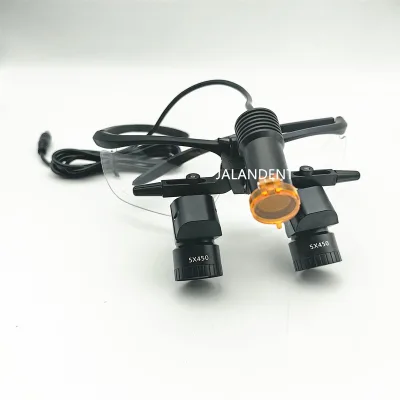


Competitive Price Dental Equipment Surgical Loupes with LED Headlight Dental Supplier
$150.00 - $170.00
MOQ: 2 Pieces


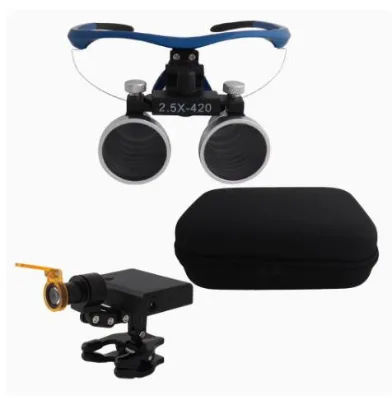

6.0X-420mm Magnification Antifog Dental Surgical Loupes Professional Dental Loupes
$180.00 - $200.00
MOQ: 2 Pieces


Comprehensive Sourcing Guide
Strategic Sourcing Guide for Class II Waterproof Dental Loupes
Understanding Product Classification and Regulatory Context
When sourcing dental loupes, the distinction between Class I and Class II medical devices is a critical first step for any procurement professional. The provided product data explicitly identifies a specific model, the JA-LO792, as a Class I instrument. This classification generally implies that the device presents a low risk to the user and is subject to general controls. However, the core keyword for this sourcing guide specifies "Class II" waterproof dentist loupes. This discrepancy highlights a vital requirement for the buyer: the need to verify the regulatory classification of any specific supplier's offering against the intended market's legal requirements. In many jurisdictions, Class II devices require more rigorous pre-market notification and quality system regulations than Class I devices.
Buyers must not assume that a product listed with Class I attributes meets the criteria for a Class II procurement. The presence of a CE certificate in the supplied data indicates compliance with European Union standards, but the specific class designation must be confirmed in the official documentation for the specific model being purchased. If the procurement goal is strictly Class II, the buyer must request explicit confirmation from the supplier that the device falls under this higher risk category, particularly if the loupes include active components like integrated lighting or electronic magnification systems that might elevate their regulatory status. The absence of a Class II label in the observed data for the JA-LO792 model serves as a reminder to scrutinize the regulatory documentation for every potential supplier before finalizing a contract.
Technical Specifications and Functional Requirements
The technical landscape of dental loupes is defined by optical performance, ergonomics, and power systems. The supplied facts reveal a range of magnification options, specifically 4X, 5X, and 6X, with a corresponding working distance of 320mm to 420mm. These parameters are essential for determining the suitability of the loupes for specific dental procedures. For instance, higher magnification (6X) typically offers a narrower field of view, which is beneficial for detailed restorative work, while lower magnification (4X) provides a wider field, advantageous for general examinations. The data also notes a visual field of 120mm and a depth of field of 80mm for certain models, which are critical metrics for ensuring the dentist can maintain focus on the operative site without excessive head movement.
Waterproofing is a specific requirement in the core keyword that is not explicitly detailed in the provided product attributes. While the data mentions "Metal" as a material and "Standard Exported Carton" for packing, it does not confirm an IP (Ingress Protection) rating. Buyers seeking waterproof loupes must verify the specific IP rating, such as IPX4 or higher, which indicates resistance to water splashes or immersion. The supplied data indicates that some models come with integrated lighting, with a color temperature of 6000K, which mimics daylight and reduces eye strain. However, other models are listed without light. The power source is noted as "Electric," and specific battery details include a 2000mAh capacity with a working time of 5 hours. For waterproof applications, the integrity of the battery compartment and the sealing of the light source are paramount to prevent moisture ingress that could damage the electronics or compromise the optical clarity.
Compliance, Certification, and Quality Assurance
Navigating the compliance landscape for dental equipment requires a rigorous verification process. The observed product data lists "CE" and "CE ISO" as quality certifications. This suggests that the supplier claims adherence to European safety standards and potentially ISO quality management systems. However, the keyword specifies "Class II," which often necessitates additional documentation beyond a standard CE mark, such as a Declaration of Conformity that explicitly references the relevant Directives for Class IIa or IIb devices. The buyer must ensure that the certification covers the specific waterproof features and the electronic components if the loupes are powered.
Quality assurance extends beyond the initial certification. The data mentions a "Shelf Life" of 3 years and a "Warranty" of 1 year. These are significant indicators of the manufacturer's confidence in their product's durability. However, for waterproof equipment, the warranty terms should explicitly cover water damage or seal failure. The "Usage Times" are listed as "Non-Disposable," which aligns with the expectation of a durable, long-term investment. Buyers should also verify the "Quality Certification" status with the issuing body to ensure it is current and applicable to the specific model number. The presence of a "Metal" construction suggests robustness, but the specific alloy and finish must be evaluated to ensure they do not corrode when exposed to the humid and chemically active environment of a dental clinic.
Cost Drivers and Procurement Economics
The economic factors influencing the procurement of dental loupes are multifaceted, involving unit price, minimum order quantities (MOQ), and logistics. The observed price range in the data spans from 15 to 335 USD, a significant variance that likely reflects differences in magnification, lighting integration, and build quality. The MOQ range is observed between 1 and 100 units, offering flexibility for both single-item purchases and bulk procurement for large clinics or distributors. The specific model JA-LO792 has an observed MOQ of 2 PCS, which is a reasonable entry point for small practices.
Cost drivers for Class II waterproof loupes include the complexity of the optical system, the quality of the battery and charging infrastructure, and the engineering required to achieve waterproofing. Models with higher magnification (6X) and integrated LED lighting systems typically command a higher price point. The "Light" attribute varies between "Yes" and "No" in the data, directly impacting the cost. Additionally, the "Shipment" method, listed as international express services like DHL, EMS, FEDEX, and UPS, adds a variable cost component that buyers must factor into their total landed cost. Payment terms are noted as "TT" (Telegraphic Transfer), which is standard but requires careful financial planning to ensure secure transactions. Buyers should also consider the "Customization" availability, which can add to the unit cost but may be necessary for specific ergonomic needs or branding requirements.
Typical Applications and Operational Fit
The operational context for dental loupes is diverse, ranging from general dentistry to specialized oral surgery. The supplied data indicates that the products are applicable to the "Dental Department," "Dental Clinic," and "Dental Laboratory." Specific models are also noted for "Oral Surgery," suggesting that the equipment is robust enough for more invasive procedures. The "Nature" of the product is described as "Specialized Instrument Equipment," emphasizing its role as a critical tool for precision work.
For waterproof loupes, the application environment is particularly relevant. Dental clinics often involve the use of water sprays, ultrasonic scalers, and frequent cleaning protocols. A waterproof design ensures that the loupes can withstand these conditions without degradation, maintaining hygiene and functionality. The "Working Distance" of 320mm to 420mm is suitable for a wide range of dental chairs and patient positions. The "Weight" of the loupes, listed as 2.5kg or 2kg in the data, is a crucial ergonomic factor. While these weights are substantial, they likely include the battery and lighting systems. Buyers must ensure that the weight distribution is balanced to prevent neck strain during long procedures. The "Color" options, including Black, White, Silver, Red, and Blue, allow for customization to match clinic branding or personal preference, though functional durability should take precedence over aesthetics.
Supplier Evaluation and Quality Control Protocols
Selecting a reliable supplier for Class II waterproof loupes requires a thorough evaluation of their capabilities and quality control systems. The "Place of Origin" is identified as China, a major manufacturing hub for medical devices. While this offers cost advantages, it necessitates a rigorous vetting process to ensure product consistency and compliance. Buyers should verify the supplier's history, specifically their experience with Class II devices and waterproof engineering. The "Export Markets" are listed as "Global," which is a positive indicator of the supplier's reach and experience with international standards.
Quality control protocols should be a central part of the supplier evaluation. Buyers should request detailed test reports for waterproofing, optical clarity, and battery safety. The "Certificate" of CE ISO is a good starting point, but it should be supported by internal quality control records. The "Packing Size" of 112234cm and the use of a "metal box" or "Standard Exported Carton" indicate attention to packaging, which is essential for protecting the delicate optical components during transit. The "Light Spot" shape, noted as "Square" in the data, is a specific design feature that should be verified for its suitability in the intended application. Buyers should also assess the supplier's responsiveness to customization requests, as the data confirms that "Customization" is available. This flexibility can be crucial for adapting the loupes to specific clinical workflows or ergonomic requirements.
Long-Term Procurement and Lifecycle Management
Long-term procurement considerations for dental loupes extend beyond the initial purchase to include maintenance, warranty support, and lifecycle management. The "Shelf Life" of 3 years and "Warranty" of 1 year provide a baseline for the product's expected durability. However, for waterproof loupes, the longevity of the seals and the battery are critical factors. The "Battery" is specified as a "Lithium Battery," which has a finite number of charge cycles. Buyers should inquire about the availability of replacement batteries and the cost associated with them.
The "Working Time" of 5 hours is a significant operational metric, ensuring that the loupes can support a full day of procedures without interruption. The "Charger Voltage" of 100-240V indicates global compatibility, which is beneficial for clinics that may operate in different regions or for suppliers shipping internationally. Buyers should also consider the "Usage Times" and the "Non-Disposable" nature of the product, which suggests a long-term investment. Regular maintenance, such as cleaning the optical lenses and checking the waterproof seals, is essential to maintain performance. The "Customization" option allows for future upgrades or modifications, which can extend the useful life of the equipment. Finally, the "Selling Units" being listed as "Single item" suggests that the supplier is flexible in their sales approach, which can be advantageous for procurement strategies that require phased purchasing or trial orders.
FAQs
How to verify if dental loupes meet Class II waterproof standards?
Verify the regulatory classification by requesting explicit documentation confirming Class II status, as some listed models are Class I. Ensure the supplier provides proof of waterproofing ratings like IPX4, since standard data does not confirm this feature for all units.
What magnification options are available for dental loupes?
Available magnification options include 4X, 5X, and 6X, with some models offering 2.5X or 3.5X. These levels determine the field of view and working distance, which typically ranges from 320mm to 420mm depending on the specific optical configuration selected.
Can these loupes be customized for specific clinic needs?
Yes, customization is available for specific clinic needs such as branding or ergonomic adjustments. Buyers should confirm the specific customization scope with the supplier, as options may vary by model and require additional lead time or costs.
Which certification ensures compliance for international dental equipment?
CE and CE ISO certifications are listed for these products, indicating compliance with European safety standards. Buyers must confirm that the specific model's certification covers the intended Class II classification and waterproof features before finalizing procurement.
How long does the battery last during a full work day?
The battery provides approximately 5 hours of working time on a single charge. This capacity supports a standard work day, but users should verify the specific battery capacity, which is noted as 2000mAh*2 for certain models.
What is the minimum order quantity for purchasing these loupes?
The minimum order quantity ranges from 1 to 100 units depending on the supplier and model. Specific models like JA-LO792 have an observed MOQ of 2 PCS, offering flexibility for small clinics or larger bulk orders.
How heavy are the dental loupes with integrated lighting?
The weight varies between 2kg and 2.5kg depending on the model and included components. Heavier units typically include the battery and lighting system, so ergonomic balance is a critical factor for long-term clinical use.