Source Class II Rabies Test Kit for Veterinary, Clinical, and Research Labs
Compare 30 Class II Rabies Test Kit options from verified Chinese suppliers offering saliva and serum detection with rapid results. Buyers can evaluate sensitivity, shelf life, and customization for veterinary, clinical, and research applications.
Key considerations
Products List


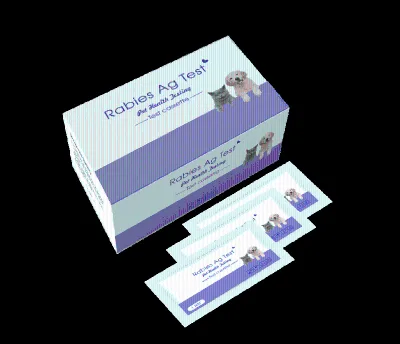
Veterinary Rabies Test Kit Canine Rabies Antigen Rapid Diagnostic Test Kit
$0.01 - $20.00
MOQ: 300 Test




Comprehensive Sourcing Guide
Class II Rabies Test Kit Sourcing Guide
Procuring Class II rabies test kits requires a disciplined approach to verifying diagnostic accuracy, regulatory compliance, and supply chain reliability. These devices are critical for detecting rabies virus antigens in biological specimens, serving as a vital tool in both veterinary diagnostics and post-exposure prophylaxis monitoring. Buyers must navigate a complex landscape where product specifications vary significantly between saliva-based rapid tests and serum-based assays. The distinction between Class II medical devices and general laboratory reagents is paramount, as it dictates the regulatory pathway, quality management system requirements, and the ultimate safety profile of the diagnostic tool.
This guide provides evidence-based procurement strategies for sourcing these kits, focusing on the technical attributes, commercial terms, and quality assurance measures observed in the current market. By understanding the specific parameters such as sensitivity, specificity, and storage conditions, buyers can mitigate risks associated with false negatives or logistical failures. The following sections detail the essential verification steps, compliance documentation, and long-term partnership considerations necessary to secure a reliable supply of high-quality rabies diagnostic kits.
Product Scope and Observed Listing Signals
The observed market for rabies diagnostic kits reveals a diverse range of formats, primarily centered around rapid test cassettes and strips designed for quick result interpretation. Listings frequently highlight a test time ranging from 5 to 30 minutes, with some products specifying results within 10-20 minutes, which is crucial for point-of-care settings where immediate decision-making is required. The specimen types vary, with some kits optimized for saliva collection, while others are designed for serum or plasma analysis. This variation necessitates careful alignment between the kit’s intended specimen type and the available sample collection methods in the target clinical or veterinary environment.
Packaging and unit configurations also show significant variability, with pack sizes ranging from single tests to bulk boxes of 50 or more. Standard packaging often includes carton boxes with specific dimensions, such as 68cm x 44cm x 44cm for larger shipments, containing multiple smaller boxes. Buyers should note that some listings indicate a shelf life of 24 months and require storage temperatures between 2-30 degrees Celsius, which impacts cold chain logistics and inventory management. Understanding these physical and logistical attributes is essential for calculating total landed costs and ensuring product stability upon arrival.
Technical Specifications to Verify
Sensitivity and specificity are the most critical performance metrics for any rabies test kit, directly influencing diagnostic confidence. Observed data indicates sensitivity values as high as 99.60% for certain saliva-based assays, while other products may list sensitivity around 92.60% and specificity at 100%. Buyers must verify these figures against independent clinical validation studies or regulatory submissions, as marketing claims can sometimes differ from actual performance in diverse populations. It is essential to confirm whether the reported metrics apply to the specific specimen type and viral strain being tested, as cross-reactivity or lower viral loads can affect accuracy.
The format of the test, whether cassette or strip, also impacts usability and interpretation. Cassettes often provide a more contained environment for the reaction, reducing the risk of contamination and making them easier to handle in field settings. Additionally, the assay time should be clearly defined, with some kits offering results in as little as 5-10 minutes, while others may take up to 30 minutes. Buyers should also consider the customization options available, such as logo printing or specific packaging requirements, which can be important for branding and inventory tracking in large-scale procurement scenarios.
Compliance and Safety Documentation
Regulatory compliance is non-negotiable for Class II medical devices, and buyers must ensure that suppliers possess the necessary certifications and approvals for their target markets. In China, where many of these kits originate, manufacturers must adhere to strict quality management systems and obtain relevant medical device registrations. Buyers should request copies of these registrations and verify that the products are labeled correctly according to local regulations, including the presence of CE marks or FDA clearances if applicable for export.
Safety documentation, including instructions for use and material safety data sheets, must be comprehensive and available in the local language. The absence of ethylene oxide sterilization in some products suggests alternative sterilization methods may be used, which should be validated for safety and efficacy. Buyers should also verify that the products are labeled as IVD reagents and comply with all relevant biohazard handling guidelines. Ensuring that the supplier provides complete and accurate compliance documentation is a key step in mitigating legal and operational risks.
Cost Drivers and Commercial Terms
The cost of rabies test kits is influenced by several factors, including the complexity of the assay, the volume of the order, and the level of customization required. Observed price ranges vary widely, reflecting differences in sensitivity, specificity, and packaging. Buyers should be aware that lower prices may correlate with higher minimum order quantities (MOQs) or less favorable payment terms. It is crucial to negotiate clear pricing structures that account for potential volume discounts and to understand any additional costs associated with shipping, insurance, and customs clearance.
Payment terms and delivery times are also significant commercial considerations. Common payment methods include T/T, Western Union, and PayPal, with delivery times ranging from 3 to 7 days after payment confirmation. Buyers should establish clear agreements on lead times and ensure that the supplier has the capacity to meet demand during peak periods. Additionally, the availability of customization services, such as logo printing or specific packaging, may incur additional costs and should be factored into the overall budget.
Supplier Qualification and Quality Control
Supplier qualification is a critical step in ensuring the reliability and consistency of the rabies test kits. Buyers should conduct thorough due diligence on potential suppliers, verifying their manufacturing capabilities, quality control processes, and track record in the medical device industry. It is advisable to request samples for independent testing and to review any available audit reports or quality certifications. Suppliers with a proven history of producing high-quality diagnostic kits are more likely to meet the stringent requirements of Class II medical devices.
Quality control measures should be transparent and robust, with suppliers providing detailed information on their testing protocols and batch release procedures. Buyers should inquire about the supplier’s approach to handling deviations and non-conforming products, as well as their process for continuous improvement. Establishing a strong relationship with a qualified supplier can help ensure consistent product quality and timely delivery, which are essential for maintaining an effective diagnostic program.
Long-Term Procurement Checks
Long-term procurement success depends on ongoing monitoring of supplier performance and product quality. Buyers should establish key performance indicators (KPIs) to track delivery times, product quality, and customer satisfaction. Regular reviews of these metrics can help identify potential issues early and allow for proactive corrective actions. Additionally, buyers should stay informed about any changes in regulatory requirements or market trends that may impact the procurement of rabies test kits.
Building a resilient supply chain involves diversifying suppliers and maintaining open communication channels. Buyers should consider developing contingency plans for potential supply disruptions, such as natural disasters or geopolitical events. By fostering strong relationships with multiple qualified suppliers, buyers can ensure continuity of supply and maintain competitive pricing. Continuous evaluation and adaptation of procurement strategies are essential for long-term success in the dynamic market for Class II rabies test kits.
FAQs
How long does it take to get results from the rabies test kit?
Results are available within 10 to 30 minutes for most formats. Some specific assays can deliver results in as little as 5 to 10 minutes depending on the specimen type and test format used.
What specimen types are accepted for this rabies antigen test?
The kit accepts saliva and cerebrospinal fluid for antigen detection. Serum and plasma are also valid specimen types for specific rabies vaccine check applications using this diagnostic platform.
Can I customize the packaging or add my logo to the kit?
Yes, customization is available including logo printing on the product. The standard packing is a carton package, but you can request specific configurations like 10 tests per box or 50 boxes per carton.
What is the shelf life and storage temperature for the test kit?
The product has a shelf life of 24 months when stored correctly. You must keep the kit at a temperature between 2 and 30 degrees Celsius to maintain its stability and accuracy.
Which manufacturers offer the rabies test kit with a quality guarantee?
Suppliers provide a two-year quality guarantee period for these diagnostic kits. The products originate from China and are available in various formats including cassettes and strips for different testing needs.
What is the minimum order quantity for purchasing these test kits?
The minimum order quantity can range from 1 to 10,000 units depending on the supplier. Specific models may require a minimum of 10 boxes, while others allow for smaller trial orders.
How sensitive is the rabies virus antigen rapid test kit?
The test kit demonstrates a sensitivity of 99.60% for detecting the rabies virus antigen. Some variants show a sensitivity of 92.60% with a specificity of 100% and an overall accuracy of 99.10%.