Source Class Ii Wireless Intraoral Scanner for Orthodontics
Find and compare 30 class ii wireless intraoral scanner models from China. Evaluate accuracy, scan speed, and weight to select the right digital impression instrument for your orthodontic department needs; compare the available evidence and request quotations based on your requirements.
Key considerations
Products List
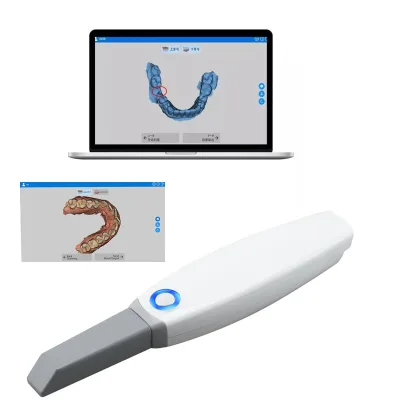


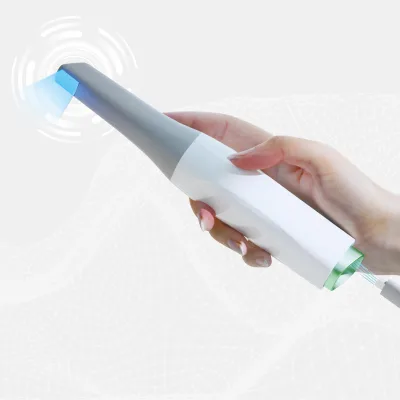
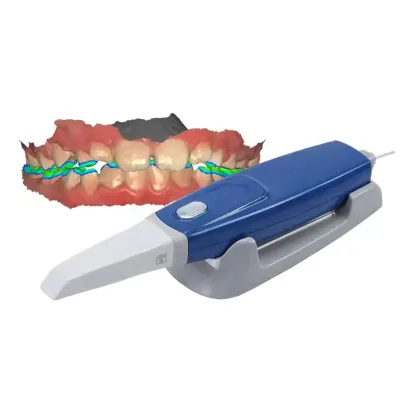
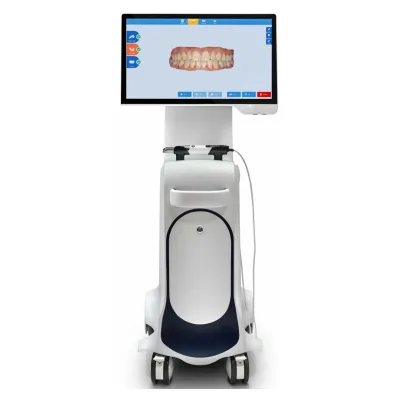


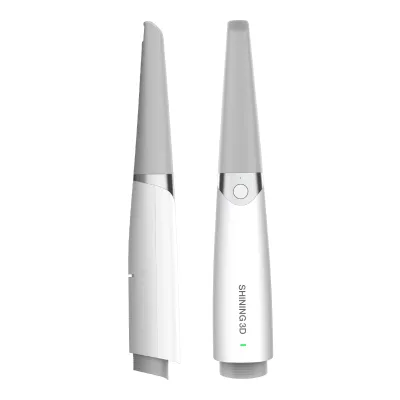
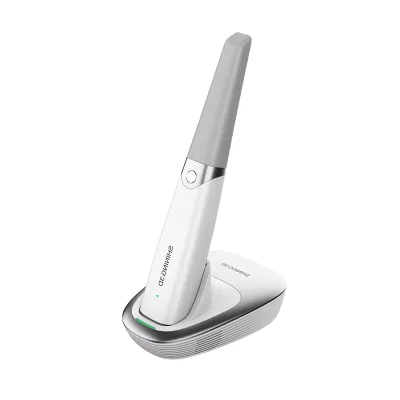
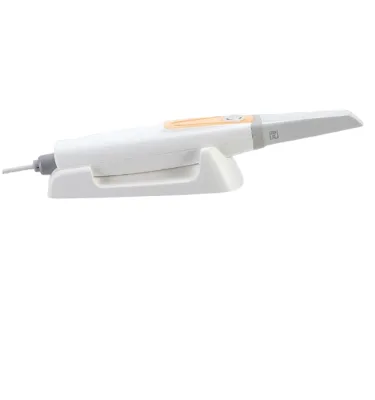

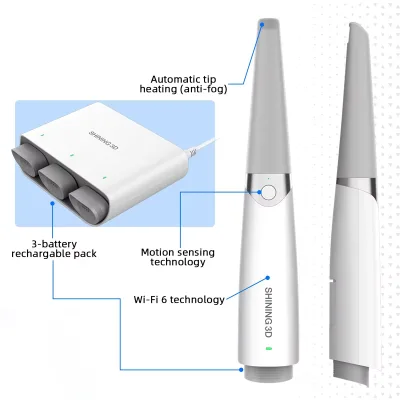



Comprehensive Sourcing Guide
Class II Wireless Intraoral Scanner Sourcing Guide
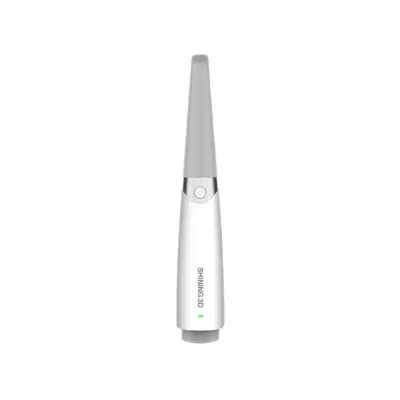
Procuring a Class II wireless intraoral scanner requires a disciplined approach to balancing clinical precision with operational flexibility. These devices are classified as medical imaging systems designed to capture high-resolution 3D digital impressions directly within the oral cavity. The wireless nature of the hardware eliminates cable clutter, allowing clinicians greater freedom of movement during complex procedures such as orthodontic planning or restorative dentistry. Buyers must prioritize devices that offer reliable connectivity and intuitive software integration to ensure seamless workflow adoption in busy clinical environments.
The market presents a diverse range of models, from compact handheld units to more robust systems with varying accuracy metrics. Observed listings indicate a wide price spectrum, reflecting differences in scanning speed, resolution, and brand positioning. Sourcing decisions should be driven by specific clinical needs, such as the required scanning range or depth of field, rather than generic features. Understanding the distinction between single-arch and full-arch scanning capabilities is essential for selecting a device that matches the practice’s case volume and complexity.
Product Scope and Observed Listing Signals
Current market listings reveal a significant variation in product specifications and pricing structures. Prices observed range from approximately $1,900 to over $21,000, indicating a broad segmentation between entry-level and high-end professional systems. This disparity often correlates with claimed accuracy levels, such as those ranging from 7 micrometers to 20 micrometers for full-arch scans. Buyers should carefully evaluate whether the listed accuracy claims are supported by independent validation or are merely marketing assertions, as this directly impacts clinical reliability.
The minimum order quantity (MOQ) for these devices is typically set at one unit, facilitating easy procurement for individual clinics or small practices. However, the physical attributes of the scanners vary considerably, with weights ranging from lightweight handheld units around 138 grams to heavier systems exceeding 2 kilograms. These weight differences influence ergonomic considerations for long-term use. Additionally, shelf life claims differ, with some products listing two years and others one year, which may reflect battery health or software support cycles rather than hardware durability.
Technical Specifications to Verify
Accuracy is the most critical technical parameter for intraoral scanners, directly affecting the fit of final restorations. Buyers must verify whether the stated accuracy applies to single arches or full arches, as these metrics often differ significantly. For instance, some models claim 10 micrometers for crown accuracy but 20 micrometers for full arch scans. It is essential to confirm the scanning speed, which can range from 22 to 30 seconds per arch, as this impacts patient comfort and chairside efficiency. Faster scanning speeds reduce the likelihood of patient movement artifacts.
Physical dimensions and scanning range are also vital for ergonomic and clinical suitability. Devices vary in size, with some measuring around 227 millimeters in length and others being more compact. The scanning range, often cited around 14.5 millimeters, determines how much of the dental arch can be captured in a single frame. A larger depth of field, such as 22 millimeters, can improve stability during scanning. Buyers should ensure the device’s weight and balance align with the clinician’s preference to minimize hand fatigue during extended procedures.
Compliance and Safety Documentation
Regulatory compliance is non-negotiable for medical devices, particularly those classified as Class II. Buyers must verify that the supplier provides valid CE certification and ISO standards documentation before finalizing any purchase. These certifications indicate that the device meets essential safety and performance requirements for the European market and international quality management systems. Without proper documentation, clinics risk non-compliance with local health regulations, potentially leading to legal liabilities and patient safety issues.
In addition to hardware certifications, software compliance and data security protocols must be scrutinized. The scanner’s ability to integrate with existing dental practice management software should be confirmed to ensure seamless data transfer. Buyers should inquire about the warranty terms, which typically range from three years for hardware, to understand the supplier’s commitment to product longevity. Online technical support is a common after-sales service, but the availability and responsiveness of this support should be evaluated to minimize downtime in clinical operations.
Cost Drivers and Commercial Terms
The total cost of ownership extends beyond the initial purchase price, encompassing software licenses, maintenance, and potential upgrades. High-end models with superior accuracy and faster scanning speeds command premium prices, while entry-level devices offer a lower barrier to entry. Buyers should assess whether the quoted price includes necessary accessories, such as charging docks, calibration tools, or protective cases. Understanding the inclusion of these items helps in making accurate budget comparisons across different suppliers.
Commercial terms such as payment methods, shipping costs, and return policies significantly impact the procurement process. Since the selling unit is typically a single item, logistics costs can be a substantial portion of the total expense. Buyers should clarify whether the supplier offers bulk discounts for multi-unit purchases, even if the MOQ is one. Additionally, the availability of customization options, such as branded packaging or specific software configurations, may incur additional fees that should be factored into the final cost analysis.
Supplier Qualification and Quality Control
Evaluating supplier credibility is crucial for ensuring the reliability of the intraoral scanner. Buyers should verify the supplier’s place of origin, with many manufacturers based in regions like Henan, China, known for medical device production. However, geographic origin alone does not guarantee quality. It is essential to review the supplier’s track record, including customer reviews and case studies, to assess their reputation in the dental technology sector. A supplier with a strong history of providing consistent quality and support is preferable.
Quality control processes should be transparent and rigorous. Buyers should inquire about the testing procedures conducted before shipment, including accuracy validation and durability tests. The presence of a single package size and standardized packing methods, such as carton packaging, indicates a level of operational maturity. Suppliers that provide detailed product specifications and clear documentation demonstrate a commitment to transparency. Buyers should avoid suppliers who are vague about their manufacturing processes or unable to provide comprehensive technical support documentation.
Long-Term Procurement Checks
Sustainability and future-proofing are key considerations for long-term procurement success. Buyers should assess the availability of software updates and compatibility with emerging dental technologies. A scanner that supports regular updates ensures that the device remains relevant and secure over its lifespan. The shelf life of the device, whether one or two years, should be interpreted in the context of battery health and software support, rather than just hardware degradation.
After-sales service quality is a critical factor in long-term satisfaction. Online technical support is a standard offering, but the depth of this support, including remote troubleshooting and training resources, varies among suppliers. Buyers should establish clear communication channels with the supplier for ongoing support. Additionally, the warranty period, often three years, provides a safety net for hardware failures. Regular maintenance schedules and the availability of spare parts should be confirmed to ensure uninterrupted clinical operations over the device’s useful life.
FAQs
What is the accuracy of the class ii wireless intraoral scanner?
The scanner offers high precision with an accuracy of 10 micrometers for crowns and 20 micrometers for full arch scans. Some advanced models achieve even higher resolution at 7 micrometers. This ensures reliable digital impressions for orthodontic departments requiring detailed dental models.
Which certifications does the class ii wireless intraoral scanner hold?
These devices typically carry CE and ISO quality certifications to meet international safety standards. The instrument classification is confirmed as Class II medical device. Buyers should verify specific documentation for each model to ensure compliance with local regulatory requirements before procurement.
How fast is the scanning speed for a single arch?
Scanning a single arch generally takes approximately 30 seconds with standard models. Certain high-speed units operate at 22 to 24 frames per second. This efficiency supports rapid workflow integration in busy dental clinics while maintaining the necessary detail for accurate digital impressions.
Can the class ii wireless intraoral scanner be customized?
Yes, customization is available for many models to suit specific clinic needs. Buyers can request tailored specifications or branding options. This flexibility allows dental practices to adapt the device to their unique operational requirements without compromising on the core scanning performance or accuracy.
What is the warranty period for the class ii wireless intraoral scanner?
Most units come with a standard warranty period of three years for coverage against defects. Some products may offer different terms, so checking the specific listing is essential. Online technical support is also provided to assist with any operational issues or maintenance queries during the warranty.
Where are the class ii wireless intraoral scanners manufactured?
The primary place of origin for these devices is Henan, China. Manufacturers in this region produce various models including the Panda P4 and Ex5 series. Buyers should confirm the specific origin for each order to understand logistics and potential shipping lead times from the factory.
What is the weight of the class ii wireless intraoral scanner?
The handheld scanner units are lightweight, with weights ranging from 138 grams to 210 grams depending on the model. This portability reduces hand fatigue during long scanning sessions. The single gross weight including packaging is typically around 3 kilograms for safe shipping.