Source Classic Gemstone Crystal Bead Bracelet for Gifts, Decor, Health
Find 30 listings for the Classic Gemstone Crystal Bead Bracelet suitable for formal occasions, gifts, and decoration. Buyers can compare styles, materials, and customization options across multiple suppliers to meet specific sourcing needs.
Key considerations
Products List


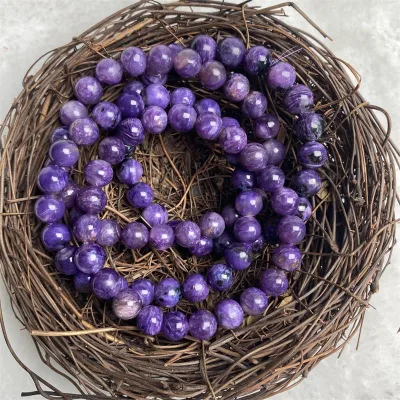


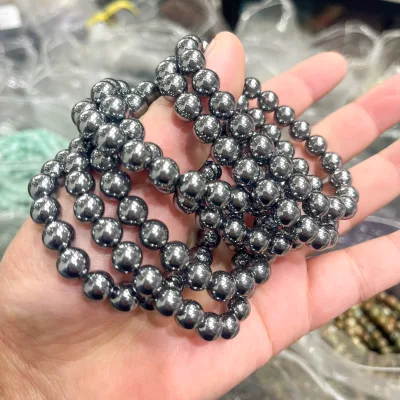
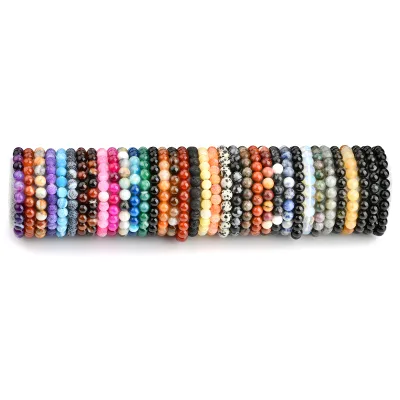


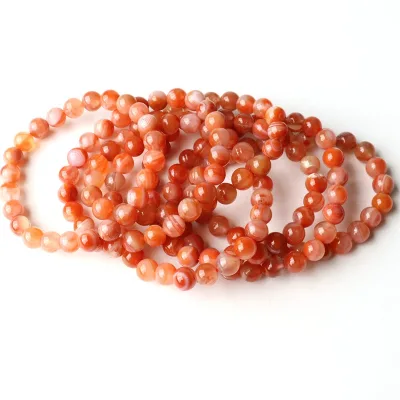

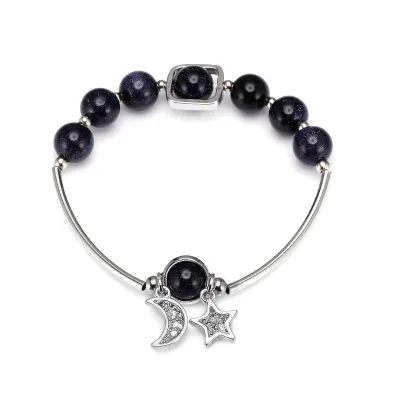
Retro Blue sandstone bracelet girls' simple lovers jewelry natural stone bracelet
$1.49 - $1.79
MOQ: 12 Minimum
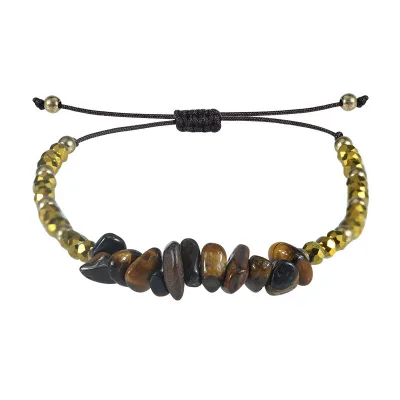


$1.00 - $8.00
MOQ: 2000 Pieces
Comprehensive Sourcing Guide
Classic Gemstone Crystal Bead Bracelet Sourcing Guide
Sourcing classic gemstone and crystal bead bracelets requires a nuanced understanding of both aesthetic variability and supply chain transparency. These accessories sit at the intersection of fashion and wellness, often marketed for their decorative appeal and perceived energetic properties. Buyers must navigate a market characterized by high SKU counts, natural material inconsistencies, and diverse customization capabilities. The following guide provides a structured approach to evaluating suppliers, verifying technical specifications, and managing commercial risks associated with this product category.
The procurement process begins with defining the precise product scope, as "gemstone" and "crystal" are broad terms that encompass vastly different materials, price points, and quality standards. Observed market signals indicate a wide range of offerings, from simple alloy-based spacer bracelets to complex multi-stone designs featuring tiger eye, rose quartz, and amethyst. Understanding these distinctions is critical for aligning supplier capabilities with brand positioning, whether the goal is mass-market decoration or premium gift-oriented sales.
Product Scope and Observed Listing Signals
The current market landscape for bead bracelets reveals significant diversity in materials, styles, and target demographics. Listings frequently highlight natural stone varieties such as tiger eye, rose quartz, and amethyst, often combined with crystal elements to create multicolour or specific stone-color palettes. These products are commonly categorized under formal occasions or general decoration, with usage extending to gift-giving and personal health-related marketing claims. The presence of both male and female suitability in product attributes suggests a unisex appeal, though design elements like silver plating or specific bead shapes may skew toward particular gender preferences.
Material composition varies widely, with options ranging from genuine gemstone beads to alloy constructions and mixed-media designs. Some products feature irregular shapes or specific spacer styles, indicating a focus on artisanal or trendy aesthetics rather than uniform industrial precision. Observed models such as ESB012156 and EST101902 demonstrate the existence of distinct product lines within this category, each potentially requiring different sourcing strategies. Buyers should note that while some listings emphasize "natural" styles, others may rely on synthetic or plated components, necessitating careful verification of material claims before committing to large orders.
Technical Specifications to Verify
Accurate technical verification is essential to prevent discrepancies between samples and bulk production. Key specifications to confirm include bead size, bracelet length, and overall weight, as these factors directly impact fit, comfort, and perceived value. Observed data points indicate common bead sizes of 4mm, 6mm, and 8mm, with standard bracelet lengths around 7 inches or 7.5 inches. However, these are not universal standards; buyers must explicitly define tolerances for length and bead diameter to account for natural variations in stone cutting and stringing elasticity.
Material density and component quality also require rigorous checking. For instance, products labeled with "silver plating" or "alloy" components must be evaluated for plating thickness and corrosion resistance. Weight specifications, such as the observed 25g for certain models, serve as a useful benchmark for consistency but should not be treated as absolute guarantees. Buyers should request detailed bill of materials (BOM) that separates stone beads from metal findings, ensuring that the proportion of natural stone to synthetic or metallic elements matches the agreed-upon quality tier.
Compliance and Safety Documentation
Regulatory compliance varies by destination market, particularly concerning heavy metal content and chemical safety. Gemstone bracelets often fall under general consumer goods regulations, but specific restrictions may apply to metal components, such as nickel release limits in silver-plated findings. Buyers must verify that suppliers can provide relevant test reports, such as those for lead, cadmium, and other restricted substances, especially if the products are marketed toward children or intended for long-term skin contact.
Additionally, labeling and origin documentation must be accurate to avoid customs delays or legal penalties. Products originating from China, as observed in several listings, must comply with export regulations and import requirements of the target country. Buyers should ensure that all packaging and labeling clearly state material composition, country of origin, and any relevant care instructions. Mislabeling natural stones as genuine gemstones when they are synthetic can lead to consumer protection violations, so transparency in material claims is paramount.
Cost Drivers and Commercial Terms
Pricing in the bead bracelet market is influenced by material costs, labor intensity, and order volume. Observed price ranges span from low-cost alloy options to higher-priced natural stone designs, reflecting the disparity in raw material value. Minimum order quantities (MOQs) typically range from 1 to 2000 units, offering flexibility for small businesses but potentially limiting economies of scale for larger orders. Buyers should negotiate tiered pricing structures that reward volume commitments while maintaining quality control standards.
Commercial terms also include customization capabilities and packaging options. Many suppliers offer custom packing solutions, such as PP bags or branded boxes, which can impact unit costs and logistics efficiency. Delivery timelines, often described as "in time" or "very soon," should be clarified with specific lead time estimates to ensure alignment with inventory planning. Buyers must also consider the cost of samples and tooling, if applicable, as these upfront expenses can affect the overall profitability of the sourcing project.
Supplier Qualification and Quality Control
Supplier qualification involves assessing manufacturing capabilities, quality assurance processes, and ethical standards. Buyers should prioritize suppliers who demonstrate experience in handling natural stones, as these materials require specialized knowledge to sort, drill, and string without excessive breakage. Factories with established quality control protocols for bead size consistency, string strength, and clasp durability are better positioned to deliver reliable products. Requesting references or case studies from previous clients can provide insight into a supplier’s reliability and responsiveness.
Quality control measures should include pre-production sample approvals and in-line inspections during manufacturing. Buyers must define clear acceptance criteria for visual defects, such as cracks in stones or uneven plating, and ensure that suppliers have procedures for rejecting non-conforming items. Regular communication and site audits, if feasible, can help maintain high standards and identify potential issues before they escalate into large-scale defects. Building a strong relationship with the supplier can also facilitate smoother resolution of any quality disputes that may arise.
Long-Term Procurement Checks
Sustainable sourcing practices are increasingly important in the gemstone and crystal industry. Buyers should inquire about the ethical sourcing of raw materials, ensuring that stones are obtained without contributing to environmental degradation or labor abuses. Suppliers who can provide traceability information or adhere to recognized ethical standards offer a competitive advantage in markets where consumers are increasingly conscious of supply chain ethics.
Continuous monitoring of market trends and supplier performance is essential for long-term success. The fashion accessory market is dynamic, with shifting preferences in colors, styles, and materials. Buyers should regularly review product performance data, customer feedback, and return rates to identify areas for improvement. Maintaining a diversified supplier base can mitigate risks associated with single-source dependencies, while staying informed about regulatory changes ensures ongoing compliance. By adopting a proactive and informed approach, buyers can build a resilient and profitable sourcing strategy for classic gemstone crystal bead bracelets.
FAQs
What materials are used for these bracelets?
The bracelets are crafted from crystal and alloy materials. Some designs feature beads with specific stone colors like tiger eye, rose quartz, amethyst, and crystal. The construction often includes silver plating for added durability and aesthetic appeal.
Can I request custom packaging for my order?
Yes, customization is available for packaging according to customer requests. Standard options include PP bags, but suppliers can adapt the packing to meet specific branding or shipping requirements. This flexibility supports various export and gifting needs.
What are the available size specifications for the beads?
Available bead sizes include 6mm and 8mm options. The bracelet lengths typically range from 7 inches to 7.5 inches. These dimensions accommodate different wrist sizes and design preferences for both male and female wearers.
Which occasions are these bracelets suitable for?
These bracelets are suitable for formal occasions and general decoration. They also serve as gifts and are marketed for health benefits. The natural and star fashion styles make them versatile for various personal and professional events.
How long is the delivery time for these products?
Delivery times are described as in time or very soon. Specific lead times depend on the supplier and order volume. Buyers should confirm exact schedules with manufacturers to ensure timely receipt for their events or inventory needs.
What is the origin of these crystal bead bracelets?
The products originate from China. This location is the primary source for the listed models and materials. Buyers sourcing from this region should consider standard shipping protocols and potential import regulations for their specific destination markets.
Can I find suppliers with low minimum order quantities?
Yes, minimum order quantities range from 1 to 2000 units. This wide range allows buyers to source small batches or large volumes. Suppliers offer flexibility to accommodate different business sizes and testing requirements for the Classic Gemstone Crystal Bead Bracelet.