Source Classic Engraved Champagne Glasses for Bars Hotels Restaurants
Compare 30 listings for Classic Engraved Champagne Glasses suitable for bars, hotels, and restaurants. Buyers can evaluate capacities ranging from 100ml to 480ml, styles including vintage and modern, and customization options like silk printing or customized logos.
Key considerations
Products List

Luxury Crystal Glasses Classic Wedding Engraved Persoanlised Champagne Coupe Glasses
$0.89 - $1.20
MOQ: 1000 pieces
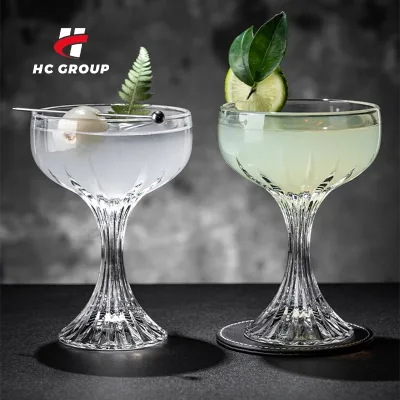
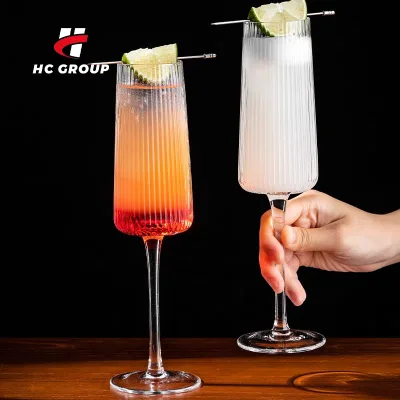
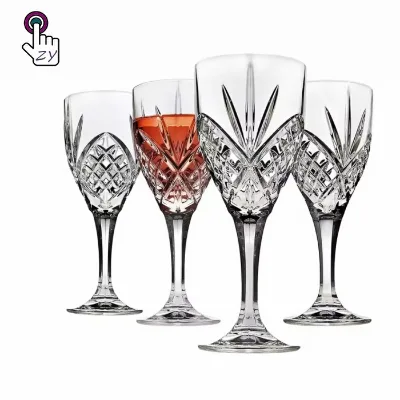


Cross Border Household Wine Set Creative Tall Cup Engraved Champagne Glasses
$1.44 - $1.69
MOQ: 550 Pieces

Super Popular Tall Glasses French Vintage Gradient Candy Colors Wine Glasses Champagne Flute
$1.78 - $2.09
MOQ: 450 Pieces

Wholesale Vintage Embossed Champagne Flutes Wedding Luxury Champagne Glasses
$1.30 - $1.43
MOQ: 699 Pieces


on Sale Unique Shaped 300ml Crystal Wine Drinking Handmade Juice Champagne Glasses
$3.86 - $4.29
MOQ: 233 Pieces


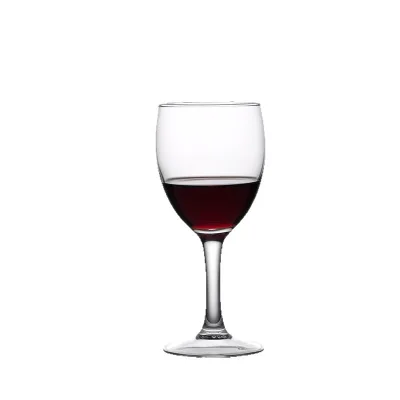
Custom Logo Whiskey Glasses 4 Square Rock Old Fashioned Classic Clear Glass
$1.27 - $1.63
MOQ: 100 Pieces



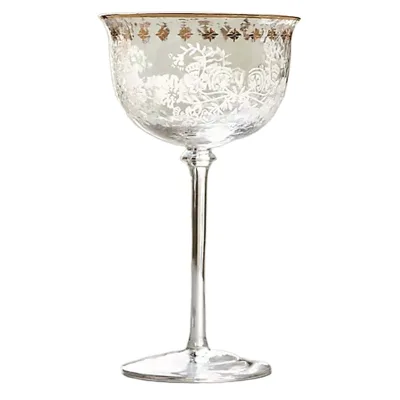


Comprehensive Sourcing Guide
Strategic Sourcing Guide for Classic Engraved Champagne Glasses
Understanding Product Definitions and Core Specifications
When sourcing Classic Engraved Champagne Glasses, buyers must first distinguish between the broad category of glassware and the specific attributes required for high-end procurement. The term "classic" often implies a design heritage that may align with vintage or traditional styles, yet modern manufacturing frequently blends these with contemporary aesthetics. In the current market, the product landscape includes items explicitly labeled as "Champagne Coupes," "Highball Glass," and "Ribbed Champagne Glass," indicating a diverse range of silhouettes available to the buyer. The material composition is a primary differentiator; while many listings specify "Glass" as the base material, specific high-end variants may be described as "Crystal" to denote lead-free or high-clarity formulations that enhance light refraction.
Capacity is a critical specification that varies significantly across the supply base. Buyers should expect to encounter products ranging from small tasting volumes under 200ml to larger service glasses exceeding 300ml. Specific market observations indicate capacities such as 20 oz, 16 oz (480ml), and variable ranges like 100ml to 380ml. The shape is equally diverse, with "Irregular Shape" and "Cylindrical Shape" options available alongside the traditional coupe silhouette. The "Classic" designation in a procurement context often requires verifying the "Design Style" as either "Vintage" or "Classic," though "Modern" and "Luxury" styles are also prevalent. Understanding these variations is essential before engaging with suppliers, as the physical form dictates the intended use, whether for bar service, hotel dining, or private home consumption.
Technical Compliance and Certification Verification
Compliance is a non-negotiable aspect of sourcing glassware intended for food and beverage contact. The market data indicates a cluster of certifications that buyers should request as evidence of regulatory adherence. These include EEC (European Economic Community) standards, CIQ (China Inspection and Quarantine), LFGB (German Food Code), FDA (US Food and Drug Administration), and CE marking for the EU. Additionally, ROHS compliance is frequently cited, ensuring the product is free from specific hazardous substances. When evaluating a supplier, the buyer must verify that these certifications are current and applicable to the specific product model, such as model ZJ-3240 or H24-Y701, rather than assuming they apply to the entire supplier catalog.
The origin of the product is a significant factor in compliance logistics. The majority of the observed supply base originates from Guangdong, China, a major manufacturing hub. Buyers must ensure that the "prod_standard" aligns with their local regulations. While "OEM" (Original Equipment Manufacturer) is listed as a standard, this refers to the manufacturing capability rather than a safety standard. The presence of "Sustainable" attributes in product descriptions suggests an emerging trend toward eco-friendly production, but this should be verified against specific environmental management standards rather than accepted as a general claim. The "Single gross weight" and "Single package size" (e.g., 20x20x20 cm or 25x15x15 cm) are also critical for calculating shipping compliance and ensuring the packaging meets international transport safety regulations for fragile glass items.
Cost Drivers and Pricing Dynamics
The pricing structure for Classic Engraved Champagne Glasses is influenced by a complex interplay of material quality, customization depth, and order volume. The observed price range in the market spans from $0.05 to $42.00 USD. This wide disparity is not merely a function of brand but is heavily driven by the "Crystal" versus standard "Glass" distinction, the complexity of the engraving process, and the "Luxury" or "Vintage" styling. High-end crystal glasses with intricate engraving will naturally command prices at the upper end of this spectrum, while basic clear glass options with minimal branding may sit near the lower bound.
Minimum Order Quantity (MOQ) acts as a primary cost driver for small to medium-sized buyers. The market exhibits an MOQ range from 1 piece to 1080 pieces, with specific listings showing thresholds of 50 pieces or 480 pieces. For buyers seeking "Customized Logo" options, the MOQ often increases due to the setup costs associated with silk printing or laser engraving. The "Sample" availability is another cost consideration; while some suppliers offer samples freely, others may charge for the unit and shipping. Buyers must calculate the total landed cost, including the unit price, the MOQ commitment, and the logistics costs associated with the "Single package size" and "Single gross weight." For instance, a glass weighing 1.500 KG per unit requires different freight strategies than one weighing 0.800 kg, directly impacting the final cost per unit.
Customization Capabilities and Brand Integration
Customization is a central feature for buyers seeking to differentiate their brand through glassware. The market data confirms that "Customization" is widely available, with specific attributes highlighting "Customized Logo" and "Silk Printing" as the primary methods of branding. The "Logo" attribute often allows for specific placement and design integration, which is crucial for business gifts and corporate events. The "Selling Units" are typically listed as "Single item," allowing for flexible packaging configurations, though the "prod_packing" is generally standardized as "Carton."
Buyers should note that the "Customization" process may vary by the specific product model. For example, the "Ribbed Champagne Glass" might offer different engraving depths compared to the "Highball Glass." The "Design Style" options, including "Classic," "Vintage," and "Modern," provide a canvas for customization that aligns with the buyer's brand identity. However, the feasibility of engraving depends on the glass thickness and the "Glass Type." Transparent glass is the standard, but the clarity and refractive properties must be maintained to ensure the engraving is visible and aesthetically pleasing. The "Production" capability for "Champagne Glasses" suggests that suppliers have dedicated lines for this specific category, which can streamline the customization process for large orders.
Supplier Evaluation and Operational Reliability
Evaluating a supplier for Classic Engraved Champagne Glasses requires a focus on their production capacity and logistical reliability. The "Capacity" of the supplier, often measured in units per month, is not explicitly detailed in the product attributes but can be inferred from the "MOQ" ranges. Suppliers offering an MOQ of 1 piece may be trading companies or small workshops, while those requiring 480 or 1080 pieces likely have larger manufacturing facilities. The "Place of Origin" being Guangdong, China, is a common hub, but buyers should verify the specific factory location to assess the supply chain resilience.
The "Type" of supplier is also relevant; while "OEM" is listed, this implies the supplier can produce to the buyer's specifications. Buyers should verify the "Sample" policy to ensure the quality of the engraving matches the design intent before committing to a bulk order. The "Usage" of the product, ranging from "Bar Hotel Home Restaurant" to "Business Gifts," indicates the versatility of the supplier's portfolio. A supplier capable of serving both high-volume restaurant chains and boutique business gift clients likely has robust quality control systems. The "Single package size" and "Single gross weight" data points are essential for evaluating the supplier's ability to handle shipping and storage, ensuring that the packaging is sufficient to prevent breakage during transit.
Quality Control and Long-Term Procurement Strategy
Quality control for engraved glassware involves more than just visual inspection; it requires testing for durability, clarity, and the integrity of the engraving. The "Feature" of "Crystal" suggests a need for high clarity and resistance to scratching, which is critical for engraved surfaces that may be exposed to frequent washing. Buyers should establish clear acceptance criteria for the "Shape," ensuring that "Irregular Shape" or "Cylindrical Shape" products meet the dimensional tolerances required for their specific use cases. The "Color" is typically "Clear," but variations in the "1-290ml, 2-210ml" color codes suggest potential batch variations that must be managed.
Long-term procurement considerations include the stability of the supply chain and the ability to scale. The "Quantity" attribute of "1" in some listings may indicate a sample or a single unit, but for ongoing operations, buyers must secure a consistent supply that meets their volume needs. The "Standard" of "OEM" implies a partnership model where the supplier adapts to the buyer's changing needs. Buyers should also consider the "Sustainable" attributes mentioned in the product descriptions, as environmental regulations and consumer preferences are shifting toward more eco-conscious sourcing. Establishing a relationship with a supplier who can provide consistent "Customized Logo" services and maintain the "Luxury" or "Vintage" style integrity over time is essential for brand consistency.
Comparative Analysis of Product Attributes
To facilitate decision-making, the following table summarizes the key attributes observed in the market for Classic Engraved Champagne Glasses. This comparison helps buyers align their specific requirements with available product options.
| Attribute Category | Observed Options | Key Considerations for Buyers |
|---|---|---|
| Material | Glass, Crystal, Highball Glass | Verify "Crystal" claims for lead-free status and clarity. |
| Capacity | <200ml, 201-300ml, 100~380ml, 20 oz, 480ml | Match capacity to the specific beverage service (e.g., tasting vs. full pour). |
| Shape | Irregular, Cylindrical, Champagne Coupe | Ensure the shape aligns with the "Classic" aesthetic requirement. |
| Style | Vintage, Modern, Luxury, Classic | Select based on the target market (e.g., business gifts vs. home use). |
| Customization | Customized Logo, Silk Printing, Available | Confirm engraving depth and placement options. |
| Certification | EEC, CIQ, LFGB, FDA, CE, ROHS | Request valid certificates for the specific product model. |
| MOQ | 1, 50pcs, 480, 1080 | Negotiate based on initial order volume and sample requirements. |
| Origin | Guangdong, China | Assess logistics and lead times from this specific region. |
| Packing | Carton | Verify packaging strength for fragile glass transport. |
By systematically analyzing these attributes, buyers can navigate the complex landscape of Classic Engraved Champagne Glasses, ensuring they source products that meet their technical, aesthetic, and compliance requirements while maintaining cost efficiency and supply chain reliability.
FAQs
What certifications do Classic Engraved Champagne Glasses typically have?
These glasses typically hold EEC, CIQ, LFGB, FDA, CE, and ROHS certifications. Buyers must verify that these certifications apply to the specific product model, such as ZJ-3240, rather than assuming they cover the entire supplier catalog.
Which customization options are available for logo engraving?
Customized logos are available using methods like silk printing. The minimum order quantity often increases for custom branding, and buyers should confirm the engraving depth and placement options before committing to a bulk order.
How does the capacity vary across different glass models?
Capacities range from under 200ml to over 300ml, including specific sizes like 20 oz or 480ml. Buyers should match the capacity to their specific beverage service needs, whether for tasting or full pours.
Can I find suppliers with low minimum order quantities?
Yes, minimum order quantities range from 1 piece to 1080 pieces. Some listings show thresholds as low as 50 pieces, while others require 480 pieces, allowing flexibility for small to medium-sized buyers.
What materials are used for these champagne glasses?
The primary material is glass, with some high-end variants described as crystal. Buyers should verify crystal claims for lead-free status and clarity to ensure the product meets high-end aesthetic requirements.
Where are these products typically manufactured?
The majority of the supply base originates from Guangdong, China. Buyers should verify the specific factory location to assess supply chain resilience and calculate accurate shipping logistics from this region.