Source Classic Geometric Glass Terrarium for Gift, Decorative, Collection
Browse 21 Classic Geometric Glass Terrarium products from OEM manufacturers, including hand-made glass designs in sizes from 12cm to 20cm with customizable options. Buyers can compare dimensions, colors, packing styles, MOQ levels, and sample lead times across listings; compare the available evidence and request quotations based on your requirements.
Key considerations
Products List


Indoor Geometric Glass Vessel Terrarium Container Modern Metal Terrarium
$5.00 - $8.00
MOQ: 300 Pieces


Comprehensive Sourcing Guide
Classic Geometric Glass Terrarium Sourcing Guide
Sourcing classic geometric glass terrariums requires a clear understanding of the intersection between aesthetic design and functional manufacturing capabilities. These decorative items serve multiple purposes, ranging from home decor and gift-giving to collection pieces, often featuring modern styles and geometric patterns. Buyers must recognize that while the visual appeal is consistent, the underlying production methods vary significantly between suppliers. The market offers both OEM and ODM development technologies, allowing for customized designs or ready-made solutions depending on the buyer’s strategic needs.
The procurement process involves navigating a diverse range of product models, each with distinct dimensional specifications and packaging requirements. Observed listings indicate a variety of sizes, from compact 12cm diameters to larger 20cm structures, with heights varying accordingly. Understanding these physical attributes is crucial for logistics planning, as packaging formats range from individual cartons to brown boxes and palletized shipments. Buyers should align their order quantities with the supplier’s minimum order quantities, which typically start at 100 units but can extend to 1000 for certain models, ensuring efficient inventory management.
Product Scope and Observed Listing Signals
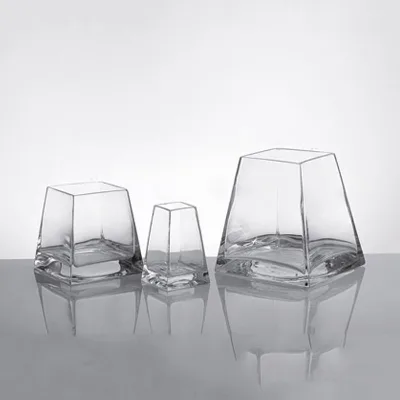
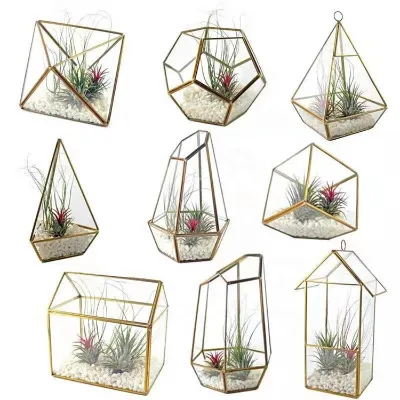
The product scope for classic geometric glass terrariums encompasses a wide array of models, each defined by specific dimensional standards and material compositions. Common models include HF151C-1, HF204, and HF009-20, among others, with dimensions such as 17x17x17cm or 20x15x35cm. These terrariums are primarily made from glass, often featuring transparent glazes that highlight the geometric integrity of the design. Some variants may include copper accessories, adding a metallic accent to the primary glass structure. The "Modern" age classification and "Fashion" style indicate that these items are targeted at contemporary interior design trends rather than traditional or vintage aesthetics.
Listing signals reveal that customization is a key differentiator in this category, with many suppliers offering tailored solutions for branding or specific design requirements. The availability of molds suggests that buyers can request unique geometric patterns or structural modifications, although this may impact lead times. Stock availability is generally limited, with many items produced on demand, leading to sample times of 5-7 days and mass production periods of approximately 25 days. Buyers should verify the specific model numbers and their corresponding dimensions to ensure compatibility with their retail or distribution channels, as inconsistencies in size can affect shelving and display logistics.
Technical Specifications to Verify
Verifying technical specifications is critical to ensuring that the terrariums meet the intended design and functional requirements. Buyers must confirm the exact dimensions, such as the 15cm or 19cm diameters observed in various models, and the corresponding heights, which can range from 15cm to 35cm. The processing method, often hand-made, adds value but also introduces variability that must be managed through strict quality control protocols. Additionally, the type of packing, whether carton, brown box, or pallet, must be aligned with the buyer’s shipping and storage capabilities to prevent damage during transit.
Material composition is another vital aspect, with glass being the primary material and copper occasionally used for accessories. Buyers should verify the thickness and clarity of the glass, as well as the finish of any metallic components, to ensure durability and aesthetic consistency. The presence of a mold indicates the potential for custom geometries, but buyers must confirm the precision of the mold to avoid defects in the final product. Understanding these technical details helps in selecting the right supplier who can deliver products that match the specified standards, such as the 17x17x17cm H or 14x25.5cm H dimensions noted in some listings.
Compliance and Safety Documentation
Compliance and safety documentation are essential for importing glass products, particularly those intended for home use or as gifts. Buyers should request evidence of factory audits, such as BSCI and FSC certifications, which indicate adherence to social responsibility and environmental standards. While specific product certifications may vary, it is crucial to verify that the glass used meets safety standards for transparency and structural integrity. The transparent glaze type suggests that the glass should be free from significant distortions or impurities that could compromise safety or aesthetic quality.
Documentation should also cover the origin of the products, with China being a common source, and ensure that all materials comply with international trade regulations. Buyers must verify that the suppliers have the necessary licenses to export glass goods and that the products are labeled correctly for their target markets. Although specific test results are not provided in the observed data, buyers should inquire about impact resistance and thermal stability tests, especially if the terrariums are intended for use in environments with temperature fluctuations. Ensuring compliance with these standards mitigates legal risks and enhances brand reputation.
Cost Drivers and Commercial Terms
Cost drivers for classic geometric glass terrariums include the complexity of the geometric design, the quality of the glass, and the extent of customization required. Hand-made processing adds labor costs, which can be significant for intricate designs. The MOQ, ranging from 100 to 1000 units, also influences pricing, with larger orders typically benefiting from economies of scale. Buyers should consider the total landed cost, including shipping by sea or air, which varies based on the weight and volume of the packaging, such as cartons or pallets.
Commercial terms must be clearly defined, including payment methods, delivery schedules, and liability for damages. The mass production time of 25 days and sample time of 5-7 days should be factored into the procurement timeline to avoid stockouts. Buyers should negotiate terms that allow for flexibility in case of delays or quality issues. Understanding the cost structure helps in budgeting accurately and selecting suppliers who offer competitive pricing without compromising on quality. Clear communication of these terms ensures a smooth transaction process and minimizes financial risks.
Supplier Qualification and Quality Control
Supplier qualification involves assessing the manufacturer’s capability to produce high-quality geometric glass terrariums consistently. Buyers should verify the supplier’s experience with OEM and ODM projects, as well as their ability to handle custom designs. The availability of molds and the precision of the hand-made process are key indicators of quality. Buyers should request samples to evaluate the finish, clarity, and structural integrity of the glass, as well as the quality of any copper accessories.
Quality control protocols should be established to monitor production at various stages, from raw material inspection to final packaging. Buyers should implement a rigorous inspection process, checking for defects such as cracks, bubbles, or uneven glazes. The use of standardized packaging, such as cartons or brown boxes, helps protect the products during shipping. Regular audits and performance reviews of suppliers ensure that quality standards are maintained over time, reducing the risk of receiving substandard products.
Long-Term Procurement Checks
Long-term procurement checks focus on maintaining a reliable supply chain and ensuring continuous product quality. Buyers should establish regular communication channels with suppliers to discuss performance, feedback, and potential improvements. Monitoring key performance indicators, such as on-time delivery rates and defect percentages, helps in evaluating supplier reliability. Buyers should also stay updated on market trends and consumer preferences to ensure that the terrariums remain relevant and desirable.
Continuous improvement initiatives, such as exploring new designs or materials, can enhance the product offering. Buyers should collaborate with suppliers to innovate and differentiate their products in a competitive market. Regular reviews of commercial terms and compliance documentation ensure that the procurement process remains efficient and compliant with evolving regulations. By maintaining a proactive approach to supplier management, buyers can secure a steady supply of high-quality classic geometric glass terrariums that meet their business objectives.
FAQs
How long is the sample and mass production lead time?
Samples are typically ready in 5 to 7 days, and mass production takes about 25 days after sample approval. Times may vary slightly depending on order size and customization level. Buyers should confirm exact schedules with the factory before placing orders, since complex custom geometric designs can extend production beyond the standard timeline.
What is the minimum order quantity for these terrariums?
The listed minimum order quantity starts at 100 pieces for some models, while others are set at 500 pieces. Because each geometric glass terrarium model has its own MOQ, buyers should verify the requirement for the specific size or style they want before requesting quotes. Customized finishes may carry higher minimums than stock designs.
What sizes and shapes are available in the product range?
The range includes several sizes, such as a 15cm diameter ball, models measuring 17x17x17cm, 20x15x35cm, 19x19x23.5cm, 12x12x9cm, 13.5x13.5x29cm, and 15xH15cm. All are geometric glass designs suited to home decoration. Buyers can request a full specification list to compare dimensions and select the model that best fits their assortment.
Can the terrariums be customized with my own design or packaging?
Yes, customization is available. The factory works on an OEM and ODM basis and offers custom development, including tailored designs. Standard packing is carton or brown box, and custom packaging can typically be arranged. Buyers should provide drawings or reference samples, and the factory can confirm feasibility, tooling needs, and sample timelines for the requested design.
What certifications or factory audits does the supplier hold?
The factory has passed BSCI and FSC audits, covering social compliance and responsible sourcing practices. Buyers who require additional documentation should confirm current audit validity and request copies directly. Since requirements vary by retailer, it is practical to verify which audit reports apply to the production of the Classic Geometric Glass Terrarium models you plan to order.
Which materials are used to make these terrariums?
The main body is made of transparent glass, with copper used as the accessory material for the geometric framework. This hand-made construction gives each piece a clean, modern look suitable for home decoration, gifting, and collection use. Buyers should handle glass items carefully during display and transport, and carton packing helps protect them in transit.
How are the products packed and shipped?
Products are packed in cartons, with some models in brown boxes and carton or pallet options available. Shipment can be arranged by sea or by air depending on urgency and budget. Sea freight is more economical for large orders, while air shipping suits urgent samples or replenishment orders. Buyers should confirm carton dimensions for freight cost calculations.
Can I buy these terrariums in bulk at wholesale pricing?
Yes, these are wholesale products from an OEM factory, with listed prices ranging roughly from 2 to 12.5 US dollars depending on model and size. Actual quotes depend on order quantity, customization, and specification choices. Buyers should request quotations for the specific models and quantities they need, since price varies across the range of geometric designs.