Source Classic Simulated Pumpkin Ornament for Halloween, Thanksgiving, and Home Decor
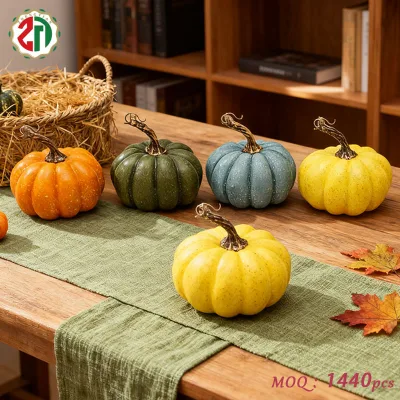
Explore 30 listings for the Classic Simulated Pumpkin Ornament, featuring materials like plastic and plush with various sizes. Compare customization options, packaging details, and origin locations to find suitable festival decorations for indoor use.
Key considerations
Products List


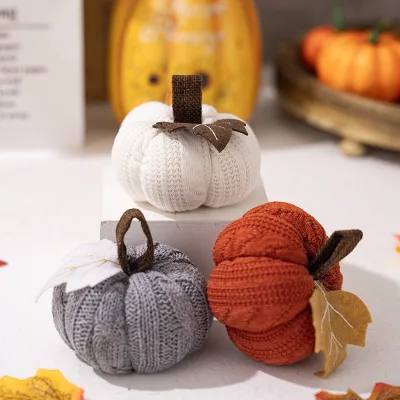


New Halloween Wooden Pumpkin Fall Decorative Ornament Wooden Tiered Tray
$3.08 - $3.47
MOQ: 290 Pieces

Cross-Border New Mother's Day Decorations Orange Pumpkin Ornament Arrangement
$0.42 - $0.46
MOQ: 2180 Pieces
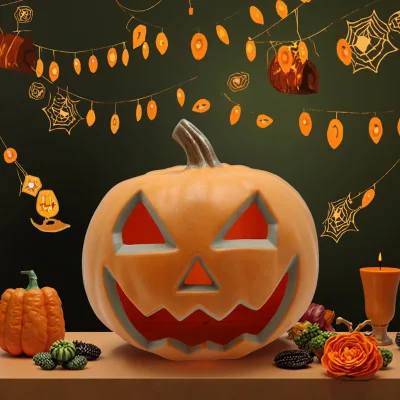


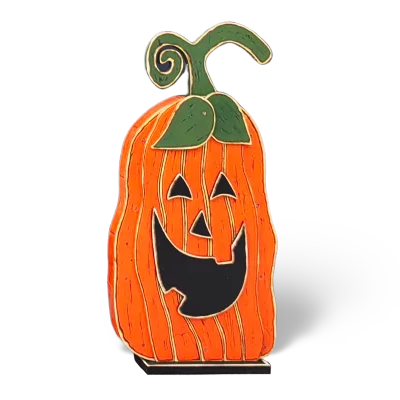
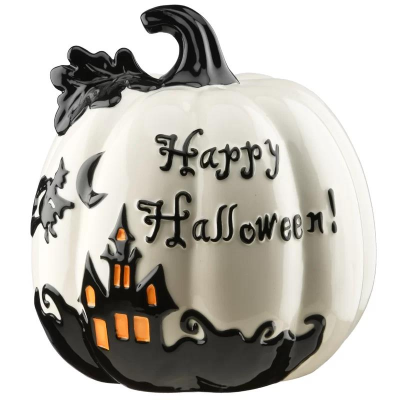
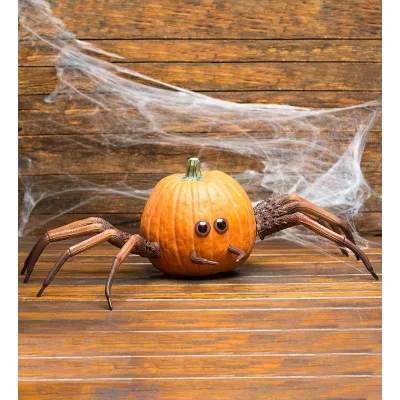
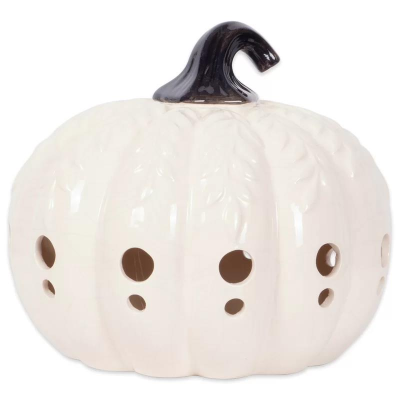
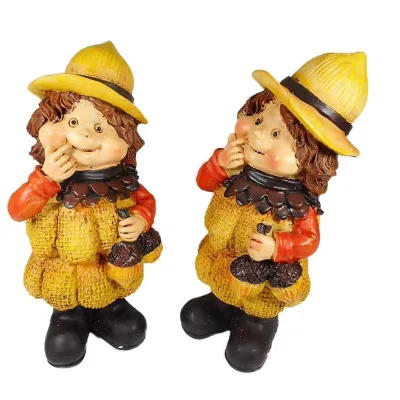
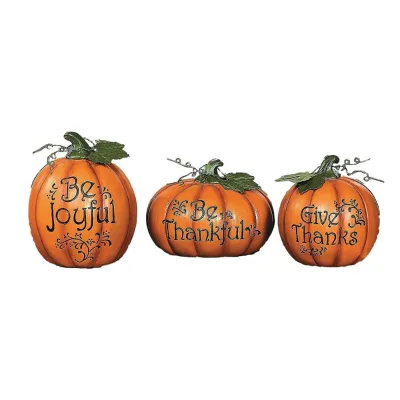


Halloween Pumpkin Tree Pumpkin Lantern Decoration Simulation Animatronic Tree
$500.00 - $5000.00
MOQ: 1 Pieces


Comprehensive Sourcing Guide
Classic Simulated Pumpkin Ornament Sourcing Guide
Sourcing a Classic Simulated Pumpkin Ornament requires navigating a diverse market where materials range from durable plastics to soft plush fabrics, each offering distinct aesthetic and functional benefits for holiday displays. Buyers must distinguish between rigid decorative pieces designed for outdoor durability and softer, plush variants intended for indoor seasonal accents, as the supply chain often segments these products by their intended application environment. The observed product landscape includes specific models like the Halloween devil pumpkin and the pumpkin with movable wings, indicating that customization and unique design features are common differentiators in this category.
Procurement decisions should prioritize the specific customization capabilities of potential suppliers, as the data confirms that customization is widely available for these items. This flexibility allows buyers to tailor product attributes such as color, size, and accessory details to match specific brand identities or event themes, ranging from standard orange hues to multicolor variations. Understanding the available packaging formats, from simple OPP bags to export-ready cartons, is equally critical for ensuring the product arrives in pristine condition while meeting logistical requirements for bulk shipping and retail presentation.
Product Scope and Observed Listing Signals
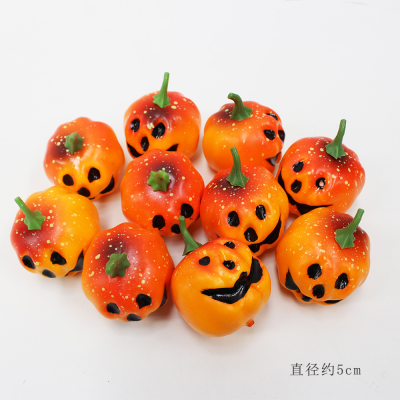
The product scope for classic simulated pumpkin ornaments encompasses a wide array of styles, including miniature multi-scene displays, natural-style sculptures, and fashion designs with simulated leaf accessories. Listings frequently highlight specific model identifiers such as WY-0027 and T73L22089, alongside descriptive names like the Halloween Pumpkin Man, which helps buyers categorize inventory by thematic relevance. The observed range of sizes, from 5cm miniatures to larger 15cm structures, suggests that suppliers cater to both subtle table accents and prominent display pieces, requiring buyers to verify dimensions against their specific spatial constraints before ordering.
Buyers should carefully analyze the listed material composition, as the market offers both plastic and plush options that serve different durability and tactile needs. Plastic variants often feature painted surfaces and are suitable for long-term reuse, while plush versions provide a softer aesthetic ideal for indoor Christmas decorations or gift sets. The presence of specific features like "not allergic" and "high quality" in product descriptions signals a focus on safety and premium finishes, but these attributes should be treated as observations of specific listings rather than universal guarantees for all inventory in the category.
Technical Specifications to Verify
When evaluating technical specifications, the primary focus must be on the physical dimensions and structural integrity of the ornament, as observed standards vary significantly from 5cm to 15cm in height and width. Buyers need to confirm the exact size specifications, such as the 15cm12cm5cm carton dimensions or the 19126cm product size, to ensure compatibility with their display setups and shipping containers. The distinction between fixed models and customizable standards is crucial, as some listings indicate that dimensions can be tailored to specific requirements, necessitating a clear definition of size tolerances in the purchase agreement.
Power source and processing methods are also critical technical parameters that define the functionality and production quality of the ornament. The majority of observed products are non-power items, relying on static design elements like movable wings or painted details rather than electronic components, which simplifies safety compliance and reduces maintenance needs. Additionally, verifying whether the item is hand-made or machine-produced is essential, as hand-made processes often imply unique craftsmanship and higher attention to detail, whereas machine production may offer greater consistency and lower unit costs for large-volume orders.
Compliance and Safety Documentation
While specific certification data is limited in the provided context, buyers must proactively request safety documentation to ensure the ornaments meet the regulatory requirements of their target markets. The presence of attributes like "not allergic" suggests a focus on material safety, but this claim requires validation through independent testing reports, particularly for products intended for children or close-contact environments. Buyers should verify that the materials used, whether plastic or plush, comply with relevant chemical safety standards and that the painted surfaces do not contain hazardous substances that could pose a risk during handling or display.
Documentation regarding the origin and manufacturing process is equally important for establishing supply chain transparency and ethical compliance. Since the observed products originate from regions like Shanxi, China, buyers should ensure that suppliers provide clear evidence of their production standards and adherence to international labor and environmental regulations. The request for export cartons and specific packing methods like PP bags with polyfoam indicates a need for robust packaging standards that protect the product during transit, which should be backed by quality control records to prevent damage and ensure the final product meets the expected safety and durability benchmarks.
Cost Drivers and Commercial Terms
Cost drivers for classic simulated pumpkin ornaments are heavily influenced by the complexity of the design, the choice of materials, and the level of customization required. Hand-made processing and unique features like movable wings or simulated leaf accessories typically command higher unit prices compared to standard, mass-produced plastic items. The observed MOQ range of 1 to 2500 units suggests that suppliers offer flexible entry points, but buyers must balance the desire for small initial orders against the potential for higher per-unit costs associated with lower production volumes.
Commercial terms regarding production time and sample availability are critical factors in the procurement timeline, with observed lead times ranging from 10-15 days for samples to 30-35 days for full production runs. Buyers should negotiate clear delivery schedules that account for these production windows, especially when dealing with custom orders that may require additional time for design approval and prototyping. The availability of small MOQs allows for market testing, but larger orders often benefit from economies of scale, so buyers should plan their inventory strategy to optimize the balance between upfront investment and long-term cost efficiency.
Supplier Qualification and Quality Control
Supplier qualification should focus on verifying their capacity to handle specific customization requests and their track record for maintaining consistent quality across different product lines. The observation of various model numbers and packaging types indicates that suppliers often manage diverse inventories, so buyers must ensure that the specific supplier selected has the expertise to deliver the exact specifications required for their order. Requesting references or case studies for similar projects, such as holiday decorations or festival gifts, can provide insight into the supplier's ability to meet deadlines and maintain product integrity.
Quality control measures must be explicitly defined in the procurement agreement, covering aspects such as surface treatment, color consistency, and structural durability. Since the products are often painted and designed for reuse, buyers should establish clear acceptance criteria for defects like paint chipping or loose components, particularly for items with movable parts. Implementing a pre-shipment inspection protocol is advisable to verify that the final products match the approved samples and that the packaging, whether in OPP bags or export cartons, is sufficient to protect the ornaments during international shipping.
Long-Term Procurement Checks
Long-term procurement success depends on establishing a reliable supply chain that can adapt to changing market demands and seasonal fluctuations. Buyers should maintain open communication channels with suppliers to monitor production capacity and potential disruptions, ensuring that inventory levels are sufficient to meet peak demand periods like Halloween and Thanksgiving. Regular reviews of supplier performance, including adherence to lead times and quality standards, will help identify any areas for improvement and foster a collaborative relationship that supports consistent product delivery.
Continuous evaluation of product trends and design innovations is essential for keeping the product line competitive and relevant. As the market for simulated pumpkin ornaments evolves, buyers should stay informed about new styles, materials, and customization options that could enhance their offerings. By maintaining a flexible approach to sourcing and regularly updating their supplier base, buyers can ensure they have access to the latest designs and technologies, allowing them to respond quickly to consumer preferences and maintain a strong market position in the holiday decoration sector.
FAQs
What materials are used for classic simulated pumpkin ornaments?
These ornaments are primarily made from plastic or plush materials. Some products feature hand-made processes with painted surfaces to achieve a natural style suitable for indoor festival decoration.
Can I customize the size and design of these ornaments?
Yes, customization is available for many models including specific dimensions like 5cm or 9cm. Buyers can request custom sizes and fashion designs to meet specific holiday decoration needs.
What is the typical minimum order quantity for these items?
The minimum order quantity varies by supplier but can range from 1 to 2500 pieces. Some specific listings require a minimum of 500 pieces for production orders.
How are these pumpkin ornaments packaged for shipping?
Packaging options include OPP bags, paper boxes, or cartons depending on the product model. Some bulk orders use export cartons with inner boxes and polyfoam for protection.
Where are these classic simulated pumpkin ornaments manufactured?
The products originate from China, with specific manufacturing locations noted in Shanxi. All listed items are sourced from verified Chinese suppliers for festival and home decoration use.
What is the production lead time for custom orders?
Standard production time ranges from 30 to 35 days for custom orders. Sample preparation typically takes 10 to 15 days before full-scale manufacturing begins.
Are these ornaments suitable for indoor use only?
Yes, the listed products are designed for indoor application as holiday gifts or home decoration. They are not intended for outdoor exposure due to their material composition.