Source close-up magic playing cards for Home, Events, and Promotions
Explore 30 listings for close-up magic playing cards featuring varied materials like paper and plastic, multiple sizes, and customization options. Buyers can compare specifications, pricing, and packaging to find the ideal set for home entertainment, promotional gifts, or card room games.
Key considerations
Products List


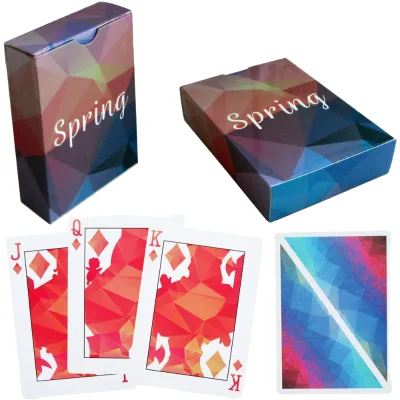
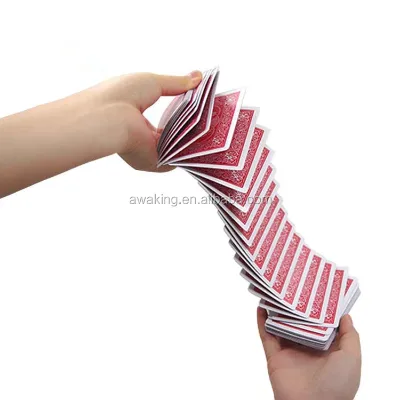
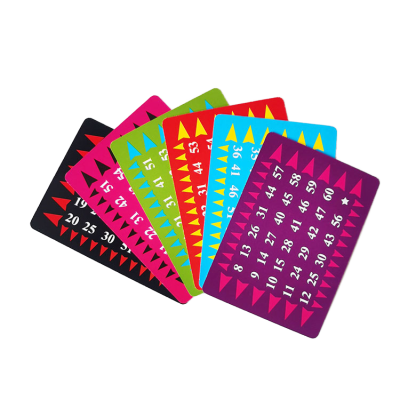
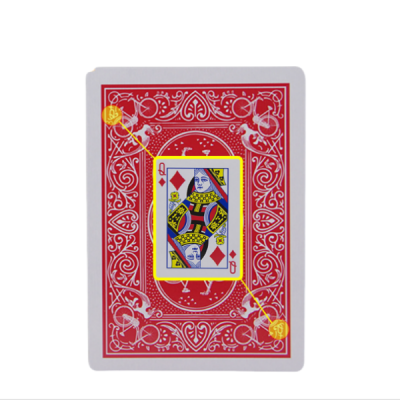
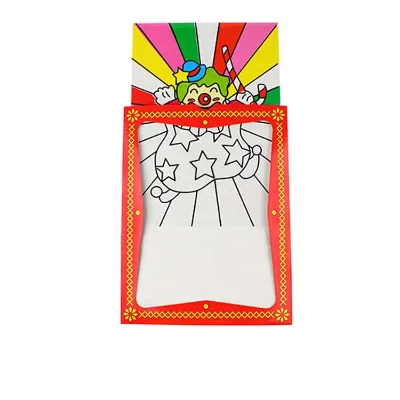


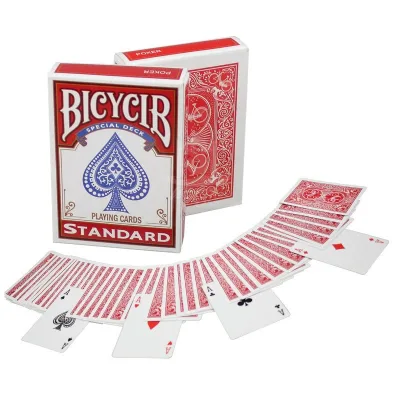
Comprehensive Sourcing Guide
Strategic Sourcing Guide for Close-Up Magic Playing Cards
Understanding Product Variants and Core Specifications
When sourcing close-up magic playing cards, buyers must first distinguish between the specific material compositions and dimensional standards that define the product's utility. The market offers distinct variations, primarily categorized by the base material used in construction. A significant segment of the supply chain utilizes high-grade paper, specifically citing offset paper or specialized card stock ranging from 280gms to 410gms. These paper-based cards often come in specific color variants, such as blue or black paper, which are critical for the visual contrast required in magic performances. Conversely, a specialized subset of the market focuses on "100% plastic magic playing cards," which offer distinct durability and handling characteristics essential for high-frequency manipulation.
The physical dimensions of the cards are equally critical for close-up magic, where the dexterity of the performer relies on the card's feel and fit. Sourcing data indicates a range of standard sizes, with the most common poker size measuring 63mm by 88mm. Other observed specifications include 57mm by 87mm, 59mm by 115mm, and 63mm by 88mm, which is explicitly noted as the standard poker size. Buyers should verify that the supplier's inventory aligns with these specific measurements, as deviations can alter the "feel" of the deck during sleight of hand. The product models associated with these specifications vary widely, including identifiers such as WM-332, WM-311, WM-335, WM-339, WM-440, MYTC-12, and HB0421. These model numbers often correlate with specific design elements or material compositions, making them essential reference points during the procurement process.
Customization Capabilities and Production Standards
One of the primary advantages of sourcing from this category is the extensive availability of customization options. The supply chain is highly responsive to bespoke requirements, with "Custom Order" acceptance being a standard feature. Buyers can expect to specify custom branding, as the "Brand" attribute is frequently listed as "Custom." This allows performers to have their own logos, names, or unique designs printed directly onto the cards. The printing capabilities are robust, supporting both CMYK and Pantone color systems to ensure brand accuracy. The surface finishing processes are equally versatile, offering options such as Matt Lamination, Stamping, Embossing, and Glossy Lamination. These finishing techniques are not merely aesthetic; they directly impact the friction and glide of the cards, which is a critical factor for close-up magic.
The production standards for these items are flexible yet precise. While some products adhere to specific dimensions like 63*88mm, others offer a "Customize" standard for size and shape. The origin of these products is predominantly China, with specific manufacturing hubs noted in Guangdong and Jiangsu provinces. The production process typically involves offset printing, followed by surface finishing techniques like glossy varnishing. Buyers should note that while the "Product Material" can be paper or plastic, the "Packing & Material" often defaults to a paper box, though options for plastic cases, tin boxes, and gift boxes are available. This flexibility in packaging allows suppliers to cater to different market segments, from promotional giveaways to high-end professional performance decks.
Cost Drivers and Minimum Order Quantities
The economic landscape of sourcing close-up magic playing cards is defined by a wide range of pricing and order requirements. The observed listed price range in the market spans from $0.01 to $55 USD per unit. This vast disparity is driven by factors such as material quality, customization complexity, and order volume. Paper-based cards generally occupy the lower end of the price spectrum, while 100% plastic cards and those with complex embossing or stamping finishes command higher prices. The minimum order quantity (MOQ) is another significant cost driver. While some suppliers list an MOQ of 500 or 500 sets, the broader market observation shows an MOQ range extending from 1 to 10,000 units. This suggests that buyers can source small batches for testing or marketing purposes, but larger orders may be required to achieve the most competitive unit pricing.
The cost structure is further influenced by the chosen packing method. Options such as paper boxes, plastic cases, tin boxes, and gift boxes each carry different cost implications. Buyers must balance the aesthetic appeal of the packaging against the budget constraints of the project. Additionally, the customization level plays a pivotal role in pricing. Orders requiring specific Pantone matching, embossing, or unique model numbers like WM-332 or HB0421 may incur higher setup costs compared to standard off-the-shelf decks. It is essential for buyers to request detailed quotations that break down the costs of materials, printing, finishing, and packaging to understand the true cost drivers.
Typical Applications and Target Demographics
The application of close-up magic playing cards extends beyond simple entertainment. The product attributes indicate usage in diverse settings, including home environments, chess-and-card rooms, and promotional events. The "Use" category explicitly lists Gift, Entertainment, and Game, highlighting the dual nature of these products as both functional tools for performers and collectible items for enthusiasts. The target demographic is broad, covering ages above 2 years old, with specific mentions of "Child and Adult" suitability. This indicates that the cards are designed to be safe and engaging for a wide age range, making them suitable for family entertainment as well as professional magic shows.
For professional magicians, the "Teaching Mode" of "Instructions" suggests that many of these decks come with educational materials or are designed to be used in instructional settings. The "Time" attribute, ranging from 0.5 to 2 hours or greater than 2 hours, implies that these cards are suitable for various session lengths, from quick demonstrations to extended performances. The "Member" count, which can range from 4-10 members to more than 10, suggests that these cards are often used in group settings or team-building activities. The "Application" field also notes "Any Site," indicating the versatility of the product for events held in any location, from private homes to public venues.
Supplier Evaluation and Quality Assurance
Evaluating suppliers for close-up magic playing cards requires a focus on several key criteria. First, buyers should verify the supplier's ability to meet specific material and dimensional standards. The presence of multiple model numbers and size specifications in the market suggests a need for precise communication to ensure the received product matches the intended use. Second, the customization capabilities must be thoroughly assessed. Buyers should confirm that the supplier can handle specific printing requirements, such as Pantone color matching and advanced finishing techniques like embossing or stamping.
Quality control is paramount, especially for products used in close-up magic where the tactile feel is critical. Buyers should inquire about the production process, specifically the use of offset printing and surface finishing methods like glossy varnishing. The origin of the product, whether from Guangdong or Jiangsu, China, can provide insights into the manufacturing capabilities and supply chain efficiency. Additionally, the packaging options, such as paper boxes or plastic cases, should be evaluated for their ability to protect the cards during shipping and storage. Buyers should also check the supplier's ability to provide samples before committing to large orders, ensuring that the material quality and printing accuracy meet expectations.
Long-Term Procurement and Logistics Considerations
Long-term procurement of close-up magic playing cards involves strategic planning around logistics and supply chain stability. The "prod_packing" attribute indicates that products are shipped via major carriers like UPS, TNT, and FedEx, or by air and sea. This flexibility allows buyers to choose shipping methods that best fit their timeline and budget. However, the lead times and shipping costs can vary significantly based on the chosen method and the destination. Buyers should establish clear communication channels with suppliers to track order status and manage any potential delays.
Sustainability and inventory management are also important considerations. The use of paper-based materials and various packaging options offers opportunities for eco-friendly sourcing, though buyers should verify the specific materials used in each product. For businesses with recurring needs, establishing a long-term relationship with a reliable supplier can ensure consistent quality and pricing. The ability to accept custom orders and the wide range of model numbers available suggest that suppliers are well-equipped to handle ongoing procurement needs. Buyers should also consider the scalability of the supply chain, ensuring that the supplier can meet increased demand without compromising on quality or delivery times.
Comparative Analysis of Product Attributes
To facilitate informed decision-making, the following table summarizes the key attributes observed in the market for close-up magic playing cards. This comparison highlights the diversity in materials, sizes, and customization options available to buyers.
| Attribute Category | Observation 1 | Observation 2 | Observation 3 |
|---|---|---|---|
| Material | Paper (280-410gms) | Offset Paper | 100% Plastic |
| Standard Size | 57*87mm | 63*88mm (Poker) | 59*115mm |
| Customization | Available | Accept Custom Order | Brand: Custom |
| Printing | CMYK / Pantone | Offset Printing | Matt/Glossy Lamination |
| MOQ | 500 / 500 sets | 1 - 10,000 | Variable by Model |
| Origin | China | Guangdong, China | Jiangsu, China |
| Packaging | Paper Box, Tin Box | Plastic Case, Gift Box | Cartons (Per Request) |
| Application | Home, Promotion | Any Site | Gift, Entertainment |
This table underscores the importance of aligning specific product attributes with the buyer's requirements. Whether the need is for durable plastic cards for frequent use or high-quality paper decks for promotional events, the market offers a wide array of options. By carefully evaluating these attributes, buyers can make informed decisions that meet their specific needs for close-up magic playing cards.
FAQs
What materials are used for close-up magic playing cards?
Cards are made from paper or 100% plastic. Paper options include offset paper or card stock ranging from 280 to 410 grams in blue or black colors. Plastic variants offer enhanced durability for frequent handling.
Which standard sizes are available for these cards?
Standard dimensions include 63 by 88 mm, which is the common poker size. Other observed specifications are 57 by 87 mm and 59 by 115 mm. Some models allow for fully customized sizes based on client requests.
Can I order custom branded cards with specific colors?
Yes, custom orders are accepted with branding options available. Buyers can specify CMYK or Pantone colors for accurate printing. Surface finishes like matte lamination, embossing, or glossy varnishing are also customizable.
What is the minimum order quantity for these products?
The minimum order quantity typically starts at 500 units or 500 sets. However, the broader market range extends from 1 to 10,000 units depending on the supplier and specific product model selected for the order.
How are these cards packaged for shipping?
Packaging options include paper boxes, plastic cases, tin boxes, and gift boxes. Custom cartons are also available upon client request. Shipping is handled via major carriers like UPS, FedEx, or by air and sea freight.
Where are these cards manufactured?
Products originate from China, specifically from manufacturing hubs in Guangdong and Jiangsu provinces. The specific location may vary depending on the supplier and the model number associated with the order.
What customization options exist for printing and finishing?
Printing supports offset techniques with CMYK or Pantone color matching. Finishing processes include stamping, embossing, and both matte and glossy lamination. These options allow for unique tactile feels and visual branding.