Source CNC Machine Direct Current Governor for Turning, Milling, and Drilling
Explore 30 listings for the CNC Machine Direct Current Governor, featuring options with high precision, electric power sources, and customizable settings. Buyers can compare specifications like axis count, control modes, and material compatibility across various horizontal lathe models.
Key considerations
Products List


Reliable Advanced Turning Center CNC controller for milling and drilling
$350.00 - $460.00
MOQ: 1 Pieces
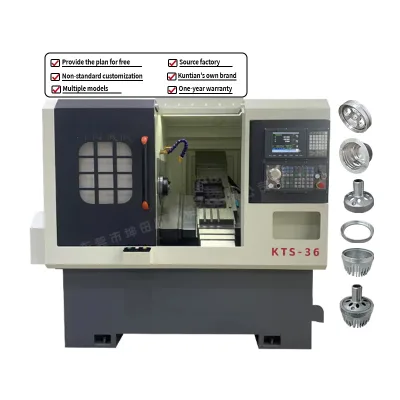


Singer Direction Conventional Speed Governor with Tension Device for Elevator
$100.00 - $200.00
MOQ: 1 Pieces

< =2.5m/S with Attendant Nova Standard Export Package Limited Speed Governo Governor
$50.00 - $200.00
MOQ: 1 Pieces


High Precision & High Speed, High-End CNC Controller for Turning and Milling
$5295.00 - $5690.00
MOQ: 1 Sets
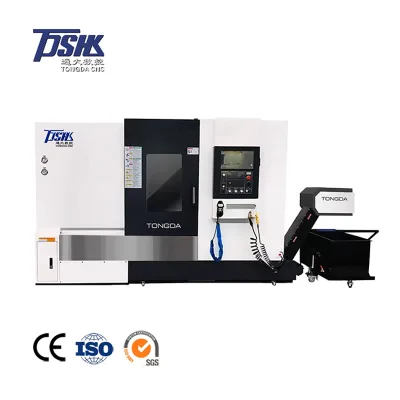
Cnc Controller for Lathe Cnc Lathe Tool Turret High Speed Lathe Tool CNC Metal
$40365.75 - $40942.40
MOQ: 1


Efficient AC Motor Controller with Maximum Current of 320A Capability
$105.00 - $115.00
MOQ: 10 Pieces


Reliable Advanced Turning Center CNC controller for milling and drilling
$500.00 - $5000.00
MOQ: 1 Sets

Comprehensive Sourcing Guide
Strategic Sourcing Guide for CNC Machine Direct Current Governor Systems
Understanding the Technical Architecture of Modern CNC Governors
When sourcing equipment described as a "CNC Machine Direct Current Governor," buyers must first recognize that this terminology often refers to the specific control subsystems or the broader machine architecture that relies on precise power management and motion control. In the context of the available market data, the core machinery identified is the Horizontal Lathe, specifically the Slant Bed CNC Lathe. These machines utilize advanced control units to manage the direct current (DC) components of their servo systems, ensuring the stability required for high-precision operations. The technical foundation of these systems is built upon a robust CPU architecture, often described as a 32-bit+Fpga combination, which processes the complex interpolation cycles necessary for smooth axis movement.
The control interface is a critical component of the governor system. The observed specifications indicate a display screen size ranging from 8.4 inches to 10.4 inches, providing operators with a clear view of the machining parameters. The system's input/output (I/O) capacity is substantial, with configurations such as 52/26 or 32/32 points, allowing for extensive connectivity with peripheral devices and sensors. The interpolation cycle, a measure of how frequently the controller updates the machine's position, is observed at 1ms, which is indicative of a high-speed response system essential for maintaining the "High Precision" attribute listed in the product data. This rapid processing capability ensures that the direct current governors can adjust motor torque and speed in real-time, minimizing deviations during the turning of materials like Steel, Stainless Steel, Aluminum, Brass, and Titanium.
Furthermore, the mechanical integration of these electronic governors is evident in the machine's physical design. The Horizontal Lathe features a Slant Bed design, which provides superior rigidity and chip evacuation compared to flat beds. The guide rails are configured as Horizontal Guide Rails, supporting the heavy loads associated with the machine's standard weight of 2500 Kgs. The workpiece clamping is managed via a 3 Jaw Hydraulic Chuck, a mechanism that requires precise voltage output control, typically observed as a 2-Way 0-10V Analog signal. This specific voltage range is crucial for the governor to modulate the hydraulic pressure accurately, ensuring consistent clamping force across different workpiece diameters.
Compliance and Certification Verification Protocols
In the global B2B procurement landscape, verifying the compliance and certification status of CNC machinery is non-negotiable. The supplied product data explicitly lists specific certifications that serve as a baseline for due diligence. Buyers should prioritize machines that carry the ISO CE certification, as this indicates adherence to European safety, health, and environmental protection standards. Additionally, the presence of CE and GS certifications suggests a higher level of electrical safety compliance, particularly relevant for the direct current power systems within the machine.
However, buyers must exercise caution regarding the interpretation of these certifications. While the data confirms "ISO CE" and "CE,GS" as observed attributes, these should be treated as observations of specific listings rather than universal guarantees for every unit in the category. The procurement process must include a request for the original certification documents from the supplier to validate that the specific serial number of the machine being purchased is covered under these standards. The background information mentions ISO 9001 as a low-confidence background fact; therefore, buyers should not assume this quality management standard is present unless explicitly confirmed in the supplier's documentation for the specific batch.
The origin of the machinery is another critical compliance factor. The data indicates that the products originate from China, with specific mentions of Chongqing as a production hub. When sourcing from this region, buyers must ensure that the export compliance documentation aligns with the destination country's import regulations. The HS-Code provided, 8537101101, is a vital piece of information for customs clearance. This code classifies the equipment under boards and panels for electrical control, which is consistent with the internal architecture of the CNC governor system. Verifying that the HS-Code matches the actual physical components being shipped prevents delays and potential legal issues at the border.
Cost Drivers and Pricing Structure Analysis
The pricing structure for CNC machines with direct current governor systems is highly variable, driven by a complex interplay of specifications, customization options, and production volume. The observed listed price range in the market spans from $50 to $40,942.40 USD. This wide disparity is not indicative of quality differences alone but reflects the vast range of configurations available. The lower end of the spectrum likely corresponds to basic control units, accessories, or smaller components, while the upper end represents complete, high-precision Horizontal CNC Lathes with full customization.
Several key factors drive the cost of these systems. First, the level of customization is a primary cost driver. The product attributes confirm that "Customization" and "Customized" options are available, including logo printing and specific model modifications like the Siyuer 998t-V or CK-46. Machines with bespoke features, such as specific axis configurations (ranging from 2-6 Axis or 3-5 Axis), will command a premium over standard models. Second, the precision capabilities significantly impact price. The "High Precision" attribute, coupled with an accuracy rating of 0.1um, requires tighter manufacturing tolerances and more expensive control algorithms, which increases the overall cost.
The material composition also plays a role in pricing. The use of high-grade materials such as Stainless Steel for the machine body or Aluminum Alloy for the control panel adds to the manufacturing cost. Additionally, the inclusion of optional accessories, such as an Automatic Chip Conveyor, will increase the final price. The packaging method, whether a Wooden Case or a Cartoon Box, may also influence the cost, particularly if the wooden case is required for heavy-duty international shipping. Buyers should note that the Minimum Order Quantity (MOQ) ranges from 1 to 100 units. Purchasing a single unit (MOQ 1) often incurs a higher per-unit cost compared to bulk orders, but it allows for lower initial capital expenditure.
Typical Applications and Operational Capabilities
The operational scope of CNC machines equipped with direct current governor systems is broad, covering a wide array of industrial applications. The primary application is the turning of various metals, as indicated by the "Applicable Material" attribute, which includes Steel, Stainless Steel, Aluminum, Brass, and Titanium. The machine's ability to handle these diverse materials makes it suitable for industries ranging from automotive and aerospace to general manufacturing and tooling. The Horizontal Lathe design, specifically the Slant Bed type, is optimized for heavy-duty machining, allowing for the efficient processing of large workpieces.
The versatility of the machine is further enhanced by its multi-axis capabilities. With axis configurations ranging from 2 to 6 axes, these machines can perform complex operations beyond simple turning, including milling and drilling, depending on the specific model and tool holder configuration. The "Single-tool Holder CNC Lathe" attribute suggests a focus on efficiency for specific turning operations, while the "Chuck CNC Lathe" processing accessory indicates the use of automated chucking systems for rapid workpiece loading. The speed of the machine, observed at 30m/Min, is a critical performance metric for high-volume production environments where cycle time reduction is essential.
Furthermore, the machine's control system supports advanced features like "Cutter Offset" in C Type, which allows for precise tool compensation without manual intervention. This feature is particularly valuable in applications requiring tight tolerances, such as the production of precision components for medical devices or high-performance engines. The "User Store Room" capacity of 128MB allows for the storage of extensive machining programs, facilitating quick changeovers between different production runs. The "Automatic Grade" is listed as Semiautomatic, indicating that while the machine handles the machining process automatically, some level of operator oversight or manual setup may be required, offering a balance between automation and flexibility.
Supplier Evaluation and Selection Criteria
Selecting the right supplier for CNC machines with direct current governor systems requires a rigorous evaluation process. Buyers should prioritize suppliers who can provide transparent documentation regarding the machine's origin and specifications. The data indicates that products originate from China, with Chongqing being a specific location of interest. When evaluating potential suppliers, buyers should verify their ability to provide the specific model numbers observed, such as Siyuer 998t-V or CK-46, and confirm that the machine's physical attributes match the listed specifications.
The supplier's ability to offer customization is a significant differentiator. Since "Customization" and "Logo Printing" are available attributes, buyers should assess the supplier's flexibility in meeting specific requirements. This includes the ability to modify the control system, adjust the axis configuration, or tailor the machine's dimensions to fit specific workshop layouts. The supplier should also be able to provide detailed information on the "Product Packing," whether it is a Wooden Case or a Cartoon Box, and ensure that the packaging meets the standards required for safe international transport.
Another critical factor is the supplier's track record regarding certifications. While the data lists ISO CE and CE,GS, buyers must verify that the supplier maintains these certifications for their current production lines. The supplier should be willing to share the original certificates and provide evidence of compliance with the relevant standards. Additionally, the supplier's responsiveness to inquiries and their ability to provide technical support for the "Direct Current Governor" system are essential. A supplier with a strong technical team can assist in troubleshooting issues related to the CPU, I/O, or voltage output, ensuring minimal downtime for the buyer.
Quality Control and Performance Verification
Ensuring the quality of CNC machines with direct current governor systems involves a multi-layered verification process. The first step is to verify the "High Precision" claim through independent testing or by reviewing the machine's calibration records. The observed accuracy of 0.1um is a critical benchmark that must be validated. Buyers should request test reports that demonstrate the machine's ability to maintain this level of accuracy under various operating conditions, particularly when machining different materials like Titanium or Stainless Steel.
The mechanical integrity of the machine is another area of focus. The "Slant Bed" design and "Horizontal Guide Rail" configuration must be inspected for proper alignment and rigidity. The "2500 Kgs" standard weight suggests a robust construction, but buyers should verify that the materials used, such as the "Stainless Steel" and "Aluminum Alloy" components, meet the specified quality standards. The "3 Jaw Hydraulic Chuck" should be tested for consistent clamping force and smooth operation, as any deviation could affect the precision of the machining process.
The electronic control system, including the "32bits+Fpga" CPU and the "1ms" interpolation cycle, should be subjected to stress testing. Buyers should verify that the "Voltage Output" of 0-10V Analog is stable and that the "I/O Num" (Input/Output Number) functions correctly with all connected peripherals. The "Displayer Screen" should be tested for responsiveness and clarity, ensuring that the operator can effectively monitor the machining process. Additionally, the "Chip Conveyor" option should be tested to ensure it operates efficiently and does not interfere with the machine's performance.
Long-Term Procurement and Lifecycle Management
Procuring a CNC machine with a direct current governor system is a long-term investment that requires careful planning for maintenance and lifecycle management. The "Semiautomatic" nature of the machine implies that regular maintenance is necessary to keep the system running at peak performance. Buyers should establish a maintenance schedule that includes regular checks of the hydraulic chuck, guide rails, and control system components. The availability of spare parts, such as the "Chuck CNC Lathe" accessories and "Single-tool Holder" components, should be confirmed with the supplier to minimize downtime.
The "Customization" aspect of the machine also has long-term implications. If the machine is customized with specific features, buyers should ensure that the supplier can provide ongoing support and updates for these customizations. The "User Store Room" capacity of 128MB may need to be expanded or managed as the machine's program library grows. Buyers should also consider the scalability of the machine, particularly if they plan to increase production volume or introduce new materials. The "2-6 Axis" and "3-5 Axis" configurations offer flexibility, but buyers should assess whether the current configuration meets their future needs or if an upgrade path is available.
Finally, the "Wooden Case Packaging" and "Cartoon Box" options should be considered in the context of the machine's lifecycle. Proper packaging is essential for protecting the machine during transport and storage. Buyers should also evaluate the supplier's after-sales service, including warranty terms and technical support availability. A reliable supplier will provide comprehensive training for operators and maintenance staff, ensuring that the machine is used correctly and maintained properly throughout its operational life. By focusing on these long-term considerations, buyers can maximize the return on their investment and ensure the continued success of their manufacturing operations.
FAQs
What certifications do these CNC lathes typically hold?
These machines typically hold ISO CE and CE GS certifications. Buyers must verify that the specific serial number is covered under these standards before purchase.
Can I customize the machine with my own logo?
Yes, customization and logo printing are available for these units. Buyers should confirm specific model requirements like Siyuer 998t-V when requesting these features.
Which materials can this horizontal lathe process effectively?
The machine processes steel, stainless steel, aluminum, brass, and titanium. The high precision system ensures stability when turning these diverse metal types.
How is the workpiece clamped on this CNC lathe?
Workpieces are clamped using a 3 jaw hydraulic chuck. This mechanism requires precise voltage output control to ensure consistent clamping force during operation.
What is the minimum order quantity for these units?
The minimum order quantity ranges from 1 to 100 units. Purchasing a single unit often incurs a higher per-unit cost compared to bulk orders.
Which origin locations are listed for these machines?
Products originate from China, with specific mentions of Chongqing as a production hub. Buyers must ensure export compliance aligns with destination import regulations.
What accuracy level does this high precision lathe offer?
The machine offers an accuracy rating of 0.1um. This high precision capability requires tighter manufacturing tolerances and advanced control algorithms.