Source CNC Machine for Cutting, Straightening, and Reducing
Find 30 verified CNC Machine listings from China for metal straightening, pipe end reducing, and fabric processing. Compare specifications, certifications, and prices to identify the right equipment for your production line needs.
Key considerations
Products List



Comprehensive Sourcing Guide
Strategic Sourcing Guide for CNC Machine Procurement
Understanding the Technical Landscape of CNC Machinery
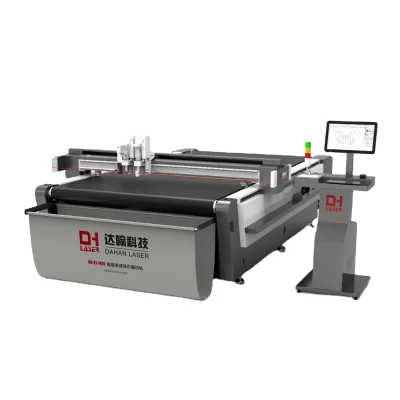
When initiating a procurement strategy for Computer Numerical Control (CNC) machines, buyers must first navigate a complex technical landscape defined by diverse operational capabilities and specific mechanical configurations. The market offers a wide spectrum of equipment, ranging from specialized processing machinery parts to comprehensive production lines. A critical observation in the current supply environment is the variation in machine styles and control systems. For instance, specific models are identified with a "Gantry" style, which typically implies a robust frame structure suitable for heavy-duty cutting or material handling, while other units are categorized strictly as "CNC" types with "Automatic" control systems.
The functional scope of these machines is equally varied. Some units are explicitly designed for "Shoemaking Line" applications, utilizing "Fabric" as their primary applicable material. In contrast, other high-precision units are engineered for "Metal Straightening Machinery" or "Pipe End Reducing" functions, where "Aluminum," "Brass," and "Stainless steel" are the target materials. This divergence necessitates that buyers do not assume a single machine can perform all tasks. Instead, procurement must be driven by the specific material and operation required. For example, a machine with a "Connected Shaft Number" of 4-Shaft may be optimized for specific multi-axis operations, whereas a "Flexible" transmission type might be preferred for "Lean Production" environments requiring rapid changeovers.
Furthermore, the physical specifications of the machinery vary significantly. Buyers should expect to encounter models with standard dimensions such as "3000x6000mm" or specific tube contracting lengths of "100mm" with a maximum shrinking capacity of "125mm" in diameter. The weight of these units is also a critical logistical factor, with some observed units weighing approximately "260 Kg," while others may be significantly heavier depending on their industrial capacity. Understanding these technical baselines is the first step in filtering the market to find equipment that aligns with the buyer's production requirements.
Compliance, Certification, and Regulatory Standards
In the global B2B market, compliance is not merely a formality but a fundamental requirement for market access and operational safety. When sourcing CNC machines, buyers must rigorously verify the certification status of the equipment. The available data indicates a mix of certifications, including "CE," "RoHS," and "GS," which are critical for ensuring the machinery meets European safety and environmental standards. Additionally, some suppliers list "ISOCE" and "ISO9001" as part of their quality management and product standards.
It is essential for buyers to treat these certifications as observations of specific listings rather than universal guarantees for every product in the category. A machine listed with "CE" certification may not necessarily carry "RoHS" or "GS" unless explicitly stated. Similarly, while "ISO9001" is a recognized standard for quality management systems, buyers must confirm that the specific model they are purchasing adheres to the relevant "Janpa Standard" or other industry-specific tolerances, such as the observed "Tolerance:0.01mm" for precision straightening machinery.
The origin of the machinery also plays a role in compliance. Many of the observed units originate from "China," with specific hubs like "Qingdao" noted as production locations. While this does not preclude high quality, it requires buyers to be diligent in verifying that the export packaging and documentation meet the destination country's regulatory requirements. The "Europe Standard Packing" and "Export Package" options mentioned in the market data suggest that suppliers are aware of international shipping regulations, but buyers should still confirm that the packaging protects the machine during transit and complies with any specific import standards regarding wood treatment or hazardous materials.
Cost Drivers and Pricing Variables
The pricing structure for CNC machines is highly variable, influenced by a complex array of factors including functionality, material compatibility, and customization levels. The observed price range in the market spans from $0.1 to $200,000 USD, reflecting the vast difference between small, specialized components or accessories and large-scale, fully automated production lines. This wide disparity means that a simple comparison of unit prices without context is misleading.
Several key drivers influence the final cost. First, the level of "Customization" available significantly impacts pricing. Machines that are "Customized" or built to specific "prod_model" specifications, such as "KK-CL-008" or "HBBIII-3000x6000," often command higher prices due to the engineering and tooling required. Second, the "Power Supply" requirements, typically "Electric," and the complexity of the "Control" system (e.g., fully automatic vs. semi-automatic) contribute to the cost. Third, the "Material" composition of the machine itself, such as the use of "Aluminum," "Brass," or "Stainless steel" for structural components, affects manufacturing costs.
Buyers should also consider the "MOQ" (Minimum Order Quantity) as a cost driver. The observed MOQ range is between 1 and 1000 units. While some suppliers accept "Small Orders," larger volume purchases may offer better per-unit economics. Additionally, the "Warranty" terms, such as the observed "1 Year" warranty, and the "Production Scope" (e.g., "Product Line" vs. single unit) are factors that influence the total cost of ownership. A machine with a "Competitive Price" key selling point may offer lower upfront costs but could have different long-term maintenance implications. Therefore, buyers must evaluate the total cost of acquisition, including shipping, installation, and potential customization fees, rather than focusing solely on the listed unit price.
Typical Applications and Operational Scope
The application of CNC machinery is highly specialized, and selecting the right machine requires a clear understanding of the intended operational scope. The market data reveals distinct application categories. One major segment is the "Shoemaking Line," which utilizes "Fabric" as the primary material. These machines are designed for the specific demands of the footwear industry, likely involving cutting, shaping, or assembly operations. Another significant application area is "Metal Straightening Machinery," which handles "Aluminum" and other metals with high precision, often requiring tolerances as tight as 0.01mm.
Furthermore, there is a specialized segment for "Pipe End Reducing" and tube processing. These machines are designed to handle specific dimensions, such as a maximum tube contracting length of 100mm and a diameter capacity of 125mm. This highlights the importance of matching the machine's physical capabilities to the specific product being manufactured. For general manufacturing, machines with "Automatic Production Line" capabilities for "Cutting Operation" are prevalent, supporting "Flow Production Line" rhythms and "Lean Production" methodologies.
The "Transmission Type" also dictates the application suitability. A "Flexible" transmission type is ideal for environments requiring adaptability and quick adjustments, whereas a "4-Shaft" connected system might be reserved for heavy, continuous operations. Buyers must ensure that the "Function" of the machine aligns with their production goals. For instance, a machine labeled as a "Processing machinery part" may be a component of a larger system rather than a standalone unit, requiring careful integration planning. Understanding these application nuances prevents the common pitfall of purchasing a machine that is technically capable but operationally mismatched to the specific production workflow.
Supplier Evaluation and Product Verification
Evaluating suppliers for CNC machinery requires a multi-faceted approach that goes beyond simple price comparison. Buyers should prioritize suppliers who provide clear and detailed product attributes. The presence of specific "Brand Names," such as "Kangfeng," can be a factor in brand recognition and after-sales support, but buyers should not rely solely on brand reputation. Instead, they must verify the specific "prod_model" and "Model Number" (e.g., "KGI01-052H", "DX-650", "NAEC") to ensure the machine matches the technical requirements.
A critical aspect of supplier evaluation is the verification of "prod_packing" and "prod_origin." The data shows various packing methods, including "Wooden Case," "Plastic Covering," "Europe Standard Packing," and "to Be Delivered in Containers." These details are not just logistical notes; they indicate the supplier's attention to detail and their experience in international shipping. A supplier offering "Export Package" or "Pallet" delivery demonstrates an understanding of global trade requirements. Additionally, the "prod_origin" being "China" or specifically "Qingdao" requires buyers to assess the supplier's export history and logistics capabilities.
Buyers should also scrutinize the "Condition" of the machines. The observed listings consistently state "New," but this should be verified through photos, videos, or third-party inspections to ensure the equipment is truly new and not refurbished. The "Warranty" period, such as the "1 Year" observed, is another key metric for supplier confidence. A supplier willing to offer a warranty indicates a commitment to product quality. Finally, the "Small Orders: Accepted" attribute suggests flexibility, which is beneficial for buyers testing new suppliers or starting with smaller production runs.
Quality Control and Long-Term Procurement Strategy
Ensuring quality in CNC Machine procurement involves a robust quality control (QC) strategy that extends from the initial specification review to post-delivery validation. Given the wide range of "Applicable Material" and "Standard" variations, buyers must establish clear acceptance criteria before placing an order. For machines claiming specific tolerances, such as the "0.01mm" tolerance observed in straightening machinery, buyers should request test reports or perform on-site verification if possible. The "Standard" listed as "ISO9001" or "3000x6000mm" should be treated as a baseline, with the buyer verifying that the specific unit meets or exceeds these benchmarks.
Long-term procurement considerations include the availability of spare parts and the "Production Scope" of the supplier. A supplier offering a "Product Line" of machines may provide better long-term support and compatibility for future expansions. The "Automatic" nature of the control systems means that software updates and technical support are crucial. Buyers should inquire about the supplier's ability to provide training and ongoing maintenance services. The "Weight" and "Power Supply" specifications also impact long-term operational costs, such as energy consumption and facility requirements.
Furthermore, the "Rhythm" of the production line, described as "Flow Production Line," suggests that the machine must integrate seamlessly into a continuous workflow. Buyers should assess the machine's reliability and uptime history. The "Key Selling Points" like "Competitive Price" should be balanced against the potential for higher maintenance costs or shorter lifespans. By adopting a holistic view that includes technical specifications, compliance, cost, and supplier reliability, buyers can mitigate risks and ensure a successful procurement outcome. The goal is to secure machinery that not only meets immediate production needs but also supports long-term operational efficiency and growth.
Finalizing the Procurement Decision
The final stage of the CNC Machine procurement process involves synthesizing all gathered information to make an informed decision. Buyers must weigh the technical specifications against the cost drivers and supplier capabilities. The wide price range and diverse application areas mean that there is no single "best" machine; rather, the optimal choice depends on the specific needs of the buyer's operation. Whether the requirement is for a "Shoemaking Line" using "Fabric" or a "Metal Straightening Machinery" handling "Aluminum," the decision must be grounded in verified data.
Buyers should ensure that all "Certification" claims are validated and that the "Standard" compliance is absolute. The "Customization" options should be clearly defined to avoid scope creep or unexpected costs. The "Warranty" and "Small Orders" policies should be reviewed to ensure they align with the buyer's risk tolerance and budget constraints. By maintaining a disciplined approach to evidence gathering and verification, buyers can navigate the complex CNC Machine market effectively. The ultimate objective is to acquire machinery that delivers high performance, ensures regulatory compliance, and provides a strong return on investment over its operational lifespan.
FAQs
What certifications do these CNC machines have?
Many units carry CE, RoHS, and GS certifications, while others list ISOCE or ISO9001 standards. Buyers must verify that the specific model they select includes the required safety marks for their region, as not every listing contains all certifications.
Which materials can these CNC machines process?
Applicable materials include fabric for shoemaking lines and metals like aluminum, brass, and stainless steel for straightening or cutting. The machine selection depends entirely on the specific material type required for your production workflow.
Can I order small quantities of CNC machines?
Yes, many suppliers accept small orders with a minimum order quantity ranging from 1 to 1000 units. This flexibility allows buyers to test equipment or start production with lower initial volume commitments without strict bulk requirements.
What is the warranty period for these machines?
A standard warranty period of 1 year is observed for many units in the current market listings. Buyers should confirm the specific warranty terms with the supplier before finalizing the purchase to ensure coverage for potential defects.
How are these CNC machines packed for shipping?
Packing methods vary and include wooden cases, plastic covering, Europe standard packing, or delivery in containers. The packaging type depends on the supplier and ensures protection during transit while meeting international export standards.
What is the origin of these CNC machines?
Most units originate from China, with specific production hubs noted in locations like Qingdao. Buyers should verify the exact origin to understand logistics, potential tariffs, and the supplier's export capabilities for international delivery.