Source CNC Lathe Collet Chuck for Lathe, Milling, and Clamping
Find 30 verified CNC Lathe Collet Chuck options for lathe tool holding, workpiece clamping, and carbide applications. Compare models like ER32 and SK40 with metal construction, various jaw types, and customization support from suppliers in China.
Key considerations
Products List


$4.89 - $10.40
MOQ: 1 Pieces


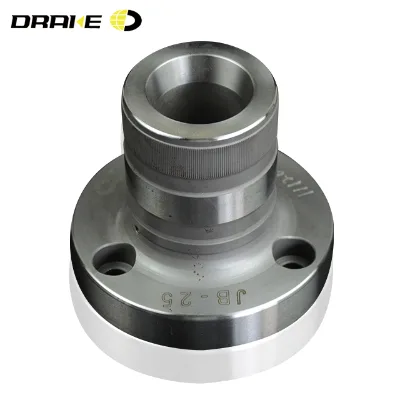
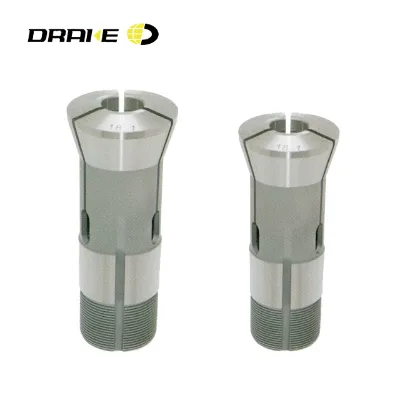
Carbide Guide Bush Collet CNC Lathe Milling Machine Spindle Collet Chuck
$65.00 - $66.00
MOQ: 3 Pieces

Carbide Lathe Tools CNC Spindle Collet Chuck Milling Machine Collet Tools
$73.00 - $88.00
MOQ: 3 Pieces


CNC Machine Tool Chuck 5c Collet Fixture Lathe Collet Chuck for 5c Collet
$100.99 - $120.99
MOQ: 1 Pieces




Comprehensive Sourcing Guide
Strategic Sourcing Guide for CNC Lathe Collet Chucks
Understanding Technical Specifications and Model Variants
When sourcing CNC lathe collet chucks, buyers must first navigate the diverse landscape of technical specifications that define compatibility and performance. The core keyword "CNC Lathe Collet Chuck" encompasses a wide array of configurations, ranging from standard models to highly specialized non-standard units. Based on available market data, specific model identifiers such as ER32, SK40, and MTA1-MTA6 are frequently encountered. These alphanumeric codes often denote the interface standard or the specific collet series, which dictates the tool holder compatibility and the range of workpiece diameters the chuck can accommodate.
The physical dimensions of the chuck are a primary selection criterion. Market observations indicate the availability of chucks in Small, Middle, and Large sizes. Selecting the correct size is critical; a mismatch can lead to insufficient clamping force or the inability to mount the tool holder on the machine spindle. Furthermore, the structural design varies significantly. Some units are designed with a hollow structure, which may be beneficial for through-spindle coolant applications or specific bar feeder integrations. The jaw type is another critical specification, with "Top Jaw" configurations being a notable option in the current supply landscape. The number of jaws also varies, with some units featuring "Other" configurations beyond the standard three-jaw design, catering to specialized workholding needs.
The shape of the hole or the workpiece interface is equally important. Buyers should verify if the chuck supports Round, Hexagon, or Square hole shapes, as this determines the type of workpiece that can be securely held. The condition of the product is typically listed as "New," ensuring that buyers receive components with full operational life and no prior wear. The power source for operation is generally manual, meaning the chuck relies on mechanical force rather than pneumatic or hydraulic actuation for the clamping action, though this can vary by specific model. Understanding these granular details is the first step in narrowing down the search to units that match the specific machine tool and production requirements.
Compliance, Certification, and Quality Standards
Navigating the compliance landscape is essential for ensuring that sourced components meet international safety and quality expectations. The supply market for CNC lathe collet chucks presents a complex array of certification statuses. Common certifications observed include CE, GS, and ISO 9001. However, the presentation of these certifications often varies; some listings indicate "ISO 9001:Customized:Non-Customized" or combinations like "CE,GS,ISO 9001:ISO 9001:Customized:Customized." This variation suggests that certification status may be tied to specific customization orders or batch production runs rather than being a universal attribute of every unit.
Buyers must exercise caution when interpreting these labels. The presence of "Customized" or "Non-Customized" alongside certification codes implies that the certification might be specific to a particular configuration or order type. Therefore, it is imperative to verify the actual certification documentation for the specific unit being purchased rather than relying solely on the general product listing. The "GS" mark, often associated with German safety standards, and "CE" for European conformity are significant indicators of safety compliance, but their validity depends on the specific manufacturing batch.
In terms of standards, the market data references specific designations such as "Did8.0," "Did1.0 to Dia30.0," and "Did1.0 to Dia20.0." These likely refer to diameter specifications or tolerance standards relevant to the chuck's operational range. Additionally, a standard code "161E" is noted, which may pertain to a specific internal or industry standard for the chuck's construction. While background knowledge might suggest DIN6343 as a relevant standard for tool holders, the provided facts do not explicitly confirm this for all listed products. Consequently, buyers should treat such standard references as observations to be verified rather than guaranteed attributes. The core components of these chucks are often described as "High Precision," a claim that should be substantiated through supplier-provided test data or quality assurance certificates.
Cost Drivers and Pricing Dynamics
The pricing structure for CNC lathe collet chucks is influenced by a multitude of factors, resulting in a wide observed range from 1.53 to 950 USD. This significant variance is not arbitrary but is driven by specific product attributes and customization levels. The primary cost drivers include the material composition, which is predominantly metal, and the level of customization required. Products marked as "Customized" or "Customized Support" often command higher prices due to the additional engineering and manufacturing steps involved in tailoring the tool to specific client needs.
The packaging method also plays a role in the final cost. Listings indicate various packing options, ranging from "Box" and "Inner Plastic Box" to "Plastic Box," "Carton or Plastic Box," and "Wooden or Carton Box." More robust packaging solutions, such as wooden boxes, may add to the overall cost but are necessary for protecting high-precision components during long-distance shipping. The brand name, such as "L- Dog," can also influence pricing, as established brands often carry a premium for perceived reliability and after-sales support.
Minimum Order Quantity (MOQ) is another critical factor affecting the unit cost. The observed MOQ range spans from 1 to 100 units. Buyers purchasing small quantities may face a higher per-unit cost, while those ordering in bulk can leverage economies of scale to reduce the price. The "Customized Support" options, including OEM, ODM, and OBM services, introduce additional complexity and cost. These services require the supplier to adapt their manufacturing processes, which is reflected in the price. Buyers should carefully evaluate whether the specific customization is necessary or if a standard "Non-Customized" unit would suffice to meet their budget constraints.
Typical Applications and Operational Context
CNC lathe collet chucks are primarily designed for use in lathes, serving as essential workpiece clamping tools. The application is specifically noted as "Lathe Tool Holding Accessories," highlighting their role in securing the workpiece during the machining process. The "Applicable Industries" are broadly categorized under "Workpiece Clamping Tools" and "Carbide," indicating their use in industries that rely on hard materials and precise metalworking. The feature set of these chucks often includes "Durable" and "Long Lifespan" characteristics, which are crucial for maintaining productivity in high-volume manufacturing environments.
The versatility of these chucks is enhanced by their ability to handle various jaw types and hole shapes. The "Three-Jaw Chuck" configuration is a standard offering, providing self-centering capabilities for round workpieces. However, the availability of "Other" jaw types and support for Hexagon or Square holes expands the utility of these chucks to non-cylindrical workpieces. The "High Precision" core components ensure that the chuck maintains tight tolerances, which is vital for achieving the surface finish and dimensional accuracy required in CNC machining.
The "Condition" of the product being "New" ensures that the chuck is ready for immediate deployment without the need for reconditioning. The "Power" source being "Manual" suggests that these chucks are operated via a mechanical key or lever, which is a common setup for many standard lathe operations. The "After-sales Service" often includes "Technical Support," which is a valuable asset for buyers facing operational challenges or requiring assistance with installation and maintenance. This support is particularly important for complex setups involving "Customized" models where standard troubleshooting guides may not apply.
Supplier Evaluation and Procurement Considerations
Evaluating suppliers for CNC lathe collet chucks requires a thorough assessment of their capabilities and reliability. The "prod_origin" is frequently listed as "China," with specific regions like "Jiangsu, China" mentioned. This geographic concentration can be advantageous for logistics but necessitates a careful review of the supplier's export history and quality control processes. The "Customization" attribute is a key differentiator; suppliers offering "Available" customization and "Customized" support are better equipped to handle unique requirements compared to those offering only standard "Non-Customized" units.
Buyers should scrutinize the "Customized Support" options, which include OEM, ODM, and OBM. These services indicate the supplier's flexibility in branding and design. A supplier offering ODM (Original Design Manufacturing) can create a product tailored to the buyer's specific needs, while OBM (Original Brand Manufacturing) allows the buyer to sell the product under their own brand. The "Logo Printing" attribute varies, with some options being "Without Logo Printing" and others "with Logo Printing." This flexibility is important for buyers who wish to brand the tools or keep them generic.
The "prod_packing" options, ranging from simple boxes to wooden crates, should be evaluated based on the shipping distance and the fragility of the product. For international shipments, robust packaging is essential to prevent damage. The "Standard" of the product, whether it is "customizable" or adheres to specific codes like "Did8.0," should be verified against the buyer's internal quality standards. Finally, the "After-sales Service" commitment, particularly "Technical Support," is a critical factor in the long-term relationship with the supplier. A supplier that provides comprehensive support can mitigate risks associated with product failure or operational issues.
Quality Control and Long-Term Procurement Strategy
Ensuring the quality of CNC lathe collet chucks is paramount for maintaining production efficiency and safety. The "High Precision" attribute of the core components is a strong indicator of quality, but it must be validated through rigorous testing. Buyers should request test results or quality assurance certificates that confirm the precision and durability claims. The "Condition" of the product being "New" is a baseline requirement, but it should be accompanied by inspection reports to ensure there are no manufacturing defects.
Long-term procurement strategies should focus on building relationships with suppliers who offer consistent quality and reliable after-sales support. The "Feature" of "Durable" and "Long Lifespan" suggests that these chucks are designed for extended use, but this depends on proper maintenance and correct application. Buyers should establish clear specifications for the "Application Machine" and "Applicable Industries" to ensure the chuck is suitable for their specific operational environment. The "Standard" of the product, whether it is "customizable" or follows a specific code, should be documented and tracked to ensure consistency across future orders.
The "Certification" status, including CE, GS, and ISO 9001, should be verified for each batch to ensure ongoing compliance. The "Location" of the supplier, particularly in regions like Jiangsu, China, should be considered in the context of logistics and supply chain resilience. By maintaining a disciplined approach to quality control and supplier evaluation, buyers can secure a reliable supply of CNC lathe collet chucks that meet their technical and operational requirements. The "Customized" nature of many products means that clear communication and detailed specifications are essential to avoid misunderstandings and ensure the final product meets the buyer's expectations.
Comparative Analysis of Key Product Attributes
To facilitate a clearer understanding of the market landscape, the following table summarizes the key attributes observed in the supply data. This comparison highlights the diversity of options available to buyers and underscores the importance of selecting the right specifications for specific needs.
| Attribute Category | Observed Options | Relevance to Buyer |
|---|---|---|
| Model Series | ER32, SK40, MTA1-MTA6, F391, CITIZEN L16, Star L16, Non-standard | Determines compatibility with existing tool holders and machine spindles. |
| Size Classification | Small, Middle, Large | Critical for matching the chuck to the workpiece diameter and machine capacity. |
| Certification Status | CE, GS, ISO 9001 (with Customized/Non-Customized variations) | Indicates safety and quality compliance; requires verification per batch. |
| Customization Level | Available, Customized, Non-Customized | Affects price, lead time, and ability to meet specific design requirements. |
| Packing Type | Box, Inner Plastic Box, Plastic Box, Carton, Wooden Box | Impacts shipping safety and cost; essential for international logistics. |
| Jaw Configuration | Three-Jaw, Top Jaw, Other | Defines the clamping mechanism and suitability for different workpiece shapes. |
| Hole Shape Support | Round, Hexagon, Square | Determines the range of workpiece geometries that can be held securely. |
| Origin Location | China, Jiangsu, China | Influences shipping costs, lead times, and supply chain reliability. |
| After-Sales Support | Technical Support (Incl) | Vital for troubleshooting, maintenance, and ensuring long-term operational success. |
This comparative analysis serves as a practical tool for buyers to quickly assess the available options and make informed decisions. By focusing on these specific attributes, buyers can navigate the complex market of CNC lathe collet chucks with confidence, ensuring they select products that align with their technical requirements and business objectives. The diversity of options, from standard models to highly customized units, provides the flexibility needed to address a wide range of manufacturing challenges.
FAQs
What certifications are available for these chucks?
Common certifications include CE, GS, and ISO 9001, though availability depends on customization. Some listings show specific combinations like CE, GS, and ISO 9001 for customized orders, while others may only list non-customized status. Buyers must verify the specific certification documentation for their required configuration.
Which model numbers are commonly offered for these tools?
Frequently encountered model identifiers include ER32, SK40, MTA1-MTA6, and F391. Non-standard models like CITIZEN L16 and Star L16 are also available. These codes denote interface standards or collet series that dictate tool holder compatibility and workpiece diameter ranges.
Can I request custom logo printing on the product?
Yes, logo printing is available as an option, but some units are supplied without it. Buyers can choose between with or without logo printing based on their branding needs. This customization is part of the broader OEM and ODM support services offered by suppliers.
What is the typical price range for these chucks?
The observed price range spans from 1.53 to 950 USD. This variance is driven by material composition, size, and the level of customization required. Bulk orders may reduce unit costs, while specialized non-standard units often command higher prices due to engineering complexity.
How does the packaging affect the product protection?
Packaging options include Box, Inner Plastic Box, Plastic Box, and Wooden or Carton Box. Robust packaging like wooden boxes is essential for protecting high-precision components during long-distance shipping. The choice depends on shipping distance and the fragility of the specific unit being purchased.
What are the available sizes for these chucks?
Chucks are available in Small, Middle, and Large sizes to match different machine requirements. Selecting the correct size is critical to ensure sufficient clamping force and proper mounting on the machine spindle. Mismatched sizes can lead to operational failures or insufficient workpiece holding.
Which jaw types and hole shapes are supported?
The chucks support Top Jaw types and can hold Round, Hexagon, or Square hole shapes. While Three-Jaw Chuck configurations are standard, other jaw types are available for specialized workholding needs. This versatility allows the tools to secure various workpiece geometries securely.