Source Collectible Trading Card for play, collection, and events
Compare 30 options for Collectible Trading Card from verified Chinese manufacturers. Buyers can evaluate customization, materials like plastic and paper, and packaging details for play, collection, and events. Explore diverse sizes, waterproof standards, and logo options to find the perfect match for your specific needs and requirements today.
Updated
Key considerations
Products List


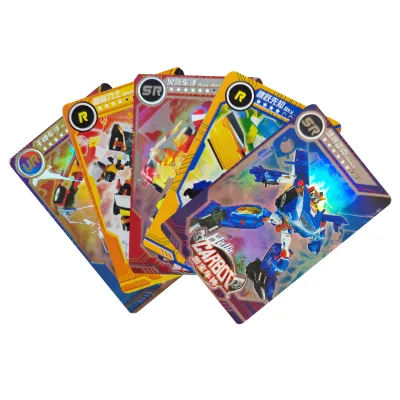
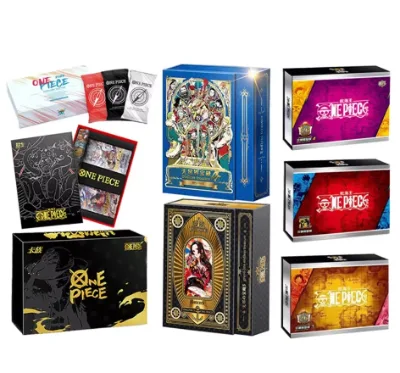
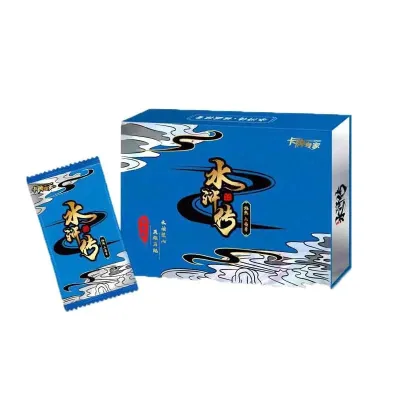

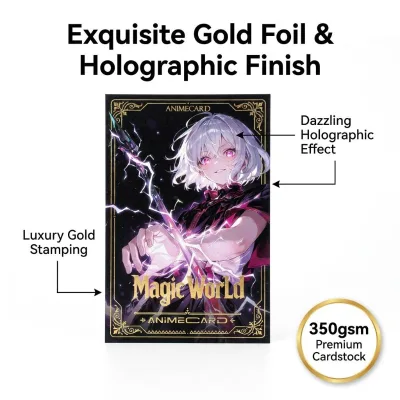





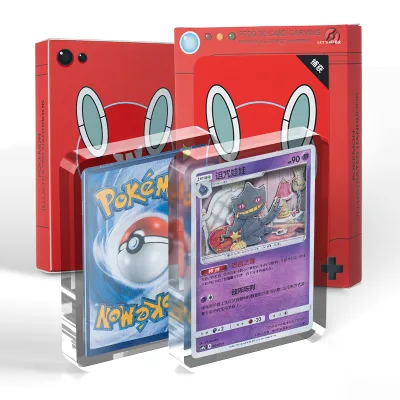
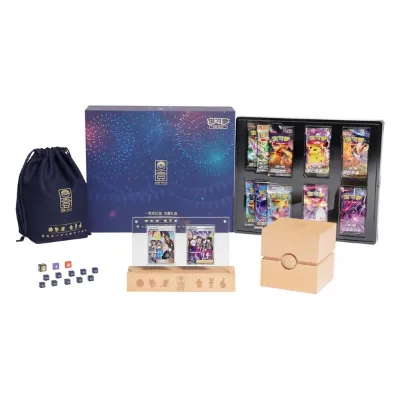




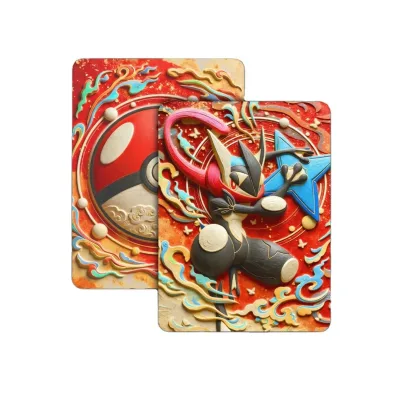

Comprehensive Sourcing Guide
Collectible Trading Card Sourcing Guide
Sourcing collectible trading cards requires a nuanced understanding of material durability, printing precision, and regulatory compliance. Buyers must distinguish between standard paper-based cards and premium PVC alternatives, as each serves different lifecycle and tactile expectations. The market offers diverse customization options, from logo placement to specific packaging formats, necessitating clear initial specifications to avoid misalignment with supplier capabilities.
Procurement decisions should be grounded in verified supplier history and established quality standards. With many manufacturers boasting extensive foreign trade experience, buyers must validate claims through rigorous documentation checks. Understanding the interplay between material choice, environmental certifications, and production volume is essential for securing a reliable supply chain that meets both aesthetic desires and functional performance requirements.
Product Scope and Observed Listing Signals
The current market landscape for collectible trading cards reveals a significant divergence in material composition and target demographics. Listings indicate a primary focus on plastic-based options, specifically PVC, which are marketed for their durability and waterproof characteristics. These products often cater to a broad audience, with some specifications noting an age range of all ages, while others target collectors aged fourteen and up. This segmentation suggests that material selection is a critical differentiator, with plastic cards offering enhanced longevity compared to traditional paper variants.
Observed listing signals also highlight the importance of customization and branding in this sector. Suppliers frequently offer OEM and ODM services, allowing buyers to incorporate custom logos, graphics, and specific color palettes. The presence of various printing techniques, such as digital, laser, and heat-transfer printing, indicates a high degree of flexibility in design execution. Buyers should note that while some products are described as handmade, the majority are mass-produced, emphasizing the need for consistent quality control across large production runs.
Technical Specifications to Verify
When evaluating technical specifications, the physical dimensions and structural integrity of the cards are paramount. Standard sizes such as 85.5540.85mm and 54*85mm are commonly cited, providing a baseline for compatibility with existing storage solutions and game mechanics. Buyers must verify the flex resistance of the material, as some suppliers claim adherence to ISO 2471 standards with a minimum of 10,000 flexes. This metric is crucial for ensuring that the cards maintain their shape and surface quality after repeated handling and shuffling during gameplay or collection display.
Packaging and weight specifications also play a significant role in logistics and user experience. Products may be packed in individual boxes, opp bags, or inner boxes, with single package sizes varying widely from compact 10X10X0.08 cm units to larger 70X50X40 cm containers. The weight of individual cards, often around 45g, and the gross weight of bulk packages must be accounted for in shipping calculations. Buyers should confirm whether the packaging is designed to protect the cards from moisture and physical damage during transit, especially for plastic variants that may have different handling requirements than paper cards.
Compliance and Safety Documentation
Regulatory compliance is a non-negotiable aspect of sourcing collectible trading cards, particularly when targeting international markets. Suppliers should provide evidence of environmental certifications such as Reach, SGS, and En71-3, which attest to the safety and chemical composition of the materials used. These certifications are especially critical for products intended for younger audiences or those that may come into direct contact with skin. Buyers must request current and valid certification documents to ensure that the materials do not contain harmful substances that could violate import regulations in destination countries.
In addition to environmental standards, buyers should verify adherence to international waterproof standards for plastic cards. The claim of meeting international PVC waterproof standards suggests a level of quality control that protects the product from degradation due to moisture exposure. However, buyers should not assume that all listed products automatically meet these standards without explicit verification. It is essential to request test reports or third-party validation to confirm that the waterproofing claims are substantiated by rigorous testing protocols, ensuring long-term durability and safety.
Cost Drivers and Commercial Terms
The cost structure for collectible trading cards is influenced by several key factors, including material type, customization complexity, and order volume. Plastic cards, particularly those made from PVC, may carry a higher base cost due to material expenses and specialized printing requirements. However, the durability and premium feel of these cards can justify the investment for high-end collectibles. Buyers should analyze the price range, which can vary significantly from low-cost paper options to premium plastic variants, to align their budget with their product positioning and target market expectations.
Minimum order quantities (MOQ) and payment terms are critical commercial considerations that impact cash flow and inventory management. Observed MOQs range from small batches of one box to larger orders of 1000 pieces, offering flexibility for startups and established brands alike. Buyers must negotiate terms that balance cost efficiency with inventory risk, considering the lead times and production capacity of the supplier. Understanding the total landed cost, including shipping, tariffs, and packaging, is essential for accurate profit margin calculations and competitive pricing strategies in the final market.
Supplier Qualification and Quality Control
Supplier qualification involves a thorough assessment of business history, production capabilities, and quality assurance processes. Buyers should prioritize suppliers with a proven track record, such as those with 16 years of business history and numerous overseas clients, as these indicators suggest stability and experience in navigating international trade complexities. It is crucial to verify the supplier’s ability to handle custom orders, including logo placement and graphic design, without compromising on quality or consistency. Requesting samples and conducting factory audits can provide valuable insights into their operational standards and commitment to excellence.
Quality control measures must be clearly defined and enforced throughout the production process. Buyers should establish specific acceptance criteria for print quality, color accuracy, and material integrity before production begins. Implementing pre-shipment inspections is recommended to catch any defects or deviations from the agreed specifications. Collaborating with suppliers who offer transparent communication and responsive customer service can facilitate smoother issue resolution and foster a long-term partnership. Regular feedback loops and performance reviews help maintain high standards and ensure that the supplier continues to meet evolving buyer requirements.
Long-Term Procurement Checks
Sustaining a successful procurement strategy for collectible trading cards requires ongoing monitoring and adaptation to market changes. Buyers should regularly review supplier performance metrics, including on-time delivery rates, defect rates, and responsiveness to issues. Establishing key performance indicators (KPIs) and conducting periodic supplier evaluations helps identify areas for improvement and ensures that the supply chain remains resilient and efficient. Staying informed about industry trends, such as new printing technologies or material innovations, can provide opportunities for product differentiation and cost optimization.
Building a diversified supplier base can mitigate risks associated with single-source dependencies and supply chain disruptions. Buyers should explore opportunities to engage with multiple suppliers, each specializing in different aspects of card production, such as printing, packaging, or logistics. This approach enhances flexibility and bargaining power, allowing buyers to respond quickly to changes in demand or market conditions. Continuous engagement with suppliers, including joint development projects and strategic planning sessions, fosters innovation and strengthens the partnership, ensuring long-term mutual success and competitive advantage in the Collectible Trading Card market.
FAQs
What materials are used for collectible trading cards?
Collectible trading cards are primarily made from plastic or paper depending on the specific product model. Some options feature PVC material meeting international waterproof standards, while others utilize standard paper construction for different usage scenarios.
Can I customize the logo and design on these cards?
Yes, customization is available for logos and graphic designs including silicone printing, laser printing, and digital printing. Buyers can request specific branding on the cards, though the minimum order quantity may vary based on the customization level required.
What is the minimum order quantity for plastic cards?
The minimum order quantity for plastic cards is typically 1000 pieces for certain models. However, some packaging options allow for a minimum order of just one box, so buyers should verify the specific model requirements before placing an order.
Which certifications do the plastic cards meet?
The plastic cards meet environmental certifications including Reach, SGS, and En71-3 standards. They also adhere to the international PVC waterproof standard and can withstand at least 10,000 flexes according to ISO 2471 testing requirements.
Where are these collectible trading cards manufactured?
These cards are manufactured in China, with specific origins noted in Guangdong and Henan provinces. The suppliers have extensive foreign trade experience serving numerous overseas clients and have been in business for approximately 16 years.
What are the standard dimensions for the cards?
Standard dimensions for the cards are 85.5 by 54 millimeters with a thickness of 0.85 millimeters. Customized sizes are also available to meet specific buyer requirements for different types of Collectible Trading Card applications.