Portable Mini Soccer Table Suppliers and Manufacturers
Source 14 verified Portable Mini Soccer Table suppliers from China Guangdong and Zhejiang. Compare key dimensions including lead times, MOQs, and ISO9001:2015 certifications to identify suitable partners. Review detailed product specifications and pricing to streamline your procurement process; review the available evidence before requesting comparable quotations from suitable candidates.
Suppliers List

Huizhou Double-Star Sports Goods Co., Ltd.
- Combined
- China Guangdong
- Lead time45 days
- Avg. response≤ 10h
Main productsSnooker Table, Air Hockey Table, Pool Table, Soccer Table
Main marketsEurope,Australia,North America
Taizhou Gaobo Household Products Co., Ltd.
- Manufacturer
- Zhejiang, China
- Lead time35 days
- Avg. response≤ 5h
Main productsTable Game,Drinking Game,Corn Hole Game,Connect 4 Game,Outdoor Game
Main marketsNorth America(30.00%), Domestic Market(15.00%), Mid East(10.00%), Southeast Asia(8.00%), Western Europe(6.00%), Southern Europe(6.00%), Eastern Europe(6.00%), Northern Europe(6.00%), Eastern Asia(5.00%), South America(5.00%), Oceania(3.00%)

- Manufacturer/Factory
- China Guangdong
- Lead time105 days
- Avg. response≤ 21h
Main productsSporting Goods, Sporting Nets, Basketball Goal, Portable Soccer Goal, Baseball Bat, Portable Hockey Door, Table Tennis Desk, Portable Basketball Stand Set, Air Hocky, Foosball
Main marketsEastern Europe,North America
Chengdu Tops Technology Co., Ltd.
- Verified by TüVRheinland
- Trading Company
- Lead time15 days
- Avg. response≤ 3h
Main productsPhoto Booth, Guestbook Phone, Heat Pump
Main marketsWestern Europe(41%), North America(23%), Northern Europe(6%)

Guangzhou EPARK Electronic Technology Co., Ltd.
- Verified by SGS
- Combined
- China Guangdong
- Lead time15 days
- Avg. response≤ 3h
Main products9d Vr, Racing Game Machines, Boxing Machine, Kids Game Machine, Claw Machine, Arcade Game Machine, Vr Simulator Series, Kiddie Ride, Basketball Game Machine, Amusement Game Machine
Main marketsSouth America,Africa,Southeast Asia/ Mideast


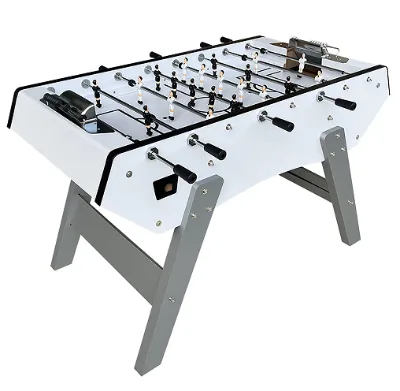
Indoor Soccer Table Game Room Sports Football Table Hand Football Game Table Soccer
$800.00 - $1000.00
MOQ: 1 set

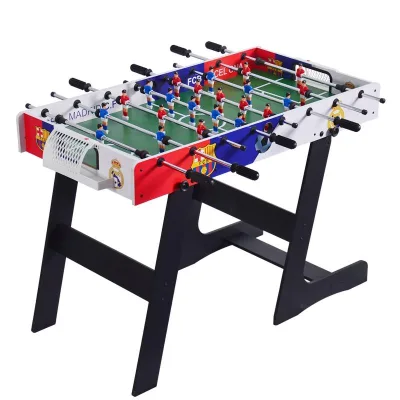
Popular Game Table Football Sports Game Equipment Innovative Table Football Game
$300.00 - $500.00
MOQ: 1 set

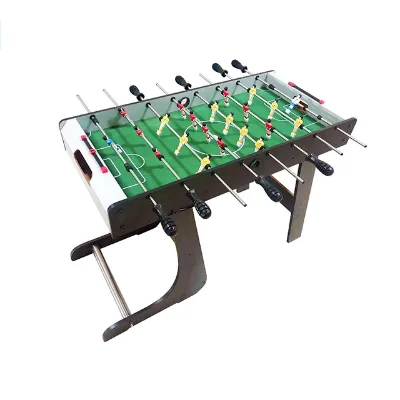
Innovative Table Football Game Table Football Sports Arcade Game Equipment
$300.00 - $500.00
MOQ: 1 set

HUIZHOU STX IMPORT AND EXPORT CO., LTD.
- Verified by BV
- Combined
- China Guangdong
- Lead time23 days
- Avg. response≤ 4h
Main productsBilliad Table
Main marketsSouth America,Africa,Southeast Asia/ Mideast,East Asia(Japan/ South Korea),Europe,Australia,North America


Mini Soccer Balls for Fun and Entertainment Football Table Accessories 36cm 32cm
$0.13 - $0.18
MOQ: 5000 sets


Mini Soccer Balls for Fun and Entertainment Football Table Accessories 36cm Or32cm
$0.12 - $0.13
MOQ: 1000 sets

Ningbo Hooleesh International Trading Co., Ltd.
- Trading Company
- Zhejiang, China
- Lead time25 days
- Avg. response≤ 7h
Main productsOutdoor Toss Game, Desktop Game, Wooden Handicraft, Party Supplies
Main marketsNorth America(60.00%), Western Europe(20.00%), Eastern Europe(10.00%), Southern Europe(5.00%), Northern Europe(5.00%)

Shenzhen LDK Industrial Co., Ltd.
- Trading Company
- China Guangdong
- Lead time30 days
- Avg. response≤ 7h
Main productsFootball Equipment, Basketball Equipment, Gymnastics Equipment, Gymnastics Mat, Indoor Fitness Equipment, Outdoor Fitness Equipment, Padel Court, Paddle Tennis Court, Spinning Bike, Treadmill
Main marketsSouth America,Southeast Asia/ Mideast,Europe,Australia,North America
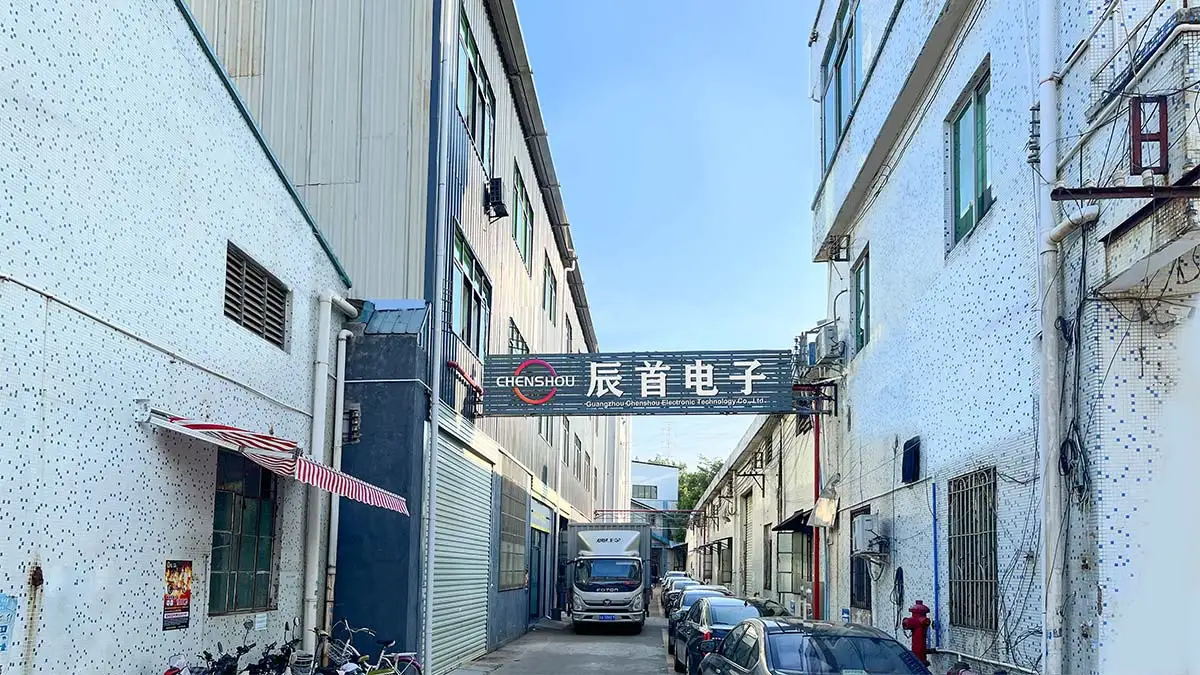
Guangzhou Chenshou Electric Technology Co., Ltd.
- Manufacturer
- Guangdong, China
- Lead time10 days
- Avg. response≤ 4h
Main productsPinball Machine,Gift Game Machine,Redemption/Ticket game machine,Arcade Game,Simulator Game machine
Main marketsDomestic Market(26.50%), Western Europe(20.00%), Africa(8.50%), Mid East(6.50%), South America(6.00%), Eastern Asia(6.00%), North America(5.50%), Central America(5.50%), Southeast Asia(5.50%), South Asia(5.00%), Southern Europe(2.00%), Oceania(2.00%), Northern Europe(0.50%), Eastern Europe(0.50%)
- Trading Company
- Lead time旺季: "1 - 2":9,"> 2":"To be negotiated", 淡季: "1 - 2":9,"> 2":"To be negotiated"
- Avg. response≤ 2h
Main productsPilates Reformers, Treadmill, Exercise Bike, Dumbbell, Massage Guns
Guangzhou H.J. Sport Products Co., Ltd.
- Verified by SGS Group
- Trading Company
- Lead time30 days
- Avg. response≤ 6h
Main productsBilliard Table, Soccer Table, Air Hockey Table, Table Tennis Table, Billiard Accessory
Main marketsNorth America(40%), Western Europe(20%), Oceania(10%)
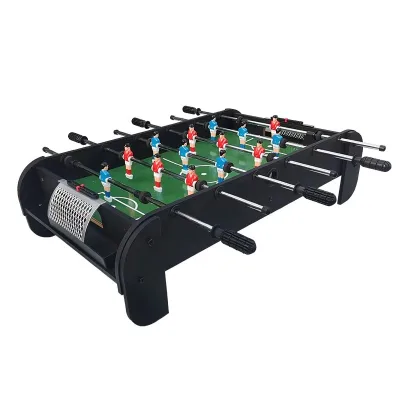
High Quality Standard Mini Size Soccer Table with Full Set of Accessories for Children
$25.55 - $40.88
MOQ: 300

- Combined
- China Guangdong
- Lead time15 days
- Avg. response≤ 18h
Main productsSynthetic Grass, Artificial Grass, Synthetic Turf, Stadium Seat, Football Goal, Sport Equipment, Tennis Turf, Artificial Lawn, Football Grass, Landscaping Grass
Main marketsSouth America,Africa,Southeast Asia/ Mideast,East Asia(Japan/ South Korea),Domestic,Europe,Australia,North America
Shantou Denko Toys Co., Limited
- Manufacturer, Trading Company
- Guangdong, China
- Lead time30 days
- Avg. response≤ 13h
Main productsEducational Toys,Baby Toys,R/C Toys,Sport Toys,Plastic Toys
Main marketsWestern Europe(18.00%), Mid East(15.00%), South America(14.00%), Southeast Asia(13.00%), South Asia(11.00%), Domestic Market(8.00%), Oceania(8.00%), Eastern Asia(5.00%), North America(5.00%), Africa(3.00%)

- Verified by SGS
- Trading Company,Manufacturer/Factory,Other
- China Zhejiang
- Lead time38 days
- Avg. response≤ 18h
Main productsBath Mat, Cushion, Wooden Toys, Fitness Equipment, Cosmetic Bag, Luggage, Festival Products, Gym Items, Face Mask, Paracord Bracelet
Main marketsSouth America,Eastern Europe,Mid East,North America,Southeast Asia,Eastern Asia,Oceania,Western Europe,Africa

Children′ S Mini Football High Football Table Machine Indoor Game
$15.47 - $15.67
MOQ: 1000 Pieces

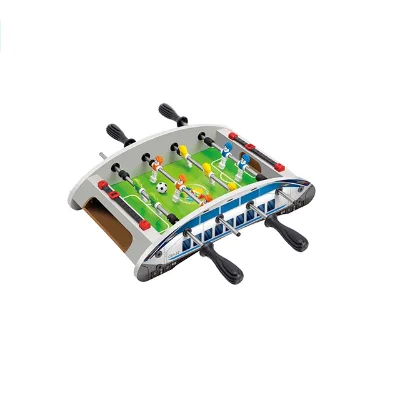
2026 Football World Cups Toy Table Mini Football Machine Desktop Foosball Game
$4.37 - $4.89
MOQ: 210 Pieces


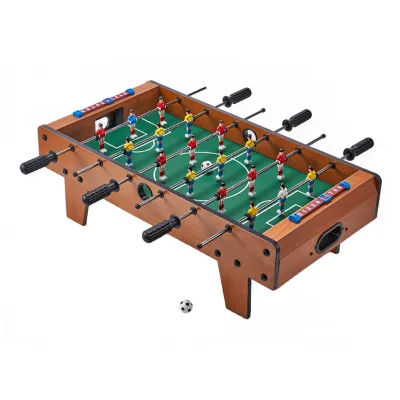
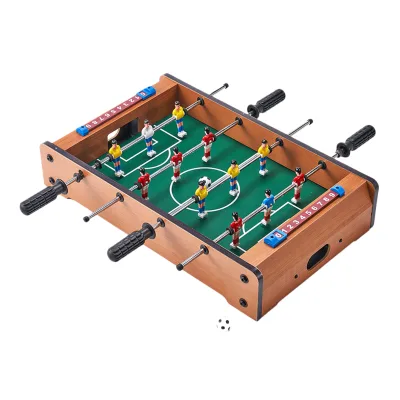


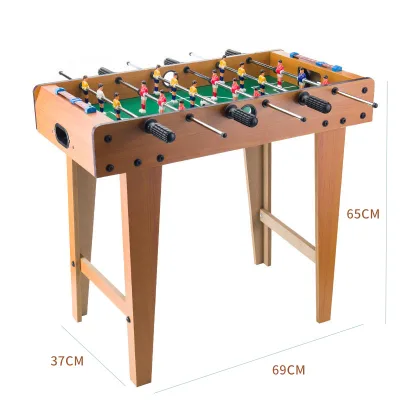
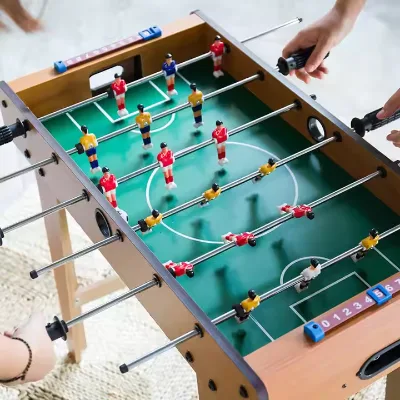
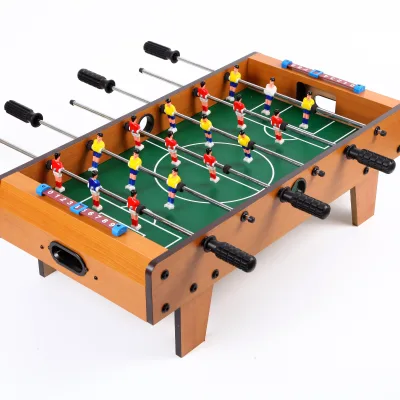
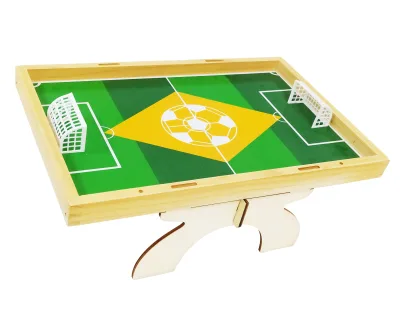


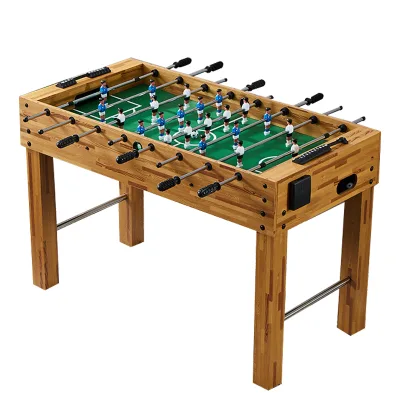
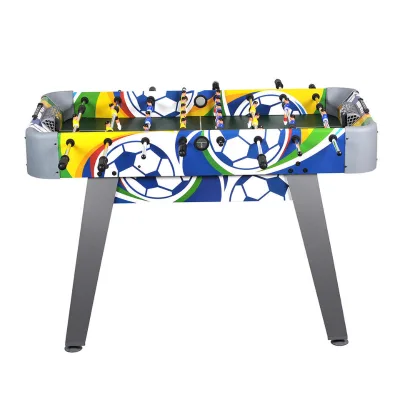


Comprehensive Sourcing Guide
Portable Mini Soccer Table Supplier Concentration and Factory Types
Current data indicates that a significant portion of verified suppliers for portable mini soccer tables are located in Guangdong, China, a region known for its manufacturing density in sports and entertainment equipment. These suppliers often operate as combined entities, functioning as both manufacturers and trading companies to offer a broader range of products including snooker tables, air hockey tables, and various soccer tables. This dual role allows them to leverage existing production lines for different recreational items, potentially streamlining the supply chain for buyers seeking multiple game table types. The presence of these combined companies suggests a flexible manufacturing environment capable of handling diverse order requirements while maintaining specialized focus on indoor recreational sports equipment.
In contrast, some suppliers are identified in Zhejiang, China, focusing their main product lines on table games, drinking games, and outdoor activities like corn hole and Connect 4. This regional distinction highlights that while Guangdong may dominate the specific niche of portable soccer tables, Zhejiang offers a different cluster of game manufacturers. Buyers should verify if a supplier's primary focus aligns with their specific needs, as a company specializing in outdoor games might not have the same depth of expertise in indoor soccer table mechanics as a Guangdong-based factory. Understanding these geographic and operational clusters helps in identifying the right partner for specific product requirements without assuming all suppliers offer the same capabilities or product depth.
How to Verify Portable Mini Soccer Table Suppliers
Verification begins with checking for established quality management systems, such as the ISO9001:2015 certificate observed in current supplier data. This certification indicates a baseline commitment to consistent manufacturing processes and quality control, which is critical for products like mini soccer tables that require precise assembly and durable materials. Buyers should request proof of this certification directly from the supplier rather than relying on unverified claims, ensuring the factory adheres to international standards for production management. The presence of such documentation serves as a primary indicator of a supplier's operational maturity and reliability in delivering consistent product quality.
Beyond certifications, buyers must assess the supplier's response time and communication efficiency, as data shows response times can vary significantly, with some suppliers averaging around 9.83 units of time. A faster response time often correlates with better project management and a more proactive approach to addressing buyer inquiries or resolving issues during the production cycle. Additionally, verifying the supplier's capacity for Original Design Manufacturing (ODM) and Original Equipment Manufacturing (OEM) is essential, as this confirms their ability to customize products according to specific buyer requirements. Confirming these capabilities ensures the supplier can adapt to unique design needs, such as specific table dimensions, color schemes, or branding elements, rather than offering only standard off-the-shelf models.
What to Compare Across Portable Mini Soccer Table Suppliers
When evaluating potential partners, comparing minimum order quantities (MOQ) is a critical step, as current data reveals significant variation ranging from 155 sets to 550 sets for different product models. A supplier with a lower MOQ might be more suitable for startups or those testing the market, while higher MOQs could indicate a focus on bulk production and potentially lower unit costs for large orders. Buyers should align their order volume with the supplier's stated MOQ to avoid unnecessary financial strain or inventory issues, ensuring the order size is feasible for both parties. This comparison helps in selecting a supplier whose production scale matches the buyer's business strategy and financial capacity.
Lead times and pricing structures also require careful comparison, as observed lead times can be as long as 45 days, and price ranges vary widely from $20 to $100 depending on the model and specifications. A shorter lead time might be preferable for urgent orders, but it often comes with a trade-off in cost or customization options. Similarly, understanding the price range helps in budgeting and negotiating effectively, as some suppliers offer models with advanced features like telescopic bars or specific ball materials at higher price points. Buyers should analyze these factors holistically to find a balance between cost, speed, and quality that meets their specific project requirements without compromising on essential product attributes.
Common Portable Mini Soccer Table Sourcing Risks
One significant risk involves the variability in product specifications and materials, as different suppliers may use varying grades of MDF, ABS balls, or steel rods for player rods. For instance, some models specify 9mm playboards while others might use different thicknesses, and the type of surface finish can range from printed PVC laminated to other treatments. Without clear verification of these material specifications, buyers risk receiving products that do not meet their durability or safety expectations. It is crucial to request detailed material data sheets and sample photos to ensure the physical attributes match the intended use case, whether for commercial arcade settings or home entertainment.
Another risk lies in the customization capabilities and the clarity of the customization process, as some suppliers list customization as available while others specify non-customized options for certain models. Misunderstanding these capabilities can lead to delays or the delivery of products that do not bear the desired branding or design features. Buyers must explicitly confirm whether logo printing, color customization, or structural modifications are feasible before placing an order. Additionally, the packaging standards, such as plain cardboard versus export cartons, can impact the condition of goods upon arrival, making it essential to verify packaging details to prevent damage during transit and ensure the product arrives in sellable condition.
Portable Mini Soccer Table Regional Sourcing and Logistics
Sourcing from Guangdong, China, offers logistical advantages due to the region's established infrastructure for exporting sports and entertainment equipment, often resulting in efficient shipping processes. Suppliers in this area frequently utilize standard export packaging, such as full knock-down (K/D) packing in cartons, which facilitates easier handling and reduces the risk of damage during transit. However, buyers should verify the specific packing dimensions and weight, as these vary by model and can significantly impact shipping costs and container utilization. Understanding the packing specifications allows for accurate freight calculations and ensures that the logistics plan aligns with the physical constraints of the product.
In contrast, sourcing from other regions like Zhejiang may involve different logistical considerations, particularly regarding the types of games produced and the associated shipping routes. While the core product remains similar, the supply chain dynamics might differ based on the local port infrastructure and the supplier's experience with international shipping. Buyers should inquire about the supplier's experience with export documentation and customs clearance to avoid delays. Additionally, considering the origin of the product, such as Guangdong or Zhejiang, helps in estimating transit times and potential tariffs, ensuring a smoother import process and better control over the overall delivery timeline.
Portable Mini Soccer Table Commercial Terms and Order Planning
Order planning must account for the specific commercial terms regarding payment and delivery, as these can vary significantly between suppliers. While some suppliers may offer flexible terms, others might require strict adherence to specific payment schedules or deposit structures. Buyers should clarify these terms early in the negotiation process to avoid misunderstandings that could delay production or shipment. Additionally, understanding the supplier's policy on escrow or other secure payment methods can provide an extra layer of protection, ensuring that funds are only released once the agreed-upon milestones are met. This diligence helps in mitigating financial risks and building a trustworthy relationship with the supplier.
Finally, planning for the order should include a detailed review of the product model numbers and standard dimensions to ensure compatibility with the buyer's sales channels or retail requirements. Models like ZLB-S01-C100 or ZLB-S15 have specific dimensions and features that must be matched against the buyer's inventory needs. Buyers should also consider the availability of accessories, such as instruction sheets and extra balls, which are often included but may vary by supplier. By meticulously planning these details, buyers can ensure a seamless integration of the portable mini soccer tables into their business operations, minimizing the risk of returns or customer dissatisfaction due to mismatched specifications.
FAQs
Where are these portable mini soccer tables manufactured?
Manufacturers are located in China, specifically in Guangdong and Zhejiang provinces. These regions are known for producing sports equipment and indoor recreational games. Buyers should verify specific factory addresses during the sourcing process to ensure logistics compatibility.
What is the typical lead time for these soccer tables?
The observed lead time for production is 45 days. This duration covers manufacturing and preparation for shipment. Buyers must confirm current capacity with suppliers as lead times can vary based on order volume and specific customization requirements requested.
What is the minimum order quantity for these tables?
Minimum order quantities vary by model, ranging from 155 sets to 550 sets. Some specific models require 305 sets while others start at 220 sets. Buyers need to check the specific product listing to confirm the exact MOQ applicable to their order.
Are these tables available with custom branding options?
Customization is available for many models, including logo printing and color adjustments. Some listings indicate non-customized options while others allow full customization. Buyers should explicitly request customization details and confirm if additional costs apply before placing an order.
What materials are used to construct these mini tables?
Tables are primarily constructed using MDF for the board and ABS for the balls. Player rods are often made of strong chromium steel with plastic handles. The surface may feature printed PVC laminate for durability and visual appeal during gameplay.
What is the price range for these portable soccer tables?
Prices range from 20 to 100 US dollars depending on the model and size. Smaller tabletop versions start around 20 dollars while larger folding tables can reach 100 dollars. The final price depends on the specific product attributes and order quantity selected.
Do suppliers offer OEM or ODM services for these tables?
Yes, suppliers offer both OEM and ODM services for these products. This allows buyers to customize designs or manufacture under their own brand. Buyers should verify specific capabilities and requirements with the supplier to ensure their design needs are met effectively.
How quickly do suppliers typically respond to inquiries?
The average response time observed is 9.83 hours. This indicates a relatively quick turnaround for initial communications. Buyers should expect timely replies but should verify current response rates as they may fluctuate based on supplier workload and time zone differences.