Source Montessori Plywood Geometry Puzzles for Early Learning
Source 30 Montessori Plywood Geometry Puzzles for early learning, shape recognition, and fine motor skill development. Compare specifications from Zhejiang suppliers, including CE and EN71 certified options for infants and toddlers; compare the available evidence and request quotations based on your requirements.
Updated
Key considerations
Products List
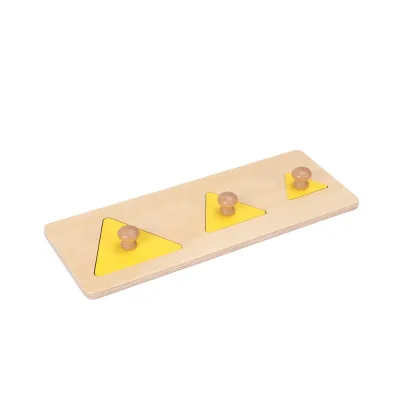
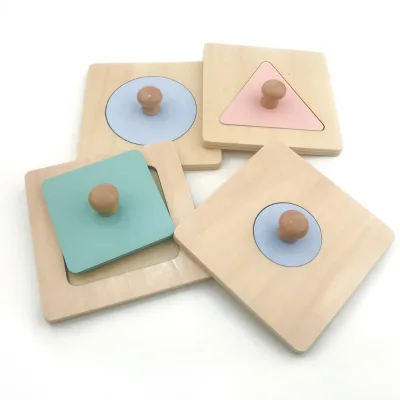
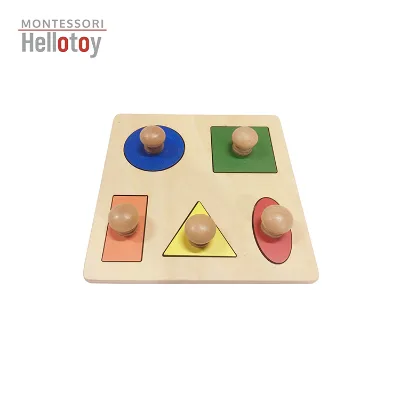
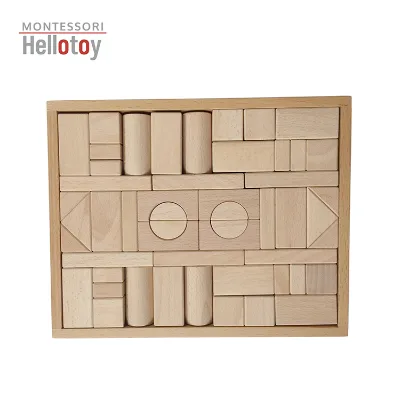


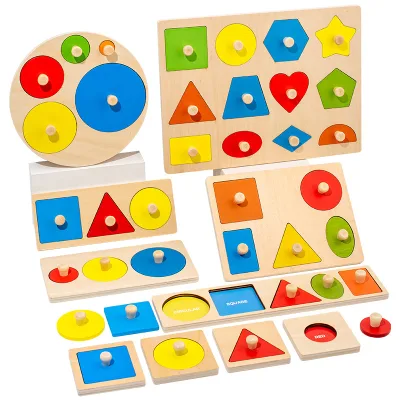
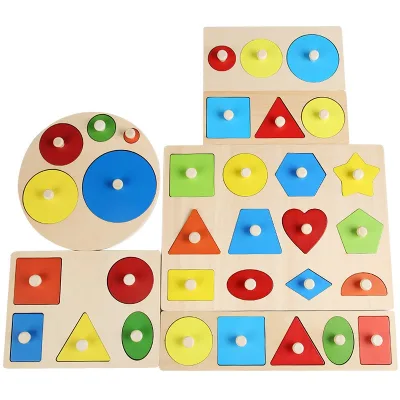
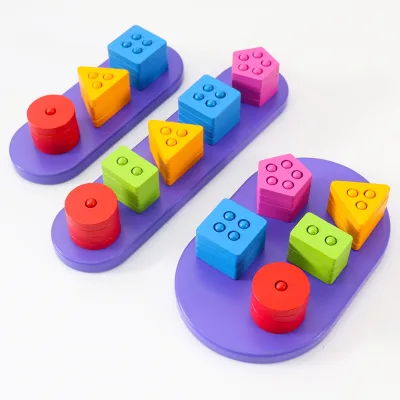
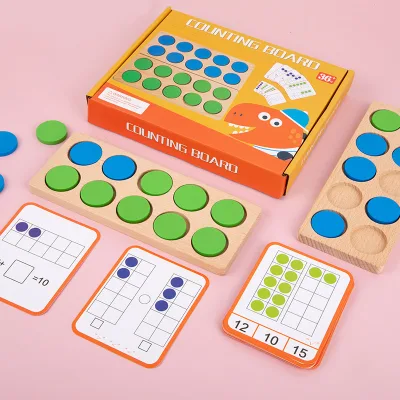
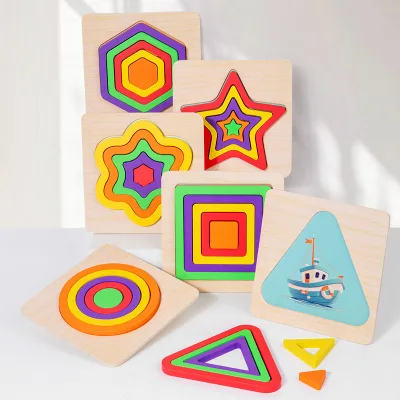
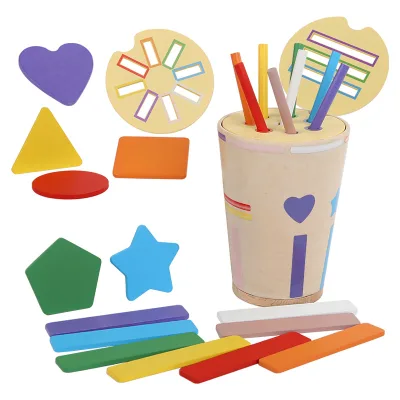
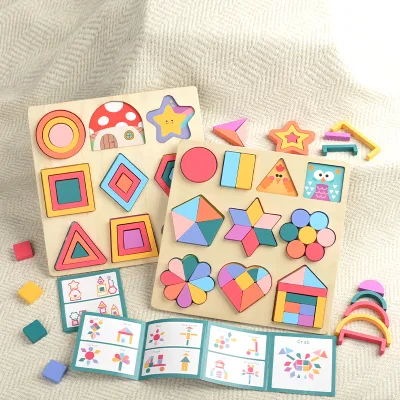
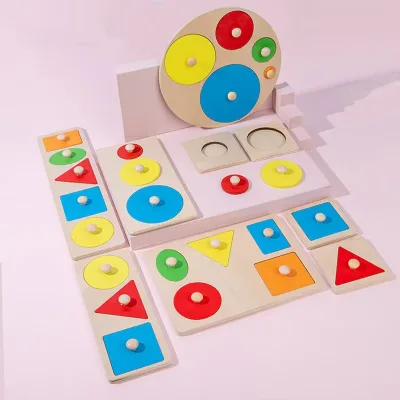
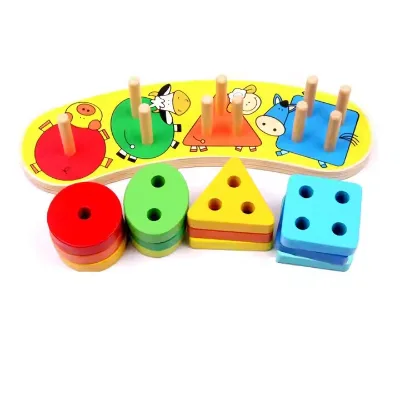
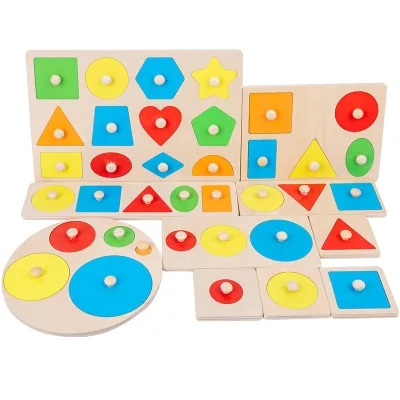
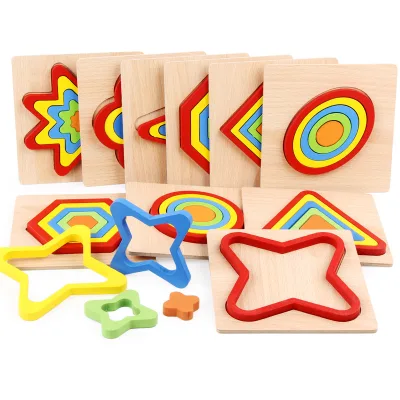


Wooden Educational Math Learning Geometry Board Montessori Toys for Kids
$2.99 - $4.99
MOQ: 200 Pieces

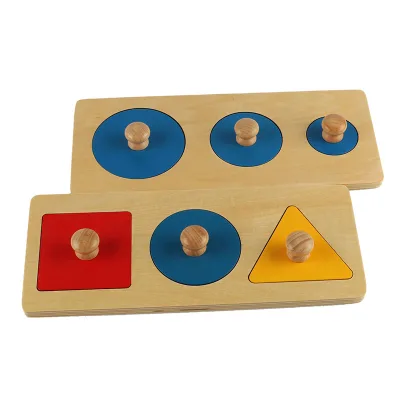
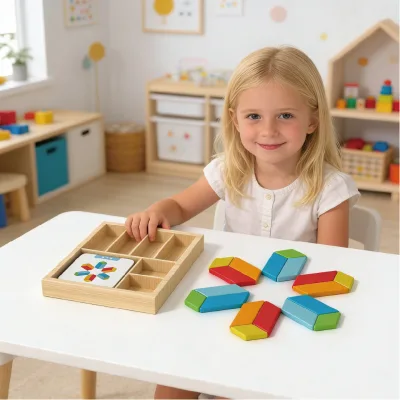
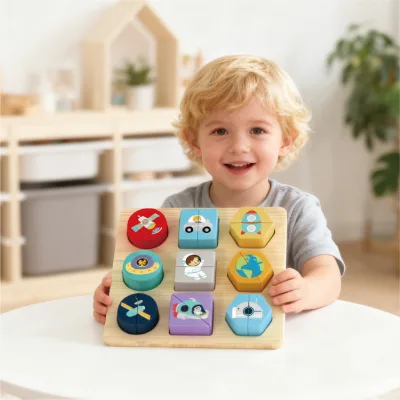
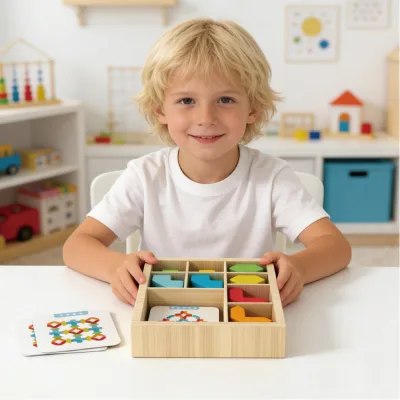
Comprehensive Sourcing Guide
Montessori Plywood Geometry Puzzles Sourcing Guide
Sourcing Montessori-inspired wooden puzzles requires a careful balance between educational efficacy and manufacturing precision. These toys are designed to enhance cognitive development, spatial reasoning, and fine motor skills in young children. Buyers must prioritize suppliers who understand the pedagogical principles behind the design, ensuring that the geometric shapes and puzzle mechanics align with established early childhood learning frameworks. The material choice, typically plywood or solid wood, plays a critical role in durability and safety, necessitating rigorous quality checks during the sourcing process.
The market offers a variety of configurations, from simple single-shape puzzles for infants to more complex multi-piece sets for toddlers. Procurement teams should evaluate the target age range carefully, as designs for children under two years differ significantly from those for ages two to four. Understanding these developmental distinctions helps in selecting products that match the intended user group’s capabilities. Furthermore, the aesthetic appeal, often characterized by natural wood colors or vibrant, non-toxic finishes, influences marketability, making visual consistency and finish quality key evaluation criteria for successful product selection.
Product Scope and Observed Listing Signals
Current market listings indicate a diverse range of product attributes, with observed price points ranging from $0.74 to $30 USD. This wide variance suggests differences in complexity, packaging, and brand positioning. Minimum Order Quantities (MOQs) observed range from 1 set to 1000 sets, offering flexibility for both small boutique retailers and large-scale distributors. Buyers should note that some suppliers offer low MOQs for sampling or initial testing, while others require higher volumes for cost-effective production runs. Understanding these commercial thresholds is essential for aligning procurement strategies with inventory management goals.
Product specifications reveal significant variation in physical dimensions and weight. For instance, some models measure approximately 32x13x4.8 cm with a gross weight of 0.3 kg, while others are larger, such as 14x14x14 cm cubes weighing 0.75 kg. The number of puzzle pieces also varies, with some sets containing fewer than 50 pieces and others featuring between 51 and 100 pieces. These physical attributes directly impact shipping costs and storage requirements. Buyers must correlate these specifications with their logistical capabilities to ensure efficient supply chain operations and accurate cost forecasting.
Technical Specifications to Verify
Verifying material composition is paramount, as listings frequently cite plywood or wood as the primary material. Buyers should confirm the grade of wood used and ensure that all surfaces are sanded smooth to prevent splinters. The finish should be non-toxic and durable, capable of withstanding repeated handling by young children. Additionally, the precision of the cut is crucial; pieces must fit together snugly without being too tight or too loose, which affects the user experience and safety. Suppliers should provide detailed material safety data sheets to substantiate their claims regarding chemical treatments and coatings.
Dimensional accuracy and packaging integrity are also critical technical aspects. Single package sizes vary, with some items packed in white boxes and others in standard cartons. Buyers should verify that the packaging protects the product during transit and provides clear labeling for retail display. The model numbers, such as LJLT045 or HTE0800, serve as unique identifiers for tracking and reordering. Ensuring that these identifiers are consistent across orders helps in maintaining inventory accuracy. Furthermore, checking the supply ability, which may be listed as 5000 sets per month, helps in assessing the supplier’s capacity to meet large-scale demand without compromising quality.
Compliance and Safety Documentation
Safety certifications are non-negotiable for toys intended for infants and toddlers. Listings often mention compliance with CE, EN71, and ASTM F963 standards, which are critical for market access in Europe and the United States. Buyers must request valid test reports from accredited laboratories to verify these certifications. The presence of these marks indicates that the product has undergone rigorous testing for mechanical, physical, and chemical safety. However, buyers should not rely solely on the presence of these labels; they must ensure that the specific product batch matches the certified samples.
In addition to international standards, buyers should inquire about additional certifications such as FSC, which indicates responsible forestry practices. While not always explicitly confirmed in all listings, this certification can be a valuable differentiator for environmentally conscious consumers. Documentation should also include details on any proprietary safety features or new functions claimed by the supplier. Verifying that the product meets the specific age recommendations, such as 0-36 months or 2-4 years, ensures that the toy is appropriate for the intended developmental stage. Proper documentation reduces liability risks and enhances brand trust among parents and retailers.
Cost Drivers and Commercial Terms
Several factors influence the final cost of Montessori Plywood Geometry Puzzles. The primary driver is the material quality, with premium plywood or sustainably sourced wood commanding higher prices. Complexity of design, including the number of pieces and the intricacy of the geometric shapes, also affects manufacturing costs. Packaging choices, such as custom-branded boxes versus standard cartons, add to the overall expense. Buyers should analyze the cost breakdown to understand where value is added and where cost-saving opportunities might exist without compromising quality.
Commercial terms vary among suppliers, with payment options including T/T, Western Union, PayPal, and L/C. Delivery details typically range from 3 to 15 days after payment, depending on order size and production schedule. Trade terms such as EXW, FOB, DDP, and DAP offer different levels of responsibility and cost allocation. Buyers should carefully evaluate these terms to determine the total landed cost. Understanding the port of dispatch, often Ningbo or Shanghai, helps in estimating shipping times and freight costs. Clear communication regarding these terms prevents misunderstandings and ensures smooth transaction processes.
Supplier Qualification and Quality Control
Evaluating supplier qualifications involves assessing their production capabilities and quality management systems. Buyers should verify the supplier’s experience in manufacturing educational toys and their ability to maintain consistent quality across batches. Requesting samples is a crucial step to evaluate the product’s physical attributes, including finish, fit, and durability. Suppliers with a proven track record and positive client feedback are generally more reliable. Additionally, checking their supply ability and lead times helps in assessing their operational efficiency and responsiveness to market demands.
Quality control processes should be transparent and rigorous. Buyers should inquire about the supplier’s internal QC procedures, including inspection stages during production and before shipment. Suppliers who offer customization options may have more flexible manufacturing lines, but this should not come at the expense of quality consistency. Establishing clear quality standards and acceptance criteria in the purchase agreement helps in managing expectations. Regular audits or third-party inspections can provide additional assurance of product quality and compliance with safety standards, reducing the risk of defects and recalls.
Long-Term Procurement Checks
Building a sustainable supply chain requires ongoing monitoring and relationship management. Buyers should establish regular communication channels with suppliers to discuss performance, feedback, and potential improvements. Tracking key performance indicators such as on-time delivery, defect rates, and responsiveness to issues helps in evaluating supplier reliability over time. Continuous feedback from end-users, including parents and educators, can provide valuable insights into product performance and areas for enhancement. This iterative process ensures that the products remain relevant and competitive in the market.
Adapting to market trends and regulatory changes is essential for long-term success. Buyers should stay informed about updates in safety standards and consumer preferences, adjusting their procurement strategies accordingly. Exploring opportunities for product diversification, such as new geometric designs or age-specific variations, can help in expanding the product portfolio. Collaborating with suppliers on innovation and customization can lead to unique offerings that differentiate the brand. By maintaining a proactive approach to procurement, buyers can mitigate risks and capitalize on emerging opportunities in the educational toy market.
FAQs
What certifications do these puzzles have?
These puzzles hold CE, EN71, and ASTM F963 certifications. These standards ensure the products meet strict safety requirements for children's toys. The materials used are eco-friendly and safe for infants and toddlers. Buyers can verify these credentials to ensure compliance with international safety regulations for educational toys.
What is the minimum order quantity?
The minimum order quantity varies by supplier, ranging from 1 set to 300 sets. Some listings indicate an MOQ of 1 set, while others require 300 sets. Buyers should check specific supplier terms to determine the exact MOQ. This flexibility allows for both small trial orders and larger bulk purchases.
Which age groups are these puzzles suitable for?
These puzzles are designed for infants and toddlers aged 0 to 24 months, as well as children aged 2 to 4 years. Some models target specific age ranges like 7 to 10.5 months. The educational design supports early cognitive development and shape recognition for various developmental stages.
How long is the delivery time?
Delivery typically takes 3 to 15 days after payment is received. This lead time allows for efficient processing and shipping of orders. Buyers should confirm specific delivery details with their chosen supplier. The timeframe ensures timely receipt of goods for retail or distribution purposes.
What materials are used in construction?
The puzzles are constructed from high-quality plywood and natural wood. These materials are chosen for their durability and eco-friendly properties. The natural wood color and finish provide a classic aesthetic. The sturdy construction ensures the toys can withstand regular use by young children.
Can buyers customize the puzzles?
Customization is available for certain models, allowing for tailored designs. Buyers can inquire about specific requirements such as packaging or branding. This option supports unique product offerings for retail markets. Customization options enhance the value proposition for businesses seeking differentiated educational toys.