Source Silver Exhaust Cones for Cars, Trucks, and Buses
Compare 30 listings for Silver Exhaust Cones from verified Chinese manufacturers. Buyers can evaluate stainless steel 409ss materials, Euro IV and V discharge standards, and custom packing options for various car brands including Toyota, BMW, and Volkswagen; compare the available evidence and request quotations based on your requirements.
Key considerations
Products List


$100.00 - $300.00
MOQ: 1 Pieces



Comprehensive Sourcing Guide
Silver Exhaust Cones Sourcing Guide
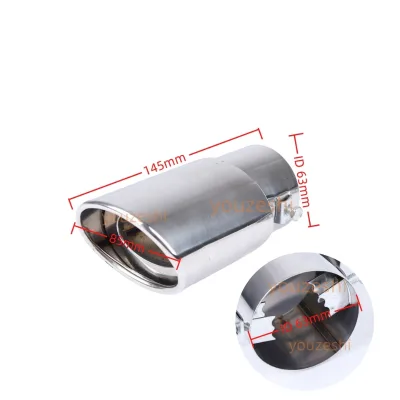
Procuring Silver Exhaust Cones requires a nuanced understanding of automotive aftermarket components, specifically focusing on aesthetic customization and functional exhaust system integration. These components are typically observed as part of broader exhaust tail pipe assemblies or catalytic converter end covers, serving both decorative and protective roles. Buyers must distinguish between pure aesthetic trim pieces and structural elements that interface with high-temperature exhaust gases. The silver finish often indicates stainless steel construction, such as 409ss, which offers corrosion resistance and durability under thermal stress.
The sourcing landscape for these items is heavily influenced by the broader exhaust system market, where customization is a primary driver. Suppliers often offer tailored solutions for various car brands, including Toyota, BMW, and Volkswagen, indicating that fitment specificity is critical. Buyers should verify whether the silver cones are standalone accessories or integrated into larger assemblies like flex bellows or inner braid pipes. Understanding this distinction helps in accurately estimating installation complexity and compatibility with existing vehicle chassis noise and emission standards.
Product Scope and Observed Listing Signals
Market listings for silver exhaust components reveal a wide price range, typically spanning from $0.8 to $300 USD, reflecting variations in material quality, brand compatibility, and packaging. The minimum order quantity (MOQ) generally ranges from 1 to 1000 units, allowing for both sample testing and bulk procurement. High-confidence data indicates that products often originate from China (Mainland), with lead times averaging 4-6 weeks for customized orders. This timeline is crucial for supply chain planning, especially when aligning with vehicle production schedules or aftermarket distribution cycles.
Observed attributes highlight significant customization capabilities, with many suppliers offering tailored packing solutions such as wooden cases, carton boxes, or plastic bags. The color grey is also frequently noted alongside silver finishes, suggesting a variety of aesthetic options for end-users. Buyers should note that while some listings specify standard sizes, others cater to specific customer demands, requiring precise dimensional verification. The presence of keywords like "Three Way Catalytic Converter" and "End Cover" suggests that silver cones may be part of complex emission control systems rather than simple decorative tips.
Technical Specifications to Verify
Technical verification must begin with material composition, as stainless steel 409ss is a common specification for durable exhaust components. Buyers should confirm the surface protection methods, such as silver plating or natural stainless steel finishes, to ensure longevity against road salt and heat. Welding methods, particularly MIG welding, are critical for structural integrity, especially in components like catalytic converters or flex bellows. Tolerances are often cited as international standards, with some machining processes achieving tight tolerances of +/-0.01mm, which is vital for proper fitment in precision-engineered vehicles.
Dimensional specifications vary widely, with lengths ranging from 4 to 12 inches or fully customized dimensions. Buyers must verify the bellow type, such as inner braid or lined pipes, if the cone is part of a flexible exhaust section. The carrier material, often ceramic in catalytic converters, and the core component type, whether an exhaust tail pipe or end cover, must be clearly defined. Additionally, the product model numbers, such as TNN10 or WG9725520068, serve as unique identifiers for cross-referencing with vehicle service manuals and OEM part lists.
Compliance and Safety Documentation
Compliance with discharge standards is paramount, with Euro IV and Euro V standards frequently cited in product listings. Buyers must ensure that any silver exhaust component, particularly those integrated with catalytic converters, meets the specific emission regulations of the target market, such as Europe. The presence of certifications like ISOCE, CCC, COP, and E-Mark indicates adherence to rigorous quality and safety protocols. These certifications are essential for legal roadworthiness and should be verified against the vehicle's original equipment manufacturer (OEM) specifications.
Quality assurance processes, including 100% testing, are critical for ensuring that components perform under stress. Buyers should request documentation for OBD Euro 2 through Euro 5 compliance, especially for components affecting engine noise or emission control. The standard of 3kg mentioned in some contexts may refer to weight specifications or testing loads, which should be clarified. Ensuring that the product meets the customer's specific demand standards is crucial for avoiding regulatory penalties and ensuring customer satisfaction in regulated markets.
Cost Drivers and Commercial Terms
Cost structures are influenced by material costs, customization levels, and packaging requirements. Stainless steel 409ss and silver surface treatments add to the base cost, while customized packing in wooden cases or specialized cartons increases logistics expenses. Buyers should negotiate clear terms regarding ocean freight and other shipping methods, as these can significantly impact the total landed cost. The lead time of 4-6 weeks for customized orders also carries an opportunity cost, which should be factored into inventory planning and cash flow management.
Commercial terms often include 24-hour customer service and acceptance of customized services, which can reduce administrative friction. However, buyers must clarify whether the quoted price includes tooling costs for unique models or if these are separate. The standard size versus customized size distinction affects pricing tiers, with bespoke dimensions typically commanding a premium. Understanding the full scope of the "By The Customer Needs" standard helps in avoiding hidden costs related to design changes or rework during the procurement process.
Supplier Qualification and Quality Control
Supplier qualification should prioritize those with robust quality control systems, evidenced by ISO 9001 certification and machining tolerances of +/-0.01mm. Buyers must verify the supplier's ability to handle complex welding methods like MIG and ensure consistent surface protection for silver finishes. The availability of 24-hour customer service indicates a commitment to post-sale support, which is valuable for resolving fitment or quality issues. Suppliers should also demonstrate experience in serving major car brands, ensuring their components meet diverse engineering requirements.
Quality control checks should include visual inspection of the silver finish for uniformity and structural integrity of welds. Buyers should request sample units to test fitment against specific vehicle models, such as Toyota, Honda, or Mercedes Benz. The "100% Tested" claim should be backed by detailed test reports or quality assurance protocols. Additionally, verifying the supplier's origin in China (Mainland) and their export experience ensures they can handle international shipping and documentation requirements efficiently.
Long-Term Procurement Checks
Long-term procurement success depends on consistent supply chain reliability and adaptability to changing emission standards. Buyers should monitor updates to Euro IV and Euro V regulations, ensuring that future orders remain compliant. The availability of customized services allows for flexibility in responding to new vehicle models or design trends. Regular audits of supplier quality control processes, including welding integrity and material composition, are essential to maintain product consistency over time.
Building a strong relationship with suppliers who offer comprehensive support, such as 24-hour service and customized packing, can mitigate risks associated with logistics and fitment issues. Buyers should also stay informed about advancements in exhaust technology, such as new bellow types or surface protection materials. By maintaining a focus on quality and compliance, buyers can ensure that silver exhaust components continue to meet market demands for durability, aesthetics, and regulatory adherence in the long run.
FAQs
What certifications do Silver Exhaust Cones have?
Silver Exhaust Cones carry multiple certifications including ISOCE, CCC, COP, and E-Mark. These standards ensure the products meet international quality and safety requirements for automotive components used in various global markets.
Can I request customized packaging for these parts?
Yes, customized packing is available for Silver Exhaust Cones to meet specific buyer needs. Options include wooden cases, cartons, or plastic bags, ensuring safe transport via ocean freight while protecting the stainless steel components.
What is the lead time for ordering these exhaust parts?
The standard lead time for Silver Exhaust Cones is typically 4 to 6 weeks. This duration accounts for manufacturing processes like MIG welding and quality testing required to meet customer specifications and international discharge standards.
Which car brands are compatible with these exhaust cones?
These exhaust cones are suitable for all major brands including Toyota, BMW, Honda, and Volkswagen. They are designed to fit various models and serve as universal components for different vehicle types and engine noise reduction needs.
How are the tolerances managed for these steel components?
Tolerances are managed according to international standards with machining precision up to plus or minus 0.01mm. This ensures high-quality fitment and performance for the steel body materials used in the exhaust tail pipe assemblies.
What material is used for the Silver Exhaust Cones?
The primary material used is Stainless Steel 409ss, providing durability and resistance to corrosion. The surface protection material is silver, which complements the aesthetic and functional requirements of the exhaust system components.
Are these exhaust cones tested before shipment?
Yes, every silver exhaust cone undergoes 100% testing to ensure quality and reliability. This rigorous process verifies that the components meet the required discharge standards and function correctly within the vehicle's exhaust system.