Source Color Changing Coffee Cup for Promotions, Gifts, and Daily Use
Explore 30 listings for the Color Changing Coffee Cup, featuring options with heat preservation, hand-painted designs, and customizable logos. Buyers can compare specifications like capacity, material, and shipping methods to find suitable suppliers for promotional or health care applications.
Key considerations
Products List


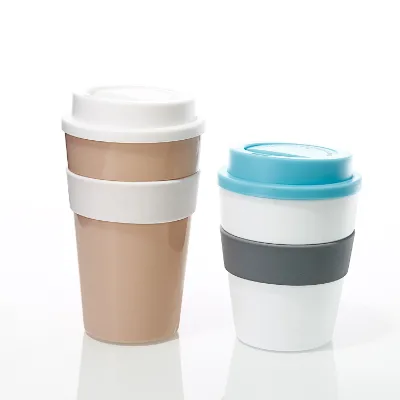
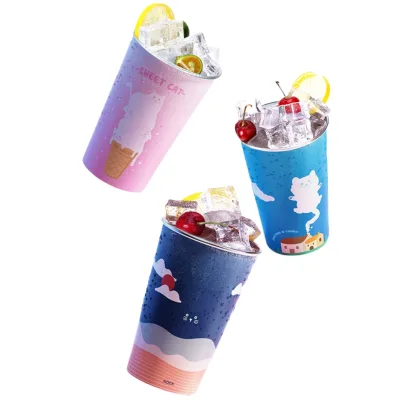


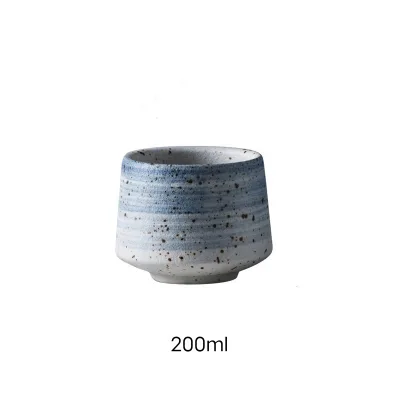


Comprehensive Sourcing Guide
Strategic Sourcing Guide for Color Changing Coffee Cups
The global market for promotional and functional drinkware has seen a significant shift toward interactive and visually engaging products, with the Color Changing Coffee Cup emerging as a high-demand item for both corporate gifting and retail sectors. For procurement professionals, sourcing these items requires a nuanced understanding of the underlying technology, material constraints, and compliance frameworks that govern their production. This guide provides a disciplined approach to evaluating suppliers and specifications, ensuring that the final procurement aligns with quality standards and operational requirements without relying on unverified market claims.
Technical Specifications and Material Composition
The core functionality of a Color Changing Coffee Cup relies on specific thermochromic properties integrated into the product's surface. Based on observed product attributes, the primary material for these vessels is typically ceramic or porcelain. This choice is critical because the thermal mass of ceramic allows for a sustained temperature change that triggers the color shift, unlike thinner materials that may cool too rapidly to be effective. The structural design often features a single-layer ceramic cup construction, which simplifies the manufacturing process while maintaining the integrity of the heat-sensitive coating.
Dimensions are a vital consideration for both shipping logistics and user experience. Observed specifications indicate a standard size range of approximately 82mm in width and 95mm in height, with a capacity of 12 ounces. These dimensions align with standard mug profiles, ensuring compatibility with existing coffee shop equipment and consumer habits. The weight of the finished product is another key technical parameter, with observed data suggesting a unit weight of around 140 grams. This weight provides a sense of durability and premium quality, distinguishing the product from lightweight disposable alternatives.
The production technique plays a significant role in the final aesthetic. High-end variations often utilize hand-painted techniques to apply the thermochromic ink, allowing for intricate designs and custom logos. However, automated production lines are also available, capable of speeds ranging from 40 to 60 pieces per minute, which is essential for large-volume orders. The surface finish can vary from simple styles to more elaborate engraved or fancy designs, depending on the customization requirements. The packaging often includes individual polybags or gift boxes, with carton dimensions standardized at 44cm by 44cm by 22.5cm to optimize container loading.
Compliance and Certification Verification
In the B2B sector, verifying that a product meets safety and regulatory standards is paramount. For food-contact items like coffee mugs, the material must be free from harmful substances that could leach into hot beverages. Observed product data highlights the presence of FDA certification for certain listings, which is a crucial benchmark for food safety in the United States market. Buyers must explicitly request and verify this certification status for every batch, as it confirms that the ceramic glaze and the thermochromic coating are safe for repeated use with hot liquids.
Beyond food safety, international trade often requires additional compliance markers. Some product listings reference CE certification, indicating conformity with health, safety, and environmental protection standards for products sold within the European Economic Area. Additionally, specific product standards such as TUV are mentioned in the context of certain models, suggesting third-party testing for quality and safety. It is imperative for buyers to treat these certifications as specific to the listed models rather than universal attributes of all color changing mugs. When evaluating a potential supplier, procurement teams should demand current, valid certificates that match the specific product model number, such as SY41K022 or KQ-Mug-0001, to ensure traceability and compliance.
Cost Drivers and Pricing Dynamics
The pricing of color changing coffee cups is influenced by a complex interplay of factors, including material costs, customization complexity, and order volume. The observed price range in the market spans from $0.01 to $11,000, a variance that reflects the difference between single-unit samples and bulk industrial orders. For standard production runs, the cost is driven primarily by the ceramic material, the thermochromic ink application, and the packaging requirements.
Customization is a major cost driver. While some products are available as non-customized items with standard designs, the majority of the market demand focuses on customized options. Features such as logo printing via silkscreen or heat transfer, custom color options based on PMS codes, and unique engraving techniques add significant value but also increase the unit cost. The MOQ (Minimum Order Quantity) varies widely, ranging from 1 unit for samples to 50,000 units for large-scale industrial orders. Buyers should anticipate that lower MOQs will result in a higher per-unit cost, while larger orders benefit from economies of scale.
Lead times and shipping methods also impact the total landed cost. Standard delivery times are observed at 30 days, with sample times ranging from 3 to 5 days. Shipping options typically include air freight for urgent, smaller orders and sea freight for cost-effective bulk shipments. Payment terms such as T/T, Western Union, or PayPal are common, and the choice of payment method can influence the final negotiation leverage. Buyers must factor in these logistical costs when calculating the total cost of ownership, rather than focusing solely on the unit price.
Typical Applications and Usage Scenarios
The versatility of color changing coffee cups makes them suitable for a wide array of applications, extending beyond simple beverage consumption. The primary usage categories identified include promotional activities and health care initiatives. In the corporate sector, these mugs serve as effective branding tools, where the color-changing feature captures attention and creates a memorable brand experience. The ability to customize the logo and design allows companies to align the product with specific marketing campaigns or events.
In the health and wellness sector, these cups are marketed as tools for promoting hydration and mindful drinking. The visual feedback provided by the color change can serve as a reminder to drink water or coffee, appealing to health-conscious consumers. The product is designed for adult usage, with a focus on durability and heat preservation, making it suitable for daily use in offices, homes, and travel settings. The "Eco-Friendly" feature mentioned in product attributes suggests that these reusable cups are positioned as sustainable alternatives to single-use plastic cups, aligning with modern environmental values.
Supplier Evaluation and Selection Criteria
Selecting the right supplier requires a rigorous evaluation process that goes beyond price comparisons. Buyers should prioritize suppliers who demonstrate transparency in their production capabilities and quality control measures. The origin of the product is a critical factor, with many listings indicating production in China, specifically in regions like Guangdong. While this region is known for its manufacturing expertise, buyers must verify the specific factory conditions and labor standards to ensure ethical sourcing.
Key evaluation metrics include the supplier's ability to meet customization requirements, their certification status, and their track record for on-time delivery. The availability of sample times, typically 3 to 5 days, allows buyers to assess product quality before committing to a large order. Suppliers offering a range of logo printing options, such as silkscreen and heat transfer, provide greater flexibility for branding needs. Additionally, the clarity of packing details, such as the use of color boxes or individual polybags, indicates the supplier's attention to presentation and protection during transit.
Buyers should also assess the supplier's responsiveness to technical queries regarding the thermochromic technology. A reliable supplier will be able to explain the durability of the color change effect, the temperature thresholds required for activation, and the expected lifespan of the product. This technical knowledge is essential for setting realistic expectations with end-users and ensuring that the product performs as advertised.
Quality Control and Long-Term Procurement
Maintaining consistent quality is essential for the long-term success of any procurement strategy involving color changing mugs. Quality control should begin at the raw material stage, ensuring that the ceramic and porcelain materials meet the required standards. The application of the thermochromic ink must be uniform, with no defects in the color change effect. Regular testing of the heat preservation capabilities and the durability of the logo printing is necessary to prevent customer complaints.
For long-term procurement, buyers should establish clear specifications and quality benchmarks in their contracts. This includes defining acceptable tolerances for dimensions, weight, and color change performance. Regular audits of the supplier's production line can help identify potential issues before they affect the final product. Furthermore, maintaining a relationship with a supplier who offers consistent lead times and reliable shipping options is crucial for managing inventory levels and meeting market demand.
The sustainability aspect of the product should also be a focus for long-term procurement. As environmental regulations tighten, suppliers who can demonstrate eco-friendly practices and use of sustainable materials will be better positioned to meet future market requirements. Buyers should encourage suppliers to innovate in packaging and production processes to reduce waste and energy consumption, ensuring that the product remains competitive in a rapidly evolving market.
Conclusion
Sourcing color changing coffee cups requires a balanced approach that considers technical specifications, compliance requirements, cost dynamics, and supplier reliability. By focusing on verified facts and adhering to strict quality control measures, buyers can secure high-quality products that meet the needs of their target markets. The integration of thermochromic technology into ceramic mugs offers a unique value proposition, combining functionality with visual appeal. As the market continues to evolve, staying informed about industry standards and maintaining strong supplier relationships will be key to successful procurement outcomes.
FAQs
What certifications do color changing coffee cups have?
Some listings show FDA and CE certifications for food safety compliance. Specific models like SY41K022 may carry FDA approval, while others reference CE or TUV standards. Buyers must verify the certificate matches the exact product model before purchase.
Can I customize the logo on these ceramic mugs?
Customization is available for many models with options like silkscreen or heat transfer printing. Some items allow logo customization while others are non-customized. The product origin is China, and designs can include engraved or hand-painted details.
What is the typical lead time for delivery?
Standard delivery times are observed at 30 days for bulk orders. Sample times are shorter, typically ranging from 3 to 5 days. Shipping methods include air or sea freight depending on order urgency and volume requirements.
Which capacity options are available for these mugs?
A common capacity observed is 12 ounces for the ceramic construction. Dimensions are approximately 82mm by 95mm with a unit weight of 140 grams. These sizes align with standard mug profiles for promotional and health care usage.
How are these products packaged for shipment?
Packaging details include individual polybags or gift boxes inside cartons. Carton dimensions are standardized at 44cm by 44cm by 22.5cm with 50 pieces per carton. Some listings specify color boxes or paper boxes for individual units.
What material is used to make these cups?
The primary material is porcelain or ceramic with a single-layer structure. This material provides heat preservation and supports the thermochromic color-changing feature. Options may include different ceramic types depending on the specific product model.