Source Colorful Pattern Crossbody Bag for Travel, Daily, and Fashion
Source 30 Colorful Pattern Crossbody Bag options from China. Compare PU and polyester materials, waterproof features, and customization services like logo printing. Ideal for daily collocation and fashion styling with various color choices; compare the available evidence and request quotations based on your requirements.
Updated
Key considerations
Products List
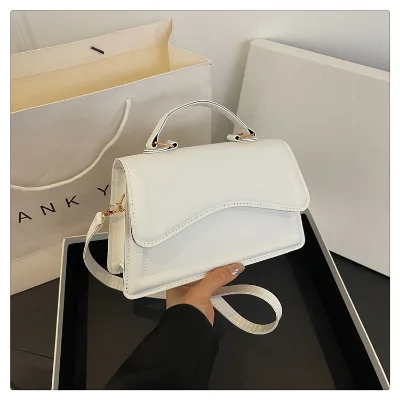

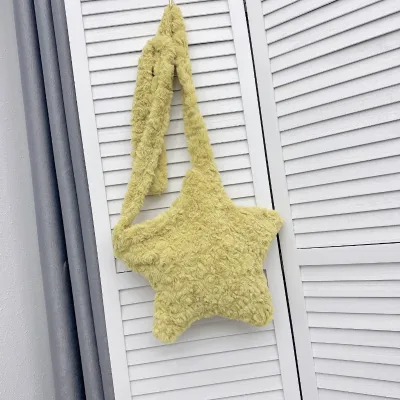
Felt Crossbody Bag Small Bag Fashion Special Design Colorful Shoulder Bag
$1.95 - $2.15
MOQ: 1000 Pieces


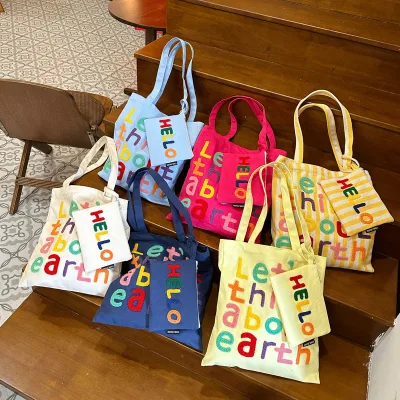
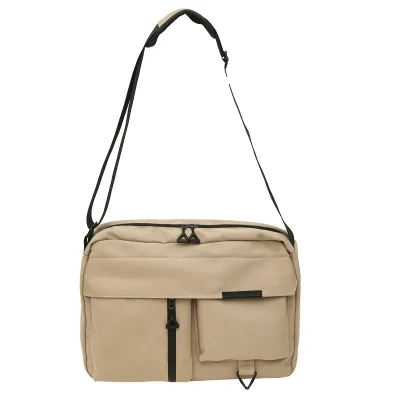


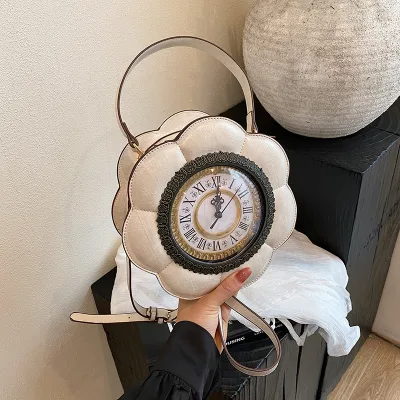



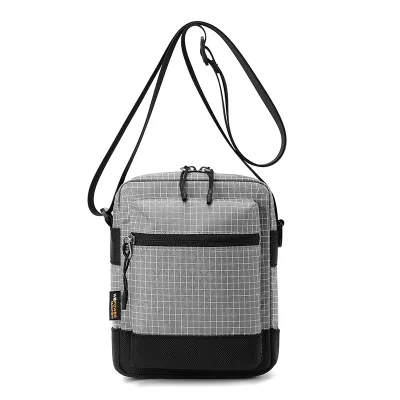

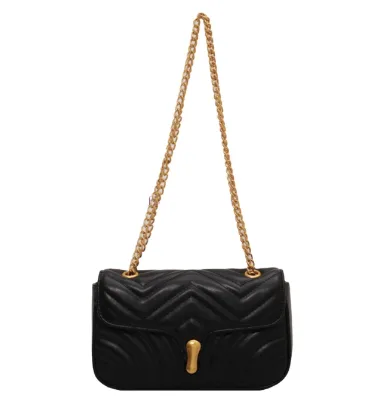

Comprehensive Sourcing Guide
Colorful Pattern Crossbody Bag Sourcing Guide
Sourcing colorful pattern crossbody bags requires a nuanced understanding of material properties, aesthetic versatility, and supply chain logistics. These accessories serve as essential daily companions for consumers seeking both functionality and style, often bridging the gap between casual wear and professional attire. Buyers must navigate a market where visual appeal is paramount, yet durability and practicality remain non-negotiable for long-term customer satisfaction. The intersection of fashion trends and utility creates a complex procurement landscape where small details, such as strap length and closure type, significantly influence product success.
This guide provides a structured approach to evaluating suppliers and products in this category. It focuses on verifying technical specifications, understanding cost drivers, and ensuring quality control measures are robust. By adhering to evidence-based procurement strategies, buyers can mitigate risks associated with inconsistent manufacturing and unreliable delivery schedules. The following sections detail the critical factors that determine the viability of sourcing these items, offering actionable insights for building a resilient supply chain.
Product Scope and Observed Listing Signals
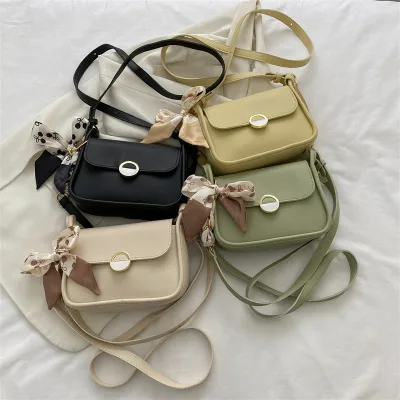
The observed market signals indicate a diverse range of options, with products ranging from simple solid colors to more complex designs, though specific pattern details vary by supplier. Listings frequently highlight attributes such as "Lady" or "Fashion" styles, targeting a broad demographic of women and unisex consumers. Materials commonly cited include PU leather for the exterior and Oxford or polyester for the interior lining, suggesting a focus on cost-effective durability. Buyers should note that while "colorful" is a key descriptor, specific color availability often includes standard options like black, white, red, and blue, alongside seasonal hues.
Stock availability and customization options are significant differentiators in this segment. Many suppliers indicate that stock is available for immediate shipment, with lead times ranging from three to seven days for standard orders. However, for customized designs involving logo printing or specific dimensions, OEM/ODM times typically extend to fifteen days. The presence of "All Seasons" as a seasonal attribute suggests these bags are designed for year-round use, making them versatile additions to any retail inventory. Buyers must carefully distinguish between off-the-shelf items and made-to-order products to align their inventory planning with supplier capabilities.
Technical Specifications to Verify
Verifying physical dimensions and structural integrity is crucial for ensuring the product meets end-user expectations. Standard dimensions observed in listings include models like XKB13 and BS-MT430, with sizes ranging from small formats to larger capacities exceeding fifty-five liters, although the latter is less common for crossbody styles. Buyers should confirm the exact external dimensions, such as eighteen by eleven by three point five centimeters, to ensure compatibility with intended contents like smartphones and wallets. The hardness of the material, described as medium soft or soft, impacts the bag's shape retention and comfort during wear, requiring tactile verification during sampling.
Closure mechanisms and strap configurations are critical functional elements that influence user experience. Common closure types include cover flaps and zippers, with some models featuring long shoulder straps for versatile carrying options. The waterproof attribute is a key selling point, necessitating verification of seam sealing and material treatment processes. Additionally, the inclusion of logo printing capabilities allows for brand differentiation, but buyers must specify the placement and method of application to ensure consistency. Confirming these technical details through detailed product specifications and physical samples prevents discrepancies between marketing claims and actual product performance.
Compliance and Safety Documentation
While specific certification requirements are not universally mandated for all crossbody bags, buyers must ensure that materials comply with relevant safety standards for consumer goods. PU leather and polyester linings should be free from harmful substances, requiring suppliers to provide material safety data sheets or compliance certificates upon request. Buyers should verify that the manufacturing processes adhere to environmental regulations, particularly regarding dyeing and finishing treatments that may involve hazardous chemicals. Although no specific standard numbers are provided in the general context, requesting documentation for REACH or similar regional compliance frameworks is advisable for markets with strict chemical regulations.
Packaging and labeling requirements also fall under compliance considerations, ensuring that products are correctly identified and safely transported. The use of OPP bags or polyester bags for individual packaging must be durable enough to protect the product during transit. Labels should include accurate information regarding material composition, care instructions, and country of origin, which is often listed as Zhejiang or Guangdong in China. Buyers should work with suppliers to ensure that all labeling meets the regulatory requirements of their target markets, avoiding potential customs delays or product recalls due to non-compliant documentation.
Cost Drivers and Commercial Terms
Understanding the cost structure of colorful pattern crossbody bags involves analyzing material costs, labor, and order volume. The observed price range of one point zero two to twenty-seven point eight five USD reflects significant variation based on material quality, design complexity, and order quantity. Minimum order quantities typically range from three to one thousand pieces, with higher volumes often securing better unit prices. Buyers should negotiate terms that balance inventory risk with cost efficiency, considering that smaller MOQs may be available for stock items but at a premium.
Payment terms and shipping logistics are critical components of the commercial agreement. Standard payment methods include Telegraphic Transfer, with sample fees often required before bulk production begins. Sample lead times generally range from five to ten business days, with associated fees that may be credited against bulk orders. Shipping times vary based on order size and customization needs, with standard shipments taking three to seven days and customized orders requiring additional production time. Buyers should clarify all incoterms and shipping responsibilities to avoid unexpected costs and ensure timely delivery to their distribution centers.
Supplier Qualification and Quality Control
Evaluating supplier reliability is essential for maintaining consistent product quality and delivery performance. Buyers should prioritize suppliers with established manufacturing capabilities in regions like Zhejiang and Guangdong, known for their textile and leather goods industries. Verification of factory audits, production capacity, and past performance records helps assess the supplier's ability to meet large orders without compromising quality. The availability of OEM and ODM services indicates a supplier's flexibility, but buyers must ensure that the supplier has the technical expertise to execute custom designs accurately.
Quality control measures should be integrated into the procurement process to minimize defects and returns. Implementing pre-production sample approvals and in-line inspections during manufacturing helps catch issues early. Buyers should define clear quality standards for stitching, material consistency, and color accuracy, particularly for colorful patterns where dye lot variations can occur. Establishing a robust communication channel with the supplier allows for real-time problem solving and ensures that any deviations from the agreed specifications are addressed promptly. Regular performance reviews based on delivery times and defect rates help maintain high standards throughout the partnership.
Long-Term Procurement Checks
Building a sustainable supply chain for crossbody bags requires ongoing monitoring and relationship management. Buyers should regularly review supplier performance metrics, including on-time delivery rates, product quality consistency, and responsiveness to issues. Establishing long-term contracts with clear performance clauses can incentivize suppliers to maintain high standards and offer competitive pricing. Continuous feedback loops between the procurement team and the supplier facilitate improvements in product design and manufacturing processes, ensuring that the offerings remain aligned with market trends and consumer preferences.
Adapting to market changes and consumer demands is crucial for long-term success. Buyers should stay informed about emerging fashion trends, material innovations, and regulatory updates that may impact product sourcing. Diversifying the supplier base can mitigate risks associated with single-source dependencies, ensuring business continuity in case of disruptions. Regularly updating product specifications and quality standards based on customer feedback and market analysis helps maintain a competitive edge. By fostering strong, collaborative relationships with suppliers, buyers can create a resilient supply chain that supports growth and profitability in the dynamic accessory market.
FAQs
What materials are used for the Colorful Pattern Crossbody Bag?
The bags are constructed from PU exterior material with Oxford or Polyester inside material. This combination provides a medium soft to soft hardness suitable for daily use. The waterproof feature ensures durability, while the solid pattern style offers a fashionable look for women and unisex applications across all seasons.
Can I customize the logo and specifications for this bag?
Yes, customization is available for logo printing and specific product standards. Buyers can request customized dimensions such as 18*11*3.5cm or 24*12*14.5cm. OEM and ODM services are welcomed with a typical lead time of 15 days for production setup, allowing for tailored branding and sizing requirements.
What is the minimum order quantity for these crossbody bags?
The minimum order quantity varies by supplier, ranging from 3 to 1000 pieces. Some listings specify an MOQ of 300 pieces per style or color, while others require 1000 pieces. Buyers should verify the specific MOQ with the supplier to ensure it aligns with their procurement volume and budget constraints.
How long does it take to receive samples and bulk orders?
Samples typically take 5 to 10 business days to prepare, with a sample fee of 50 USD. Bulk shipment times range from 3 to 7 days for stock items, while custom orders may require 25 to 30 business days for delivery. Buyers should confirm exact lead times based on their specific order type.
What colors are available for the Colorful Pattern Crossbody Bag?
A wide range of colors is available, including rose, blue, white, red, orange, black, green, brown, pink, wine red, and gray. Some suppliers state that all colors are available upon request. The bags feature a solid pattern style, allowing buyers to select specific hues to match their fashion or daily collocation needs.
Where are these crossbody bags manufactured and shipped from?
These bags are manufactured in China, with origins in Zhejiang and Guangzhou, Guangdong. The products are packaged in OPP bags or polyester bags, with 20 pieces per carton. Buyers can expect shipments from these mainland China locations, ensuring access to established manufacturing hubs for reliable production and export logistics.