Source Warm Filling Camel Hair Cotton for Jackets and Coats
Find 30 listings for Warm Filling Camel Hair Cotton suitable for jackets, suits, and overcoats. Compare specifications like GSM, width, and fiber fineness to identify the right thermal insulation material for your garment manufacturing needs; compare the available evidence and request quotations based on your requirements.
Key considerations
Products List


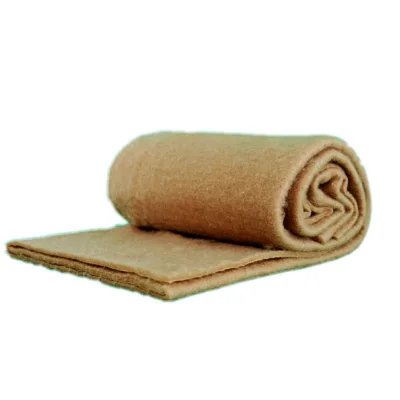
$15.00 - $20.00
MOQ: 100 Minimum


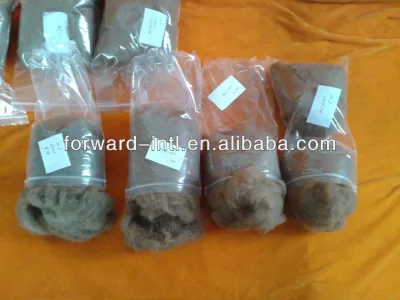
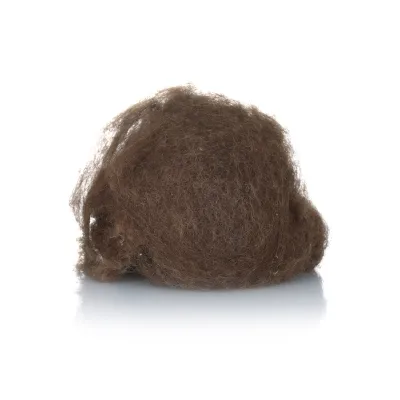
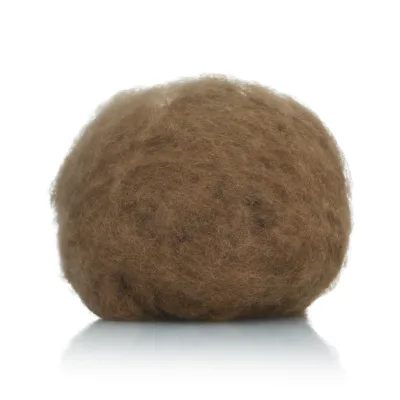



Comprehensive Sourcing Guide
Warm Filling Camel Hair Cotton Sourcing Guide
Buyers evaluating Warm Filling Camel Hair Cotton must first distinguish between pure wool variants and blended options, as the supply chain offers both 100% wool and natural camel fiber compositions. The observed market data indicates a primary origin in Shandong, China, where suppliers provide materials ranging from 80gsm to over 1000gsm in weight. This significant variance in grammage allows procurement teams to select insulation levels suitable for specific garment types, from lightweight linings to heavy-duty overcoats.
When initiating contact with potential vendors, it is critical to verify the specific fiber type, such as combed camel hair or cashmere blends, to ensure the final product meets thermal performance expectations. The available listings suggest that customization is a standard offering, with widths often adjustable between 1 and 2.6 meters or fixed at 58/60 inches. Procurement professionals should prioritize suppliers who explicitly state their production capacity, such as the observed 3 tons per day capability, to gauge their ability to scale orders without compromising delivery schedules.
Product Scope and Observed Listing Signals
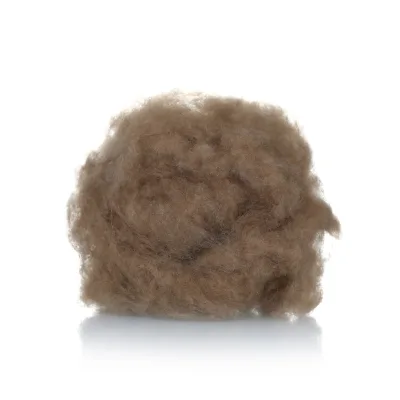
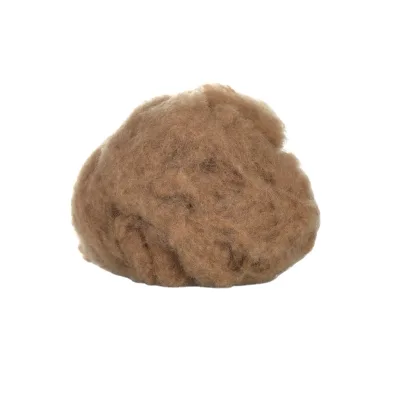
The product scope for Warm Filling Camel Hair Cotton encompasses a diverse range of applications, primarily targeting the garment industry for jackets, trousers, suits, and overcoats. Listings frequently highlight features like eco-friendliness and breathability, which are essential for modern apparel that requires thermal regulation without excessive weight. Buyers should note that while some products are marketed as plush or raw, the underlying material is consistently identified as natural camel wool fiber, ensuring a distinct texture and insulation profile.
Observations of packaging details reveal that suppliers typically utilize vacuum packing with poly bags or inter plastic bags within outer woven bags to protect the wadding during transit. This attention to packaging is vital for maintaining the loft and integrity of the fiber, which can be delicate if exposed to moisture or compression. Additionally, the selling units often appear as single items or bulk rolls, with lengths specified up to 50 meters per roll, allowing buyers to calculate material usage precisely for their production lines.
Technical Specifications to Verify
Technical verification must begin with the fiber fineness, which is a critical determinant of softness and insulation efficiency in camel hair products. The observed data specifies a fineness range of 1-9 microns, a metric that buyers should confirm through mill certificates to ensure the material meets high-quality standards for luxury or performance wear. Variations in fiber length and the distinction between combed and raw fibers also significantly impact the final fabric hand feel and durability, requiring strict adherence to the agreed-upon specifications.
Thickness and weight are equally vital parameters, with observed ranges spanning from 0.2 to 4 centimeters and weights from 70 to 800 grams per square meter. Buyers must ensure that the selected thickness aligns with the intended garment design, as thicker wadding may require different sewing techniques or pattern adjustments. Furthermore, the washing requirements, typically up to 40°C, should be validated against the intended care instructions for the final product to prevent shrinkage or fiber degradation during the consumer's use.
Compliance and Safety Documentation
Compliance documentation for camel hair wadding should focus on animal welfare and material safety, given the natural origin of the fiber. The supply chain often highlights "Animal Friendly No Mulesing" as a key attribute, a claim that buyers must substantiate with supplier declarations or third-party audit reports to ensure ethical sourcing standards are met. This verification is particularly important for brands targeting markets with strict regulations regarding animal-derived materials and sustainable fashion practices.
Safety and environmental compliance also extend to the manufacturing process, where features like being eco-friendly and breathable are frequently cited. While specific certifications like Oeko-Tex are mentioned in background contexts, buyers should not assume automatic compliance without requesting current test reports. It is prudent to ask for evidence of the non-woven technics, such as thermal-bonded or needle-punched methods, to confirm that no harmful chemical residues remain in the final wadding product.
Cost Drivers and Commercial Terms
Cost drivers for Warm Filling Camel Hair Cotton are heavily influenced by the raw material grade, with domestic and premium grades commanding different price points. The observed price range of 0.4 to 122.47 USD reflects the variability in fiber quality, weight, and customization levels, requiring buyers to define their budget constraints clearly before requesting quotes. Understanding that the material is often sold by weight, with minimum order quantities starting at 100kg, helps procurement teams manage inventory costs and cash flow effectively.
Commercial terms must address the supply ability and lead times, which can vary based on the supplier's production capacity of 20 tons or 3 tons per day. Buyers should negotiate clear delivery schedules and port of dispatch terms, typically QINGDAO, to avoid logistical delays. Additionally, the availability of customized specifications means that pricing may fluctuate based on the complexity of the order, necessitating a detailed breakdown of costs for standard versus bespoke production runs.
Supplier Qualification and Quality Control
Supplier qualification should prioritize manufacturers with a proven track record in producing camel hair wadding, evidenced by their specific production capacity and technical expertise. The presence of a dedicated production wadding capacity of 20 tons suggests a facility capable of handling large-scale orders, but buyers must verify this through site audits or video inspections. Ensuring the supplier has the technical capability to maintain consistent fiber fineness and weight across different batches is essential for maintaining product uniformity.
Quality control protocols must include rigorous testing of the non-woven technics, such as thermal-bonded or needle-punched methods, to ensure structural integrity. Buyers should request samples that match the exact specifications of the intended order, including width, weight, and fiber type, before committing to a bulk purchase. Establishing a clear communication channel for addressing any deviations in the product, such as inconsistencies in the natural brown color or packing details, will help mitigate risks associated with supply chain disruptions.
Long-Term Procurement Checks
Long-term procurement strategies for Warm Filling Camel Hair Cotton require regular re-evaluation of supplier performance against the initial quality benchmarks. Buyers should implement a schedule for periodic audits to ensure that the supplier continues to meet the "Animal Friendly No Mulesing" standards and maintains the specified fiber fineness and weight ranges. This proactive approach helps in identifying potential issues early, such as changes in raw material sourcing or manufacturing processes that could affect the final product quality.
Sustainability and ethical sourcing should remain central to the long-term relationship, with buyers regularly requesting updated documentation on animal welfare and environmental compliance. As the market evolves, maintaining a flexible supply chain that can adapt to changing customization requirements and weight specifications will be crucial. By fostering a collaborative relationship with suppliers who demonstrate transparency and reliability, buyers can secure a consistent supply of high-quality camel hair wadding for their garment production needs.
FAQs
What is the material composition of Warm Filling Camel Hair Cotton?
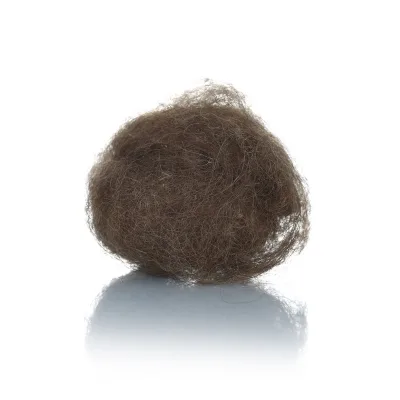
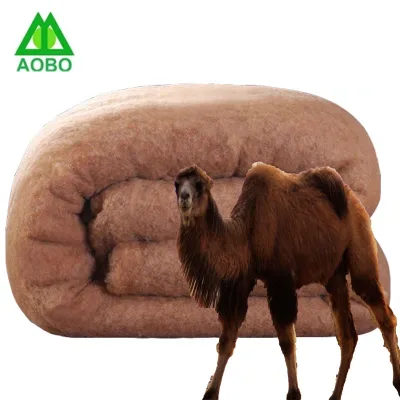
The material is composed of 100% natural camel wool fiber, often categorized as cashmere type. It features a natural brown color and is available in combed fiber form. This pure wool content ensures the filling is breathable and eco-friendly, making it suitable for high-quality garment insulation without synthetic blends.
How is the camel hair padding manufactured and what are its features?
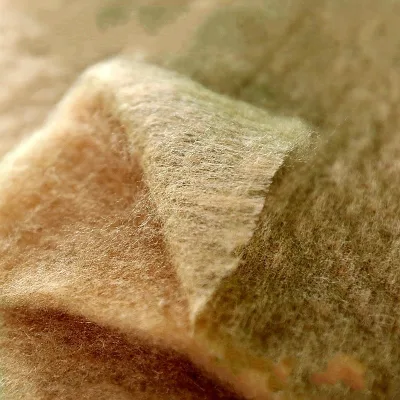
The padding is manufactured using thermo-bonded or needle-punched non-woven technics. It offers features such as being eco-friendly, breathable, and anti-bacterial. The product is animal-friendly with no mulesing involved. This construction method ensures durability and consistent thermal performance for various textile applications.
What are the available weight and thickness specifications for the filling?
The weight range spans from 70gsm to 800gsm or up to 1000gsm depending on the specific product model. Thickness can be customized from 0.2cm to 4cm. Standard widths are available at 58/60 inches or 1-2.6 meters. These variations allow for precise insulation needs in different garment types.
Can the Warm Filling Camel Hair Cotton be customized for specific orders?
Yes, customization is available for specifications, packaging, and dimensions. Buyers can request specific widths, weights, and packing methods like vacuum packing with poly bags or woven bags. The supply ability is 3 tons per day for camel hair wadding, ensuring timely delivery for customized bulk orders.
Where is the camel hair padding produced and what is the origin?
The product originates from Shandong, China, with dispatch ports in Qingdao. The production wadding capacity is 20 tons. This location ensures efficient logistics for international buyers. The domestic grade material is processed locally, maintaining quality standards for export to global markets.
What are the washing requirements and care instructions for the filling?
The filling is washable up to 40°C, ensuring ease of maintenance for finished garments. It is designed to retain its structural integrity and thermal properties after washing. The eco-friendly and breathable nature of the camel hair ensures comfort and durability throughout the product's lifecycle.