Source Commercial Coffee Machine for Hotels, Offices, and Cafes
Source a Commercial Coffee Machine from 30 verified listings. Compare options ranging from 1.5kW to 4.2kW power, with origins in Italy and China. Evaluate specifications like boiler capacity, voltage, and weight to find the right fit for your business needs.
Updated
Key considerations
Products List
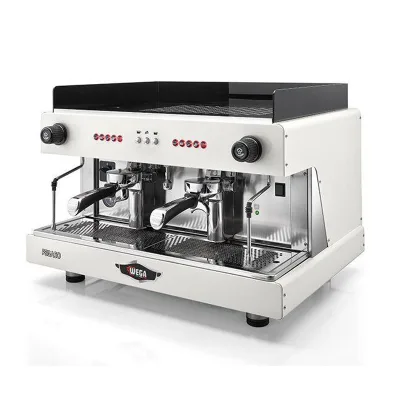
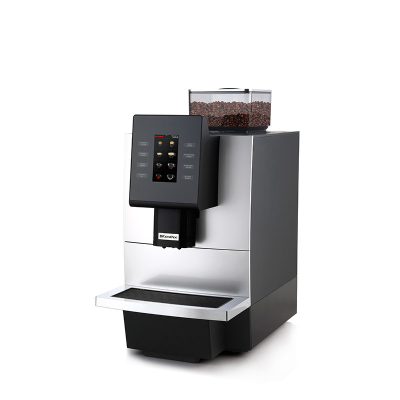
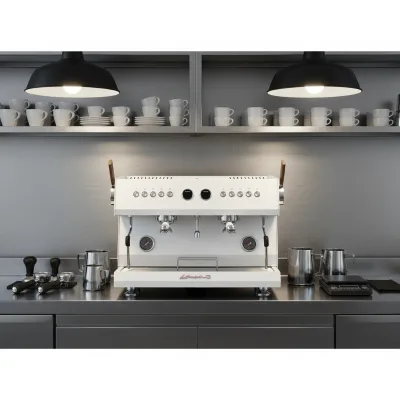
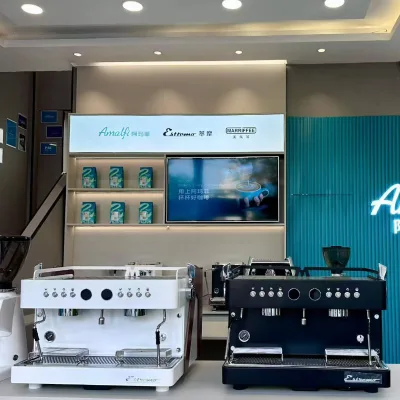
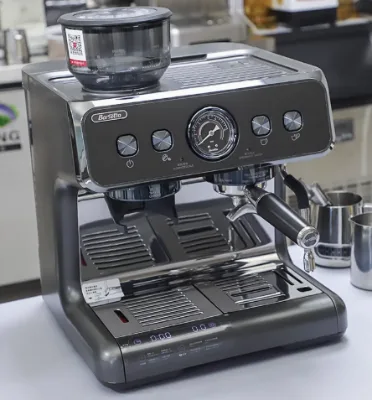


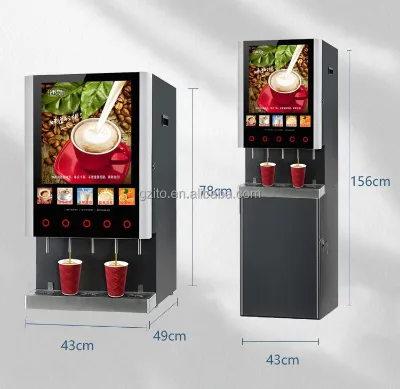


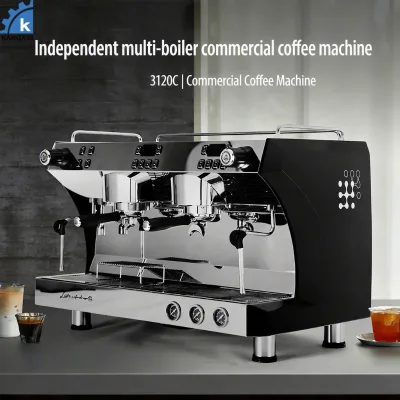

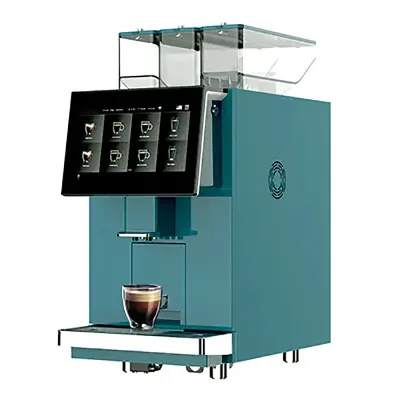
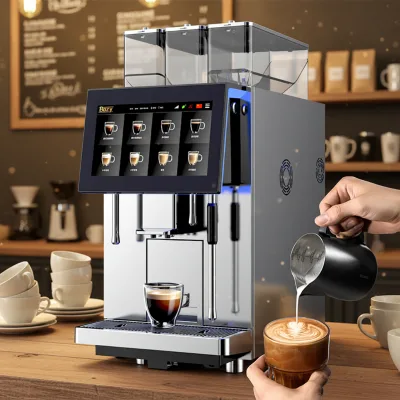
Commercial Coffee Machines Specifically Designed for Cafes and Hotels.
$2500.00 - $2800.00
MOQ: 1 Pieces

$4700.00 - $4800.00
MOQ: 1 Pieces

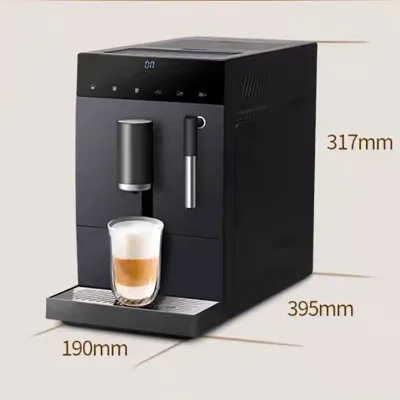
$16000.00 - $20000.00
MOQ: 1 Pieces

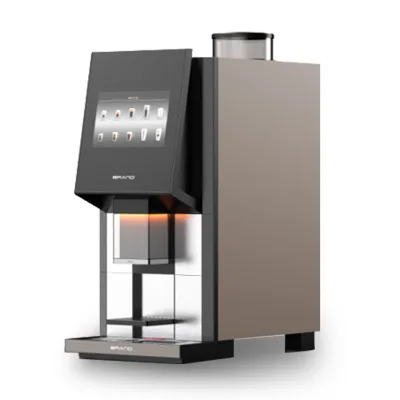
Comprehensive Sourcing Guide
Commercial Coffee Machine Sourcing Guide
Sourcing commercial coffee machines requires a disciplined approach to align technical capabilities with operational volume and budget constraints. Buyers must navigate a diverse market where product attributes vary significantly across suppliers, from compact tabletop units to high-capacity dual boiler systems. The observed market includes machines originating from Italy and China, reflecting distinct manufacturing standards and design philosophies. Understanding these geographic origins helps procurement teams anticipate differences in build quality, component sourcing, and after-sales support structures.
This guide focuses on evidence-based verification steps to mitigate procurement risks. By examining observed listing signals, technical specifications, and compliance documentation, buyers can construct a robust evaluation framework. The goal is to move beyond superficial marketing claims and establish clear, verifiable criteria for supplier selection. This structured approach ensures that the selected equipment meets the specific demands of hotel, business, or high-volume retail environments without compromising on safety or performance reliability.
Product Scope and Observed Listing Signals
The current market landscape for commercial coffee machines reveals a wide spectrum of product types, ranging from single-function espresso units to multi-function automatic systems. Observed listings indicate a total product count of thirty, with prices ranging from $45.6 to $20,000 USD. This vast disparity suggests that buyers must carefully distinguish between entry-level commercial units and heavy-duty industrial equipment. Minimum Order Quantities (MOQ) are generally low, observed between 1 and 4 units, which facilitates initial testing and small-scale deployment without significant capital commitment.
Product names and branding vary, with specific models like the WEGA brand and model F09 appearing in listings. Attributes such as color options (black/white or white) and housing materials (plastic) provide initial visual and tactile cues for integration into existing kitchen or bar aesthetics. However, these superficial attributes should not overshadow functional specifications. Buyers should treat these listed details as observations rather than universal guarantees, verifying each claim against the specific supplier’s documentation before making a purchase decision.
Technical Specifications to Verify
Technical verification is critical when evaluating commercial coffee machines, particularly regarding power consumption and voltage compatibility. Observed power ratings range from 1500W to 4200W, with specific models listing 3700W or 3kW. Voltage requirements are predominantly 220V at 50Hz, but buyers must confirm local grid compatibility to prevent equipment damage. Pressure settings, such as 9 Bar, are standard for espresso extraction, yet the actual pump performance and stability under load require independent verification. Boiler capacity is another key differentiator, with observed values ranging from 550ml per boiler to larger 7L or 1100L capacities, directly impacting throughput speed.
Physical dimensions and weight also play a crucial role in facility planning. Observed sizes vary from compact tabletop units measuring 415058cm to larger machines at 740555515mm. Weights range from 16.5kg to 85kg, necessitating adequate floor support and handling equipment during installation. Buyers should request detailed single package sizes, such as 89X69X77 cm, to calculate shipping volume and logistics costs accurately. These physical constraints must be cross-referenced with the intended installation site’s spatial and structural limitations to avoid operational bottlenecks.
Compliance and Safety Documentation
Compliance with regional safety and electrical standards is non-negotiable for commercial equipment. While CE certification is mentioned in background contexts, buyers must obtain official, verifiable certificates for each specific model and batch. This documentation confirms that the machine meets essential health, safety, and environmental protection requirements for the target market. Without valid certification, the risk of regulatory penalties, insurance voids, and operational shutdowns increases significantly. Procurement teams should insist on seeing the original test reports issued by accredited laboratories, not just supplier declarations.
Water and steam safety features are equally important in commercial environments. Machines with high-pressure boilers and steam wands require robust pressure relief valves and thermal cut-offs to prevent accidents. Buyers should verify that the control modes, whether automation or manual, include fail-safe mechanisms. Additionally, the housing material, often plastic in observed listings, should be heat-resistant and easy to sanitize. Ensuring that all electrical components are properly insulated and grounded is essential for protecting both staff and customers from potential hazards in high-traffic commercial settings.
Cost Drivers and Commercial Terms
Understanding the cost drivers behind commercial coffee machines helps buyers negotiate better terms and avoid hidden expenses. The primary cost factors include boiler type, power rating, and material quality. Dual boiler systems, for instance, offer simultaneous brewing and steaming but come at a higher price point compared to single boiler units. Power consumption directly impacts operational costs, with higher wattage machines consuming more electricity. Buyers should calculate the total cost of ownership, including energy usage, maintenance, and potential downtime, rather than focusing solely on the initial purchase price.
Commercial terms such as warranty and lead times are critical for budgeting and planning. Observed warranties are typically one year, but buyers should negotiate extended coverage for critical components like boilers and pumps. Lead times can vary based on the supplier’s location, with origins in Italy or China affecting shipping duration. Minimum order quantities are generally flexible, but bulk purchases may offer volume discounts. Buyers should clarify payment terms, return policies, and the availability of spare parts to ensure long-term operational continuity and financial predictability.
Supplier Qualification and Quality Control
Supplier qualification is the first line of defense against procurement risks. Buyers should verify the supplier’s business license, manufacturing capabilities, and export history. For machines originating from specific regions like Guangdong or Shandong in China, or Italy, understanding the local supply chain dynamics can provide insights into component quality and consistency. Requesting factory audits or third-party inspection reports can reveal the actual production environment and quality control processes. This due diligence helps distinguish between reputable manufacturers and trading companies that may lack direct oversight of production.
Quality control measures should be integrated into the procurement process from the outset. Buyers should define clear acceptance criteria based on observed specifications, such as pressure stability, temperature consistency, and build quality. Pre-shipment inspections are recommended to verify that the delivered units match the agreed-upon samples. Additionally, buyers should assess the supplier’s responsiveness to technical queries and their ability to provide detailed user manuals and troubleshooting guides. A reliable supplier will offer comprehensive support, ensuring that the machine operates efficiently from day one.
Long-Term Procurement Checks
Long-term procurement success depends on establishing a sustainable relationship with suppliers and ensuring ongoing support. Buyers should monitor supplier performance metrics, such as on-time delivery rates, defect rates, and customer service responsiveness. Regular reviews of these metrics help identify potential issues early and allow for corrective actions. Maintaining open communication channels with the supplier facilitates quick resolution of any technical or logistical challenges that may arise during the machine’s lifecycle. This proactive approach minimizes downtime and ensures consistent service quality.
Access to spare parts and technical support is crucial for maintaining machine performance over time. Buyers should verify the availability of critical components like boilers, pumps, and electronic controls. Suppliers with a robust parts inventory can reduce repair times and extend the machine’s operational life. Additionally, staying informed about industry trends and technological advancements can help buyers plan for future upgrades or replacements. By focusing on long-term value rather than short-term gains, procurement teams can build a resilient supply chain that supports their business objectives effectively.
FAQs
What is the power consumption of the WEGA espresso machine?
The WEGA espresso machine operates at 3700 watts of power. This high power rating supports its dual boiler system and rapid heating capabilities for commercial environments. It requires a 220V 50Hz electrical supply to function correctly within hotel or business settings.
Which boiler capacity options are available for these machines?
Available boiler capacities include 550ml per boiler with a dual setup, a 7-liter main boiler, or a 5.5-liter streamer capacity. Some models feature a total boiler capacity of 1100 liters, while others offer a 10.5-liter water tank for continuous operation.
How much does the Commercial Coffee Machine weigh?
Weights vary significantly by model, ranging from 16.5 kilograms to 62 kilograms for the unit itself. The single gross weight including packaging can reach up to 85 kilograms for larger Italian models, while smaller units may weigh around 21 kilograms.
Can I find a Commercial Coffee Machine with a 9 bar pressure rating?
Yes, specific models are designed with a 9 bar pressure rating for optimal espresso extraction. These machines often feature dual boilers and automation control modes to ensure consistent performance in high-volume commercial applications like hotels and businesses.
What are the dimensions of the single package for shipping?
Single package sizes vary by model, with dimensions such as 89 by 69 by 77 centimeters or 46 by 55 by 63 centimeters. Other configurations include 55 by 67.8 by 52.8 centimeters, ensuring the machine fits standard shipping containers while protecting the unit.
Which origin countries supply these commercial coffee machines?
These machines originate from Italy and various regions in China, including Guangdong and Shandong. The diverse manufacturing locations offer different specifications, with some models featuring plastic housing and others offering advanced automation for professional use.
What is the warranty period for the espresso machine?
The standard warranty period provided for these commercial coffee machines is one year. This coverage applies to the product to ensure reliability for business owners, though specific terms may vary depending on the manufacturer and the specific model purchased.