Electric Household Meat Chopper Suppliers and Manufacturers
Source 17 verified suppliers for Electric Household Meat Chopper units. Compare grounded dimensions including Guangdong location, 30-35 day lead times, and CE/LFGB certifications. Review pricing and MOQs to identify suitable partners for your procurement needs; review the available evidence before requesting comparable quotations from suitable candidates.
Suppliers List
Zhongshan Junguo Electrical Appliances Co., Ltd.
- Manufacturer
- Guangdong, China
- Lead time35 days
- Avg. response≤ 5h
Main productsBlender,Meat Chopper,Juice Extractor,Hand-held Mixer,Juicer
Main marketsWestern Europe(20.00%), Mid East(20.00%), Southeast Asia(17.00%), South America(15.00%), North America(15.00%), South Asia(5.00%), Eastern Asia(5.00%), Eastern Europe(3.00%)
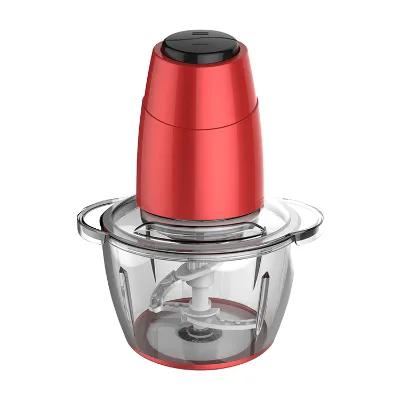
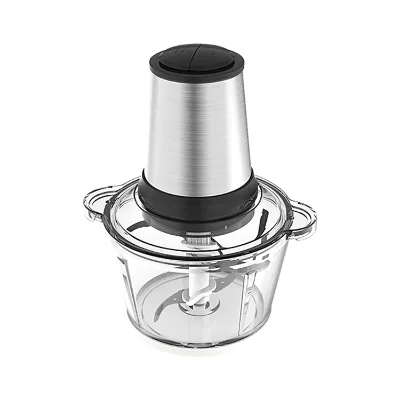
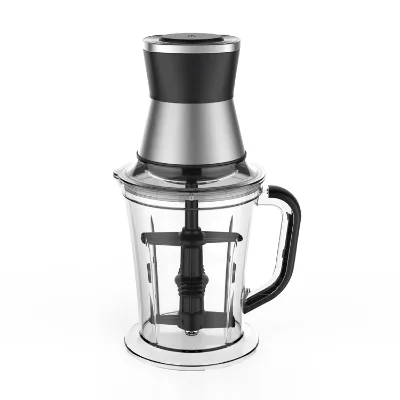
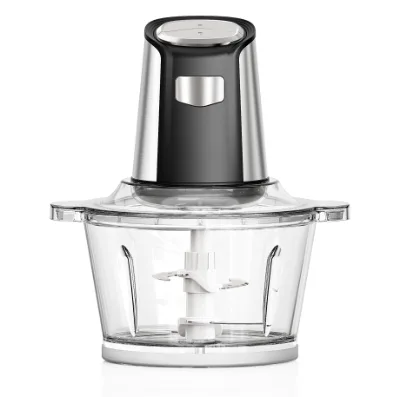
AC 220-240V Wholesale Stainless Steel Electric Meat Chopper for Kitchen Application
$8.15 - $10.19
MOQ: 2 Minimum

Winstar Electrical Enterprise Company Limited
- Verified by TUVRHEINLAND
- Combined
- China Guangdong
- Lead time30 days
- Avg. response≤ 2h
Main productsBlender, Food Processor, Food Chopper, Handmixer, Handblender, Juice Extractor, Citrus Juicer
Main marketsSouth America

Cixi Lotek Electrical Appliance Co., Ltd.
- Verified by SGS
- Manufacturer/Factory
- China Zhejiang
- Lead time30 days
- Avg. response≤ 8h
Main productsBlender, Hand Blender, Smoothie Blender, Hand Mixer, Food Processor, Portable Blender, Mini Chopper, Immersion Blender, Food Chopper, Coffee Grinder
Main marketsSouth America,Eastern Europe,Mid East,North America,Southeast Asia,Oceania,Western Europe,Africa


Mini Electric Food Processor Household Chopper with Chopping & Pureeing Functions for Meat
$4.30 - $4.60
MOQ: 2000 pieces

Traditional Electric Mini Food Chopper 2-Speed Household Mini Food Chopper
$4.50 - $4.60
MOQ: 2000 pieces


Mini Electric Food Chopper 2-Speed Household Meat Grinder with Copper Motor
$4.30 - $4.40
MOQ: 2000 Pieces

Foshan Greafor Import and Export Co., Ltd.
- Verified by BV
- Trading Company
- China Guangdong
- Lead time30 days
- Avg. response≤ 9h
Main productsBlender Glass Jar, Blender Blade, Glass Lampshade, Blender Lid and Base, Blender Spare Parts, Plastic Jar, Stainless Steel Blade, Blender Lip, Blender Machine, Blender Motor
Main marketsSouth America,Africa,Australia,North America

Factory Food Blender Kitchen Household Electric Automatic Speed Meat Chopper
$5.50 - $7.00
MOQ: 1000 Pieces


Taizhou Classical Electric & Mechanical Co., Ltd.
- Trading Company
- China Zhejiang
- Lead time23 days
- Avg. response≤ 25h
Main productsMeat Mincer, Band Saw, Planetary Mixer, Potato Peeler, Dough Maker, Sausage Maker, Food Mixer, Meat Slicer
Main marketsSouth America,Eastern Europe,Mid East,Eastern Asia
Zhongshan Fengye Electrical Appliances Co., Ltd.
- Verified by SGS Group
- Manufacturer, Trading Company
- Lead time30 days
- Avg. response≤ 7h
Main productsHot Plate, Infrared Cooker, Deep Fryer, Raclette Grill, Smokeless Grill
Main marketsEastern Asia(52%), Western Europe(18%), Mid East(8%)

Zhengzhou Honest Machinery Co., Ltd.
- Trading Company,Manufacturer/Factory
- China Henan
- Lead time15 days
- Avg. response≤ 8h
Main productsFood Machinery, Packing Machines, Microwave Equipment, Drying Machines, Grain Product Making Machines, Commodity Making Machines, Texitle Machines, Construction Machinery
Main marketsSouth America,Eastern Europe,Mid East,North America,Southeast Asia,Eastern Asia,Oceania,Western Europe,Africa


Factory Direct Sale Electric Vegetable Chopper / Meat Bowl Cutter / Meat Bowl Chopper
$1289.00 - $2289.00
MOQ: 1 set


Yongkang Dili Industry and Trade Co., Ltd.
- Verified by CTI
- Combined
- China Zhejiang
- Lead time15 days
- Avg. response≤ 1h
Main productsMeat Grinder, Bone Saw, Arabic Bread Maker, Juicer, Burger Machine, Meat Slicer, Ice Crusher
Main marketsDomestic

Stable Performance 110V Household Electric Meat Grinder Mincer Chopper for Meal Prep
$228.43 - $285.52
MOQ: 1 Pieces

Steady Function Household Electric Meat Mincer Chopper Grinder for Regular Family Dinners
$139.43 - $193.52
MOQ: 1 Pieces

High Quality Household Electric Meat Mincer Chopper Grinder for Home Use
$228.43 - $285.52
MOQ: 1 Pieces

Durable Stainless Steel Electric Meat Grinder Mincer Chopper for Family Kitchen Use
$139.43 - $193.52
MOQ: 1 Pieces

Household Electric Meat Grinder Chopper Mincer for Camping Outdoor Cooking
$228.43 - $285.52
MOQ: 1 Pieces

Sturdy Assembly Household Electric Meat Grinder Chopper Mincer for Holiday Meal Planning
$139.43 - $193.52
MOQ: 1 Pieces
Bazhou Junjing Electric Co., Ltd.
- Verified by SGS Group
- Manufacturer, Trading Company
- Lead time30 days
- Avg. response≤ 3h
Main productsGrinder, Meat grinder, Blender, Food processor, Juice blender
Main marketsDomestic Market(70%), South America(8%), Mid East(8%)

Zhengzhou Chengzhimu Machinery Equipment Co., Ltd
- Verified by CTI
- Combined
- China Henan
- Lead time15 days
- Avg. response≤ 2h
Main productsAgricultural Machinery, Construction Machinery, Mining Machinery, Food Machinery
Main marketsDomestic

Cixi Hometaste Electrical Appliance Co., Ltd
- Trading Company
- Zhejiang, China
- Lead time0 days
- Avg. response≤ 8h
Main productsHome Appliance,Kitchen Appliance,Deep Fryer,Milk Frother,Candy Floss Maker
Main marketsNorth America(50.00%), Western Europe(20.00%), Southern Europe(10.00%), South America(10.00%), Northern Europe(10.00%)

Zhongshan Yuekon Electrical Appliances Co., Ltd.
- Manufacturer/Factory
- China Guangdong
- Lead time45 days
- Avg. response≤ 9h
Main productsTea Maker, Coffee Kettle, Juicer Blender, Samavar, Fruit Juice Extractor, Cool Mist Ultrasonic Humidifier, Soya Milk Maker
Main marketsSouth America,Eastern Europe,Mid East,North America,Southeast Asia,Eastern Asia,Oceania,Western Europe
Jining Shenghao International Trade Co., Ltd.
- Trading Company
- Shandong, China
- Lead time20 days
- Avg. response≤ 18h
Main productsKitchen appliances,Clean household appliances,Water treatment equipment,Air handling appliances
Main marketsWestern Europe(20.00%), Eastern Europe(20.00%), North America(20.00%), South Asia(15.00%), Africa(10.00%), Mid East(10.00%), Eastern Asia(5.00%)

Shandong EPS Machinery Co., Ltd.
- Verified by SGS
- Trading Company
- China Shandong
- Lead time15 days
- Avg. response≤ 2h
Main productsFruit Vegetable Processing Machine, Meat Processing Solution, Prepared Food Processing Machine, Food Packing Solution, Food Sterilization Solution, Container Washing Processing Machine, Sausage Making Production Line, French Fries and Potato Chips Production Line
Main marketsSoutheast Asia/ Mideast,North America

Zhongshan J Power Electrical Appliances Co., Ltd.
- Manufacturer, Trading Company
- Guangdong, China
- Lead time25 days
- Avg. response≤ 8h
Main productsFood Chopper, Juice Extractor, Blender, Hand Mixer, Electric Grill
Main marketsMid East(30.00%), Southeast Asia(30.00%), North America(20.00%), South America(5.00%), Western Europe(5.00%), Africa(5.00%), Eastern Europe(5.00%), South Asia(0.00%), Eastern Asia(0.00%), Oceania(0.00%), Southern Europe(0.00%), Central America(0.00%), Northern Europe(0.00%), Domestic Market(0.00%)

Zhengzhou Bogen Machinery Equipment Co., Ltd.
- Verified by CTI
- Trading Company
- China Henan
- Lead time30 days
- Avg. response≤ 4h
Main productsPeanut Butter Machine, Spice Grinder, Meat Grinder, Meat Slicer, Meat Chopper, Potato Washing and Peeling Machine, Vegetables and Fruits Cutting Machine, Sausage Stuffer, Sausage Filler, Sausage Making Machine
Main marketsAfrica,Europe,North America


Excellent Quality Good Performance Hot Sell Fresh Meat Chopper/Grinder
$3000.00 - $10000.00
MOQ: 1 Sets

Ningbo Boruoli Electric Appliance Co., Ltd.
- Trading Company
- Zhejiang, China
- Lead time25 days
- Avg. response≤ 9h
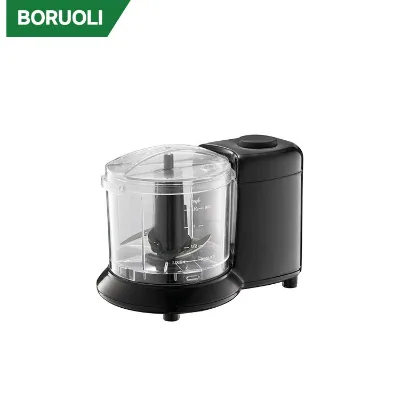
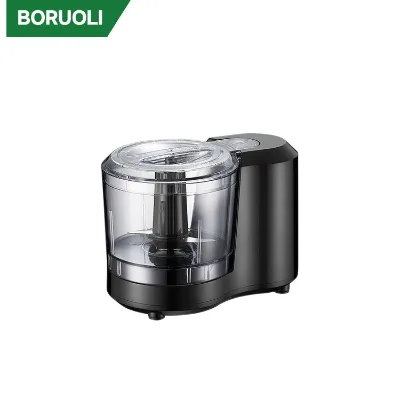
Main productsCoffee Grinder,Mini Chopper,Personal Blender
Main marketsNorth America(60.00%), Western Europe(10.00%), Southeast Asia(10.00%), Northern Europe(10.00%), Southern Europe(5.00%), Eastern Europe(5.00%)








Comprehensive Sourcing Guide
Electric Household Meat Chopper Supplier Concentration and Factory Types
The available data indicates a significant concentration of manufacturers and combined trading entities located in Guangdong, China, specifically within the Zhongshan area. This region serves as a primary hub for small kitchen appliances, including electric meat choppers, blenders, and food processors. When evaluating potential partners, buyers should prioritize suppliers whose listed location matches this high-confidence geographic cluster, as it often correlates with established supply chains for stainless steel components and motor assembly. The presence of multiple product lines such as juice extractors and hand-held mixers alongside meat choppers suggests these facilities possess versatile manufacturing capabilities.
Factory types in this sector vary between pure manufacturers and combined entities that may blend production with trading functions. Some suppliers are explicitly identified as manufacturers, while others operate as combined firms, potentially offering a broader range of sourcing options. Buyers must distinguish between these models by examining the company type field in supplier profiles. A manufacturer typically controls the production process directly, which can influence lead times and customization flexibility. In contrast, a combined entity might leverage a network of factories, potentially offering different pricing structures or faster response times for standard orders. Verifying the specific operational model is essential before committing to a partnership.
How to Verify Electric Household Meat Chopper Suppliers
Verification of supplier credentials requires a careful review of specific certification data and response metrics provided in the search results. Some suppliers in the current dataset display third-party verification marks, such as TÜV Rheinland, which serves as a tangible indicator of quality management system compliance. Buyers should look for these explicit verification badges rather than assuming general reliability. Additionally, response times vary significantly across the supplier pool, with some entities showing response speeds under two hours while others take up to five hours. A faster response time often correlates with better communication channels and more active account management, which is critical for resolving technical queries regarding voltage or blade specifications.
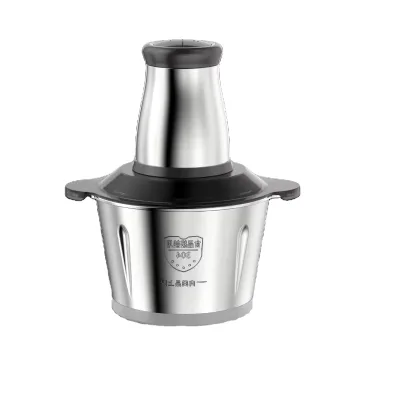
Beyond certifications and speed, buyers must scrutinize the detailed product attributes to ensure the supplier can meet specific technical requirements. The data shows variations in power ratings, with some units operating at 300W and others at 350W, alongside differences in housing materials like plastic versus stainless steel. Certifications such as CE, EU, and LFGB are present for certain models, indicating compliance with international safety and food contact standards. However, not every supplier lists these certifications, so buyers should explicitly request proof of compliance for their target markets. Relying solely on the absence of negative information is insufficient; active verification of the specific attributes listed in the product evidence is necessary to confirm the supplier's capability to deliver the required product specifications.
What to Compare Across Electric Household Meat Chopper Suppliers
When comparing suppliers, the primary dimensions to evaluate include lead times, minimum order quantities, and pricing structures, all of which vary across the available results. Lead times in the dataset range from 30 to 35 days, indicating a standard production window that buyers must factor into their inventory planning. Minimum order quantities (MOQ) also differ, with some suppliers accepting orders as low as one unit, while others require bulk purchases of 1000 units. This disparity means that buyers with different volume needs must carefully select partners that align with their specific procurement strategy. A supplier with a low MOQ might be ideal for testing the market, whereas a high-volume supplier could offer better economies of scale for established retailers.
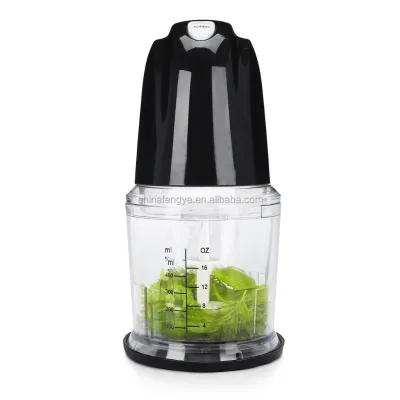
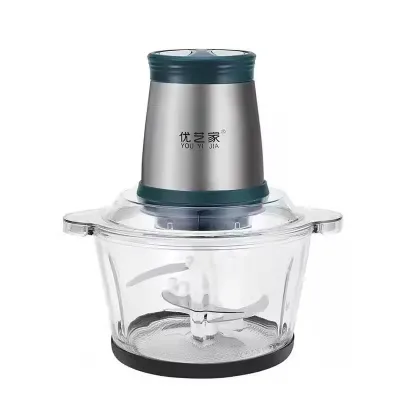
Pricing and product specifications provide another critical layer for comparison. The observed price points for electric meat choppers range from approximately $5.80 to $10.19, depending on the model and capacity. Some units feature glass bowls with capacities up to 2 liters, while others use plastic bowls or offer different blade configurations. Buyers should compare these attributes against their target retail price points to ensure profitability. Additionally, the presence of OEM services and customization options, such as color variations or specific voltage requirements, should be weighed against the supplier's ability to deliver. A supplier offering a lower price but lacking customization flexibility may not be suitable for brands requiring unique product differentiation.
Common Electric Household Meat Chopper Sourcing Risks
One significant risk in sourcing electric meat choppers involves the inconsistency of after-sales support and warranty provisions. The current data reveals that several product listings explicitly state "None" for warranty and after-sales service provided. This absence of support creates a potential liability for buyers who may face issues with motor failures or blade degradation after the initial sale. Without a clear warranty policy, the burden of handling returns or repairs falls entirely on the buyer or the end consumer. Buyers must proactively negotiate service terms with suppliers who do not list standard warranties, ensuring that a clear agreement is in place before production begins to mitigate this risk.
Another risk pertains to the variability in product materials and safety certifications across different supplier offerings. While some products list stainless steel blades and housing, others specify plastic housings, which may affect durability and food safety perceptions. Furthermore, the presence of certifications like CE or LFGB is not universal; some listings lack these critical compliance markers. Relying on a supplier without verified certifications can lead to customs delays or legal issues in regulated markets. Buyers should treat the absence of certification data as a red flag and demand third-party test reports before finalizing any order. Ensuring that the specific materials and safety standards match the destination market's regulations is essential to avoid costly compliance failures.
Electric Household Meat Chopper Regional Sourcing and Logistics
The geographic concentration of suppliers in Guangdong, China, particularly in Zhongshan, offers logistical advantages but also requires careful planning for international shipping. The port of dispatch for some suppliers is explicitly listed as Zhongshan, which simplifies the initial logistics chain for buyers sourcing from this region. However, buyers must verify the specific port of loading for each order, as this can impact transit times and freight costs. The proximity of these manufacturers to major shipping hubs in the Pearl River Delta generally facilitates efficient export processes, but buyers should confirm the exact logistics arrangements with their chosen supplier to avoid unexpected delays.
Lead times and production capacity are also critical factors in regional sourcing strategies. The observed lead times of 30 to 35 days suggest a standard production cycle that buyers must accommodate in their supply chain planning. Some suppliers indicate a supply ability of 2000 pieces per day, which can be a significant advantage for large orders. However, buyers should confirm if this capacity is consistent during peak seasons or if it fluctuates based on order volume. Understanding the supplier's production rhythm and their ability to scale up or down is vital for maintaining a steady flow of goods. Buyers should also consider the impact of regional holidays or manufacturing constraints that might extend lead times beyond the standard window.
Electric Household Meat Chopper Commercial Terms and Order Planning
Commercial terms for electric meat choppers vary significantly regarding pricing, payment structures, and order flexibility. The data shows a wide range of unit prices, from roughly $5.80 to $10.19, which suggests that buyers have room to negotiate based on volume and specific product configurations. Some suppliers accept OEM services, allowing for branding and customization, while others may have stricter terms regarding minimum order quantities. Buyers should clarify the payment terms and any additional costs associated with customization, such as mold fees or packaging changes, before placing an order. Understanding the full cost structure is essential for accurate margin calculations and financial planning.
Order planning must also account for the specific product attributes and packaging details provided by the supplier. Packaging information, such as the number of pieces per carton and the net weight, is crucial for calculating shipping costs and warehouse space requirements. For instance, some products are packed in gift boxes with polyfoam, while others may have different packaging standards. Buyers should request detailed packing lists to ensure that the shipping dimensions align with their logistics partners. Additionally, the voltage specifications, ranging from 220V to 100-240V AC, must match the electrical standards of the target market. Verifying these technical details early in the planning phase prevents costly errors and ensures that the final product is ready for immediate sale upon arrival.
FAQs
What is the price range for electric meat choppers?
Prices for electric meat choppers typically range from approximately 5.80 to 10.19 USD per unit. The final cost depends on specific features such as bowl capacity, housing material, and included accessories. Buyers should check individual product listings for exact pricing tiers based on order volume and customization requirements.
What is the minimum order quantity for these products?
Minimum order quantities vary significantly by supplier and product model. Some manufacturers accept orders as low as one unit for sample testing, while others require a minimum of 1000 pieces for bulk production. Buyers must verify the specific MOQ for each item to ensure it aligns with their procurement strategy.
How long does production take for these choppers?
Standard lead times for electric meat choppers generally range from 30 to 35 days. This timeframe covers manufacturing, quality control, and packaging preparation. Buyers should confirm exact delivery schedules with suppliers, as rush orders or custom OEM requirements may extend the production period beyond standard estimates.
Are these choppers suitable for commercial use?
Yes, many electric meat choppers are designed for hotel, commercial, and household applications. Products often feature stainless steel blades and robust motors to handle frequent use. Buyers should verify power ratings and duty cycle specifications to ensure the selected model meets the demands of high-volume commercial kitchen environments.
What certifications are available for these appliances?
Certifications such as CE, EU, and LFGB are available for select electric meat chopper models. These certifications indicate compliance with specific safety and material standards for the European market. Buyers requiring these credentials should explicitly request certification documents from suppliers during the inquiry process to verify product compliance.
Where are these manufacturers located?
Most suppliers for electric meat choppers are located in Guangdong, China. This region is a major hub for small kitchen appliance manufacturing. Buyers can expect efficient logistics and supply chain integration from these locations, though specific factory addresses should be verified during direct communication with potential vendors.