Source Home Use Spin Bike for gyms, homes, and fitness centers
Compare 30 verified Home Use Spin Bike listings featuring magnetic and friction resistance, leather belt or chain transmission, and customizable logos. Buyers can evaluate models like EPK108 and JF-1004 from Chinese manufacturers with CE, FCC, and RoHS certifications.
Key considerations
Products List


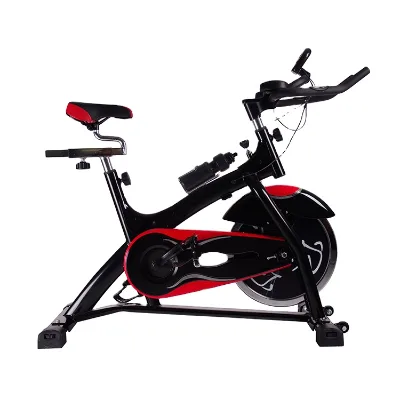


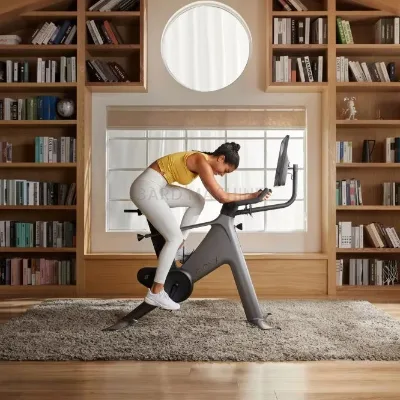


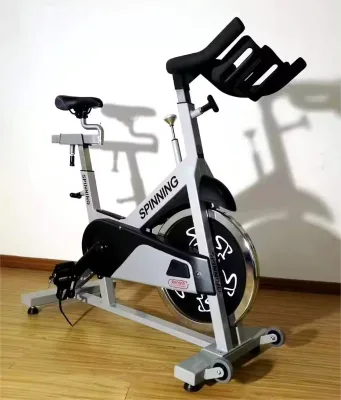


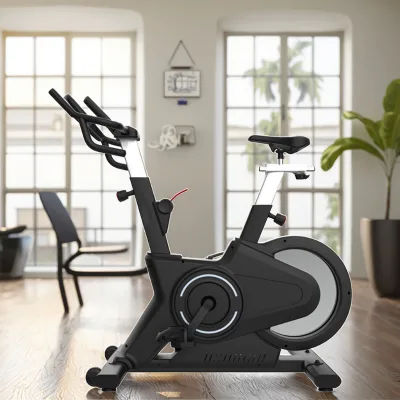

Home Use Exercise Bike Sports Spinning Bikes Indoor Fitness Equipment Spinning Bicycle
$60.00 - $150.00
MOQ: 2 Pieces

Comprehensive Sourcing Guide
Strategic Sourcing Guide for Home Use Spin Bikes
The global market for home fitness equipment has expanded significantly, with indoor cycling remaining a dominant category for residential and commercial applications. For procurement professionals and business buyers, sourcing a Home Use Spin Bike requires a disciplined approach that balances technical specifications, regulatory compliance, and supply chain reliability. This guide synthesizes available market data to provide a framework for evaluating potential suppliers and products, ensuring that procurement decisions are grounded in verified facts rather than marketing assertions.
Technical Architecture and Mechanical Specifications
The core functionality of a spin bike relies on its resistance mechanism, transmission system, and flywheel dynamics. When evaluating products, buyers must distinguish between friction-based and magnetic resistance systems, as these dictate the user experience and maintenance requirements. The available market data indicates the presence of both Resistance Mechanisms: Magnets and Resistance Mechanisms: Friction. Magnetic resistance systems typically offer a quieter operation and smoother resistance curve, which is often preferred for home environments where noise sensitivity is a factor. Conversely, friction-based systems may offer a different tactile feel but often require more frequent maintenance due to pad wear.
The transmission mode is another critical technical differentiator. The observed product attributes highlight two primary modes: Leather Belt and Chain. Belt drives are generally associated with reduced noise and lower maintenance needs compared to chain drives, which can be noisier and require regular lubrication. The flywheel weight is a primary indicator of the bike's stability and the smoothness of the pedal stroke. Data points reveal flywheel weights ranging from 10-20 kg, with specific observations of 13kgs, 18kgs, and 22kgs. A heavier flywheel, such as the 18 Kg or 22kgs variants, typically provides a more inertial, road-like feel, which is essential for high-intensity interval training (HIIT) and serious cycling workouts.
Physical dimensions and portability are also vital for home use. While some models are designed as permanent fixtures, others prioritize space efficiency. The specifications show a mix of Folded: Unfolded and Foldable: No attributes, indicating that not all units are designed for compact storage. The standard product size is listed as 125X50X103CM, while other standards cite 11606001240mm or 10105201010mm. Buyers must verify that the unit's footprint fits their intended space. Additionally, the Single gross weight of 20.0 kg and Single package size of 50X23X81 cm are crucial for calculating shipping costs and determining if the unit can be maneuvered through standard residential doorways.
Compliance, Certification, and Safety Standards
In the B2B procurement of fitness equipment, regulatory compliance is non-negotiable. Products intended for the European and North American markets must adhere to specific safety and environmental standards. The observed product attributes list several certifications, including CE, FCC, RoHS, and GS. The CE marking indicates conformity with health, safety, and environmental protection standards for products sold within the European Economic Area. RoHS (Restriction of Hazardous Substances) ensures that the bike does not contain specific hazardous materials, which is critical for environmental compliance and waste disposal regulations. FCC certification is relevant for any electronic components, ensuring they do not emit excessive electromagnetic interference. The GS mark (Geprüfte Sicherheit) is a German safety certification that is highly regarded for its rigorous testing protocols.
It is important to note that certification status varies by supplier and specific model. While some listings show a comprehensive suite of CE, FCC, RoHS, GS, others may only display CE, RoHS. Buyers must request valid, current certification documents for the specific model number they intend to purchase, rather than relying on general claims. The absence of a specific certification in a listing does not necessarily mean the product is non-compliant, but it requires further verification. Additionally, the prod_standard values, such as 11606001240mm, often relate to dimensional standards rather than safety certifications, so buyers should not conflate physical dimensions with regulatory compliance.
Cost Drivers and Pricing Dynamics
Understanding the cost structure of spin bikes is essential for budgeting and margin analysis. The observed listed price range in the market spans from 1 to 2999 USD, a wide variance that reflects differences in build quality, brand positioning, and feature sets. The MOQ (Minimum Order Quantity) is a significant cost driver, with observed ranges from 1 to 250 units, and specific listings showing an MOQ of 100pcs. Higher MOQs often correlate with lower per-unit costs, but they also increase the financial risk for the buyer.
Material composition is another primary cost factor. The Material is identified as Metal, which is the industry standard for durability. However, the grade of metal, the thickness of the frame, and the quality of the bearings and flywheel housing will significantly impact the final price. The Packing specifications, ranging from Carton to Polybag+Carton+Wooden Case, also influence costs. Wooden cases are typically more expensive but offer superior protection for international shipping, reducing the risk of damage and associated returns. Buyers should evaluate whether the added cost of premium packaging is justified by the fragility of the product and the shipping distance.
Application Scenarios and User Demographics
While the core keyword is "home use," the market data reveals that these products are versatile and serve multiple applications. The Application attribute lists Home, Gymnasium, and Home Use, indicating that the same models can be deployed in residential settings, commercial gyms, or fitness studios. The Gender attribute is listed as Unisex, confirming that the design is generally inclusive, though the Color options—Red, Black, Yellow, Silver And Require By Client—allow for customization to match specific branding or interior design themes.
The Condition is consistently listed as New, and the Type is specified as Exercise Bike. The Feature attribute highlights Durable, which is a key expectation for home equipment that may see heavy, daily use. For buyers targeting the home market, the Foldable: No attribute suggests that many units are designed for permanent placement, which may require buyers to consider the target customer's living space constraints. Conversely, the Customization: Available and Support for Customized Logo indicate that these bikes can be rebranded for private label opportunities, allowing retailers to create a unique product identity.
Supplier Evaluation and Geographic Origins
Supplier selection is a critical step in the procurement process. The data indicates that products originate from several regions in China, specifically Shandong, China, Zhejiang, China, and Anhui, China. These regions are known for their manufacturing capabilities in the fitness equipment sector. When evaluating suppliers, buyers should verify the specific Place of Origin to ensure it aligns with their quality expectations and logistics strategy.
The Brand Name is often listed as OEM, suggesting that many suppliers operate on a private label basis. This is advantageous for buyers looking to create their own brand. The Logo: Accept Customized Logo and Customize: Support attributes confirm that suppliers are generally open to branding requests. However, buyers must assess the supplier's capacity to handle custom orders without compromising quality or lead times. The Selling Units are listed as Single item, which implies flexibility in order sizes, but the MOQ of 100pcs suggests that bulk orders are preferred for optimal pricing.
Quality Control and Long-Term Procurement Considerations
Ensuring product quality requires a robust quality control (QC) strategy. Given the Material: Metal construction and the mechanical complexity of the Resistance Gear and Transmission Mode, buyers should implement pre-shipment inspections. Key areas to inspect include the stability of the Flywheel, the smoothness of the Leather Belt or Chain transmission, and the integrity of the Brake: Magnetic system. The Resistance Mechanisms should be tested for consistency across the full range of resistance levels.
Long-term procurement considerations involve the availability of spare parts and the durability of the product. The Feature: Durable attribute is a claim that must be validated through real-world testing or third-party reviews. Buyers should inquire about the warranty terms and the supplier's policy on replacing worn parts like resistance pads or belts. The prod_packing: Carton and Packing: Polybag+Carton+Wooden Case options should be evaluated based on the shipping route; rough handling during transit can compromise the structural integrity of the bike.
Furthermore, the prod_standard dimensions must be verified against the actual product to ensure they match the specifications provided. Discrepancies in size can lead to customer dissatisfaction and returns. The Color: Optional and Require By Client attributes suggest that color consistency is a potential quality issue; buyers should request color samples before mass production to ensure the final product matches the approved standard.
Comparative Analysis of Product Attributes
To facilitate decision-making, the following table summarizes key attributes observed in the market data, highlighting the variations buyers must navigate.
| Attribute Category | Observed Variations | Procurement Implication |
|---|---|---|
| Resistance Mechanism | Magnets, Friction | Magnetic is quieter; Friction may require more maintenance. |
| Transmission Mode | Leather Belt, Chain | Belts are quieter; Chains are traditional but noisier. |
| Flywheel Weight | 10-20 kg (13, 18, 22 kg) | Heavier flywheels offer smoother rides; verify weight claims. |
| Certifications | CE, FCC, RoHS, GS (varies) | Verify specific certs for target markets; do not assume all apply. |
| Foldability | Folded/Unfolded, No | Check space requirements; "No" fold implies permanent setup. |
| Origin Locations | Shandong, Zhejiang, Anhui | Verify supplier capacity and logistics from specific provinces. |
| MOQ | 1-250 (100 pcs common) | Higher MOQs reduce unit cost but increase inventory risk. |
| Packing | Carton, Polybag+Carton+Wooden Case | Premium packing reduces damage risk but increases cost. |
Final Procurement Recommendations
Sourcing home use spin bikes requires a meticulous review of technical specifications, certification validity, and supplier capabilities. Buyers should prioritize products that offer a balance of Magnetic resistance and Leather Belt transmission for a premium home experience, while ensuring that CE and RoHS certifications are present for regulatory compliance. The wide range of MOQ values and Price points necessitates a clear definition of budget and volume requirements before engaging with suppliers.
When evaluating suppliers from Shandong, Zhejiang, or Anhui, buyers should request detailed product datasheets that confirm the prod_model numbers, such as EPK108, EPK122, XB06, or JF-1004. These model numbers serve as unique identifiers for the specific configuration of the bike. It is also essential to verify the Single gross weight and Single package size to accurately calculate shipping logistics. Finally, the ability to customize the Logo and Color should be confirmed early in the negotiation process to ensure that the final product aligns with the buyer's brand strategy. By adhering to these evidence-based guidelines, buyers can mitigate risks and secure high-quality spin bikes that meet the demands of the home fitness market.
FAQs
How does magnetic resistance differ from friction in these bikes?
Magnetic resistance offers quieter operation and smoother curves compared to friction systems. The available data confirms both mechanisms exist, with magnet types using flywheels between 10 and 22 kg for stability.
What certifications are typically required for export to Europe?
Products often carry CE, RoHS, and GS marks for European compliance. Some listings also include FCC for electronic components, but buyers must verify specific documents for each model number before ordering.
Which transmission mode provides the smoothest ride experience?
Leather belt drives generally provide a smoother and quieter ride than chain drives. The observed products utilize both types, with belts preferred for home environments where noise sensitivity is a priority.
Can I customize the logo and color of the spin bike?
Yes, suppliers support customized logos and offer optional colors like red, black, yellow, or silver. Many models are OEM branded, allowing buyers to create a unique identity for their retail brand.
What is the typical minimum order quantity for these bikes?
The minimum order quantity ranges from 1 to 250 units, with 100 pieces being a common threshold. Higher quantities often correlate with better per-unit pricing, though single-item sales are sometimes available.
Where are the primary manufacturing locations for these products?
Manufacturing originates from Shandong, Zhejiang, and Anhui provinces in China. These regions are known for fitness equipment production, and buyers should verify the specific place of origin for logistics planning.
How heavy is the flywheel on these exercise bikes?
Flywheel weights typically range from 10 to 22 kilograms, with specific models offering 13, 18, or 22 kg options. Heavier flywheels provide a more inertial, road-like feel essential for high-intensity training.