Source Common Rail Diesel Fuel Injector for Trucks, Generators, and Construction
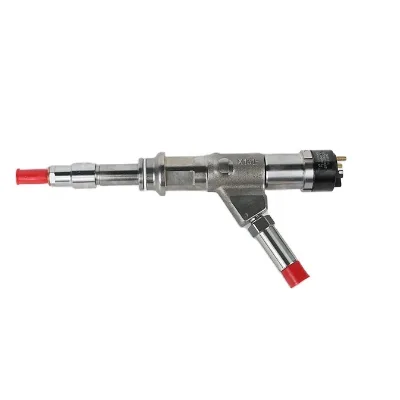
Find 30 Common Rail Diesel Fuel Injector options with varying models, certifications, and packaging. Buyers can compare specifications like voltage, stress parameters, and origin to select suitable units for heavy-duty applications.
Key considerations
Products List




Comprehensive Sourcing Guide
Common Rail Diesel Fuel Injector Sourcing Guide
Sourcing common rail diesel fuel injectors requires a disciplined approach to technical verification and supplier qualification, as these components are critical to engine performance, emissions compliance, and fuel efficiency. The market for these injectors is characterized by a wide variety of part numbers, varying conditions of new and remanufactured units, and diverse packaging standards that can impact both logistics and installation. Buyers must navigate a landscape where observed listing signals, such as price ranges and minimum order quantities (MOQs), provide initial context but do not guarantee suitability for specific engine applications. This guide outlines the essential steps for evaluating suppliers, verifying technical specifications, and ensuring long-term procurement reliability for common rail diesel fuel injectors.
The procurement process begins with a clear understanding of the product scope and the signals present in current market listings. By analyzing observed data points, such as the range of part numbers and packaging types, buyers can better anticipate the complexity of their sourcing strategy. It is crucial to distinguish between generic observations and specific product capabilities, ensuring that decisions are based on verified attributes rather than assumptions. This section provides a framework for interpreting market signals and setting realistic expectations for the sourcing journey.
Product Scope and Observed Listing Signals
The current market for common rail diesel fuel injectors exhibits a broad spectrum of part numbers and configurations, reflecting the diverse needs of various engine manufacturers and applications. Observed listings include specific model identifiers such as 0445120291, 0445120040, and 095000-0660, among others, indicating a high degree of specificity in component identification. These part numbers are not interchangeable and must be matched precisely to the engine’s requirements to ensure proper function. Buyers should treat these identifiers as primary verification points, cross-referencing them with engine manuals or OEM specifications before initiating any purchase orders. The presence of multiple part numbers in a single supplier’s catalog suggests a capability to serve a wide range of clients, but it also necessitates rigorous due diligence to ensure that each listed item corresponds to the correct technical specifications.
Packaging and origin details further influence the sourcing decision, as they impact logistics, handling, and potential customs considerations. Listings indicate origins in regions such as China and Germany, with packaging options ranging from original packaging to customizable carton solutions. The observed standard dimensions, such as 24147cm, and weights, like 0.85 kg, provide useful data for freight calculation and storage planning. However, buyers should verify these details with the supplier for each specific order, as variations may exist between batches or product lines. The availability of customization services, including logo and outer packaging adjustments, offers flexibility for branded distribution but requires clear communication of requirements to avoid misunderstandings. Understanding these logistical nuances helps in selecting suppliers who can meet both technical and operational needs efficiently.
Technical Specifications to Verify
Technical verification is the cornerstone of successful injector procurement, as even minor deviations in specifications can lead to engine failure or reduced performance. Key parameters to verify include voltage, current, and stress ratings, which define the electrical and mechanical limits of the injector. Observed data points suggest voltage parameters of 24 V and current parameters of 12 or 24, depending on the specific model. These electrical characteristics must align with the vehicle’s or machinery’s electrical system to prevent damage. Additionally, stress parameters, such as 1600 MPa or 2000 MPa, indicate the material’s ability to withstand high-pressure environments, a critical factor for common rail systems that operate at extreme pressures. Buyers should request detailed technical datasheets for each part number to confirm these values and ensure they match the application’s requirements.
Other critical specifications include the injector’s stroke type, fuel type, and body material, which determine its compatibility and durability. The observed attributes indicate a 4-stroke design, diesel fuel compatibility, and steel body construction, which are typical for robust industrial and automotive applications. The carburettor type, listed as horizontal draught, and cylinder configuration, noted as multi-cylinder, provide further context for engine integration. Buyers should also verify the condition of the injectors, as listings may offer both new and remanufactured options. Remanufactured units can offer cost savings but require assurance of quality and performance equivalence to new parts. Confirming these technical details through direct supplier communication or third-party testing ensures that the selected injectors will perform reliably in service.
Compliance and Safety Documentation
Compliance with international standards and safety regulations is essential for ensuring the quality and legality of imported fuel injectors. Observed certifications, such as ISO and ISOTS, suggest that some suppliers adhere to recognized quality management systems, which can provide confidence in their manufacturing processes. However, buyers should verify the validity and scope of these certifications, as they may not cover all aspects of the product or the specific manufacturing facility. The presence of CE marking, although noted with low confidence in the background data, indicates potential compliance with European safety standards, but this should be confirmed with up-to-date documentation. Buyers must ensure that all supplied injectors come with valid certificates of conformity and test reports that demonstrate compliance with relevant regional regulations.
Safety documentation also includes information on material composition and environmental impact, which are increasingly important in global procurement. The steel body material and electronic fuel saver type suggest a focus on durability and efficiency, but buyers should request material safety data sheets (MSDS) and environmental compliance statements. These documents help assess the environmental footprint of the product and ensure that it meets sustainability goals. Additionally, buyers should verify that the supplier provides clear instructions for installation and maintenance, which are crucial for safe operation. Proper documentation not only facilitates regulatory compliance but also supports long-term operational safety and reduces the risk of liability issues.
Cost Drivers and Commercial Terms
Understanding the cost drivers and commercial terms is vital for budgeting and negotiating favorable procurement agreements. The observed price range of 31-343 USD reflects the variability in injector types, conditions, and supplier pricing strategies. Factors influencing cost include the complexity of the injector design, the quality of materials used, and the extent of customization services offered. Buyers should analyze these cost components to identify opportunities for savings without compromising quality. For instance, opting for standard packaging or bulk orders may reduce per-unit costs, while custom branding or specialized testing may increase them. Transparent pricing structures and clear breakdowns of costs help buyers make informed decisions and avoid hidden fees.
Commercial terms, such as minimum order quantities (MOQs) and estimated delivery times (ETD), also impact the overall procurement strategy. Observed MOQs range from 1 to 10 units, with some listings specifying 4 or 6 pieces, indicating flexibility for small-scale buyers. ETDs vary from 3-7 to 7-15 work days, depending on the supplier’s production capacity and logistics arrangements. Buyers should negotiate terms that align with their inventory management and project timelines, ensuring timely delivery without excessive stockpiling. Clear agreements on payment terms, warranty coverage, and return policies are essential for mitigating financial risks. By carefully evaluating these commercial aspects, buyers can optimize their procurement process and achieve better value for money.
Supplier Qualification and Quality Control
Supplier qualification is a critical step in ensuring the reliability and consistency of fuel injector supplies. Buyers should conduct thorough due diligence on potential suppliers, verifying their business licenses, manufacturing capabilities, and quality control processes. The availability of customization services, such as logo and pattern adjustments, suggests that some suppliers offer value-added services, but buyers should assess whether these capabilities are supported by robust quality management systems. Requesting samples for testing and evaluation is a practical way to verify product quality before committing to larger orders. Buyers should also inquire about the supplier’s experience in the industry, their customer base, and any past performance issues to gauge their reliability.
Quality control measures should be integrated into the procurement process to ensure that delivered injectors meet specified standards. Buyers should establish clear quality criteria, including dimensional accuracy, electrical performance, and material integrity, and communicate these to the supplier. Implementing incoming inspection protocols, such as random sampling and functional testing, helps detect defects early and prevents faulty components from entering the production line. Collaborating with suppliers to improve their quality control processes can lead to long-term benefits, such as reduced defect rates and improved product consistency. Regular audits and performance reviews of suppliers ensure that they maintain high standards and continue to meet the buyer’s requirements.
Long-Term Procurement Checks
Long-term procurement success depends on continuous monitoring and evaluation of supplier performance and product quality. Buyers should establish key performance indicators (KPIs) to track metrics such as delivery timeliness, defect rates, and customer satisfaction. Regular feedback loops with suppliers facilitate continuous improvement and address any emerging issues promptly. Maintaining a diverse supplier base can mitigate risks associated with single-source dependencies, ensuring supply chain resilience. Buyers should also stay informed about industry trends, technological advancements, and regulatory changes that may impact the procurement of fuel injectors.
Building strong relationships with suppliers fosters collaboration and innovation, leading to better product offerings and service levels. Engaging in strategic partnerships, rather than transactional relationships, can result in preferential treatment, such as priority production slots or exclusive access to new products. Buyers should also invest in training their procurement teams to stay updated on best practices and emerging technologies in the fuel injector market. By adopting a proactive and strategic approach to long-term procurement, buyers can secure a reliable supply of high-quality common rail diesel fuel injectors, supporting their operational efficiency and competitive advantage.
FAQs
What certifications are available for these fuel injectors?
ISO certifications are available for the fuel injection devices, including ISOComponent and ISOTS standards. These documents verify that the manufacturing processes meet established quality management requirements. Buyers should request specific certification copies during the inquiry phase to ensure compliance with their regional regulatory standards and internal procurement policies.
Can I customize the packaging for bulk orders?
Yes, customization is available for outer packaging, logos, and patterns. The standard packing is often carton-based, but original or custom packaging options can be arranged. This service allows buyers to maintain brand visibility or meet specific logistical requirements during international shipping and warehousing operations.
What is the typical lead time for delivery?
The estimated delivery time ranges from 3 to 15 working days depending on the specific model and order volume. Some standard items may ship within 3-7 days, while others require 7-15 days. Buyers should confirm the exact ETD with the supplier before finalizing the purchase order to align with their production schedules.
Which models are compatible with diesel engines?
The product line includes various models such as 0445120291, 0445120040, and 095000-0660, designed for diesel fuel systems. These injectors support 4-stroke engines and operate with electronic fuel saver types. Buyers must verify the specific part number against their engine specifications to ensure proper fitment and performance.
What is the minimum order quantity for these parts?
The MOQ varies by supplier, typically ranging from 1 to 10 pieces, with some requiring 4 or 6 units. This flexibility supports both trial orders and larger procurement needs. Buyers should check the specific MOQ for each model to determine the most cost-effective purchasing strategy for their inventory requirements.
Are these injectors new or remanufactured?
Products are available in both new and remanufactured conditions. This option allows buyers to select based on budget constraints and performance expectations. Remanufactured units undergo testing to meet operational standards, while new units offer factory-fresh specifications. Buyers should specify their preferred condition when requesting quotes to receive accurate pricing.