Source Common Rail Injector Measuring Tools for Repair
Find reliable Common Rail Injector Measuring Tools for valve adjustment and shim verification. Compare 30 listings from Chinese suppliers to identify suitable options for Daewoo and truck maintenance needs; compare the available evidence and request quotations based on your requirements.
Key considerations
Products List
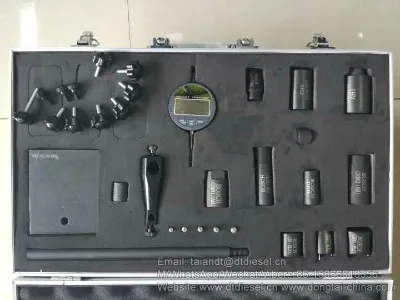
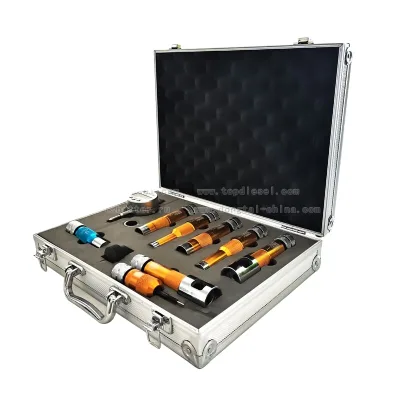
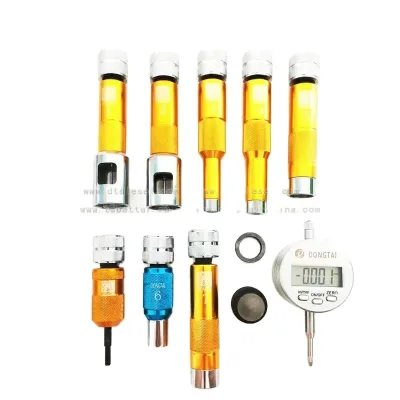
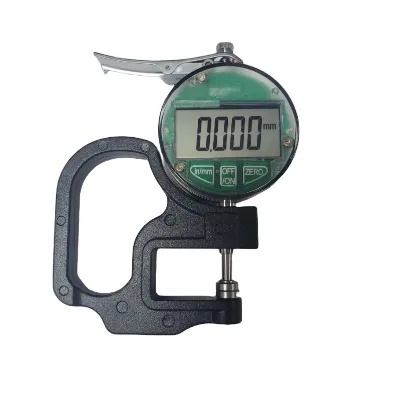
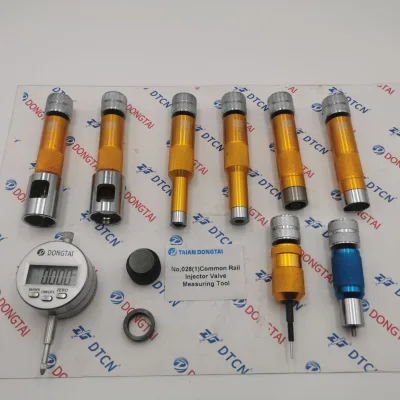
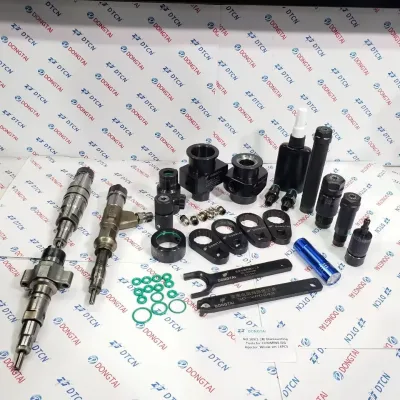
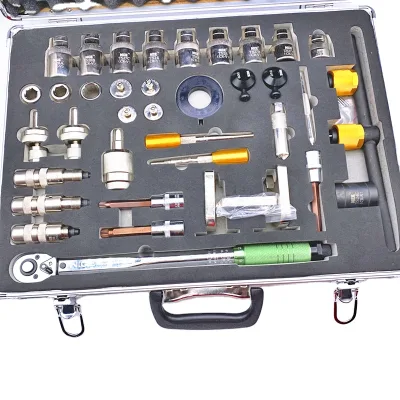
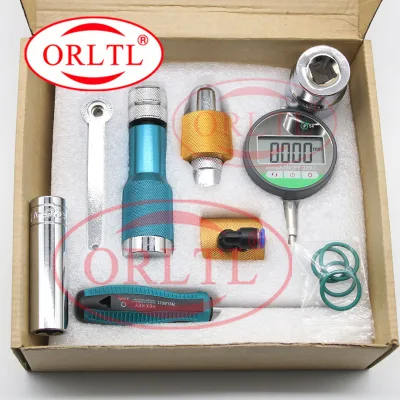
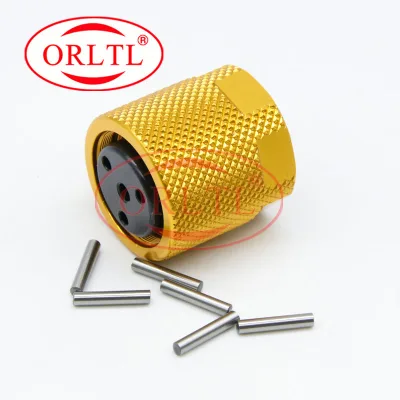
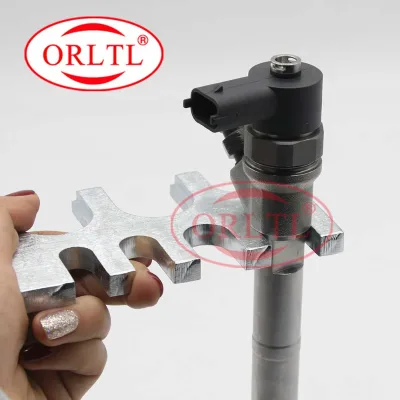
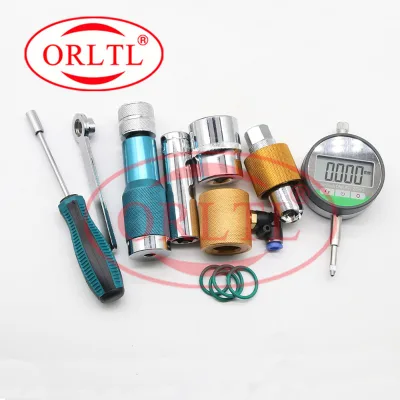
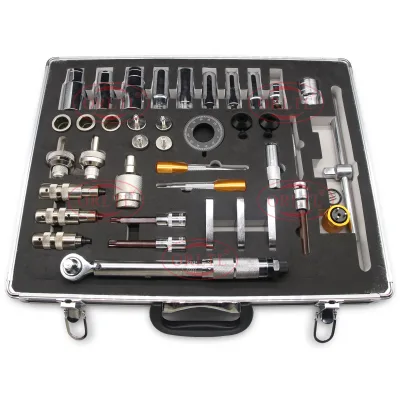
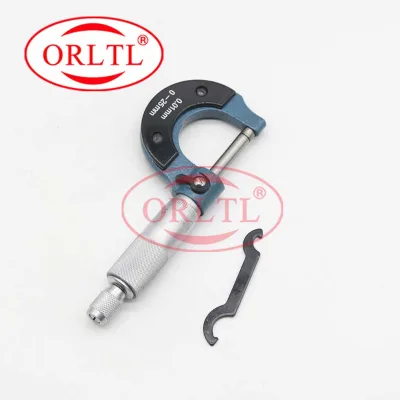
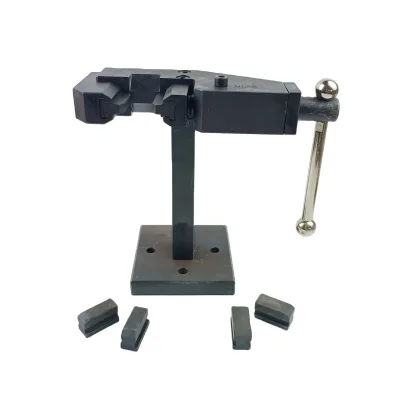
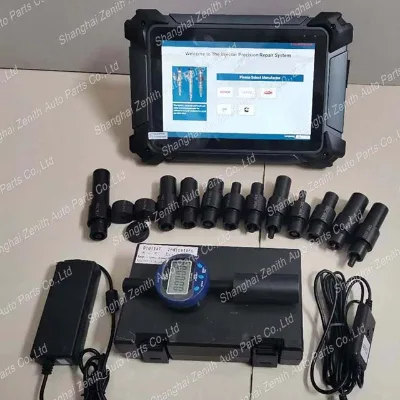
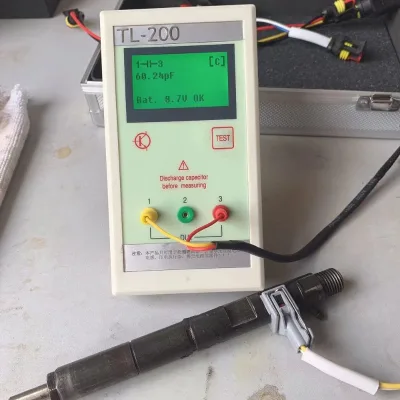
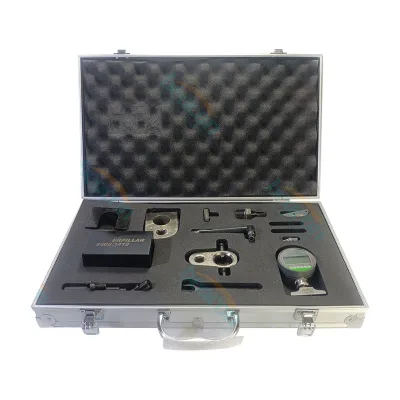
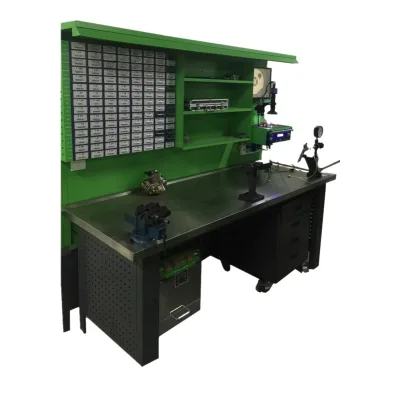
Automobile Repair Stainless Steel Common Rail Injector Repair Tools Worktable
$188.00 - $2100.00
MOQ: 1 Minimum
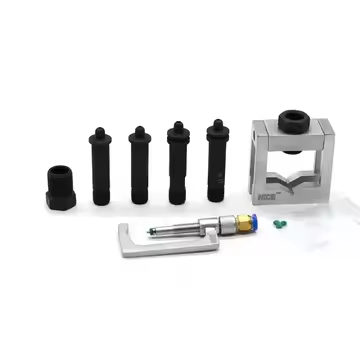
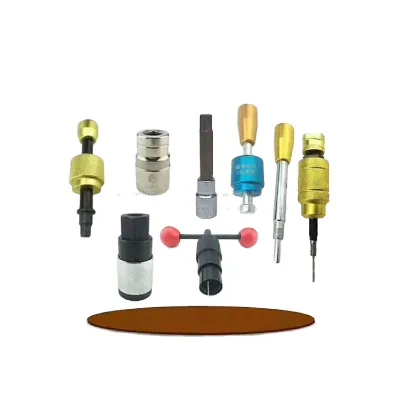




Comprehensive Sourcing Guide
Common Rail Injector Measuring Tools Sourcing Guide
Procuring common rail injector valve measuring tools requires distinguishing between general inspection kits and specialized shim adjustment instruments. The market offers distinct variations, ranging from basic steel valve measuring tools to precision devices designed for specific car models like Daewoo or heavy-duty trucks. Buyers must first identify whether their operational need involves general valve measurement or the precise adjustment of injector shims, as the functional requirements dictate the necessary tool complexity and accuracy range.
Sourcing decisions should also account for the specific packaging and dispatch logistics observed in current listings. While some suppliers offer standard carton packaging with a single gross weight of 4.000 kg, others provide customized wooden boxes or specific dimensions like 30x30x8 cm to ensure safe transit. Understanding these physical attributes is critical for calculating freight costs and ensuring the tools arrive undamaged, particularly when the supply chain originates from major manufacturing hubs in Shandong, China, and utilizes ports like Qingdao for international dispatch.
Product Scope and Observed Listing Signals
The observed product scope reveals a significant variance in tool specifications, including model numbers that range from generic identifiers to specific applications for common rail injectors. Listings indicate that some units are designed for replacing or repairing injectors, while others function strictly as measuring tools with a range of 0-1mm and a precision of 0.001mm. This distinction is vital for buyers, as a tool suitable for general valve measurement may lack the specific calibration required for fine-tuning injector shims in high-pressure fuel systems.
Buyers must carefully evaluate the listed selling units and warranty terms, which vary from single-item sales to set-based offerings with warranties ranging from six months to one year. The presence of multi-language support and online updates suggests that some advanced tools may include digital interfaces or software components, whereas others remain purely mechanical. Verifying the exact product name, such as "Measuring tools of shims" versus "Common rail injector valve measuring tool," ensures the procurement matches the specific maintenance protocol required for the target vehicle fleet.
Technical Specifications to Verify
Technical verification must begin with the material composition and physical dimensions of the tool, as listings confirm the use of steel and varying package sizes like 15x10x5 cm or 52x40x20 cm. The single gross weight is another critical specification, with observed values ranging from 1.000 kg to 5.000 kg, which directly impacts shipping calculations and handling requirements on the shop floor. Buyers should confirm that the material grade meets the durability standards necessary for repeated use in demanding automotive repair environments without compromising measurement accuracy.
Precision ranges and functional capabilities are equally important, with some tools explicitly stating a measurement range of 0-1mm at 0.001mm intervals. It is essential to verify if the tool supports the specific car models in question, such as Daewoo passenger cars or heavy-duty trucks, as the fitment requirements differ significantly between these categories. Additionally, checking the OE number compatibility, even if listed as "NA" or "Measuring Tool," helps ensure the instrument is compatible with the specific injector valve geometry and shim sizes used in the target engine systems.
Compliance and Safety Documentation
While specific certification documents are not explicitly detailed in the provided listings, buyers should request evidence of professional testing and quality assurance protocols. The observed attribute of "100% Professional Test" suggests a baseline quality control measure, but procurement teams must verify if this testing aligns with international safety standards for automotive diagnostic equipment. Ensuring that the tool has undergone rigorous validation is crucial to prevent inaccurate readings that could lead to improper fuel system adjustments or engine damage.
Safety documentation should also cover the operational guidelines and maintenance requirements for the measuring tools. Buyers need to confirm that the supplier provides clear instructions on how to handle the steel components and maintain the precision of the measuring range over time. Although the listings mention a warranty period, understanding the scope of this coverage regarding mechanical failure or calibration drift is necessary to mitigate risks associated with long-term use in professional repair shops.
Cost Drivers and Commercial Terms
Cost structures for these tools are influenced by the supply ability, which varies between 50 and 1000 sets per month, and the complexity of the packaging required. Suppliers offering customized packing or wooden boxes may incur higher logistics costs, which are often reflected in the final price. Buyers should analyze the relationship between the observed price range of 2 to 3800 USD and the specific features offered, such as multi-language support or digital updates, to determine the true value proposition of each listing.
Commercial terms regarding payment and delivery time are critical factors in the final procurement decision. The observed payment methods include TT, PayPal, Western Union, and Trade Assurance, offering varying levels of financial security for the buyer. Delivery times range from 3-7 days to 7-15 days, and understanding these lead times is essential for planning inventory replenishment. Buyers must also consider the minimum order quantity, which is typically 1 piece or set, allowing for flexible purchasing strategies without the burden of large initial stock commitments.
Supplier Qualification and Quality Control
Supplier qualification should focus on the consistency of their supply ability and the reliability of their dispatch ports. With a primary place of origin in Shandong, China, and a dispatch port at Qingdao, buyers can assess the logistical efficiency of the supplier based on their established shipping routes. Verifying the supplier's capacity to deliver 1000 sets per month versus 50 sets per month helps gauge their ability to handle bulk orders or urgent replacement needs without significant delays.
Quality control processes must be validated through the supplier's stated service levels and warranty commitments. The presence of "Professional Service" and specific warranty periods, such as 6 months or 12 months, indicates a level of confidence in the product's durability. Buyers should request detailed information on how the supplier handles defective units and whether they offer technical support for troubleshooting measurement discrepancies. This due diligence ensures that the procurement partner can provide ongoing assistance beyond the initial sale.
Long-Term Procurement Checks
Long-term procurement strategies should include regular audits of the tool's calibration and performance consistency over time. Since the tools are designed for precise measurements, buyers must establish a schedule for verifying the accuracy of the 0.001mm range against known standards. This proactive approach helps maintain the integrity of the fuel system maintenance processes and prevents the accumulation of errors that could compromise vehicle performance and safety.
Buyers should also monitor the availability of spare parts and the longevity of the tool's functional components. The observation of "Update Online One Year" for some products suggests that software or digital components may require periodic updates to remain compatible with evolving vehicle models. Establishing a relationship with the supplier to ensure continued access to these updates and replacement parts is essential for maintaining a reliable and efficient fleet maintenance operation over the long term.
FAQs
What is the warranty period for Common Rail Injector Measuring Tools?
The warranty period varies by supplier, typically ranging from 6 months to 1 year. Some listings offer a 6-month warranty, while others provide up to 12 months of coverage. Buyers should verify the specific warranty terms with the manufacturer before purchase to ensure adequate protection for the measuring tool investment.
What is the minimum order quantity for these tools?
The minimum order quantity is generally 1 piece or 1 set. Most suppliers accept small orders starting from a single unit. This low MOQ allows buyers to test the product quality before committing to larger bulk purchases, making it suitable for small workshops or initial procurement needs.
How long does delivery take for these measuring tools?
Delivery time typically ranges from 3 to 15 days depending on the supplier. Some manufacturers offer faster shipping within 3 to 7 days, while others may require 7 to 15 days for processing. Buyers should confirm the exact lead time with the supplier to plan their procurement schedule effectively.
Where are these tools manufactured?
These tools are primarily manufactured in Shandong, China, or other regions within China. The place of origin is consistently listed as China across various supplier listings. Buyers can expect products to be dispatched from major ports like Qingdao Port, ensuring reliable logistics for international shipments.
What materials are used to make these measuring tools?
The tools are typically made from steel, ensuring durability and precision for valve measuring tasks. Some listings specify steel construction for the measuring instruments. This material choice supports professional testing requirements and provides long-term reliability for automotive repair and maintenance applications.
Can these tools be used for truck applications?
Yes, some listings indicate compatibility with trucks, while others specify car fitment. The tools are designed for common rail injector adjustment and repair purposes. Buyers should check the specific car model or application details provided by the supplier to ensure compatibility with their vehicle type.