Source Compatible Epson Inkjet Printer Printheads for DTF, UV, and Textile Printing
Find and compare 30 compatible Epson inkjet printer printheads suitable for DTF, UV, and textile applications. These models feature Precisioncore Microtfp technology with up to 3200 nozzles, supporting various ink types including eco-solvent and water-based options for diverse industrial needs.
Key considerations
Products List


$155.00 - $160.00
MOQ: 1 Pieces


Industrial Inkjet Printhead I3200 Printheads for Eco Solvent Graphic Printing Machine
$1085.00 - $1395.00
MOQ: 1 Pieces

Industrial Inkjet Printer Head Original I3200 E1 Print Head for Eco-Solvent Ink Printers
$1085.00 - $1395.00
MOQ: 1 Pieces


High Output Stability Industrial Inkjet I3200 A1 Print Head for Dtf Printing Machines
$899.00 - $1185.00
MOQ: 1 Pieces

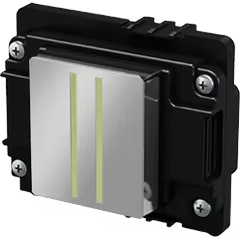


Original New Printhead for Epson Fa320320000 I3200-A1 I3200 A1 Print Head
$700.00 - $850.79
MOQ: 1 Pieces


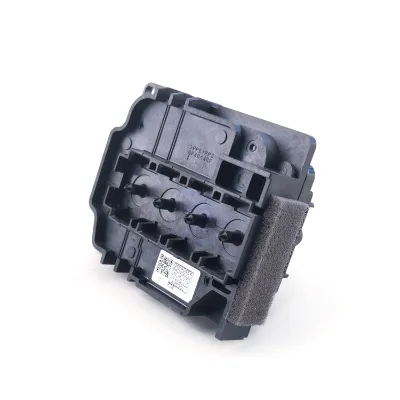

Advanced Packaging Inkjet Printer Featuring 1-4 Customizable Printheads
$460.00 - $500.00
MOQ: 1 Pieces


Comprehensive Sourcing Guide
Compatible Epson Inkjet Printer Printhead Sourcing Guide
Sourcing compatible printheads requires careful evaluation of technical specifications and supplier reliability. Buyers must verify nozzle counts, droplet sizes, and ink compatibility to ensure seamless integration with existing printing systems. The market offers various models, including the I3200 series and Epson 4720, each with distinct performance characteristics. Understanding these differences is crucial for selecting the right component for specific production needs.
Procurement decisions should also consider customization options and quality assurance measures. Many suppliers offer brand-new units with CE and ISO certifications, ensuring adherence to international safety and quality standards. Buyers should prioritize suppliers who provide video outgoing inspections and detailed product packaging to minimize transit damage. Establishing clear communication regarding technical support and warranty terms is essential for long-term operational success.
Product Scope and Observed Listing Signals
The current market features a diverse range of printheads, primarily centered around the Precisioncore MicroTFP technology. Listings frequently highlight models such as the Epson i3200-E1 and i3200-A1, which are designed for high-speed industrial applications. These components typically support a wide array of ink types, including UV, pigment, eco-solvent, and water-based inks. This versatility allows manufacturers to adapt their printing processes to various substrates and material requirements without changing hardware.
Observed listing signals indicate a strong emphasis on customization and immediate availability. Suppliers often advertise brand-new condition units with net weights around 0.1kg, packaged in protective carton boxes. The presence of certifications like CE, ISO, and RoHS suggests a focus on regulatory compliance and environmental safety. Buyers should note that while many products are listed as available in stock, verifying specific model numbers and ink compatibility remains critical to avoid mismatches.
Technical Specifications to Verify
Verifying nozzle configuration and resolution is paramount for ensuring print quality and efficiency. The I3200 series typically features 3200 nozzles arranged in eight rows, supporting resolutions up to 2400 DPI. Droplet sizes vary, with some models offering variable dot size technology for enhanced image detail. Buyers must confirm the firing frequency, which can reach up to 43 kHz, to ensure the printhead meets the throughput requirements of their production lines.
Connector type and print width are also critical technical parameters to validate. Most modern printheads utilize an 80-pin connector, ensuring compatibility with standard driver boards. Print widths generally align with 1-inch specifications, though exact dimensions may vary by model. Additionally, checking the minimum droplet size, which can range from 2.5pl to 12pl, helps determine the potential for high-resolution output. Accurate verification of these specs prevents integration issues and ensures optimal performance.
Compliance and Safety Documentation
Compliance documentation is essential for ensuring that purchased printheads meet international safety and environmental standards. Buyers should request certificates such as CE and ISO to verify that the products adhere to relevant regulatory frameworks. These certifications indicate that the manufacturer has undergone rigorous testing for electrical safety, electromagnetic compatibility, and material restrictions. Proper documentation also facilitates smoother customs clearance and reduces the risk of regulatory penalties.
RoHS certification is particularly important for manufacturers concerned with environmental impact and hazardous substances. This standard ensures that the printheads are free from specific dangerous materials, aligning with global sustainability goals. Buyers should also inquire about video outgoing inspections, which provide visual proof of the product's condition before shipment. This additional layer of verification helps build trust and ensures that the received goods match the agreed-upon specifications.
Cost Drivers and Commercial Terms
Several factors influence the final cost of compatible printheads, including model complexity, certification status, and order volume. Prices observed in the market range significantly, reflecting differences in technology and supplier positioning. Buyers should consider the total cost of ownership, which includes potential maintenance, ink consumption, and downtime costs. Higher initial investment in premium models may yield better long-term value through increased durability and print quality.
Commercial terms such as MOQ and lead times also play a crucial role in procurement planning. While some suppliers offer low MOQs to accommodate small orders, others may require larger quantities for better pricing. It is advisable to negotiate clear terms regarding payment methods, shipping responsibilities, and return policies. Understanding these commercial dynamics helps buyers optimize their budget and ensure a smooth transaction process.
Supplier Qualification and Quality Control
Evaluating supplier qualifications is vital for mitigating risks associated with counterfeit or substandard components. Buyers should prioritize suppliers who provide comprehensive product descriptions, including model numbers, ink compatibility, and certification details. Requesting video outgoing inspections and detailed packaging information can help verify the authenticity and condition of the products. Suppliers with a track record of providing high-quality, brand-new items are generally more reliable.
Quality control measures should extend beyond the initial purchase to include ongoing performance monitoring. Buyers should establish clear channels for communication regarding technical support and warranty claims. Suppliers who offer responsive customer service and transparent return policies are better equipped to handle any issues that may arise. Building a relationship with a qualified supplier ensures consistent access to high-quality printheads and reduces operational disruptions.
Long-Term Procurement Checks
Establishing long-term procurement checks ensures sustained performance and reliability of the purchased printheads. Buyers should regularly review supplier performance metrics, including delivery times, product quality, and customer service responsiveness. Maintaining a record of serial numbers and batch codes can facilitate traceability and warranty claims. Regular audits of supplier documentation help ensure continued compliance with evolving regulatory standards.
Continuous monitoring of market trends and technological advancements is also essential for staying competitive. Buyers should stay informed about new models and improvements in printhead technology to make informed purchasing decisions. Engaging with industry forums and supplier networks can provide valuable insights into best practices and emerging solutions. By proactively managing their procurement strategy, buyers can optimize their printing operations and achieve long-term success.
FAQs
What ink types are compatible with this printhead?
This printhead supports multiple ink types including UV ink, pigment ink, eco solvent ink, and aqueous ink. It is also compatible with dye and DTG textile inks. Users must select the specific ink type that matches their printing application and material requirements for optimal performance.
Which nozzle configuration does the Epson i3200 model have?
The Epson i3200 model features a precision nozzle configuration with 3200 total nozzles arranged in eight rows. Specifically, it offers 800 nozzles for black and 800 nozzles per color. This high density enables detailed printing with a maximum of four color inks for professional results.
Can I find this printhead with CE and ISO certifications?
Yes, this product is available with CE, ISO, and RoHS certifications. These certifications ensure the device meets international safety and quality standards. Buyers can verify these credentials when sourcing from suppliers to guarantee compliance with regulatory requirements in their specific target markets.
How is the printhead packaged for safe shipping?
The printhead is packaged in a carton box or protective box packaging to ensure safety during transit. The net weight is 0.1kg while the gross weight is 0.15kg. This secure packaging protects the delicate components from damage while maintaining a lightweight profile for efficient logistics.
What is the firing frequency and resolution of this unit?
This unit operates with a firing frequency of up to 43 kHz and offers a resolution between 600 and 2400 dpi. Some models support a resolution of 1440 dpi specifically. These specifications allow for high-speed printing while maintaining sharp image quality across various media types.
Where is the origin of the Epson i3200 printhead?
The product origin is listed as Guangdong, China, Guangzhou, China, or Japan depending on the specific batch. The manufacturing location varies by model variant. Buyers should confirm the specific origin with the supplier to ensure the product meets their regional sourcing preferences and quality expectations.
What is the minimum droplet size for this printhead?
The minimum droplet size ranges from 2.5 pl to 4.5 pl depending on the specific model configuration. Some versions utilize variable dot size technology to achieve a minimum drop size of 3.8 pl. This capability allows for smooth gradients and high-detail printing on diverse surfaces.